Write Your Name Using Maritime Flags
Signals, Ships and the Sea
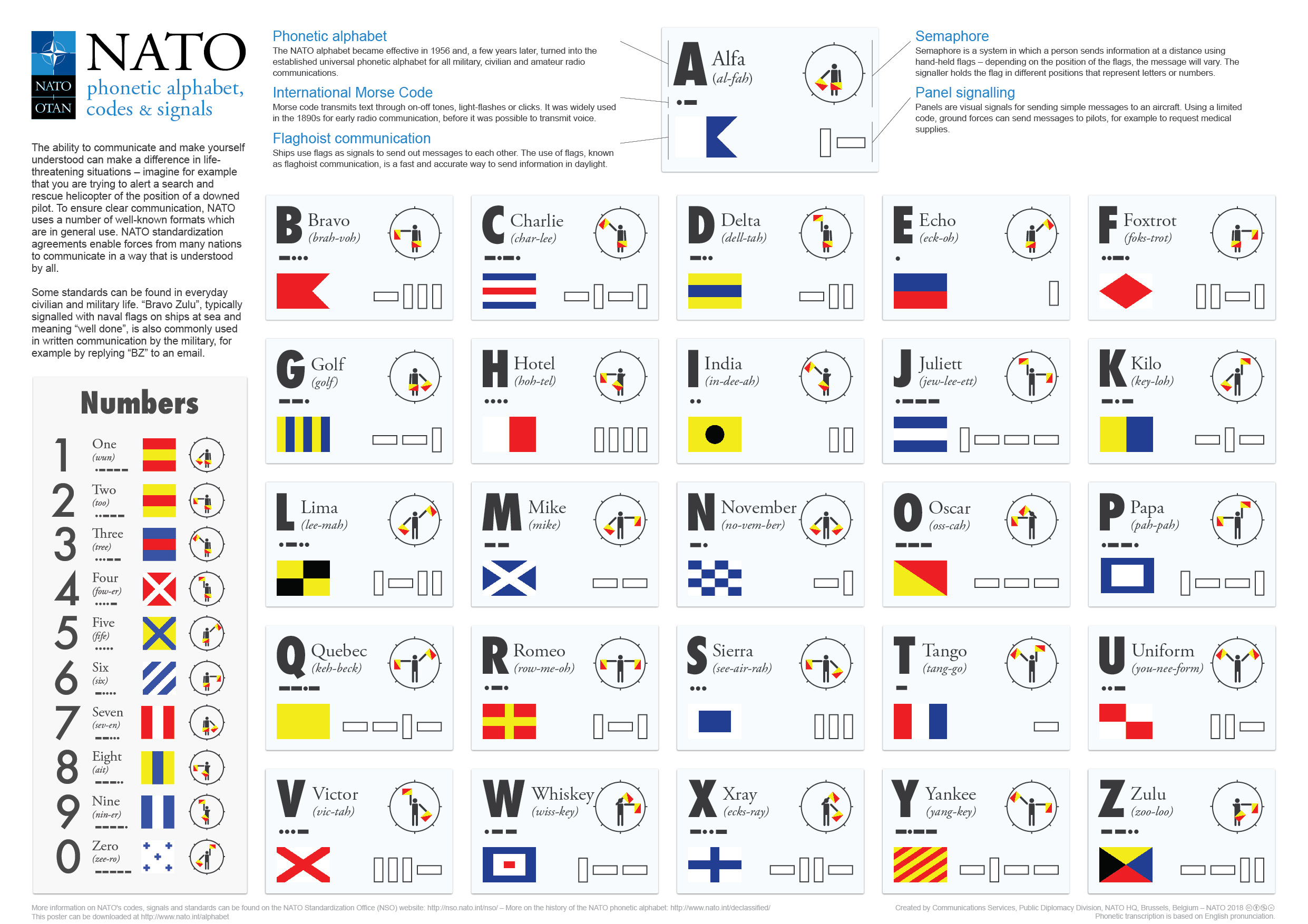
Before radios, phones and text messages, people at sea still needed to communicate. They used flags. They were brightly coloured maritime flags were raised on ships and at harbours to send messages across the water. Ship crews used them to communicate with other vessels, and harbourmasters used them to guide ships safely into port. Each flag had a meaning. Some flags stood for letters, while others sent full messages on their own.
Maritime flags were designed so that people at sea could understand each other, even if they spoke different languages.
- Each flag:
- uses bold colours and shapes so it can be seen from far away
- represents a letter of the alphabet or a specific instruction
- can be flown alone or together with other flags
By raising several flags in a line, crews could spell words, names and places. These messages could be read from another ship or from the shore.
Signal flags and alphabet flags
Maritime flags are used in two main ways.
Alphabet flags represent letters of the alphabet. Ships use these flags to spell names, words or messages by flying several flags in a row.
Signal flags send messages on their own. A single flag can mean something important, such as:
- “I need help”
- “It is safe to enter the harbour”
- “Keep clear”
- “I am turning”
Ship crews and harbourmasters used both types of flags. Sometimes they spelled messages. Other times, one flag was enough to send an urgent signal.
In this activity, you will use alphabet flags to spell your name.
Who used these flags?
Maritime flags were used by:
- ship crews communicating with other ships
- harbourmasters signalling to vessels entering or leaving port
- lifeboats and rescue crews sending urgent messages
- ports around the world using the same flag system
At harbours like Timaru, flags helped ships know when it was safe to enter, when to wait, or when help was needed.
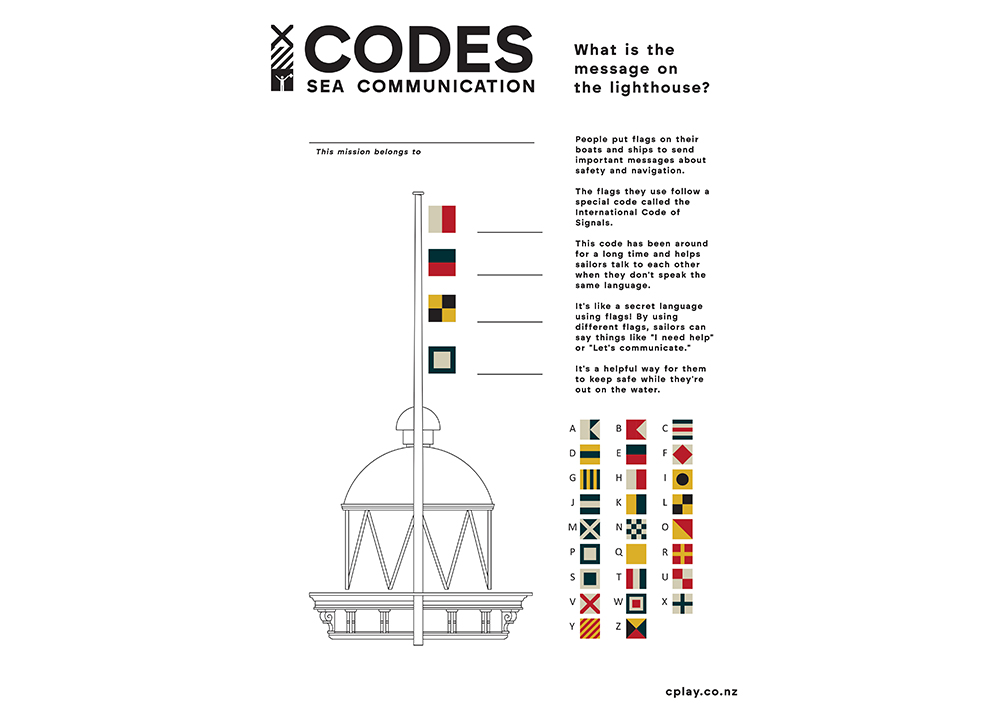
Write your name in maritime flags
This worksheet invites you to use maritime flags to spell your name.
As you do this, you are using the same system sailors and harbourmasters once relied on every day.
As you design your flags:
- match each letter to the correct maritime flag
- notice the colours and patterns
- imagine your name flying in the wind above the sea
Your name becomes a message, just like it would have been on a ship or at a harbour.
Why does this matter?
Maritime flags helped keep people safe. They allowed ships to communicate across long distances, rough seas and noisy conditions where voices could not travel.
They remind us that before modern technology, clear signals, teamwork and trust were essential at sea.
Your turn.. Write your name using maritime flags and think about the message you are sending.
Create it, enjoy it, and feel free to share it with your friends, family and WuHoo Timaru.
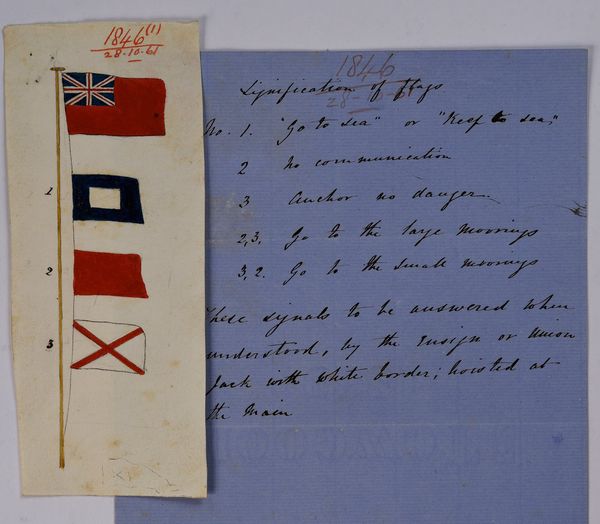
Flying the flag. Belfield Woollcombe was the Timaru Harbourmaster and Resident Magistrate, and wore several other official hats for the Provincial Government in the town during the 1850s and 60s. His roles necessitated much correspondence with Provincial officials in Christchurch, and this colourful 1861 letter is just one example. Here he is informing the Provincial Secretary of the significance of the different flags flown at Timaru Harbour, so approaching ships would know what actions to take. The signal flags have been carefully drawn and painted, and the colours remain bright even after 157 years. Archives New Zealand reference: CH287 - ICPS 1846/1861; R22190082
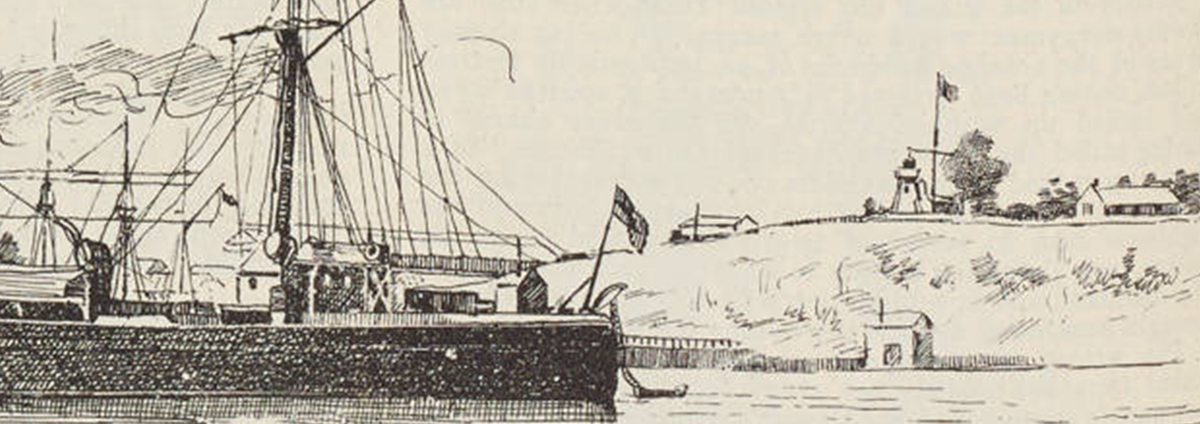
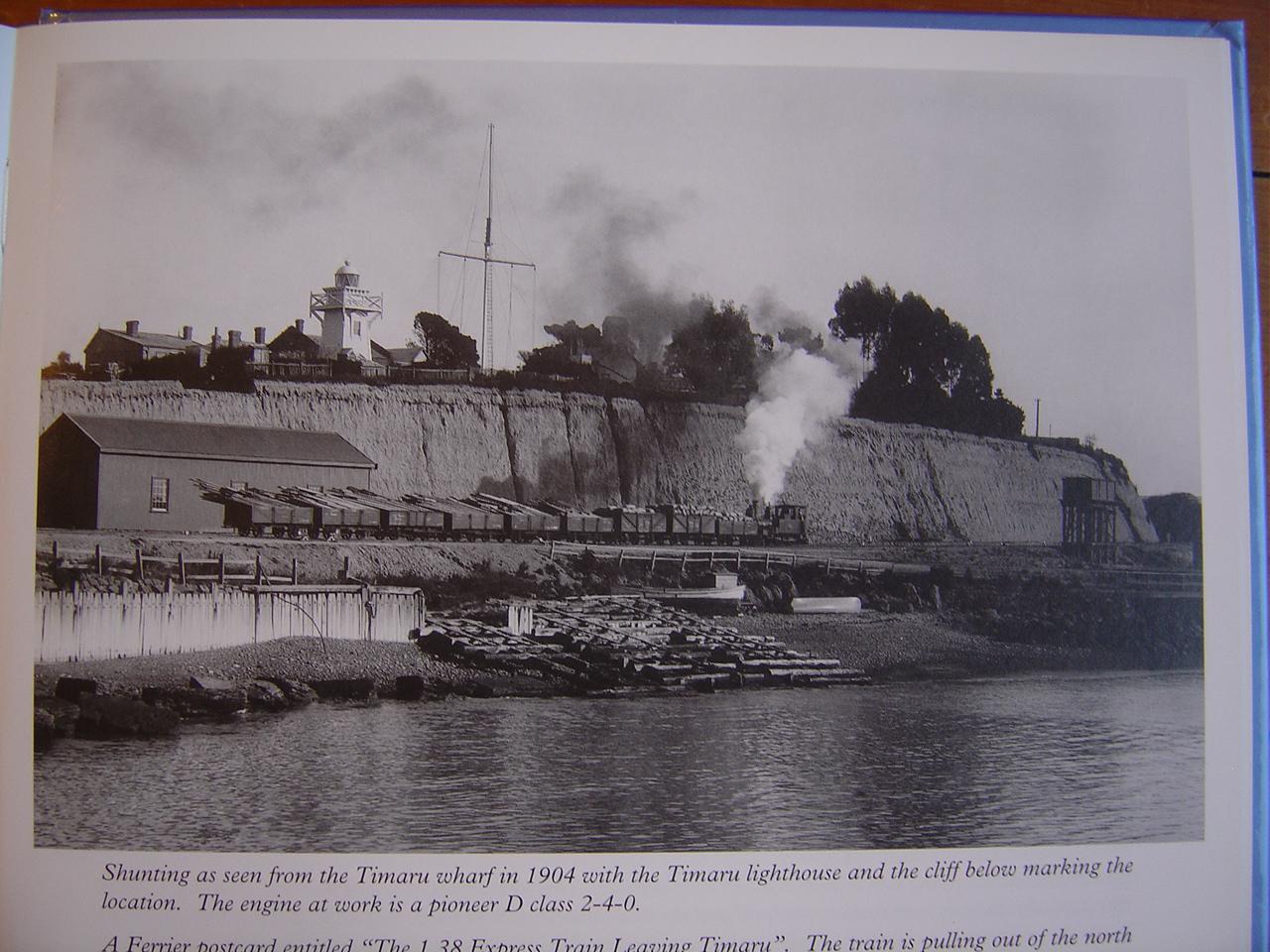
Section of the HMS Ringarooma cruiser in Timaru Harbour where you can see the Blackett Lighthouse up on Le Cren Terrace 1895-02-23 - Auckland Libraries Heritage Collections NZG-18950223-0180-01
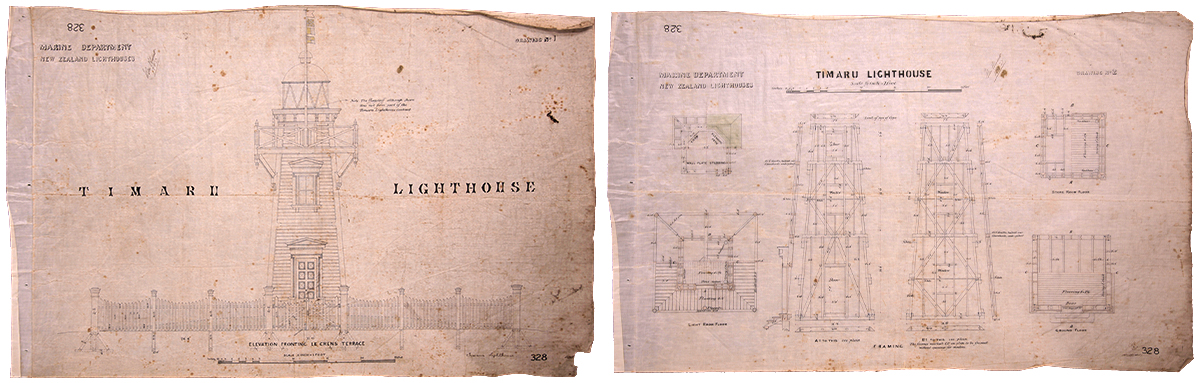
A set of the original plans for construction of the Timaru lighthouse hand drawn by John Blackett circa 1877.Courtesy South Canterbury Museum 2004/070.37
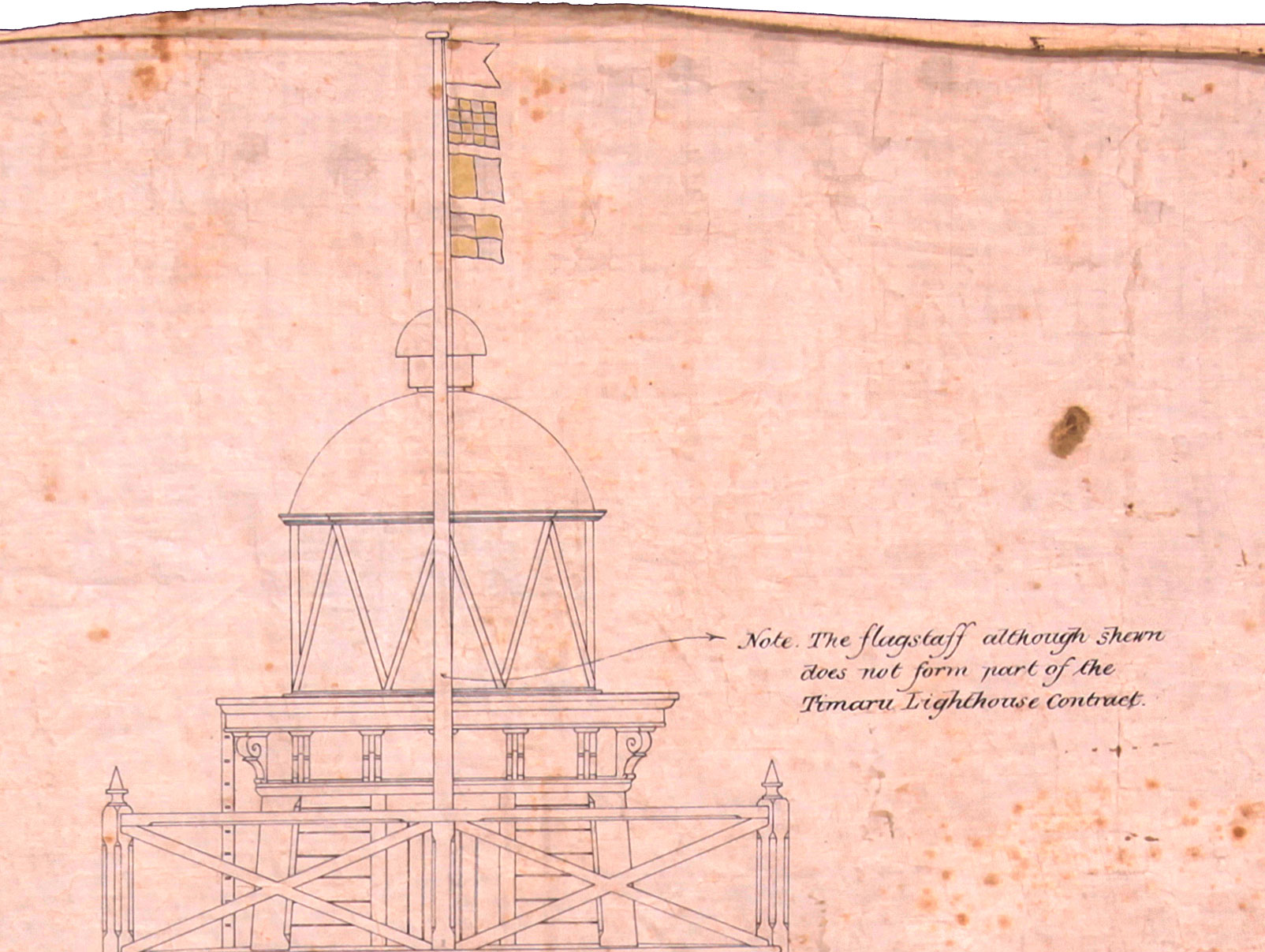
Detail from the original plans for construction of the Timaru lighthouse hand drawn by John Blackett circa 1877.Courtesy South Canterbury Museum 2004/070.37
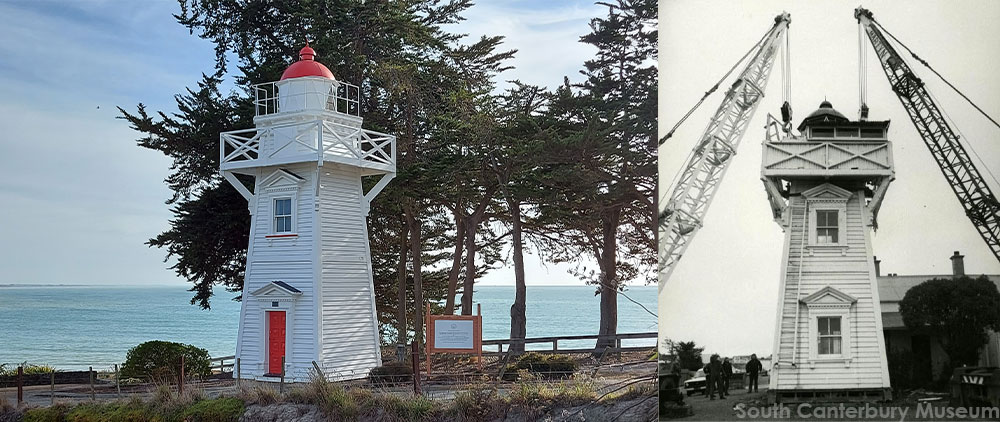
The Blackett Lighthouse was originally on the Terrace, No. 7. It was later relocated to the corner of Te Weka Street and Benvenue Ave, and then again to the Benvenue Cliffs. It is a Category II structure and the Historic Places Trust. LEFT: The Lighthouse at its current site in 2021. Courtesy of Roselyn Fauth. RIGHT: Timaru's lighthouse being relocated 1980. Courtesy of South Canterbury Museum 2014/107.73
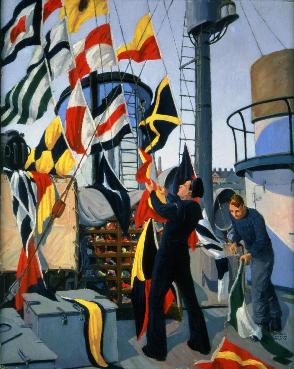
Signal Flag Hoist
Two sailors aboard a corvette hoist colourful signal flags in Donald Mackay's painting.
The colours and patterns of these flags were used in sending visual signals, and the flags themselves were stored in a rack called a flag locker (lower centre). Halifax native Mackay's paintings often speak to the excitement of the navy, and to the relationship between sailors and the maritime environment. The varied nature of naval service held great appeal for many Canadians. Navy life was often of particular appeal to volunteers from central Canada who, in many cases, had never seen an ocean before enlisting.
Signal Flag Hoist
Painted by Donald C. Mackay around 1945
Beaverbrook Collection of War Art
CWM 19710261-4251
//www.warmuseum.ca/cwm/exhibitions/navy/galery_themes-e.aspx@section=3-A-2.html" style="text-decoration-line: none; margin: 0px auto;">The Navy: A Century in Art /The Navy at Sea
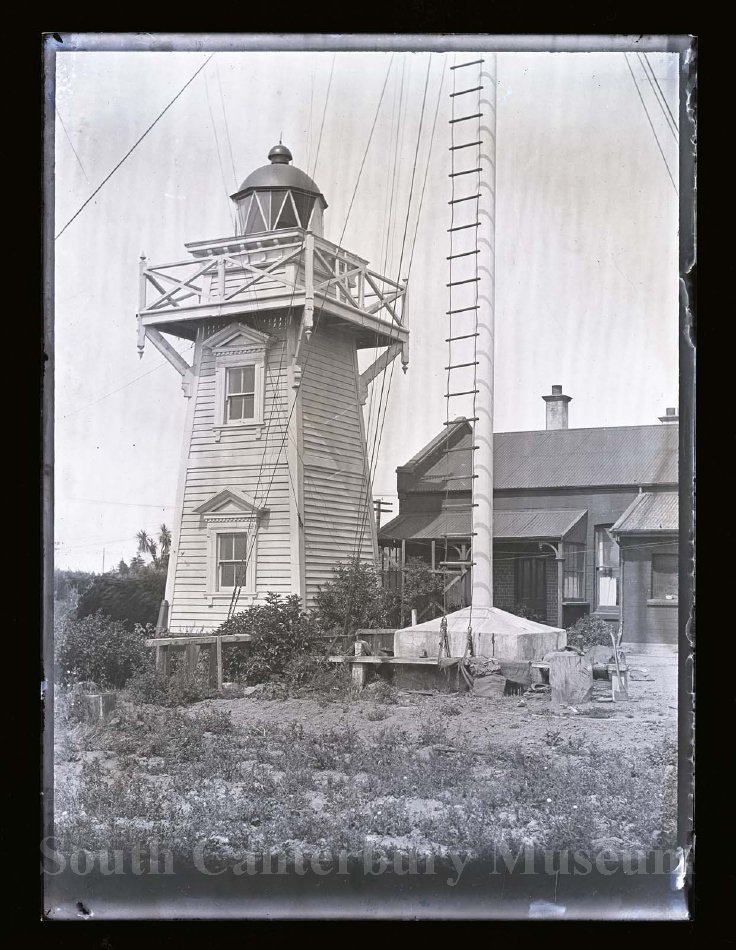
The Timaru Harbour Board lighthouse and flagstaff, on the site of the Harbourmaster's house (in the background) on the Terrace, Timaru, circa 1920? South Canterbury Museum 2021/057.04
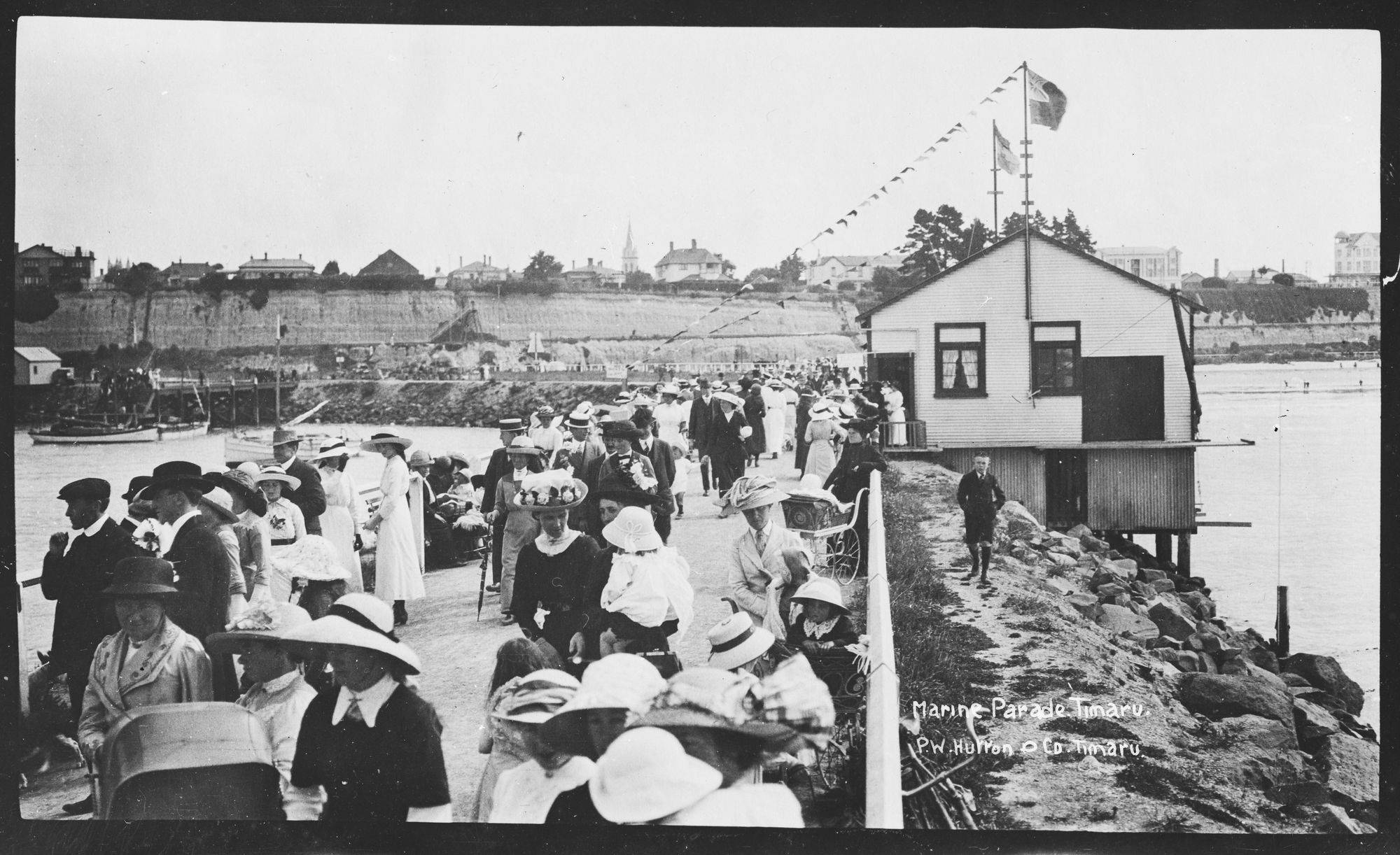
Looking along Marine Parade, Caroline Bay, Timaru showing a crowd gathered, pennants flying from building (right); boats anchored (left rear); buildings on skyline. Photo by P W Hutton & Co. Please acknowledge Auckland Libraries Heritage Collections 35-R1508. No known copyright restrictions.