There are so many fantastic and interesting stories to unearth in South Canterbury... Would you like to join the history hunt? We would love to bring more stories of our people and place to the surface. Have a look at some of our draft stories - feel free to share your information with us, or be a guest writer on our blog at This email address is being protected from spambots. You need JavaScript enabled to view it. 

Your efforts can help people reflect on our past, to better know where we have come from, and learn more about ourselves. I believe that when we do this, we can then make better choices for our community now, and into the future. Here are some suggestions:


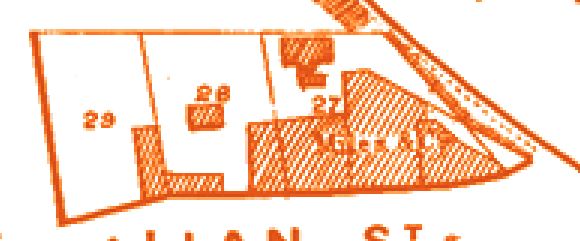
 Miles Co

TURNBULL Miles Archer and Co Ltd Wool and Grain Stores 2779 240814 Watermark

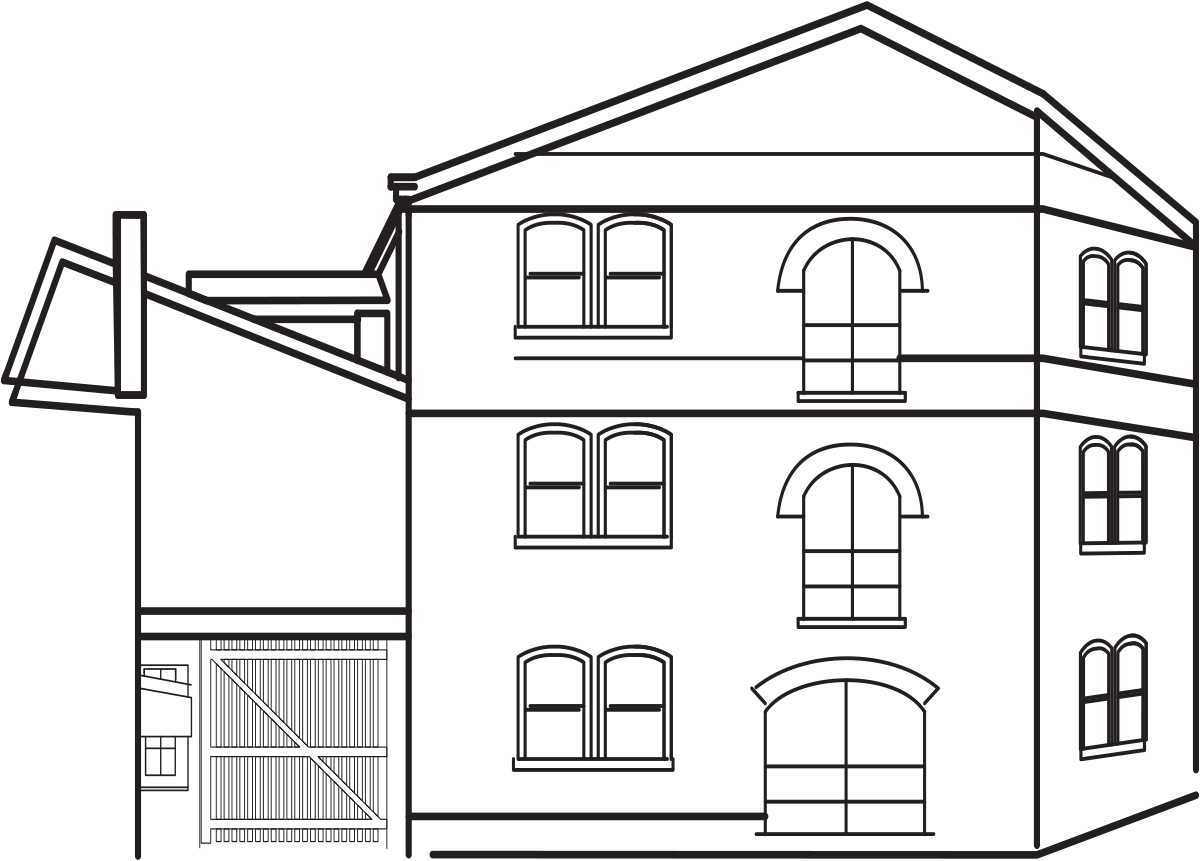
CBD BuildingPoster Miles Archer Co Copyright Roselyn Fauth WuhooTimaru

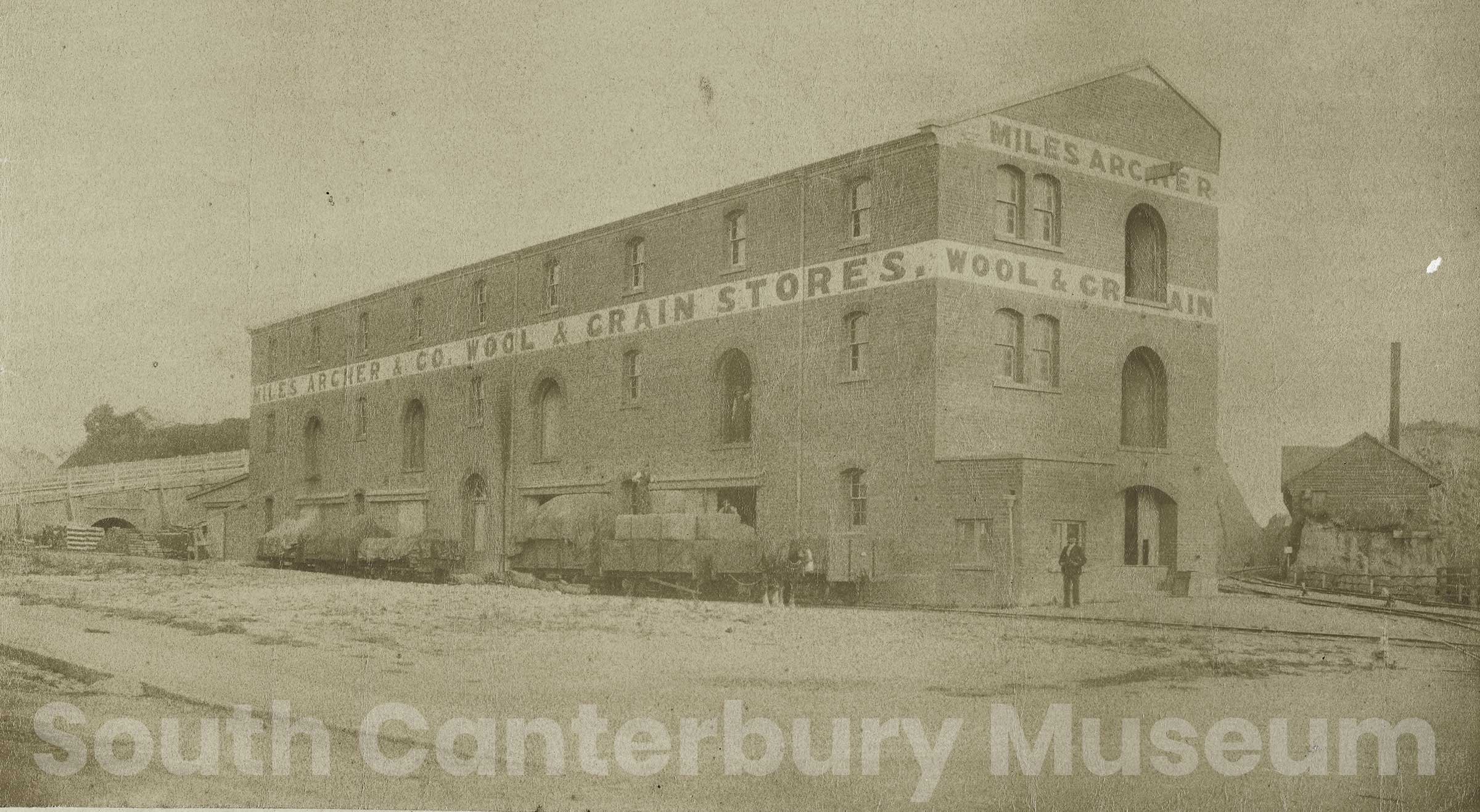
Archer building Views of Timaru and District by Adolf Fischer South Canterbury Museum 3868

Miles Archer & Co building - Views of Timaru and District  by Adolf Fischer South Canterbury Museum 3868


Miles Archer and Co Building on LE Cren Terrace Photo Roselyn Fauth

Miles Archer and Co brick building on the Terrace - Photography By Roselyn Fauth
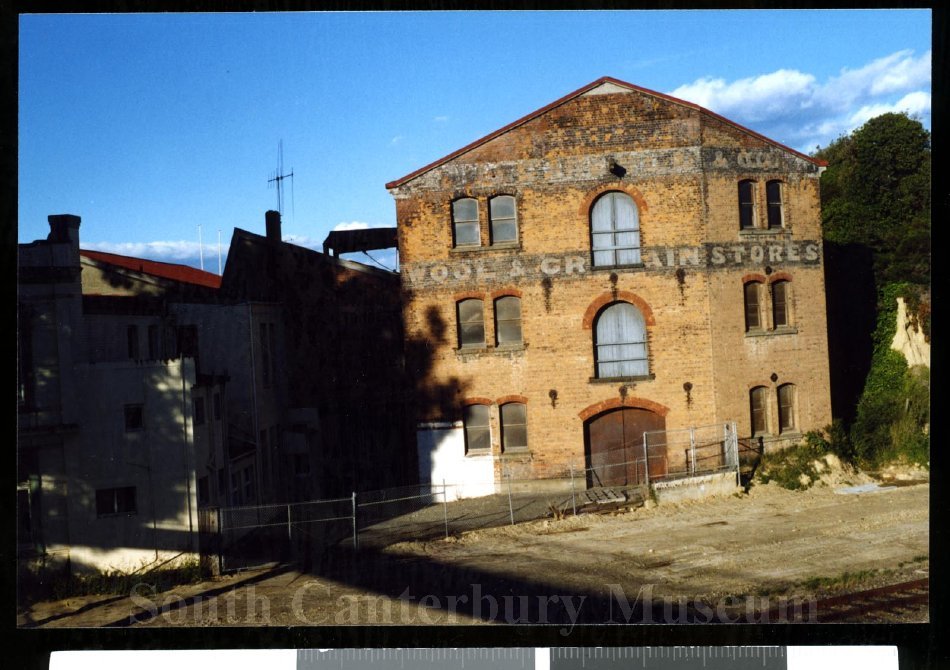
D C Turnbull and Co and the old Miles Archer and Co store Timaru South Canterbury Museum 202211019

D C Turnbull and Co and the old Miles Archer and Co store Timaru South Canterbury Museum 202211019

Francis John Wilson practically rebuilt Timaru after the 1868 fire. He was a South-African born architect who was resident in Timaru for 30 years. During this time, he worked as a hotel proprietor, building contractor, carpenter, architect and was prolific at these trades, building and designing many buildings in Timaru after the fire of 1868. He was also a councilman in 1869.
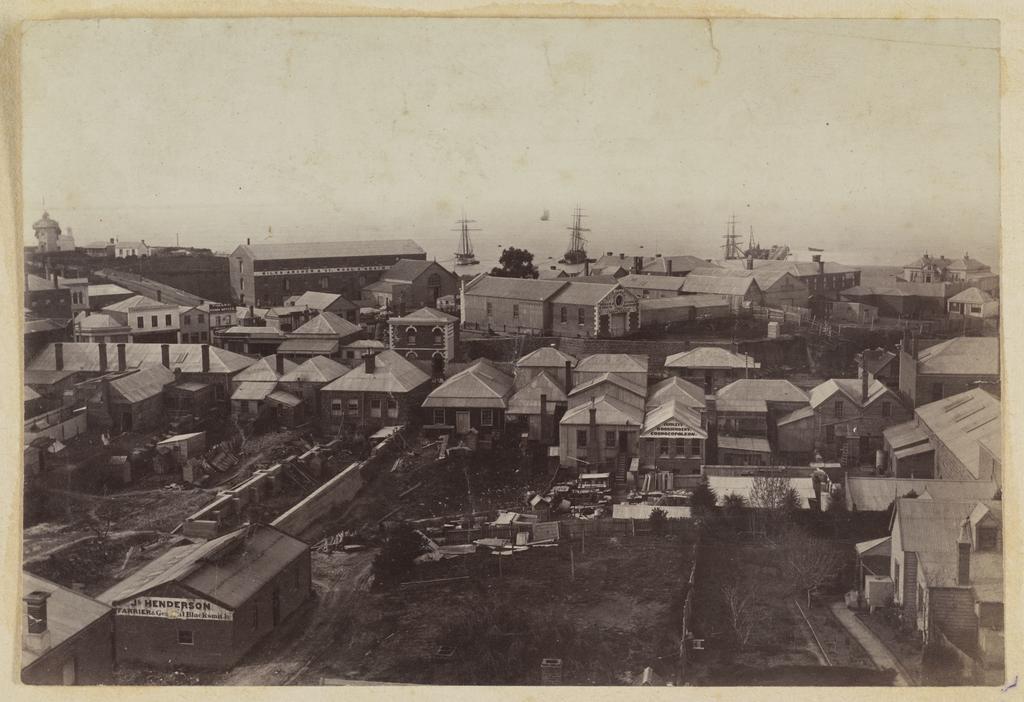
 

Unknown Timaru c1880s Hocken Digital Collection
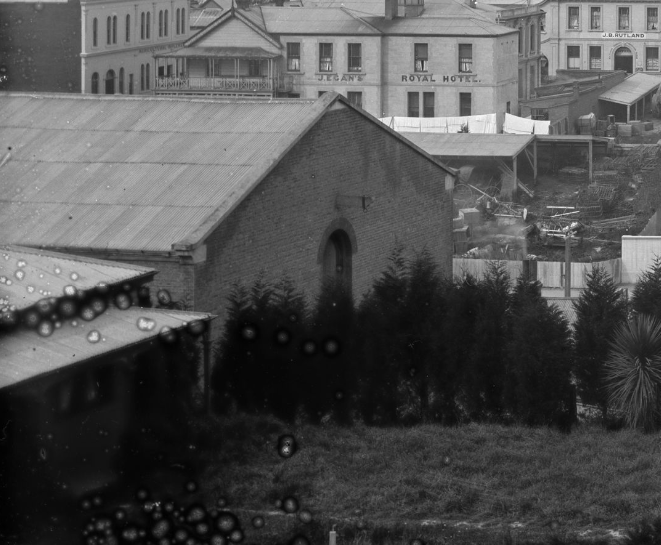
Unknown Timaru c1880s Hocken Digital Collection

Miles Archer and Co Timaru by Muir and Moodie Te Papa C014369 Section
Miles Archer and Co Timaru by Muir and Moodie Te Papa C014369 Section


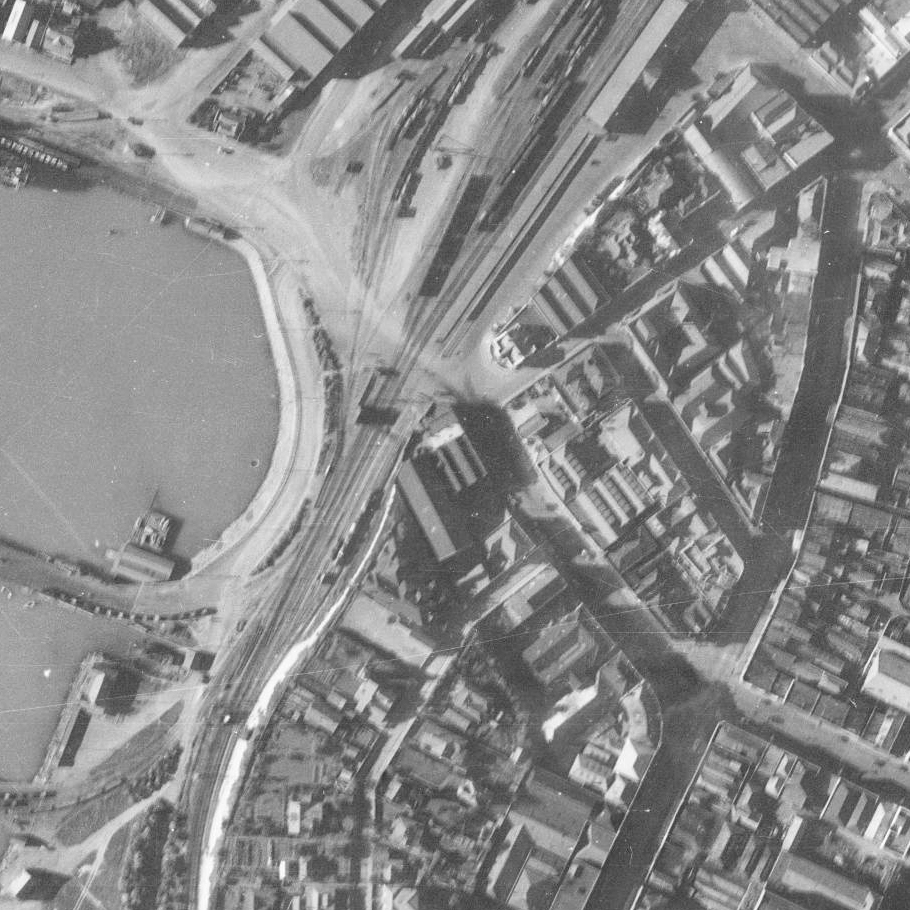
MilesArcher Turnbull 23 05 1938 SurveyNoSN86 PhotoNo52

MilesArcher-Turnbull-23-05-1938-SurveyNoSN86-PhotoNo52
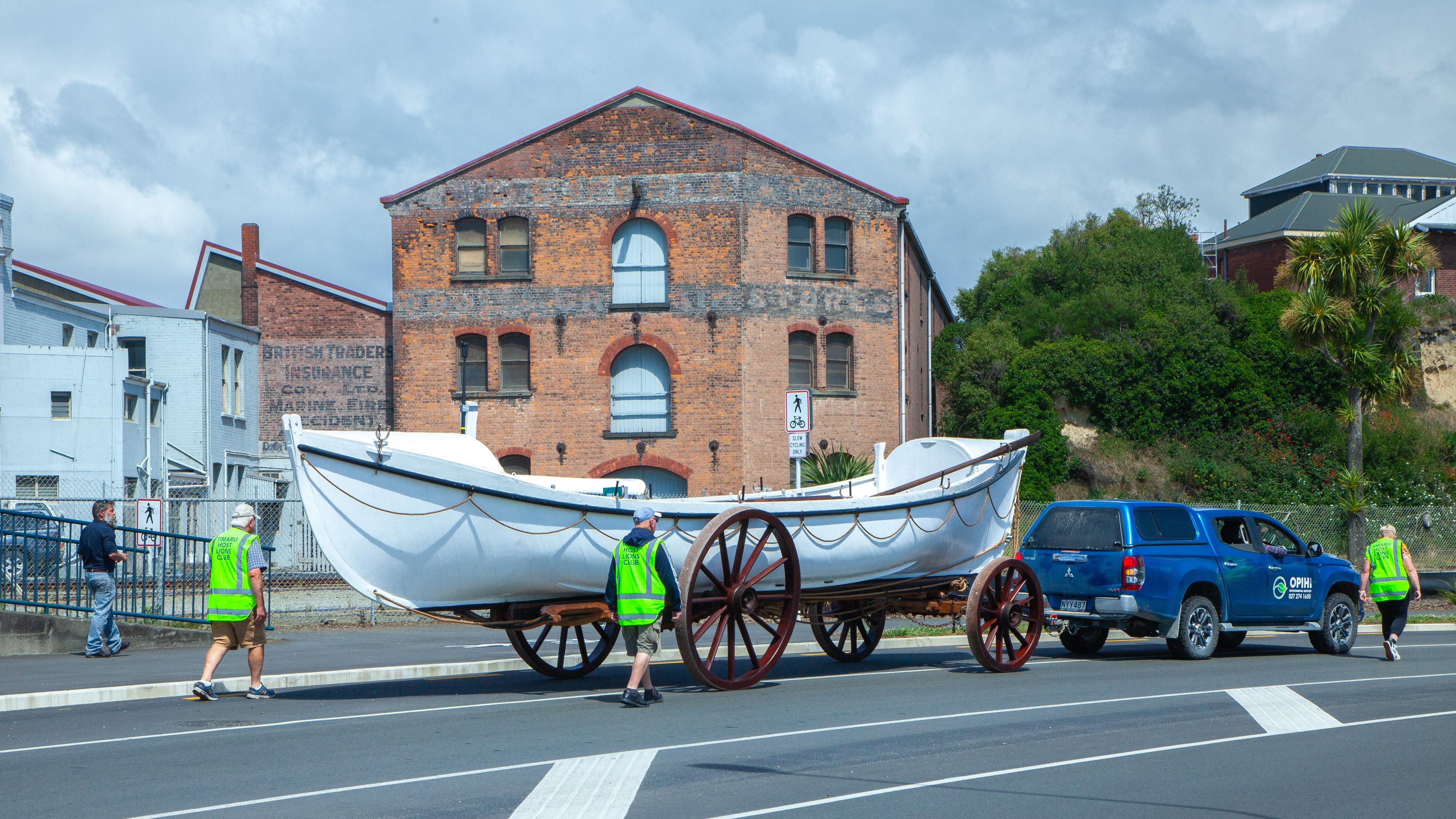
 

the lifeboat returning to the bay in 2025 going past the historic Miles Archer and Co property. This is very close to the shed that originally housed the lifeboat photo Geoff Cloake 

The lifeboat returning to the bay in 2025 going past the historic Miles Archer and Co property. This is very close to the shed that originally housed the lifeboat - photo Geoff Cloake


Page 1012

THE CYCLOPEDIA OF NEW ZEALAND.

DALGETY AND CO., LIMITED: South Canterbury branch, Stafford Street, Timaru; head office, Christchurch. The business of this branch is in charge of Mr. Hugh Lowry, manager and auctioneer. Auction sales are held periodically throughout the district.

NEW ZEALAND LOAN AND MERCANTILE AGENCY COMPANY, LIMITED: South Canterbury branch (M. White, manager), Stafford Street, Timaru; head office, Wellington. The South Canterbury branch of this company was established in 1875, and conducts business in a two-storey brick building in Stafford Street. The ground floor is occupied by the public and private offices, and the machinery department is at the back. There is also a large grain store, close to the railway siding. Regular auction sales of stock and produce are periodically held throughout the district. The machinery department occupies a large space, and is approached by a passage from Stafford Street. It contains an extensive showroom, with a top-light. There are several large store sheds in the yard which has an entrance from George Street. The branch keeps a large stock of agricultural implements, machinery and plant, and dairy utensils, and represents the Walter A. Wood Company, and many other well known manufacturers.

Mr. MOSES WHITE, Manager of the South Canterbury branch of the New Zealand Loan and Mercantile Agency Company, Limited, is an Irishman, and was born in the North of Ireland. He was educated in Fermanagh, and came to New Zealand in 1869. For a time Mr. White acted as secretary for the Timaru Landing and Shipping Company, under the late Mr. F. Le Cren. When that gentleman started the Timaru branch of the New Zealand Loan Company, in 1875, Mr. White became accountant, and held the position till the 1st of January, 1902, when he took up the duties of manager. Mr. White has always taken an intelligent interest in the development of the district, and was for several years president of the Timaru Mechanics’ Institute. For some years he was churchwarden of St. Mary’s, and has been secretary of the Timaru Bowling Club for some time.

Mr. M. White.

STONYER, H. M., Timaru, for thirteen years travelling representative and expert for the Walter A. Wood machinery, and the New Zealand Loan and Mercantile Agency Company, in South Canterbury.

Mr. H. M. Stonyer.

MEE, JOHN, Grain, Wool, Tallow, Coal, and General Produce Merchant. Offices and stores, Strathallan Street, Timaru. This extensive business, so well known in South Canterbury, is conducted on a prominent site adjacent to the railway station and harbour. The premises, consisting of brick stores and offices, extend over an area of three and a-quarter acres, a private railway siding alongside the stores affording facilities for shipping direct into vessels at the wharves. Besides the wool and grain business, a very large trade is done in coal. Mr. Mee imports direct from Newcastle, and has heavy shipments from Westport and other localities in the Colony. He is the Timaru agent for the Springfield Coal and Potteries Company, and represents the Victoria Marine Insurance Company, Liverpool and London and Globe Fire Insurance Company, and acts as agent for Little’s sheep dip. Mr. John Mee ranks almost as an old identity, having arrived in New Zealand in 1863 with his brother, Mr. George Mee, the well-known chemist of Wellington. Soon after his arrival, he joined the old firm of Miles and Co., of Christchurch, and was shortly afterwards appointed to represent them in Timaru, where he resided for over thirty years. On the company (Miles and Co.) going into liquidation, Mr. Mee took over their extensive stores with the wool, grain, and seed business, which he has since carried on upon his own account with marked success. He is well and favourably known to all farmers and business people of South Canterbury district, in which he has so long resided. Mr. Mee is an ardent supporter of all athletic pursuits, and though he is now over sixty years, he is still very active, and, in his leisure hours, dispels the cares of business with tennis, cycling, bowls, and boating.

Mr. J. Mee.


Page 1013

TIMARU.

Mr. J. Mee’s Grain and Produce Stores.

SOUTH CANTERBURY WOOLLEN MANUFACTURING COMPANY (James Lillico, James Crosbie, and John Macrae, proprietors), Arthur and Bank Streets, Timaru. The business was originally established in 1885 by a local Limited Company, who built the commodious mill and commenced manufacturing work. Unfortunately, after a few months, probably in consequence of want of experience, the company went into liquidation, and the mortgagee entered into possession of the mill and plant. For some time the capitalist, into whose hands the mill had fallen, had the mill on his hands; but finally he leased the works to Messrs Atkinson Brothers, who worked the mill for about three years. The property was then idle for about a twelvemonth, and in 1892 it was purchased by the present proprietors in conjunction with three others. The purchasers were all practical men, who thoroughly understood every department of their business. They put the mill into working order, and bent their united energies towards making their work a success. The result has been that since 1894, the mill has been fully [employed] night and day. The land upon which it stands comprises three quarters of an acre of freehold, and the three-storey brick building which contains the main portion of the machinery, occupies the whole frontage of Arthur Street, the entrance being from the corner of Bank Street. There are iron and wood annexes to the building, where the various preliminary processes in connection with woollen manufacture are conducted. The old machinery, which was in the mill when taken over by the proprietors, has all been removed, and the latest and most improved appliances have been imported to take its place. The entire produce of the works is sold to warehouses in New Zealand, and the goods are well known to be of a superior quality. Bannockburn and saddle tweeds, in all varieties, are among the products of the mill, and the proprietors also produce rugs, blankets, shirtings, flannels and hosiery yarns for knitting manufactures. About one hundred hands find regular employment, and the company pays away on an average about £8000 a year in wages. There can be little doubt that the company’s success is due to the

Ferrier, photo.

Can you Help Me go on a carnival history hunt?

I will pop information here as I find it to work up a timeline and information of the carnival, its people and rides in Timaru, New Zealand.

Read more ...

 MA I375462 TePapa Captain Pallison family preview

Captain Pallison and family, 1880s, Timaru, by William Ferrier. Gift of the Guard family, 1993. Te Papa (O.003740)

While going through the digital collection of Timaru photographs on Te Papa, I came across a family portrait labelled simply with the name Captain Pallison. In the 1880s, he appears in the records as a working sea captain, master of coastal schooners such as the Spray and later the Glencairn. He passed his master mariner’s examination in Dunedin and was clearly part of the everyday maritime life of the port rather than one of the better-known civic figures. And yet, beyond these fragments, he slips quietly out of view. I keep looking at that family photograph and wondering who they were. Where did Captain Pallison come from, how long did he stay in Timaru, and what became of his family? This feels like one of those stories just waiting to be found, and I would love to turn it into a shared history hunt. If you recognise the name, the ships, or the photograph, or if you have family stories tucked away in drawers or memories, I would love to hear from you and learn more together.


By Credit Joe Adams, (Kaiapoi) Editor, NZ Family History Magazine.

26 Sept. 2012.

Emily Watts NZ Family History Magazine


WATTS - The Watts family, comprising Thomas Watts and his wife Emma Jane (nee Chesson) with their daughter Elizabeth Jane on her parents knee.
Thomas was born in Kent, England on May 22, 1854 and Emma Jane, born Kent in 1857.
They arrived in Timaru aboard the ship Staadt Haarlem in 1880 and landed by surfboat on what is now the Caroline Bay area. Not much is now known of them except they produced a family of six. Thomas seems to have been a keen bandsman.

They lived in Browne Street, Timaru, somewhere close to the site of the present Warehouse. Around 1898-99 an outbreak of typhoid occurred which was later believed to have been caused by contaminated water supplies from domestic wells.

Contamination possibly came from seepage from long-drop privys, which would make sense in Browne Street which is situated in a gully because a well was usually situated close to a house while a privy was situated well back from houses and sometimes up a rise. At any rate Thomas succumbed and soon died on May 22, 1899 aged 35. He is buried in the Timaru cemetery in a marked grave but without a headstone.

With the family in dire straits Emma Jane also succumbed and died just a year later on June 2, 1890 and is buried in an unmarked pauper's grave.

Watts, Emily
Age at Death 33
Date of Interment5 Jun 1890
Timaru Cemetery
Section General Row 88 Plot 219

Their eldest daughter, Elizabeth Jane, after almost a decade of hardship met and eventually married Forrester, Alexander Adams's eldest son, at Hunter, near Waimate on January 22, 1902 and together they continued in the bakery business until 1928 when they obtained a cookhouse contract on the Waitaki Hydro construction years, eventually retiring to 14 Butler street, Timaru. They are both buried in the Timaru cemetery. The house at 14 Butler Street, now the site of Mico Wakefield plumbing showroom.


Samuel Chesson Grave Site

 https://www.timaru.govt.nz/community/community-and-culture/cemeteries/cemetery-search?BurialId=30819


Elmsdale School

Elmsdale School was a private boarding school for special needs children situated on Selwyn Street, Timaru, in the former home of Frederic Le Cren. The school was established in 1917 by George Benstead.

Read more ...

MA I834839 TePapa Harbour Board Quarry

Harbour Board Quarry, Timaru, circa 1904, Dunedin, by Muir & Moodie. Te Papa (C.014398)

2000210178 1 Scenic Reserve Quarry 1920

2000210178-1 Scenic Reserve Quarry 1920 https://timdc.pastperfectonline.com/photo/E1ABCE6B-066A-427C-8DFE-672729271973


2683 Quarry locomotive

Quarry locomotive.  An unused postcard featuring an image of workers around a locomotive, with several loaded tipping wagons, used to transport quarry stone for Timaru harbour's Eastern Extension, circa 1911. Pictured in on of King's Quarries at the north-western end of the Centennial Reserve. The white wooden fence in the background borders Claremont Road. In the left A J Booth & Bros 20ton crane is partially visible.


2000210118 Jessop and Appleby Bros Ltd 10 ton crane

2000210118 Jessop and Appleby Bros Ltd 10 ton crane


2000210118 3 Start of Eastern Extension Timaru 1901

2000/210.118 -2 A J Booth and Bros 20 ton crane


2000210118 3 Start of Eastern Extension Timaru 1901

2000210118-3 Start of Eastern Extension Timaru 1901


2000210118 4 Start of Eastern Extension Timaru 1901

2000210118-4 Start of Eastern Extension Timaru 1901


2000210097 Timaru Harbour Quarry tramway

Timaru Harbour Quarry tramway 2000/210.097  https://timdc.pastperfectonline.com/photo/2716E1A3-00F6-4ACB-AC22-278131225584


20110351381 20110351380 Kellands Hill quarry

20110351380 Kellands Hill quarry


2022044004 Orbell Street Quarry in 1910

Orbell Street Quarry over the road in 1910


200409503

A group of children posed outside a house, identified as "Thought to be first home of I J Bradley in Bank St Timaru", circa 1900. Shows four children (three are girls) standing at the gate of a wooden cottage.

Priest and Holdgate Ironmongers Timaru New Zealand by Muir and Moodie Te Papa C014369

In a zoomed in Te Papa collection photo, you can spy the signwriting for the Royal arcade tenants. The largest name, at the top reads Priest and Holdgate, Ironmongers. Timaru New Zealand by Muir and Moodie Te Papa C014369. What more can we learn about this building and his propieters, staff and customers?

By Roselyn Fauth

Scroll through the South Canterbury Hall of Fame online and you’ll see the names of people who shaped our district and made their mark on the world. But look closer and you’ll notice something striking: almost every name belongs to a man. Out of 77 people recognised, only 7 are women!

The Hall of Fame was the initiative of Mr C Russell Hervey when he was Mayor of Timaru City between 1971 and 1977. It was officially opened on 26 September 1986 by Mayor Mrs DHL McIver, created to recognise the significant achievements of citizens of the Timaru district.

The Hall recognises persons of prominent international standing, international sportspersons or administrators, and nationally recognised notable New Zealanders. To qualify, a person must have been born in South Canterbury, or lived here for a significant portion of their life. An advisory committee researches candidates, and a Council selection committee makes the final decisions. Today, the Hall of Fame can be viewed on the Timaru District Council website, making it accessible to anyone who wants to learn about the people who helped shape our region.

When young women see role models from their own community, they start to believe that they, too, can change the world, so how to we lift inpsiring women from the margins to the page...

Read more ...

There is a fantastic book that was published in the 90s on Notable South Canterbury Women

Thank you Liz Shae for indexiung the book... maybe there are some names that will ring a bell for you? Or who you might like to help write a guest blog about?

Read more ...

Mrs Little Clayton Station South Canterbury Museum 2011028101

Portrait of Mrs Little, photographed outdoors at Clayton Station in the Mackenzie District, circa 1900. Leaning on a chair in what appears to be a garden setting, Mrs Little represents the resilience and strength of settler women in South Canterbury’s rural high country. Life on isolated stations demanded resourcefulness, hospitality, and fortitude—qualities that shaped both family life and community bonds. Photograph by James Dundas Hamilton. Courtesy of South Canterbury Museum. Catalogue No. 2011/028.101

Timaru Girls High memorial of Active Service

This honour board from Timaru Girls’ High School commemorates former pupils who served during the Second World War. It records more than forty women who volunteered across a wide range of organisations, including the New Zealand Army Nursing Service, the Women’s Auxiliary Army Corps, the Voluntary Aid Detachments, the Women’s War Service Auxiliary, and the United Nations Relief and Rehabilitation Administration. Together, their names reflect the many roles women undertook in wartime—nursing the wounded, supporting military operations, providing voluntary aid, and contributing to post-war relief overseas. Displayed within the school, the board stands as both a record of service and a tribute to the courage, commitment, and community spirit of these women.

Read more ...

New Zealand Lighthouse Chart of General Coast and Principal Harbour Lights published in 1900 Auckland Library

This coloured lithographic chart from 1900, titled “New Zealand lighthouse chart of general coast and principal harbour lights,” depicts the positions of lighthouses around the New Zealand coastline. Published by the New Zealand Department of Lands and Survey, the 66 x 50 cm map includes an inset—9 x 14 cm—showing an enlarged plan of the southern entrance through Cook Strait. The map was drafted by A. Koch in collaboration with the New Zealand Marine Department and reflects maritime navigation priorities at the turn of the 20th century.

Read more ...

Washdyke Women United Circa 1931 South Canterbury Museum 201200908

“Washdyke Women United: Circa 1931” Members of the Washdyke Country Women’s Institute pose proudly outside a timber building in this undated photograph, likely taken around 1931. Formed to support rural women through education, companionship, and community service, the Institute played a vital role in early 20th-century life. The group gathers in formal dress, with a car just visible at the image’s edge—a hint of changing times. Among those identified on the reverse are Alison Aitken, Mrs A. B. Ramsay, Miss L. Stockes, and Miss J. Bell. Some names remain unknown, reminding us of the many women whose grassroots leadership helped shape their communities quietly but powerfully. South Canterbury Museum Collection | 2012/009.08


Who would like to help me go on a History Hunt... I would love to learn more about the Womens Institutes. Feel free to share your research, or submit your blog as a guest writer.


PLEASE NOTE This site is a personal blog, this information is given for informational purposes only and is updated as often as possible. Do not hesitate to contact me for any corrections or contributions. This email address is being protected from spambots. You need JavaScript enabled to view it.


Robert Cairns and Family South Canterbury Museum 2021015002

Portrait of Mrs. Mary Smith with her family who arrived in the Strathallan in 1859, an early settler of Timaru, circa 1898. Mrs. Smith was known for her contributions to the local community, including her involvement in establishing the first women's reading circle in the district. Pictured are (from left to right): Elizabeth Jane (Cissy -later Mrs George Hatt), Rose Millecent, Jane (mother, nee Main), Margaret, Robert, and Robert (junior). Courtesy of South Canterbury Museum. Catalogue No. 1985/123.456

Craighead Diocesan School in Timaru has a pretty interesting physical narrative, shaped by the people, values, needs and aspirations of its community. Since opening in 1911, Craighead has grown and adapted, with buildings that reflect both the challenges and achievements over generations. At the centre of this architectural journey stands Shand House, a remarkable structure whose story spans more than 140 years. After an extensive strengthening and rennovation, it will reopen in 2025, and the Civic Trust has arranged a blue plaque to recognie its built heritage significance.

Although Craighead opened in 1911 as a girls’ school, it was not the first institution in Timaru to provide education to young women. Timaru High School, which began in 1880, was co-educational in structure but offered single-sex classes for girls, ensuring that young women in the town could receive formal academic instruction. However, purpose-built schooling environments specifically for girls remained limited. Keep in mind that this was just a few years off Otago's Girls High School, which was the first high school for young women to open in the Southern Hemisphere. So by the time Craighead was ready to convert the bricks and mortar of a house to a school, education for young women was still in its infancy.

Craighead offered formal teaching in a Christian environment, to offer academic, social and spiritual life on a single campus, setting a new precedent for girls’ schooling in the region.

But I want to take you back to the distinguished residence before it was a school. Because I have been on many side quests learning about Henry Le Cren, and I think he and his family are super interesting. So here we go...

Read more ...

Before he became a world champion in three weight divisions and a pioneer of modern boxing, Robert Fitzsimmons was a knock-kneed, red-haired blacksmith’s apprentice in Timaru. Raised in the South Canterbury town after emigrating from Cornwall, Fitzsimmons forged both his strength and his fighting spirit in the local forges and sparring rings. His remarkable journey from Timaru to the pinnacle of international boxing made him not just a sporting legend, but a lasting symbol of grit, ambition, and local pride.

Read more ...


The Fairlie Flyer Train Illustration farewell to the fairlie flyer WuhooTimaru


The fairlie flyer was the name the 6 locals ’ gave to a simple branch-line railway link¬ ing a series of country towns with the coastal city of Timaru. Within this book you will read the history, legends and local stories of this railway. The people who worked and travel¬ led on it, and the part it played in the lives of the numerous rural communities it served so well.

Read more ...

THE TRIALS, tribulations and success of flourmilling in South Canterbury are synonymous with the history of the province itself. In the early days mills were scattered around the district. Now the industry is concentrated to five old-established, but highly mechanised units. Water and windmills have long been replaced by electricallydriven machinery and equipment—among the most moadern in New Zealand.

Read more ...

Canterbury Farmers Co operative Associations grain and wool store in Heaton Street Timaru p17387enz

THE CANTERBURY FARMER’S CO-OPERATIVE, 1899 Heaton Street Grain and Wool Stores. This is the Canterbury Farmers’ Co-operative Association’s grain and wool store in Heaton Street, Timaru, in 1899. The building was next to the main trunk railway line from Christchurch to Bluff – a vital link between wool and grain stores and the ports. Using this item PGG Wrightson  Reference: Eulla Williamson, Farmers in business, 1880-1980: one hundred years of trading by the Canterbury Farmers’ Co-operative Association Limited, Timaru and branches. Timaru

Read more ...

The great glaciers of the Mount Cook region and the lakes Tekapo, Pukaki and Ohau are the remnants of a great ice river flowing from the Southern Alps. Warm nor’-west winds and centuries of erosion carried on a reclamation work to build the South Canterbury plains, leaving evidence in the cliffs of loess or decayed ‘shingle overlooking Caroline Bay at Timaru. Let's identify a list of sites to visit that teach us about our local Geology...

Oct 4, 1926 Phar lap was born in Timaru, New Zealand. The name Phar Lap also stands for Lightning.

Read more ...

nlnzimage 37

1966 Concept drawing of M L C Building, Timaru, by Mitchell and Mitchell and Partners Registered Architects. Winder, Duncan, 1919-1970: Architectural photographs. Ref: DW-2119-F. Alexander Turnbull Library, Wellington, New Zealand. /records/23130633


It is next to St Mary's on Perth St.

It's a monument to Catherine and Andrew Burnett from the Scottish Highlands. This is the spot where they camped before travelling to Mt Cook in 1861 in a bullock dray. Mt Cook Station was founded in 1864. Their first home was a two bedroom cob cottage with a thatch roof. (Imagine the conditions they survived in!) The Burnetts had eight children and to provide better access to education, they purchased land in Cave in 1873 and built a homestead there. To be even closer to the schools in Timaru, Andrew Burnett had a home built in Timaru's Perth Street in 1876; this house became the South Canterbury Museum after Thomas Burnett's death.
Read more ...