
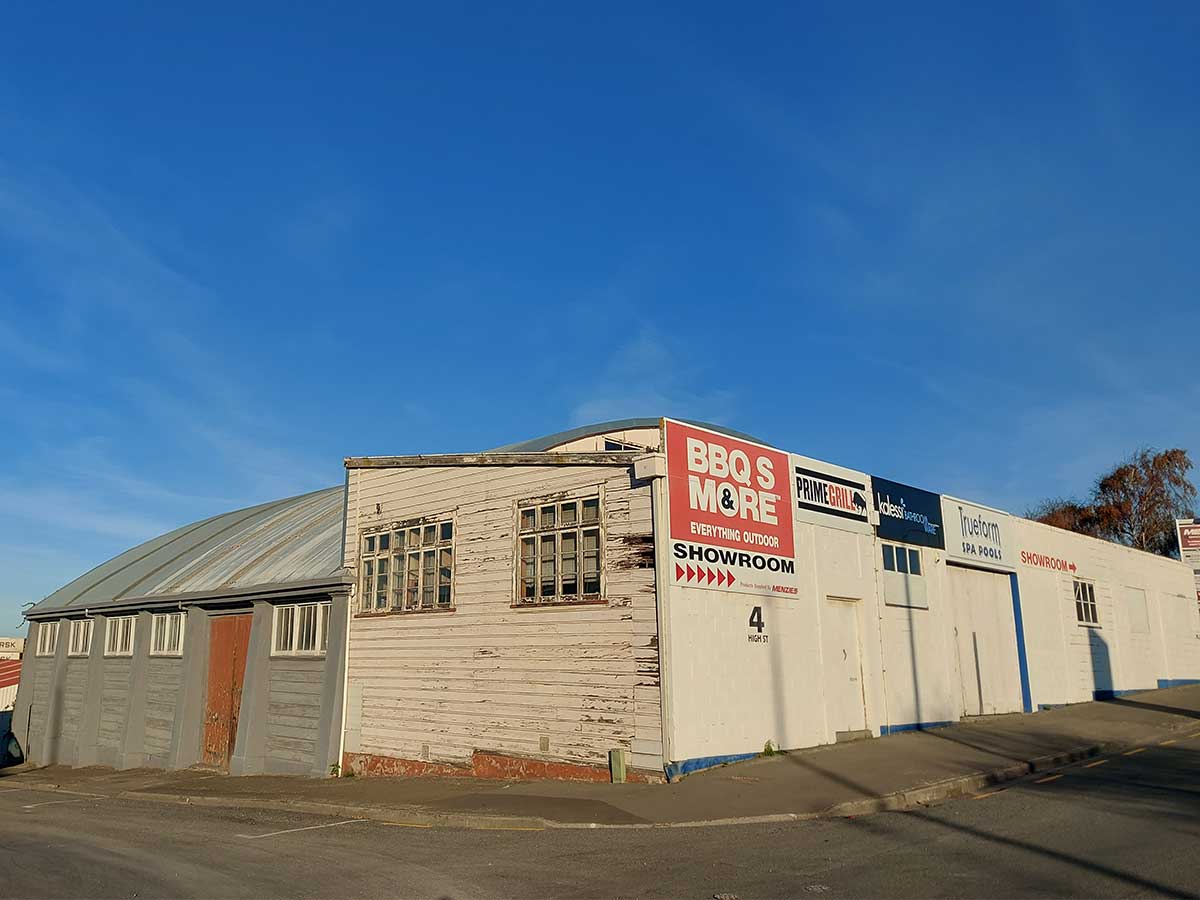
Location: 2 High Street, Timaru
Access: View from public street; building/private use should be respected
Associated years: 1886, 1913, 1914, 1944
Associated people/groups: R. A. Lawson, William Hall-Jones, Timaru Garrison Corps, rifle volunteers, Defence Department, local recruits
According to Timaru District Council’s Historic Heritage Assessment Report for the former Timaru Drill Hall, the building was constructed in 1886, designed by R. A. Lawson and built by William Hall-Jones. Hall-Jones was then a Timaru builder and later served briefly as New Zealand’s Prime Minister in 1906.
The Former Timaru Drill Hall was purpose-built for local volunteer military units and later became part of the Defence Department system after the introduction of compulsory military training. The building’s long military association covered the South African War, First World War and Second World War period.
Side Quest: What did they do here?
In August 1914, as the First World War began, local men were examined, sworn in and prepared for departure. South Canterbury Museum’s SCRoll biography for Thomas Stoddart records keen applicants at the Timaru Drill Shed on 11 August 1914, with men medically examined and liable to be called up for camp at Christchurch. The Drill Hall shows how war moved from public feeling into organised military service.
Find a WuHoo: Look at the building as a threshold. This is where civilian Timaru began turning into military Timaru.
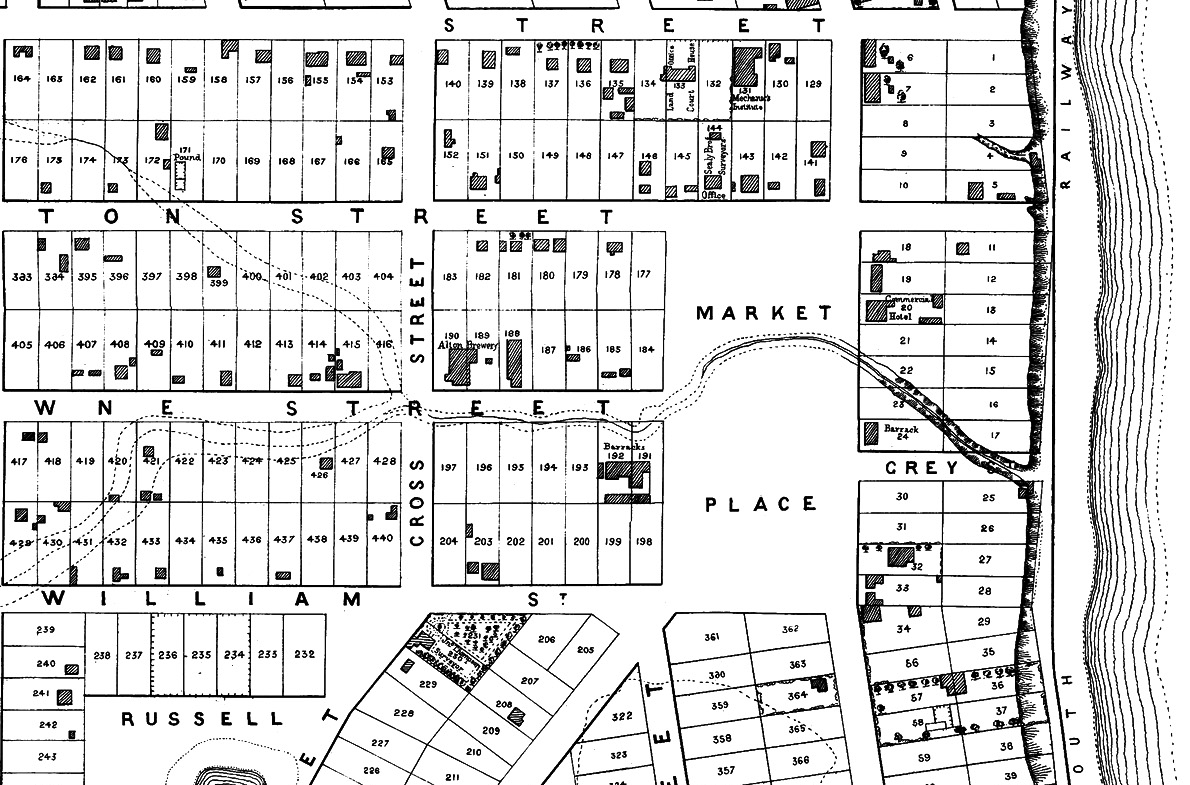
Section of 1875 Map 3000x96 Plan of Timaru Townships Canterbury Courtesy of the Timaru District Council. Two Drill sites are noted on the survey.
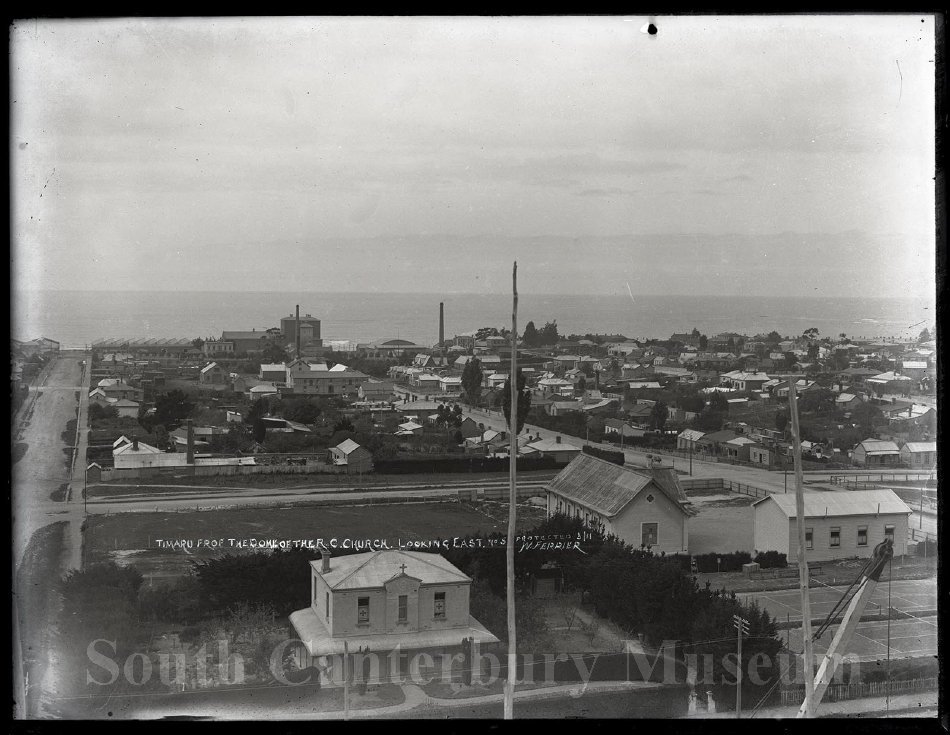
2477b Timaru from the dome of the RC Church looking east No 5 Timaru Breweries John Jackson and Co timber and coal merchants and Evans Atlas and Co mill

Drill Hall Mill Street Bruce Flour Milll Oct 1956 crop from whites aviation survey photo
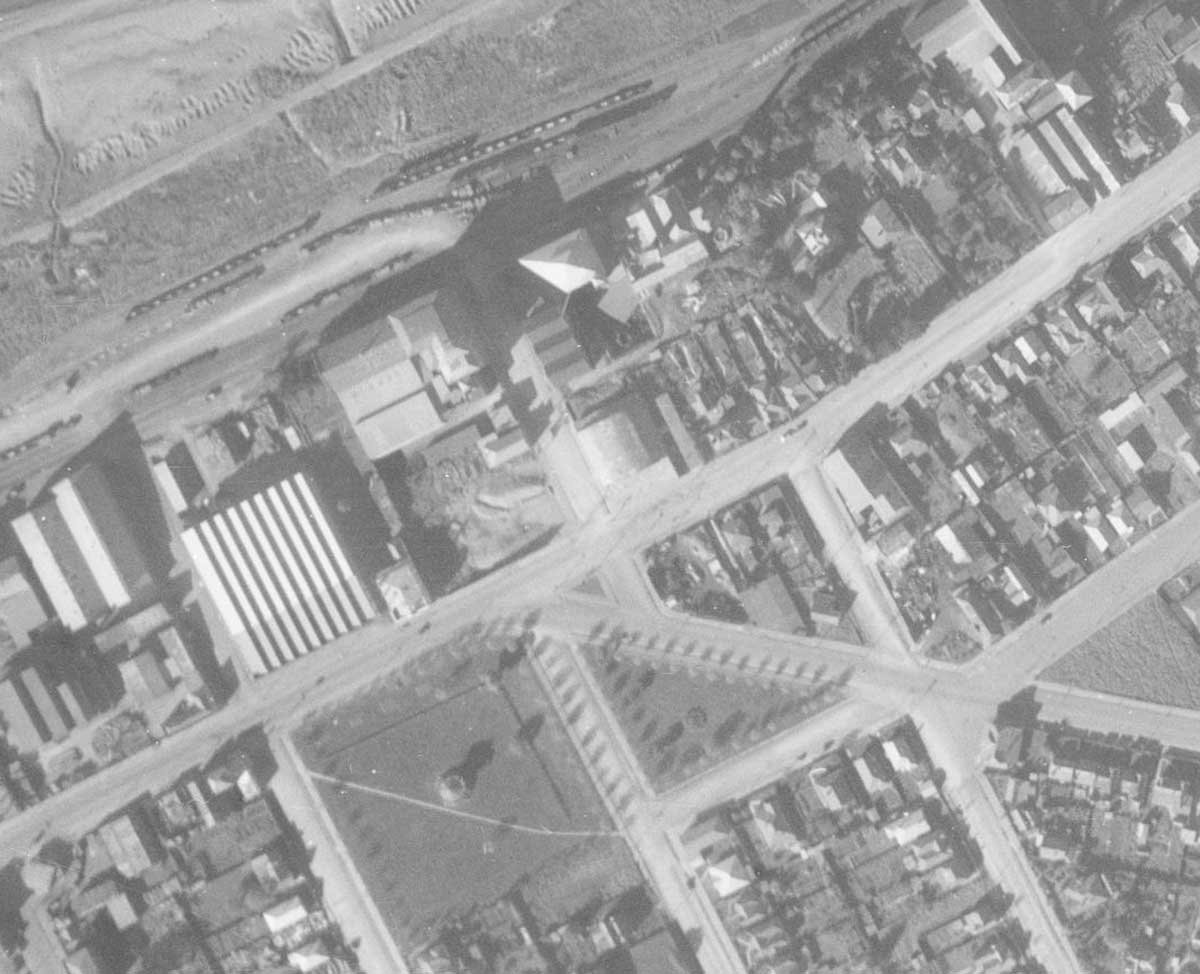
Drill shed - Retrolens 1938
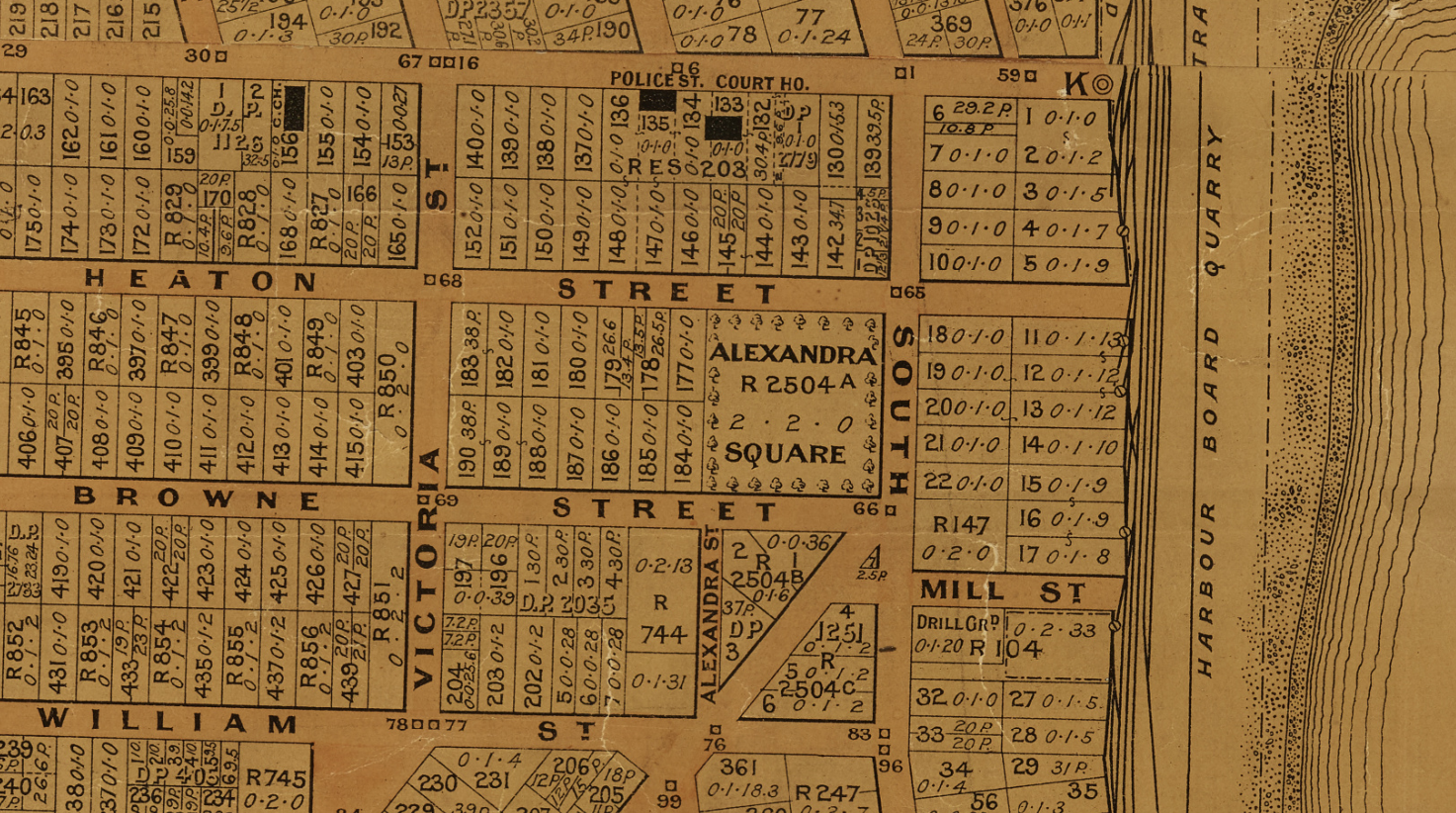
1911. Section of Miscellaneous Plans - Borough of Timaru, South Canterbury. R25538727. Borough of Timaru, South Canterbury. NZ Heritage Maps Platform, https://maps.recollect.co.nz/nodes/view/336
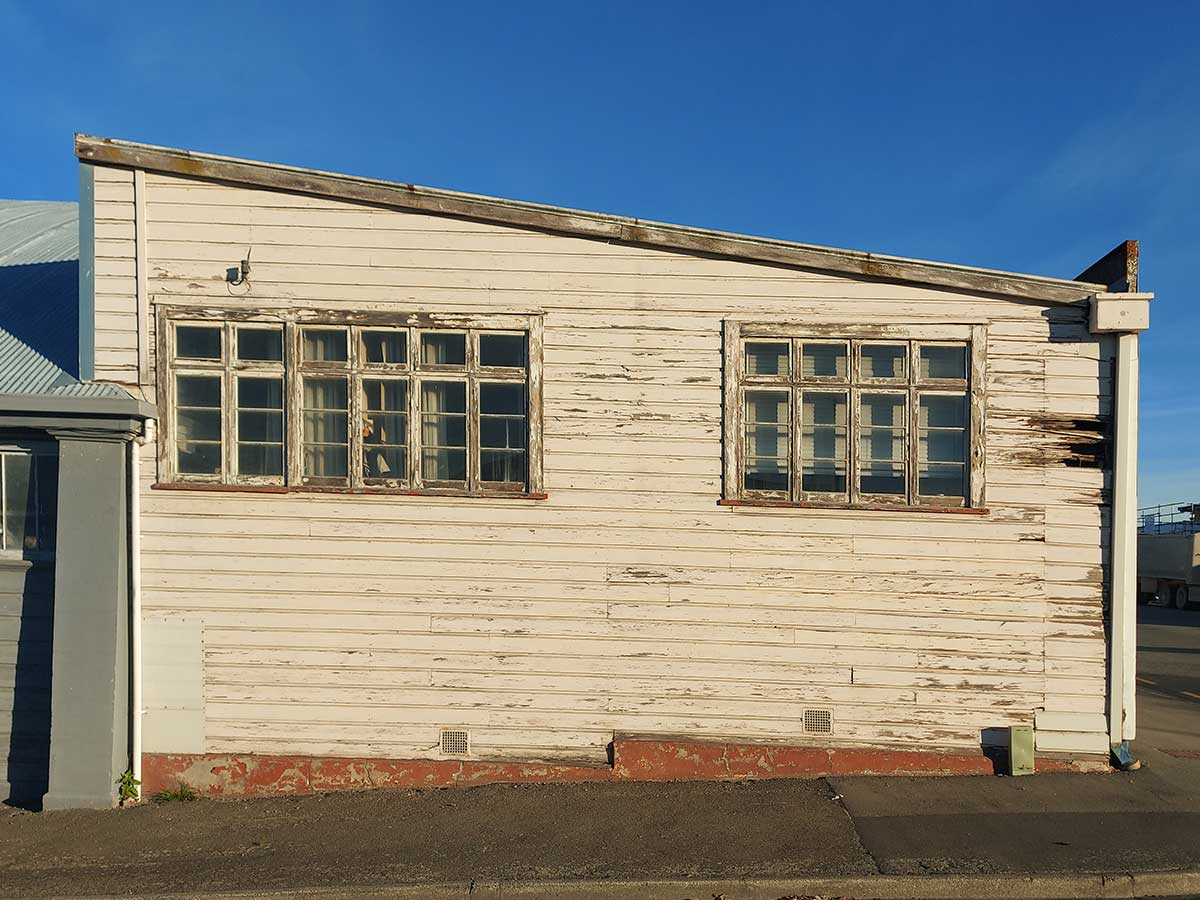
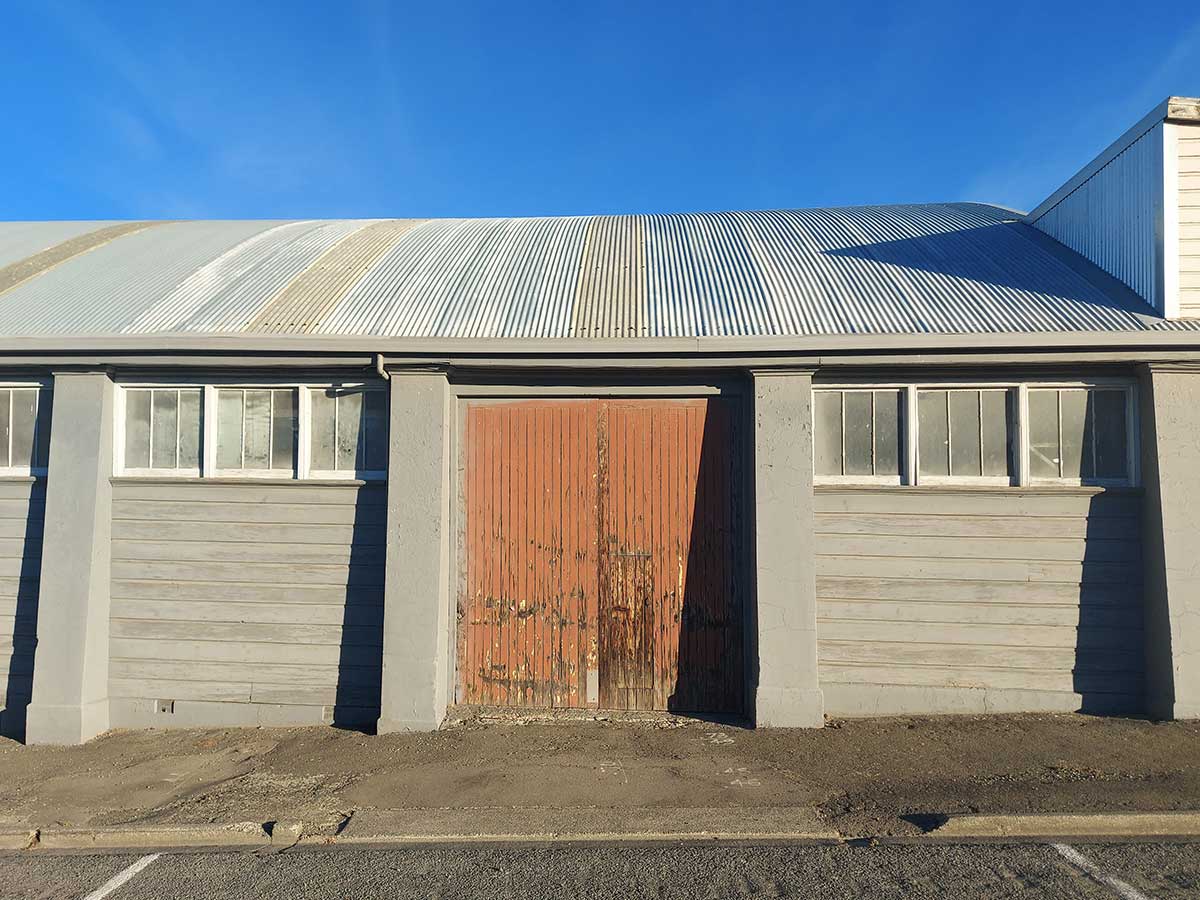
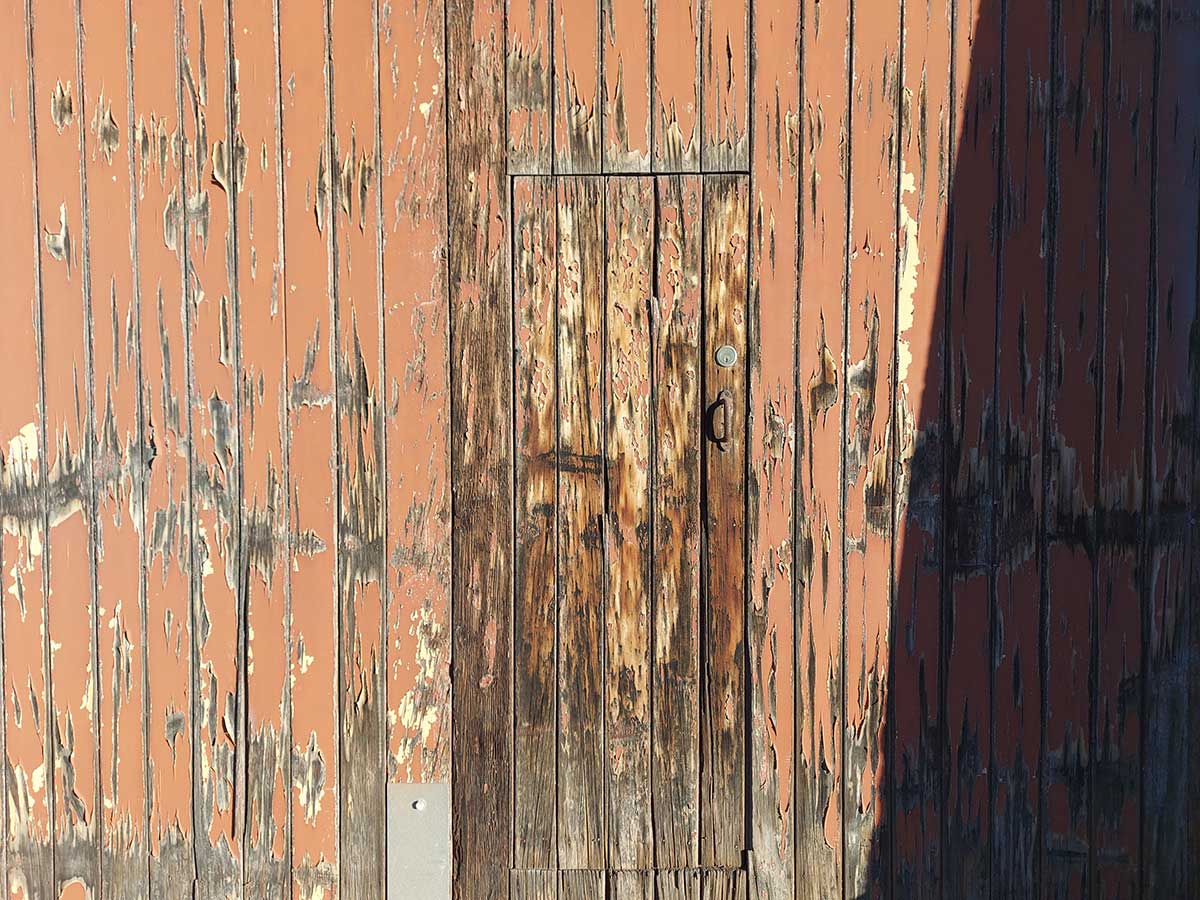

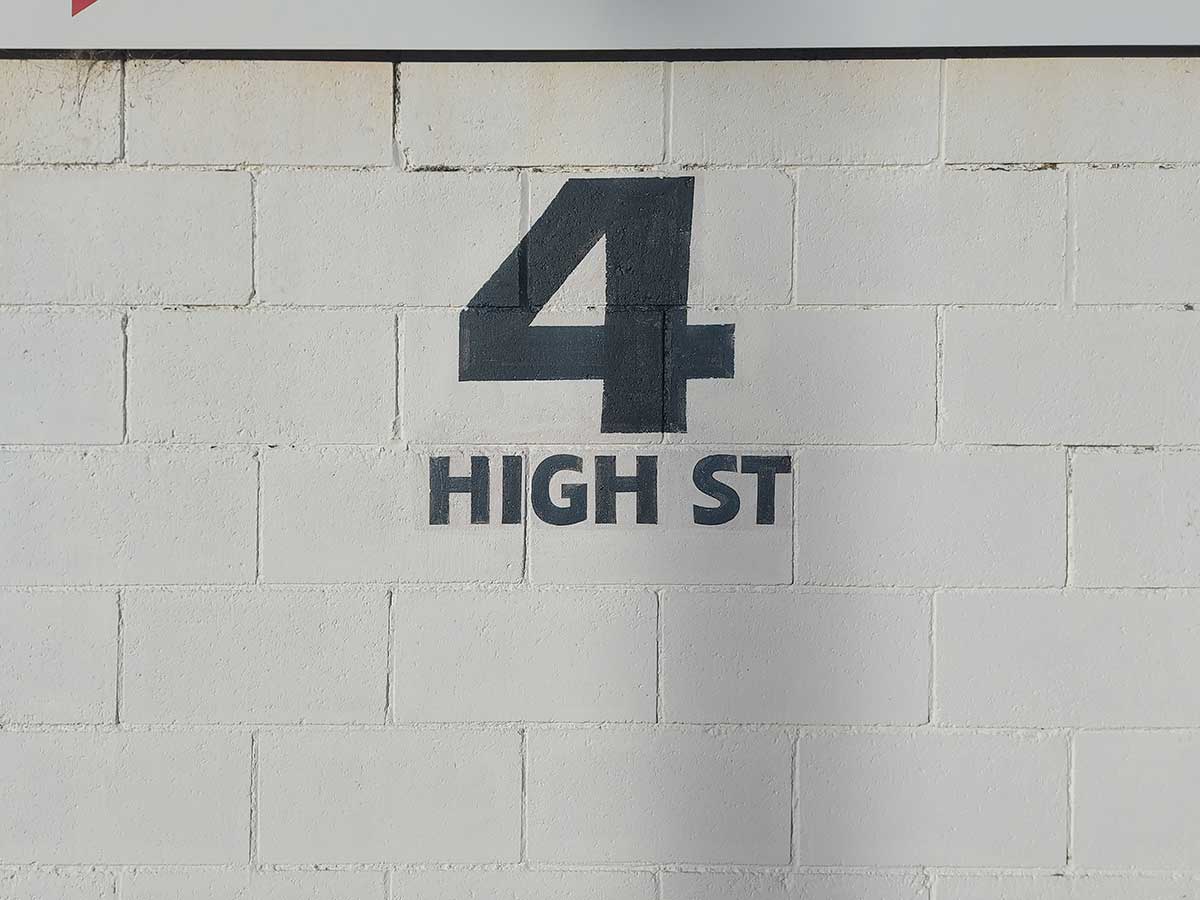
Photography by Roselyn Fauth 2026. High and Mill Streets
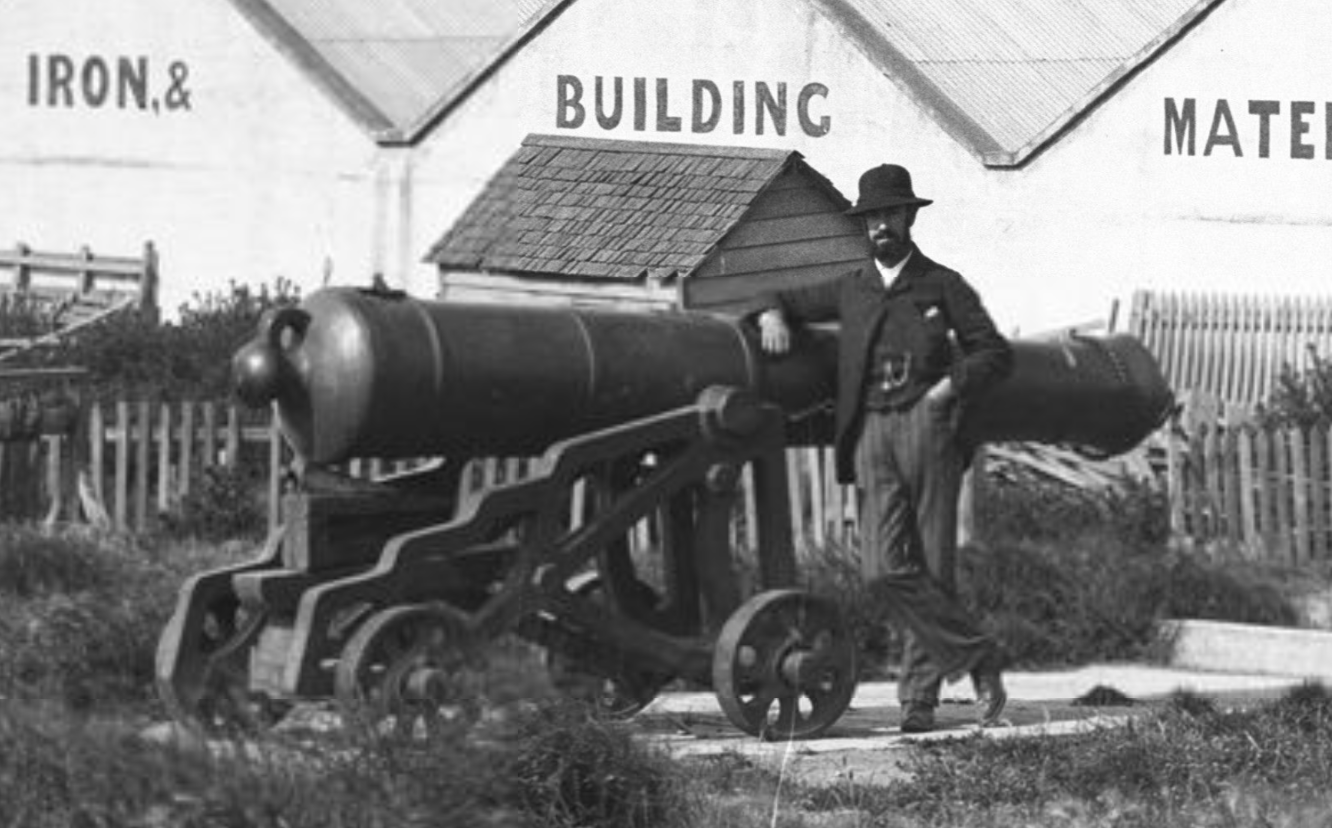
Close up of an image of a cannon infront of Bruces Flour Mill. MA_I470083_TePapa_Flour-and-Saw-Mills-Timaru_preview
Fun Facts about the Drill Hall
- Fun facts about the former Timaru Drill Hall
- The former Timaru Drill Hall was built in 1886, making it one of Timaru’s older surviving public buildings.
- It stands at 2 High Street, Timaru, on the corner area once associated with High and Grey Streets, with Grey Street now known as Mill Street.
- The hall was designed by Robert Arthur Lawson, the same architect famous for designing Larnach Castle near Dunedin.
- RA Lawson also designed several important Timaru buildings, including the Timaru Post Office, the Bank of New Zealand, and Trinity Presbyterian Church.
- The contractor was William Hall-Jones, who later became Prime Minister of New Zealand.
- The building was made for Timaru’s volunteer military groups, including the Port Guards, Timaru Rifles, and City Rifles.
- When it opened on 1 September 1886, it became the main base for local military training and activities.
- The hall was not just a big empty space. It also had club rooms for the different corps.
- Its bow-arched roof helped create a large open hall without needing rows of internal posts.
- The building was used by local military groups for nearly 60 years, from 1886 until the Defence Department moved on in the 1940s.
- In August 1914, soon after World War I began, soldiers marched from the Drill Hall to the railway station before heading to training camps and then overseas.
- The hall is connected to men who served in the South African War, World War I, and World War II.
- It was also used for community events, not just military drills.
- A celebration for the South Canterbury Jubilee, marking 1859 to 1909, was held there and attended by Premier Sir Joseph Ward.
- In the early 1900s, the hall was even hired out as an ice-skating rink.
- A lean-to addition was added to the west end in 1896 to 1897, designed by Meason and Marchant.
- The building has had several changes over time, including a later concrete block recladding on the west wall.
- The former Drill Hall has a historic connection with the Timaru Troopers’ Memorial, which once stood nearby on the west side of High Street.
- The Troopers’ Memorial was installed in 1904 and remained near the Drill Hall until 1926.
- After the Defence Department sold the building, it was used by JK Mooney & Son, wool buyers.
- The building remained in light industrial use when the heritage record was prepared.
- Because the Drill Hall was built before 1900, its site may have archaeological value.
- Its style is described as military vernacular, which means it was practical, purposeful, and suited to its military use rather than highly decorative.
- The building is recognised as a Heritage Category B item.
- The Drill Hall tells more than a military story. It also reflects Timaru’s civic life, community gatherings, changing uses of public buildings, and the way one sturdy old hall can hold many layers of local history.
Source: https://www.timaru.govt.nz/__data/assets/pdf_file/0005/673907/Historic-Heritage-Assessment-Report-HHI85-Former-Timaru-Drill-Hall-Category-B-NEW.pdf

Military parade, High Street, Timaru "In the left background the Drill Hall, built in the 1870s, is visible, as is the distinctive John Storrier & Co building at the centre rear of the image." - https://timdc.pastperfectonline.com/photo/949CE16E-44F9-4231-9236-072976474138
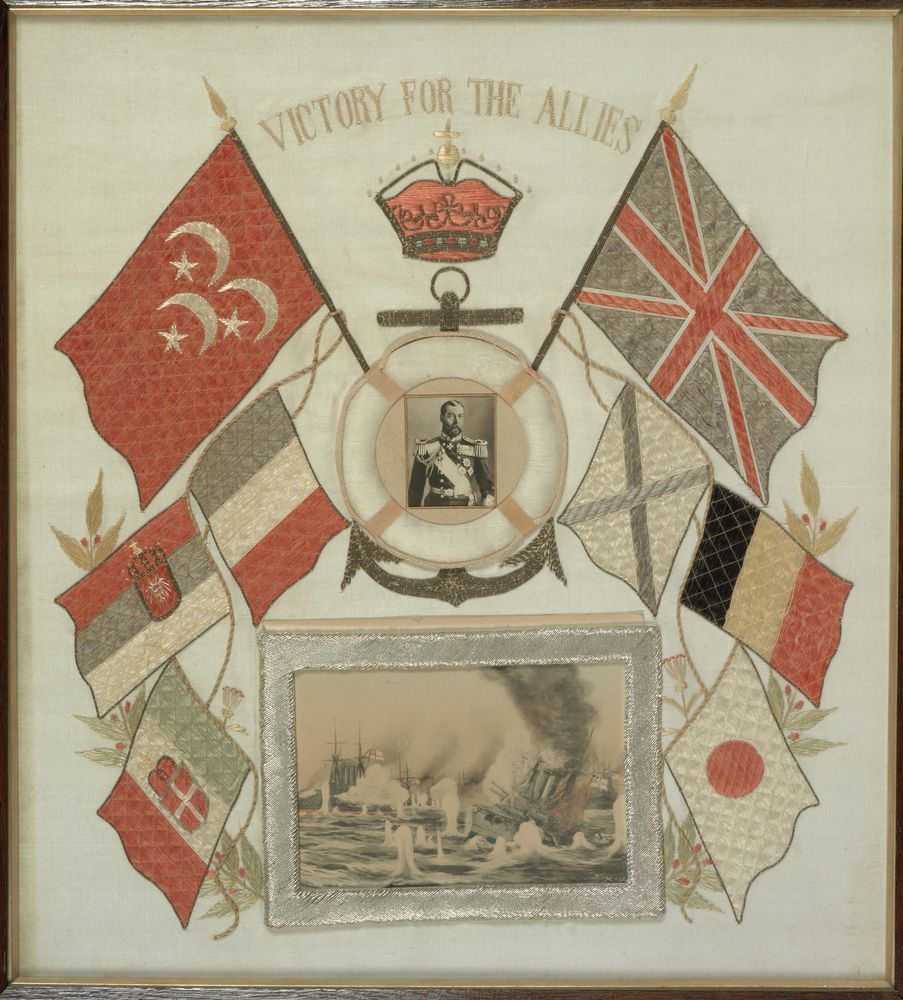
Embroidered picture 'Victory for the Allies', 1914-1918, maker unknown. Purchased 2007. CC BY-NC-ND 4.0. Te Papa (GH015797) https://collections.tepapa.govt.nz/object/776190?page=1&rtp=1&ros=1&asr=1&assoc=all&mb=c

Demolished Olympia Theater and former drill hall - South Canterbury Musuem

Demolished Olympia Theater and former drill hall - Photo Roselyn Fauth
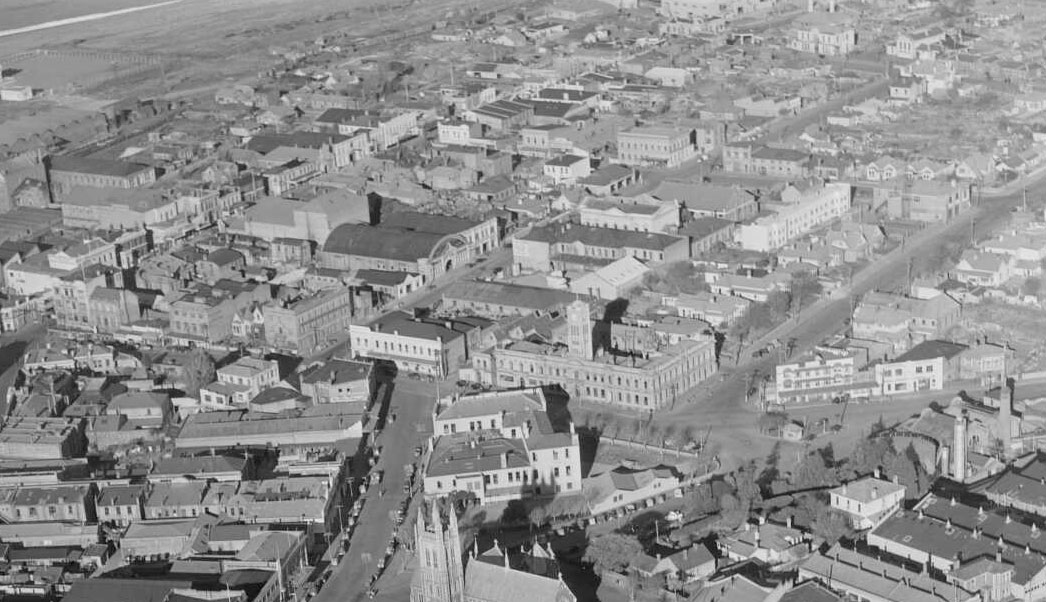
1951 Drill Hall Barnard St Timaru-National Library 669600
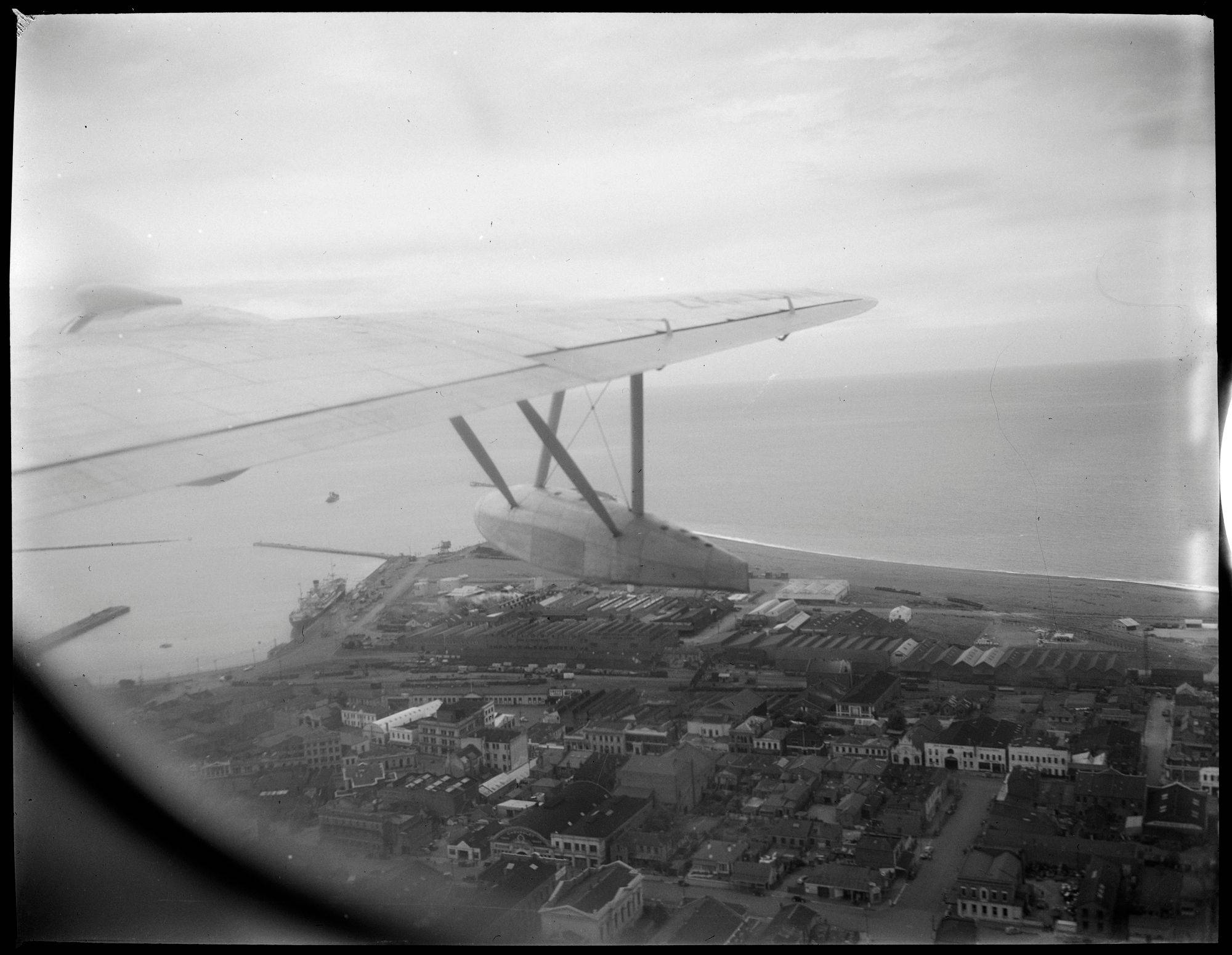
Barnard Street Drill Hall can be seen in the center near the bottom of the photo with the big arched roof. This was a debut flight of Ararangi, Timaru, 1949. Aerial view of Timaru, looking east towards the Port, with Stafford Street (left to right, centre), Woollcombe Street (bottom right). Taken during the one-day tour of New Zealand in the new Solent flying boat Ararangi." October 1949, NZ Herald image. Auckland Libraries Heritage Collections 1370-U023-11