Colonial Timaru developed around two settlements: Rhodes Town, north of North Street, and Government Town, to the south.

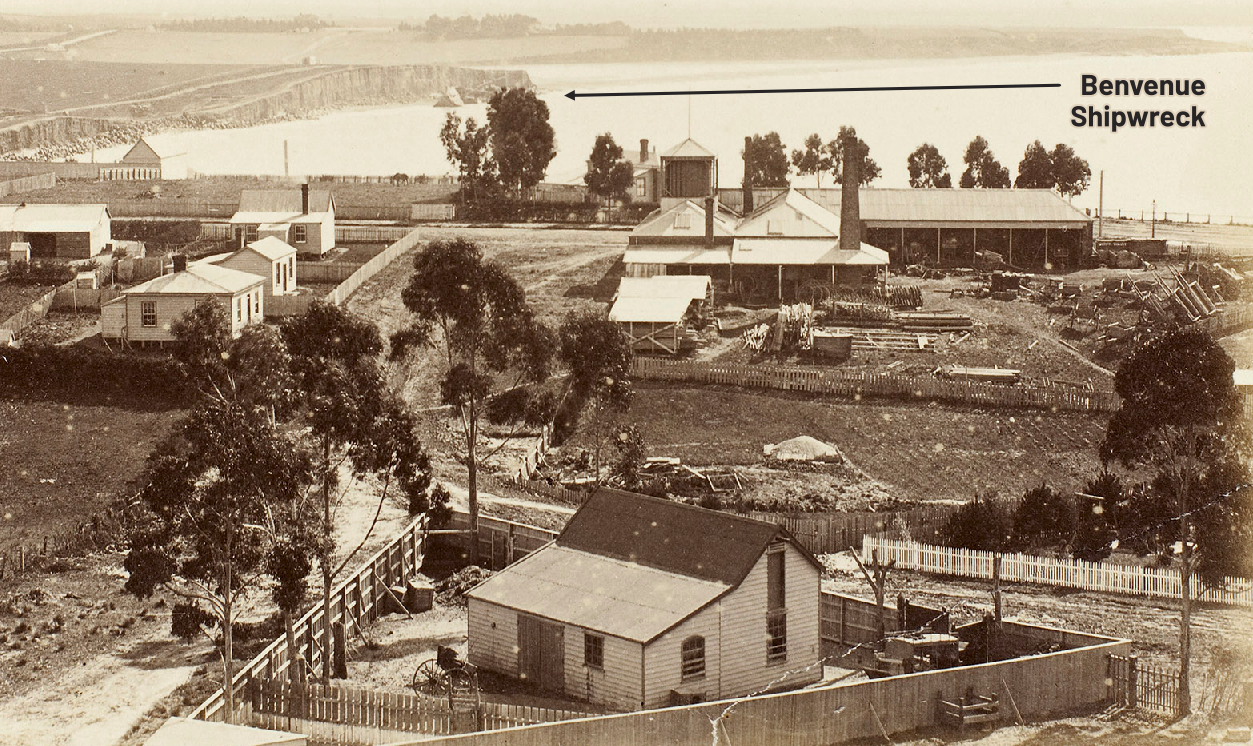
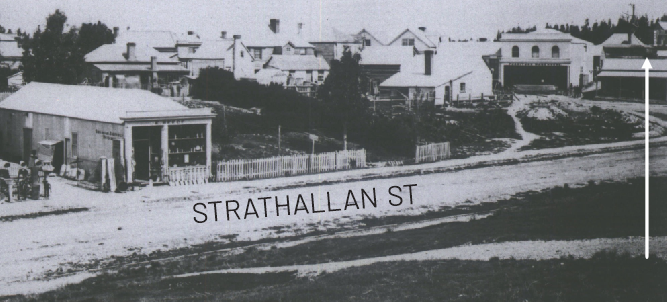
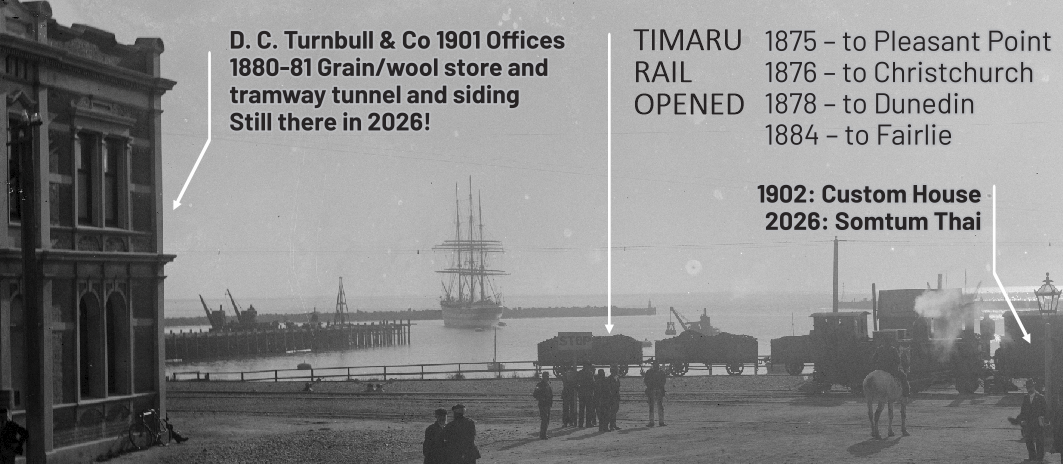
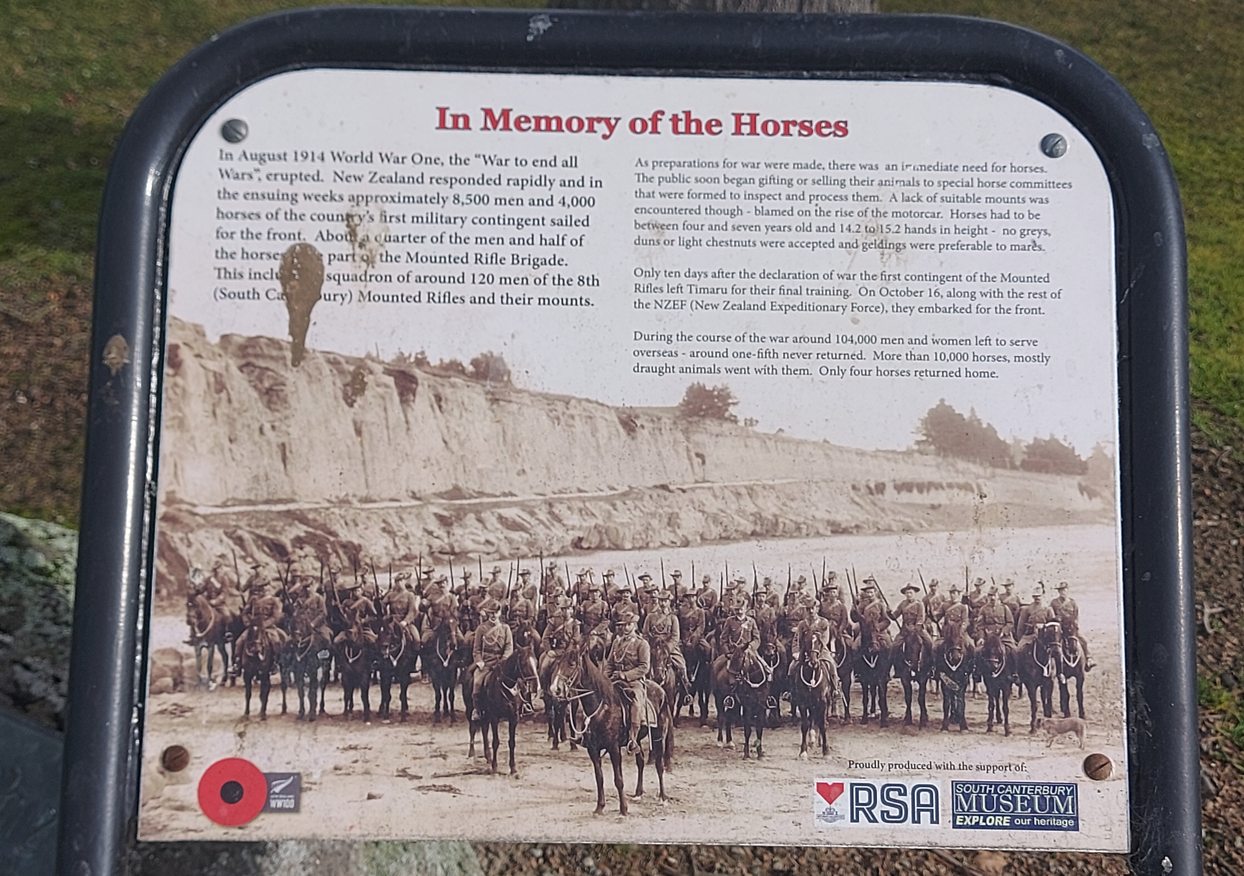
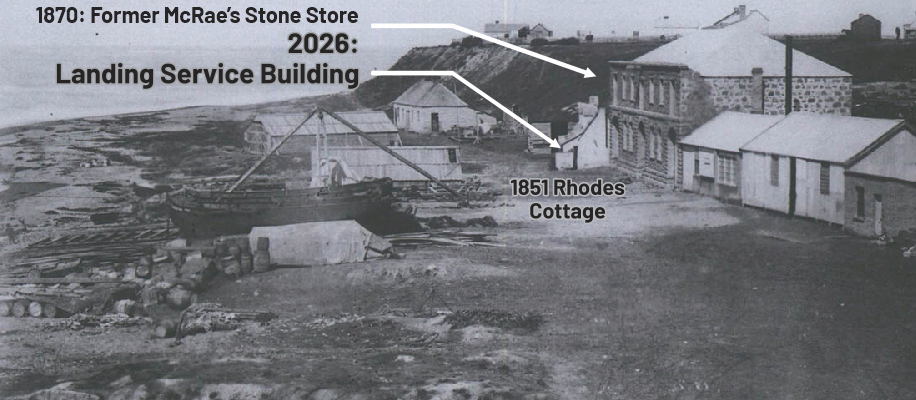
Rhodes Town grew around the landing place near the bottom of George Street. Before Timaru had a harbour, surfboats carried people and supplies between shore and ships anchored offshore, while wool and other produce travelled out in the opposite direction. Horses were a vital part of connecting those landing services with the farms and stations beyond the town.

The Rhodes brothers were among the major early landholders. In 1855, James Mackenzie was caught with about 1,000 sheep missing from their Levels Station. He denied stealing them, but was convicted. Less than a year later, after concerns were raised about the investigation and trial, he received a free pardon. 

Another little piece of Timaru history happened nearby. The first edition of the Timaru Herald was printed in the kitchen of the George Street cottage on 11 June 1864.

These stories sit within the wider horse-powered history mapped through the hunt.


Follow the horse and you can follow the town

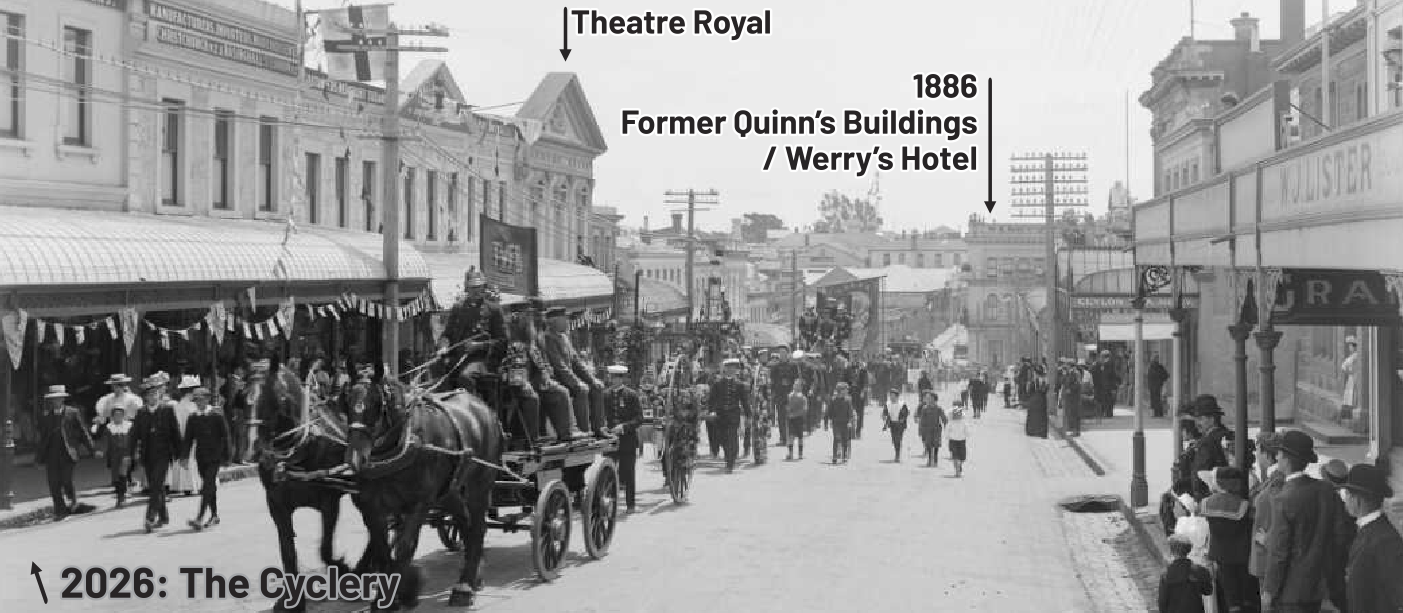
By the 1870s, Timaru had businesses specifically serving horses and the people who relied on them. James King’s Timaru Horse Repository hired out horses and buggies, provided livery and feed, and broke horses for saddle and harness. Saddlers supplied leatherwork. Ironmongers sold tools and equipment. Hotels advertised stabling. Carriers shifted goods around town and out into the district.

Timaru Borough Council was even regulating passenger vehicles and public carriers before there were motorcars filling the streets. The vehicles simply had horses attached to them. That is one of the things I find fascinating about this story. A street we now associate with cars was already a busy transport corridor. The technology changed, but the basic questions stayed the same.

How do we move ourselves, our goods and our produce from one place to another?


The streets start changing

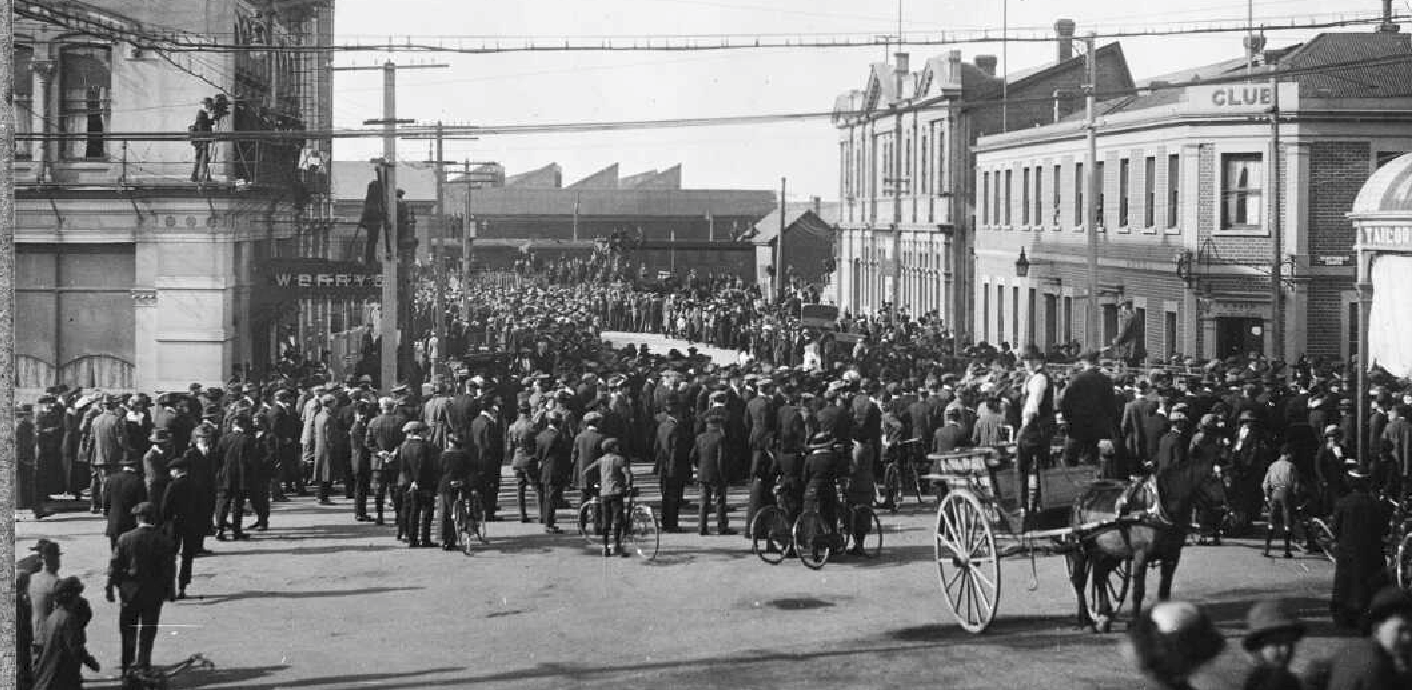
Horses did not disappear the moment somebody invented a car. For a time, Timaru’s streets were a mixture of technologies. Horses and carts shared space with bicycles. Railways connected the district. Then motor vehicles began to arrive.

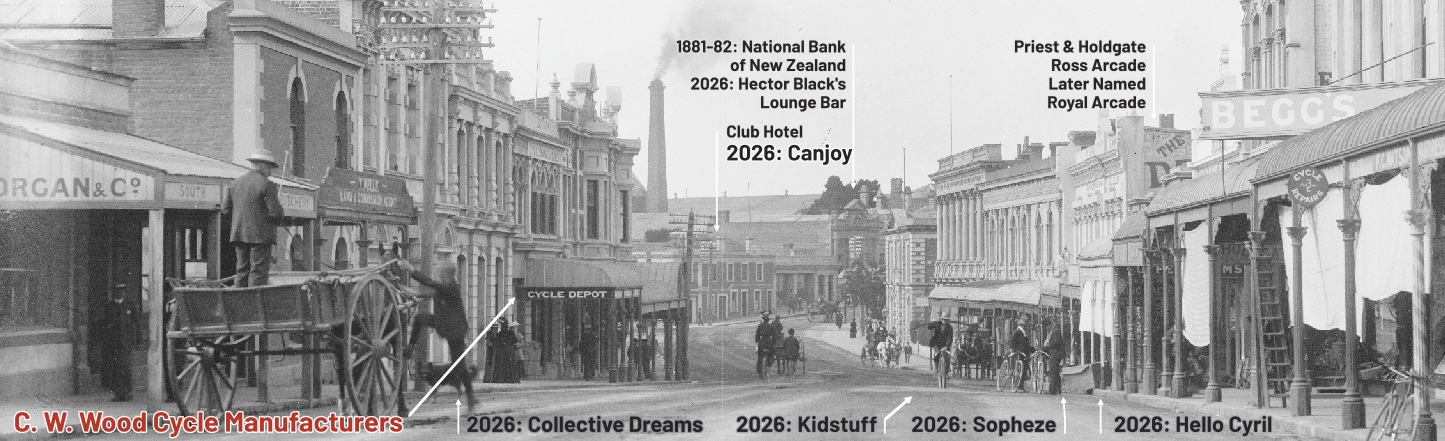
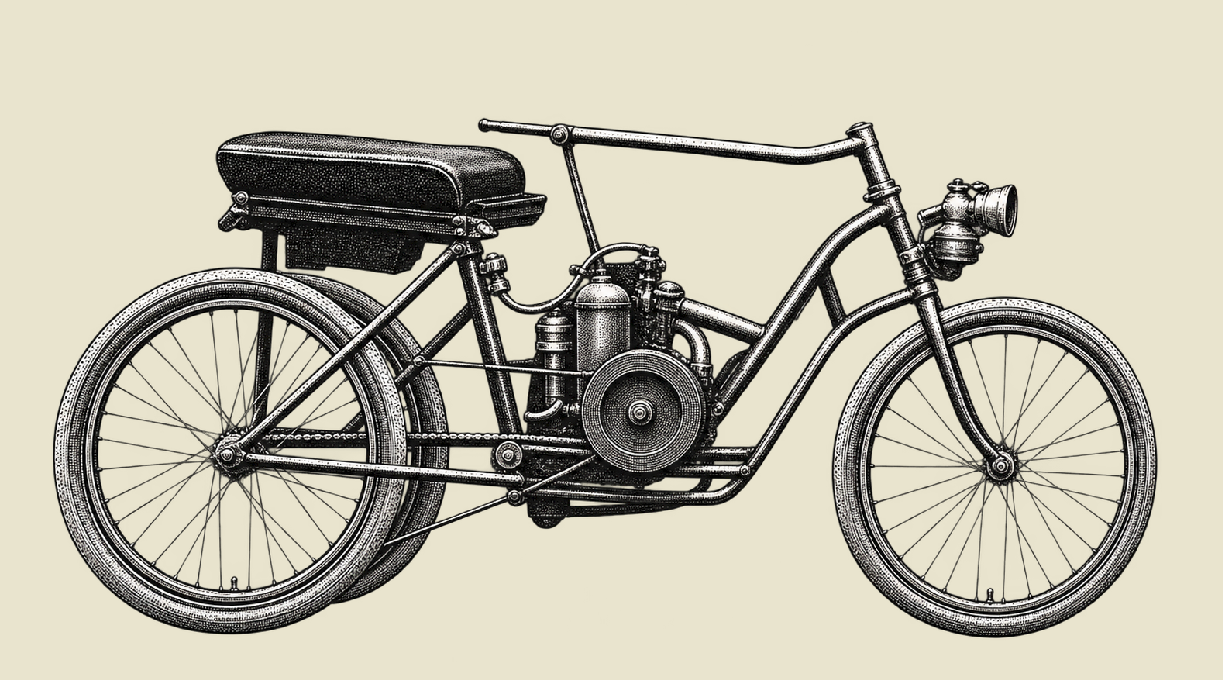
Timaru cycle manufacturer and inventor Cecil Wood was part of that change, building an engine-powered three-wheeler that ran in Timaru in 1901. Over time, motor vehicles took over many of the jobs horses had once done.

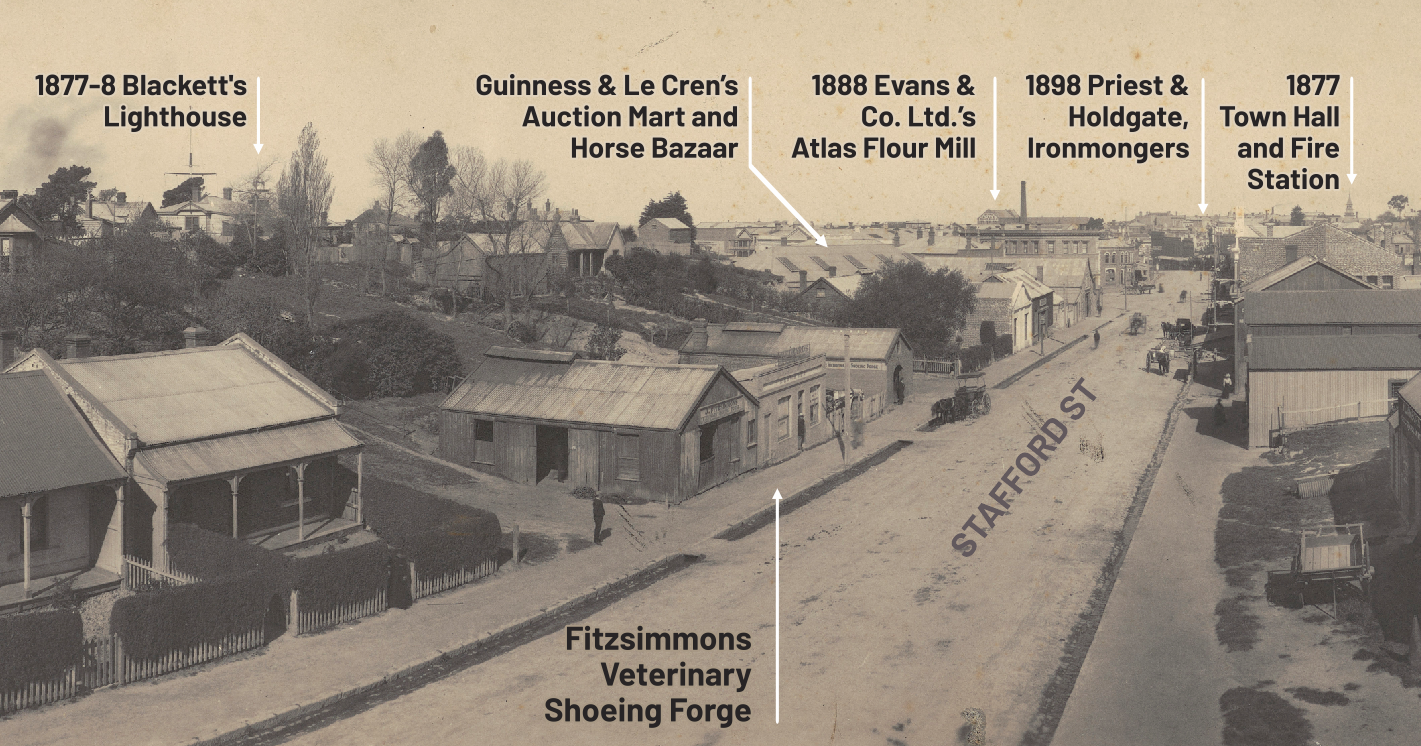
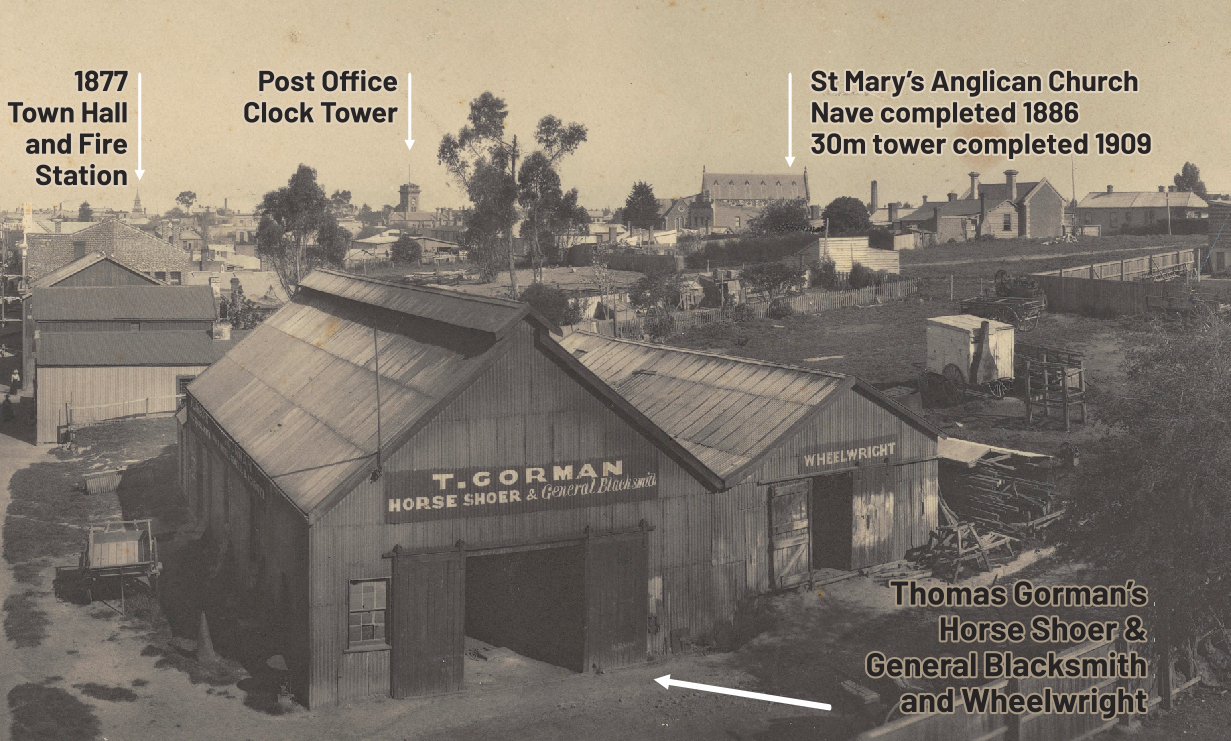
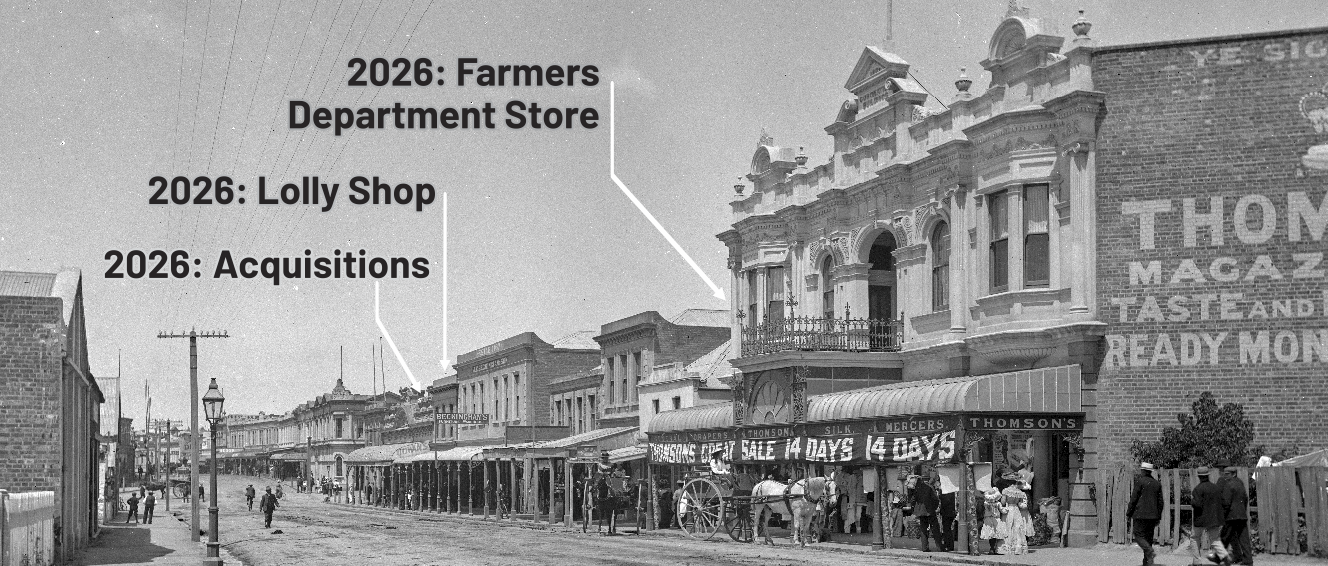
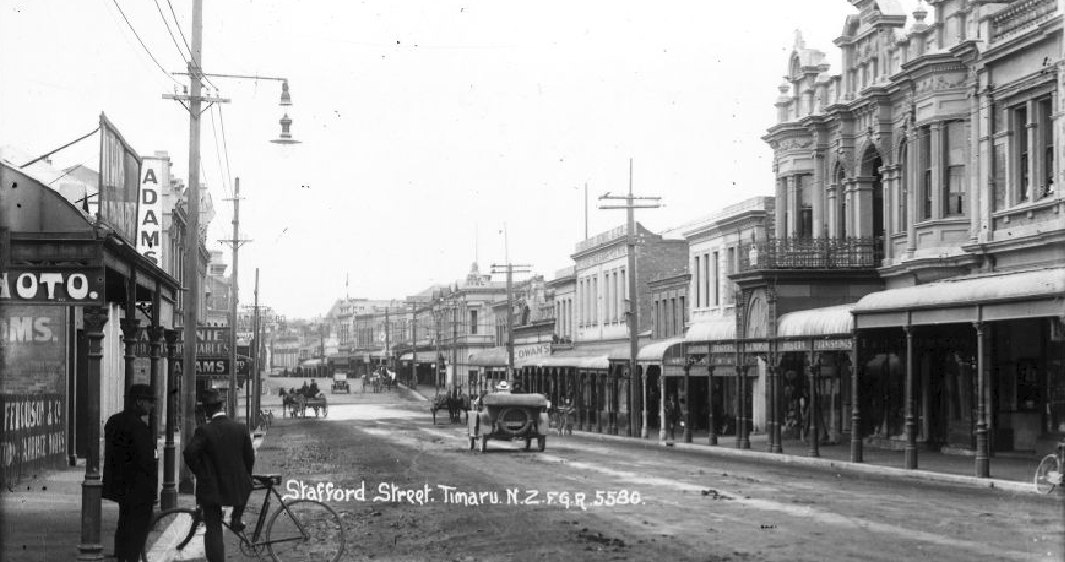
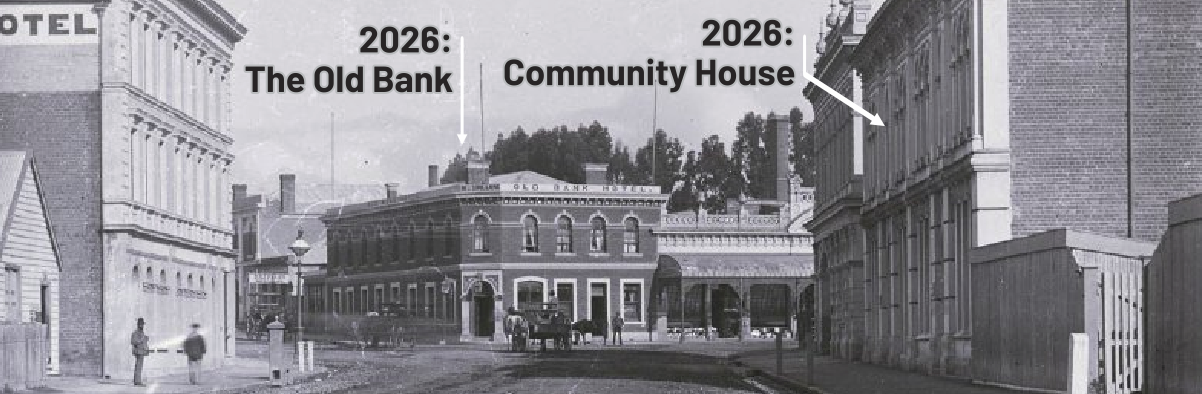
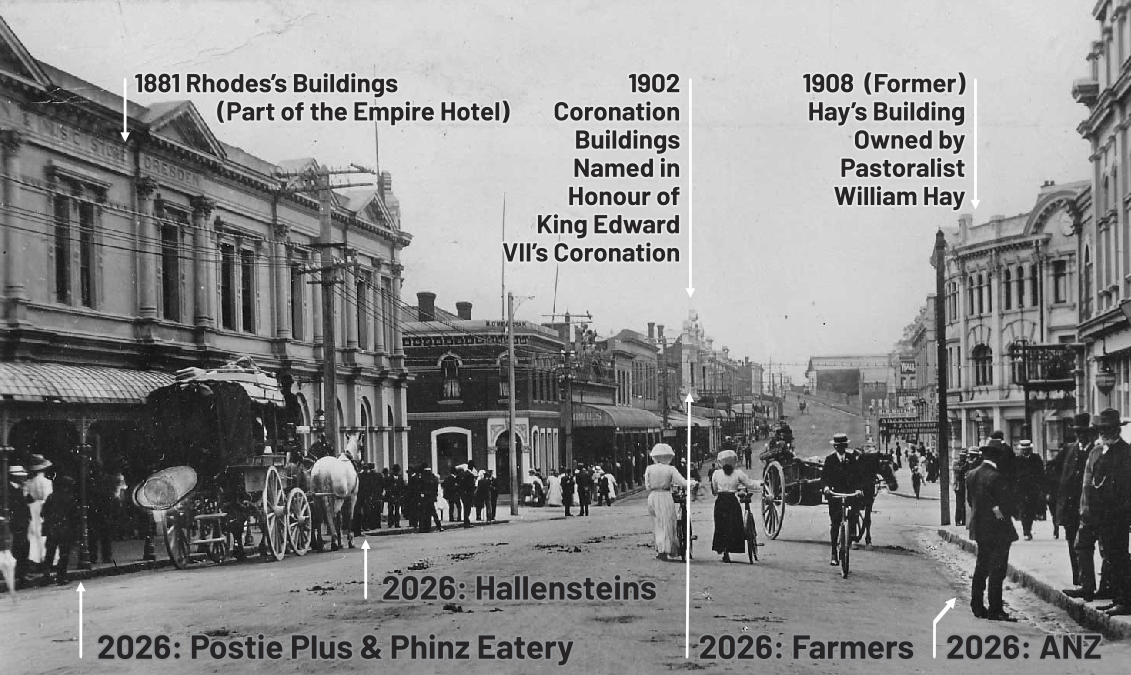
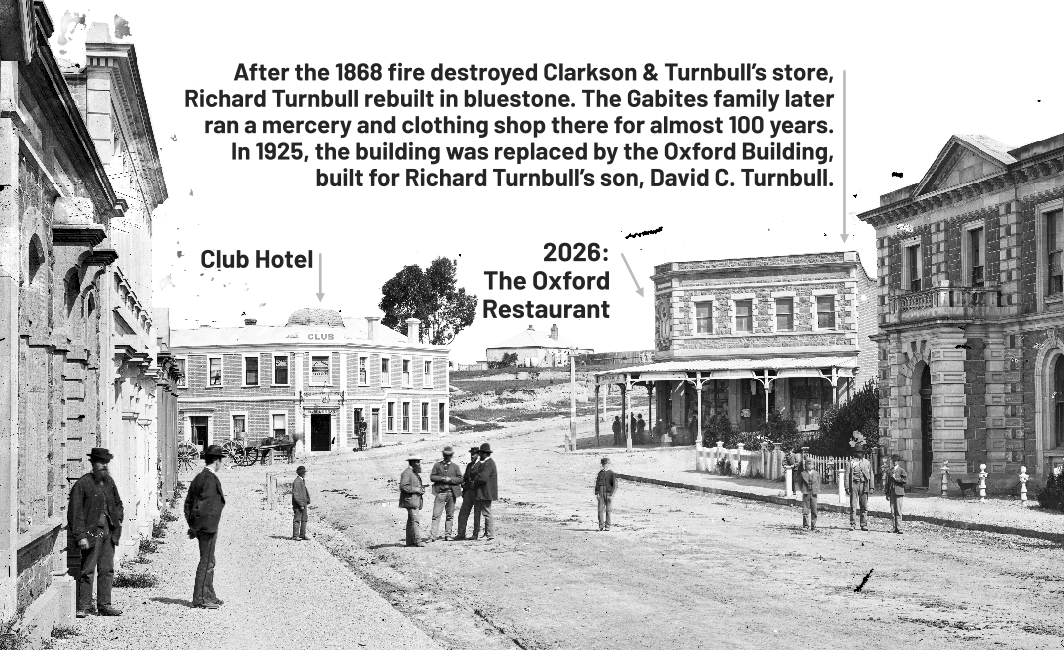
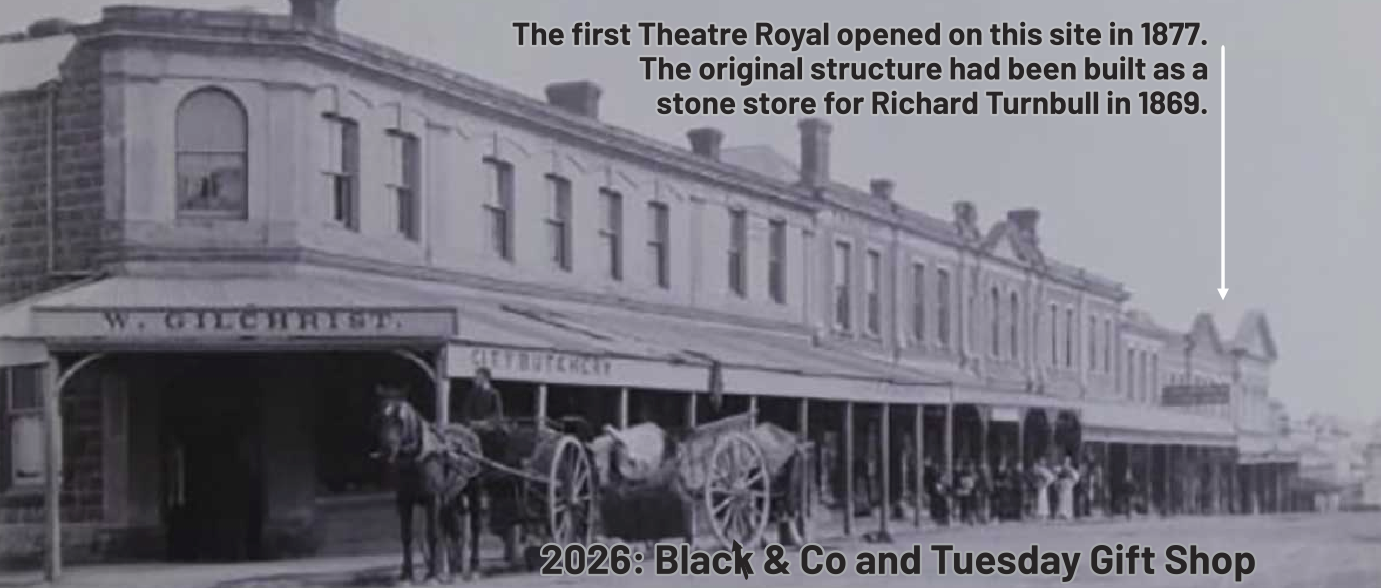
Businesses changed... buildings changed, and the way people used the CBD changed. But the horse didn’t disappear. And you can still find traces of that transition in the buildings and stories along Stafford Street today.


South Canterbury knew horses

This was the world Phar Lap was born into. People still rode horses, worked them on farms, bred them, trained them and raced them.

Horse knowledge was part of everyday life. Our school histories give little glimpses of this too. Timaru Girls’ High School had a horse paddock that was converted into a playing field in 1926, and horsemanship later appeared in school competitions.

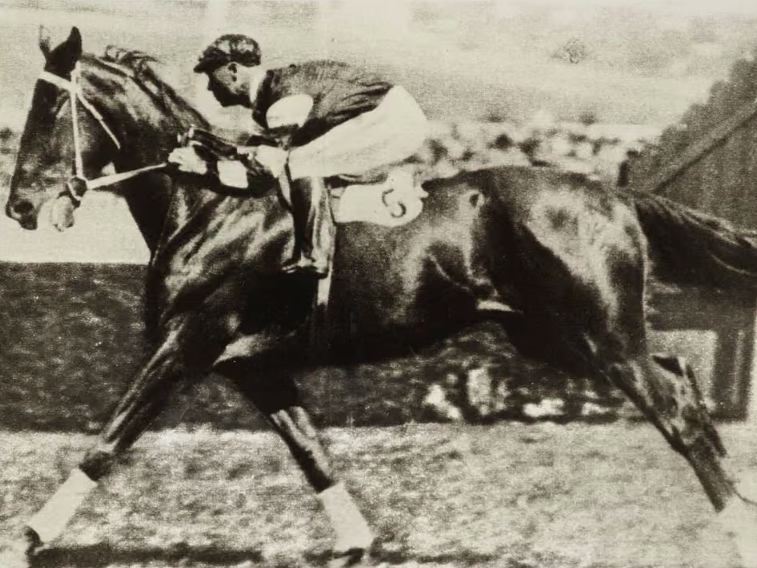
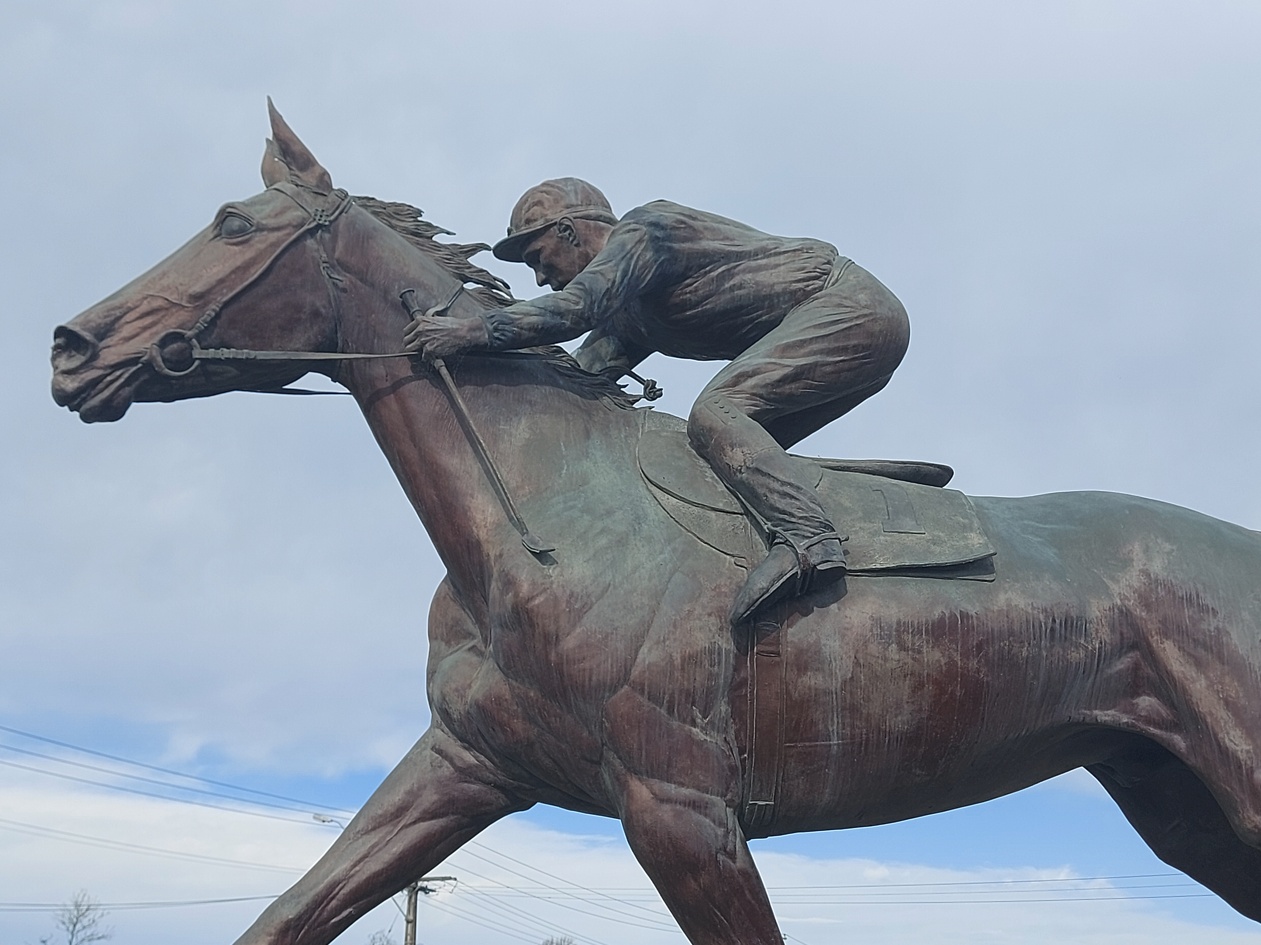
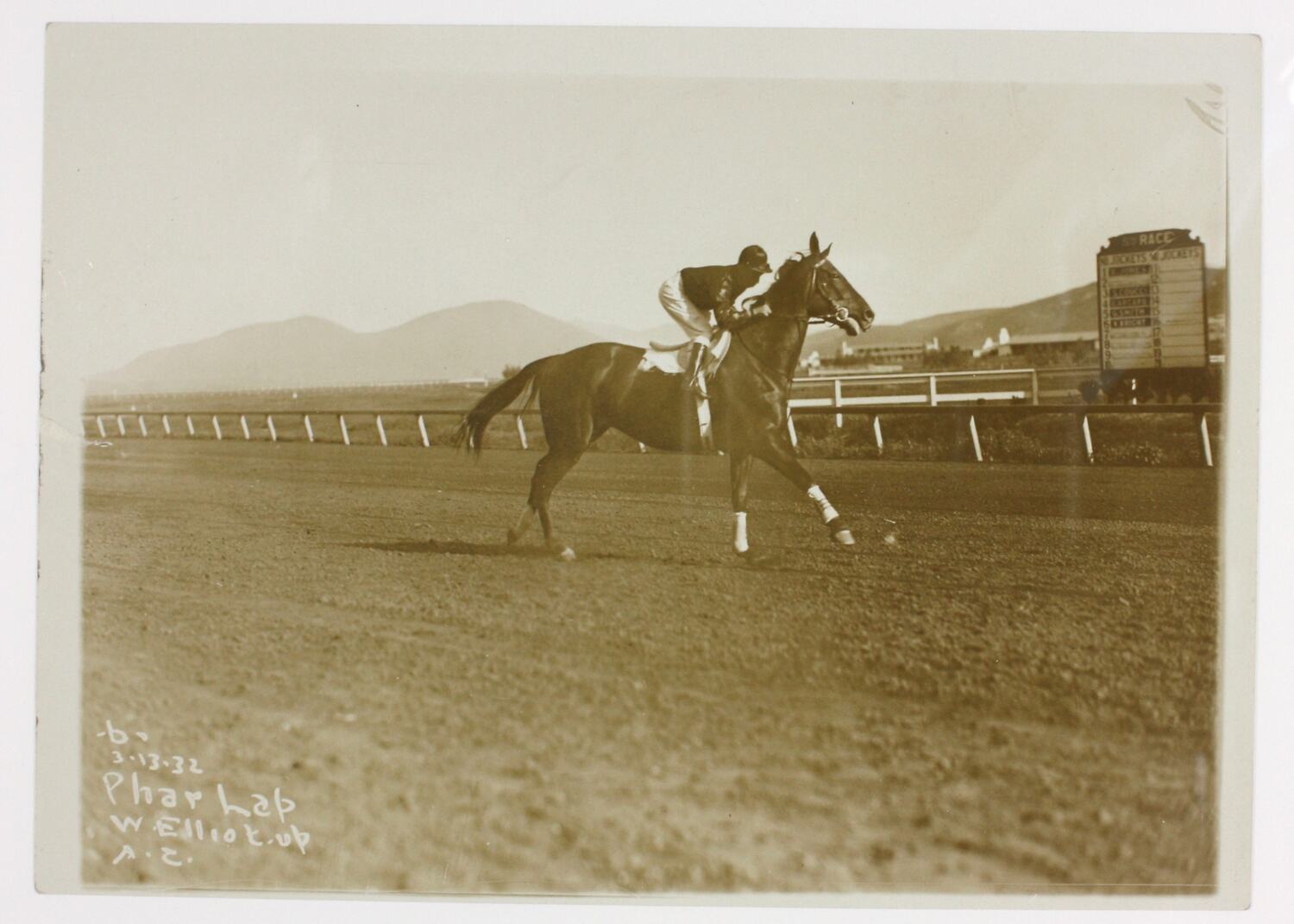
Horse racing was part sport, part social occasion and part test of generations of breeding and training. A racehorse needed speed, stamina, temperament and the ability to perform under pressure. Trainers and jockeys had to understand how to bring out the best in them. Then, on 4 October 1926, a chestnut colt was born at Alexander Roberts’ Seadown Stud near Timaru. His name was Phar Lap.


Why Phar Lap?

This was the question that sent me down the rabbit hole. Plenty of racehorses have come and gone over the past century.

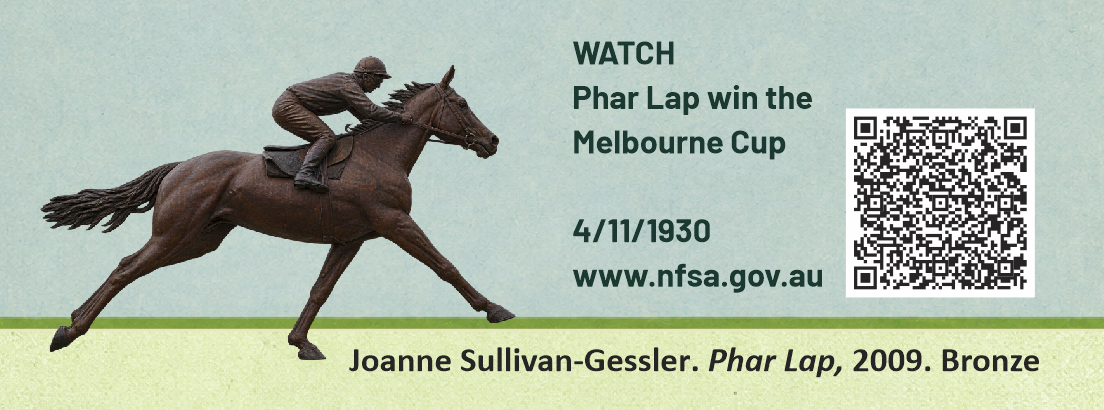
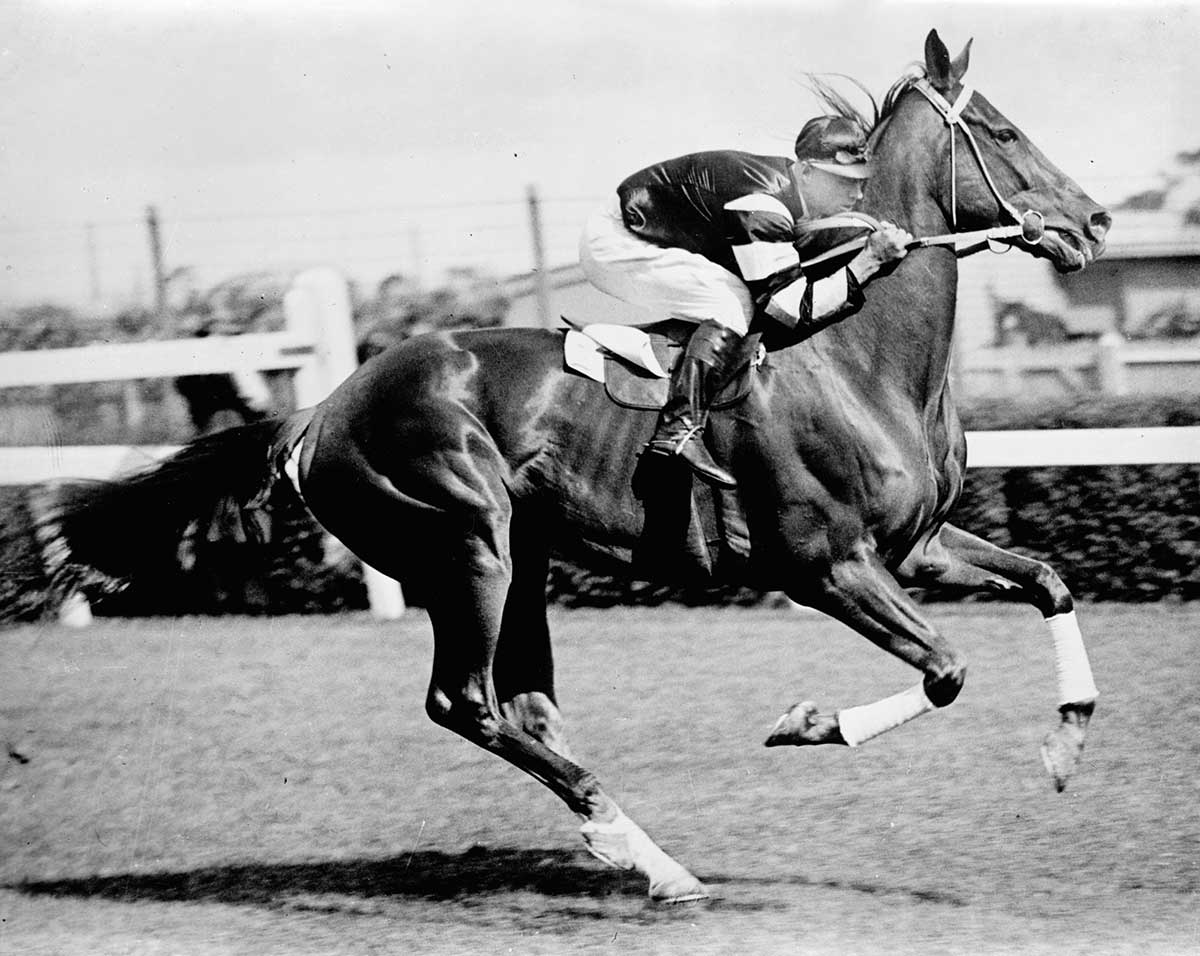
So why are people still travelling to Timaru to celebrate this one? Phar Lap went on to win 37 of his 51 starts, including the 1930 Melbourne Cup, and became one of Australasia’s most famous racehorses.

But his story became bigger than his racing record. He lived at a time when newspapers could turn sporting figures into household names, radio could carry the excitement of a race far beyond the racecourse, and film allowed people to actually see him run. Then came his sudden death in California in 1932.

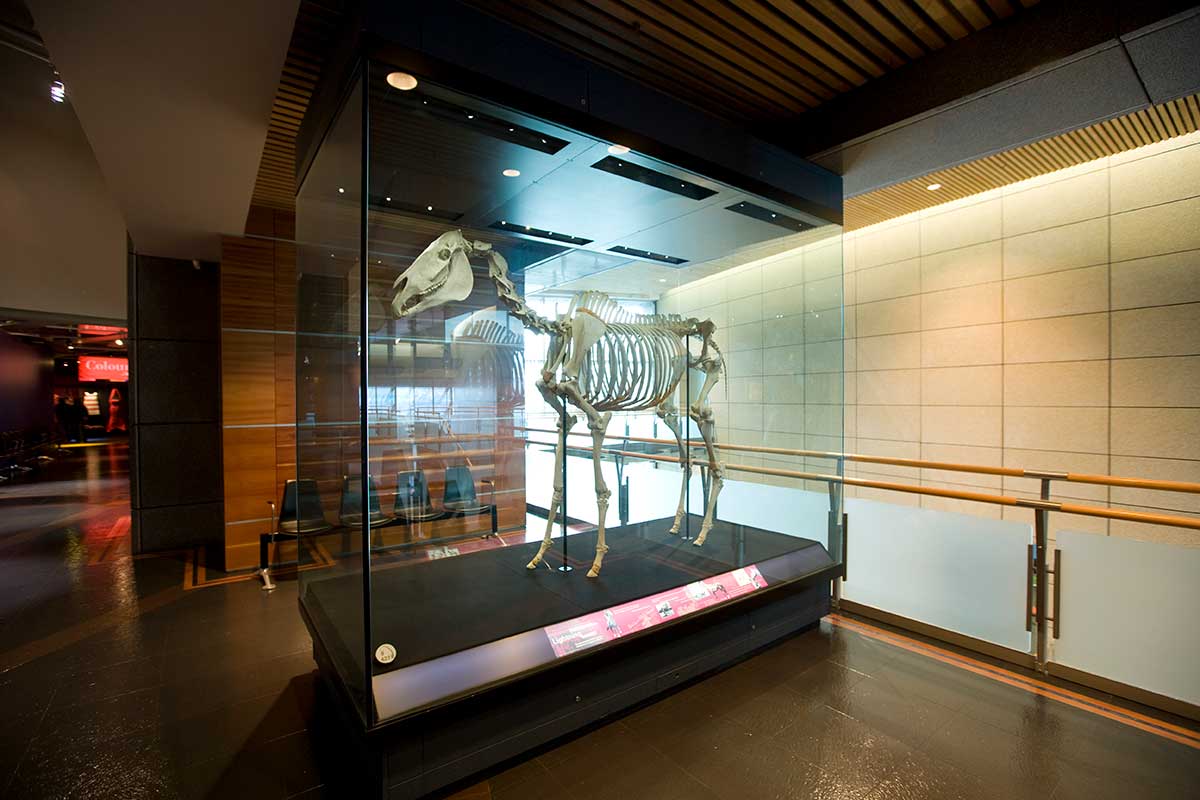
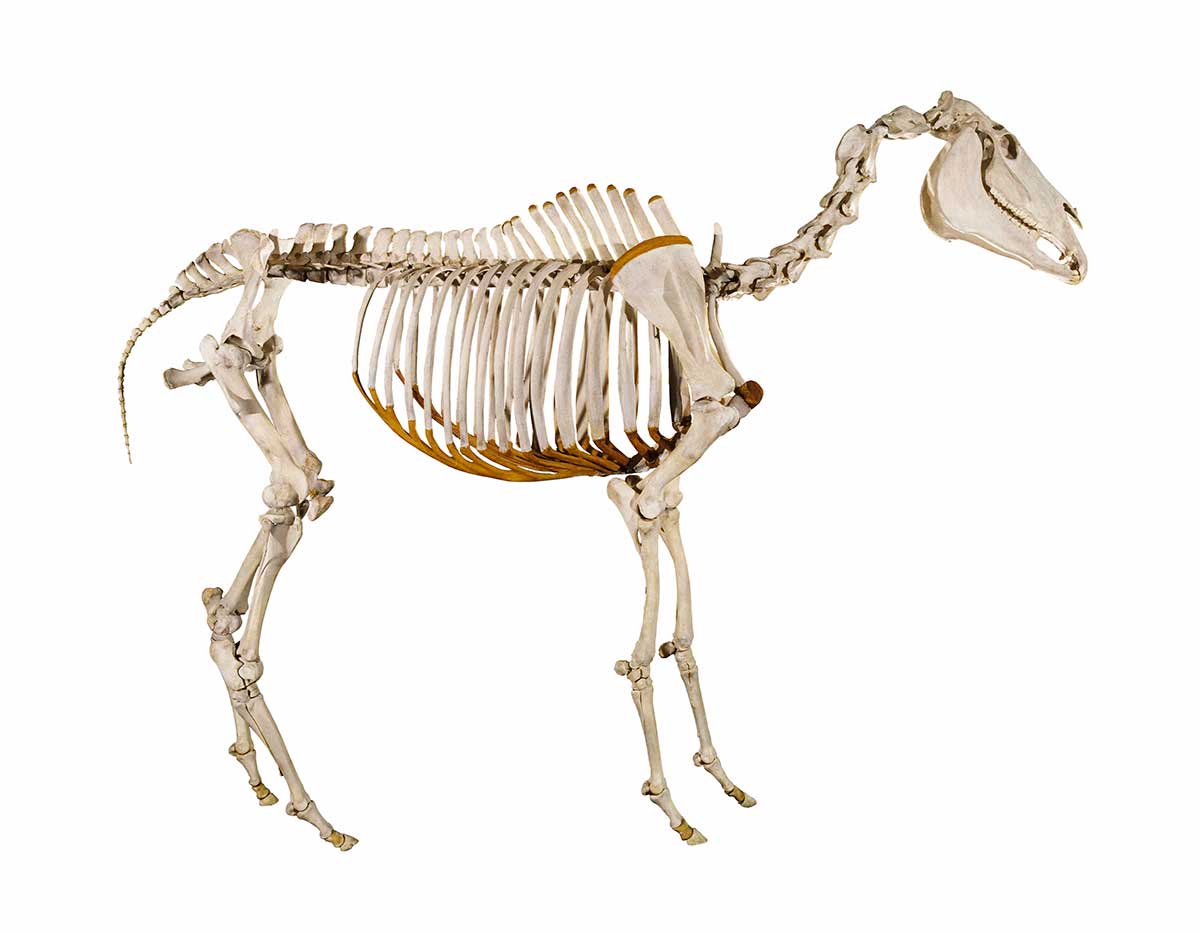
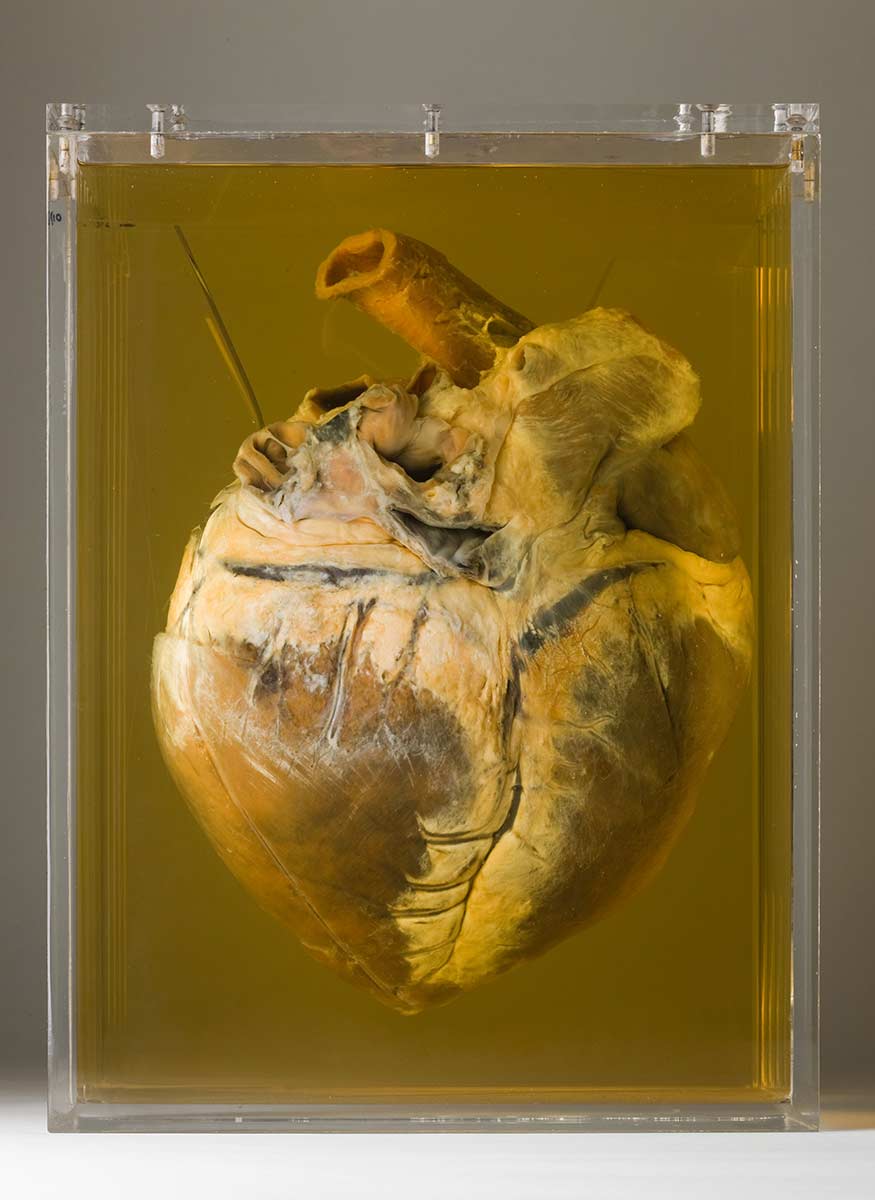
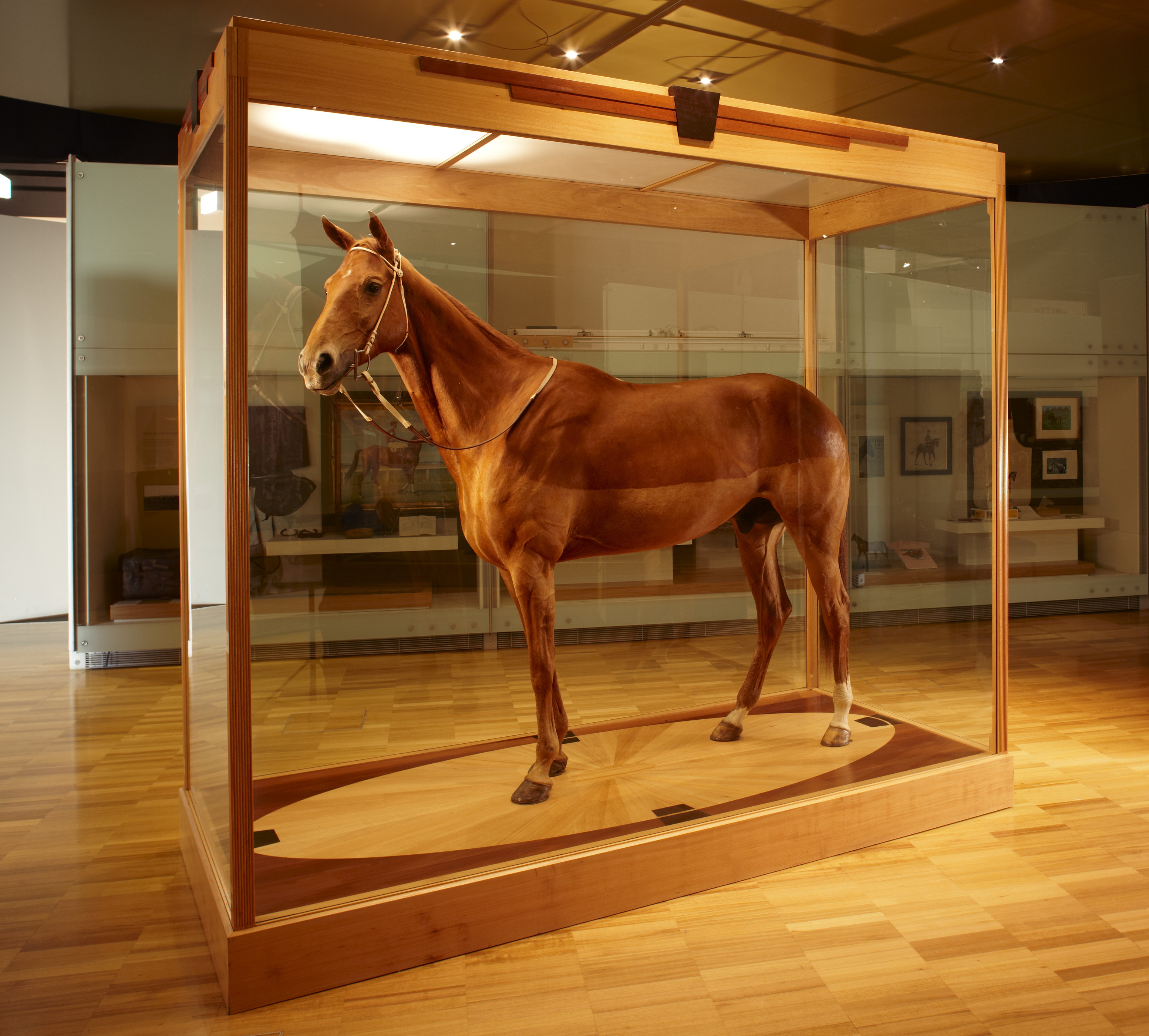
Today pieces of Phar Lap’s story are held across three countries. His skeleton is at Te Papa in Wellington, his heart is in Canberra and his mounted hide is in Melbourne.

But his story began here... in South Canterbury.


Follow the horse

That is really what this project is about. Not just Phar Lap, or even racing. It is about using the horse as a thread through the history of Timaru. Follow it and you find farmers, shopkeepers, blacksmiths, saddlers, carriers, inventors, school pupils and racehorse trainers. You find changes in technology, transport and business.

You start to understand why the CBD developed the way it did. And perhaps you start noticing familiar buildings and streets differently. 

That is the bit I love.


Explore it for yourself

The Horse History Hunt brings those stories together in one A3 trail through Timaru’s CBD. You can walk the whole thing, explore a few stops at a time, or simply use it as a guide to look more closely at places you might normally walk or drive straight past. Because once you know what to look for, the clues are still there. And next time you travel along Stafford Street, imagine it without the traffic... long before the cars arrived, you would have heard hooves.

What can horses tell us about how Timaru’s CBD developed? Quite a lot, as it turns out.... Early Timaru depended on horsepower.

Horses carried people, pulled carts and wagons, shifted goods, worked farms and stations, and helped connect inland South Canterbury with the coast.

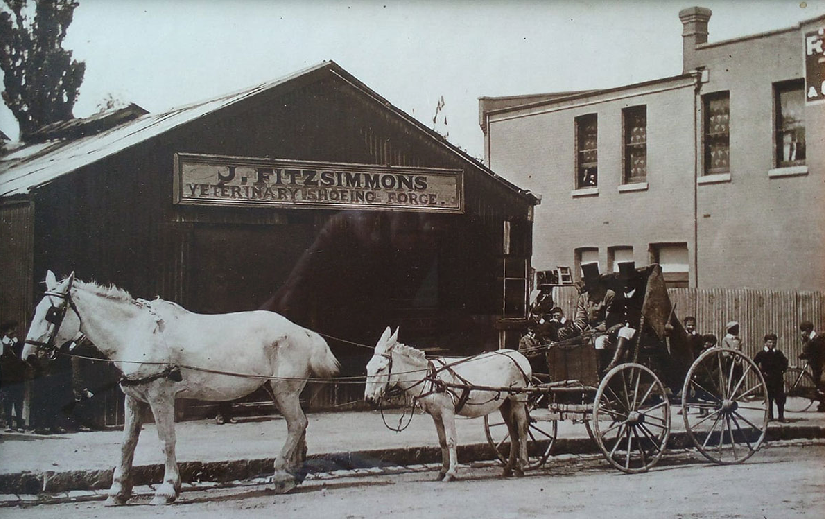
Once you start looking for them in old photographs, they seem to be everywhere. They are outside shops. At railway stations. Pulling delivery carts along Stafford Street. Carrying riders into town. Waiting beside businesses.

An entire economy developed around keeping horses, and the people who depended on them, moving. There were blacksmiths, saddlers, carriers, stable keepers, feed merchants and businesses hiring out horses and vehicles.

The finished Horse History Hunt traces many of those stories through the CBD.


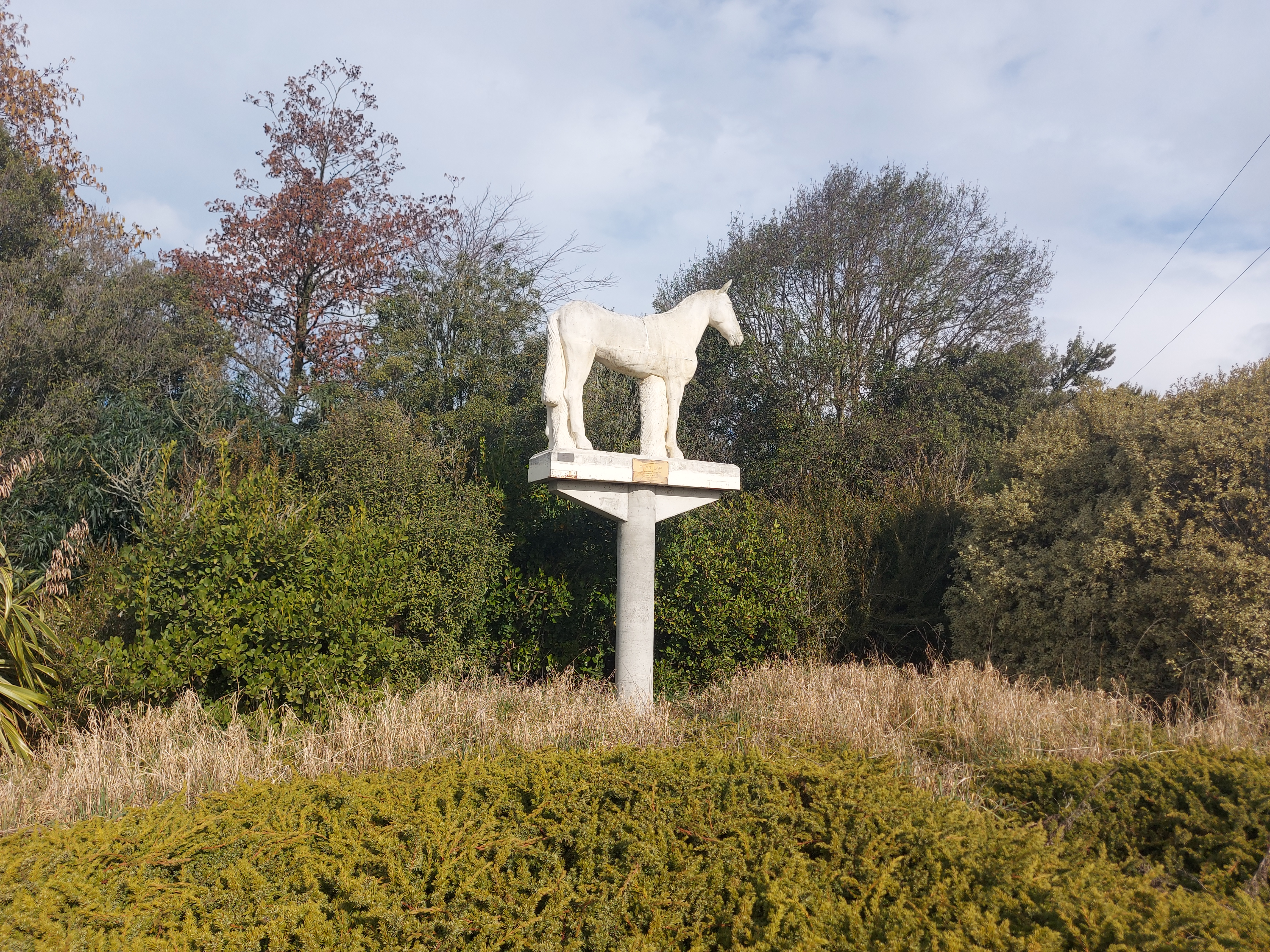
Find the horses. Follow the stories.

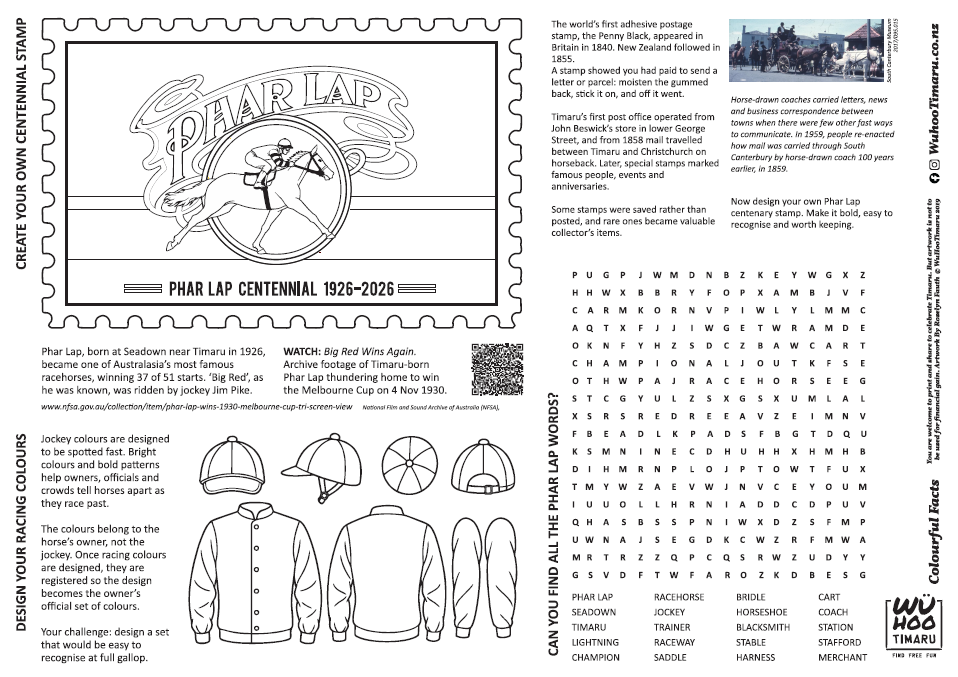
The Phar Lap Horse Hunt runs through Timaru’s CBD from 26 September to 11 October 2026, right across the school holidays.

Pick up an entry sheet from Kidstuff, 170 Stafford Street, or Hobbylords, 278 Stafford Street.

Then head into the CBD and find seven decorated horses. Each one holds a secret letter. Find all seven letters and crack the code.

There are also 16 Story Stops in participating Exchange businesses. Each shares a different story about Phar Lap, horse racing or Timaru’s horse heritage. Visit all 16 and you’ll receive a bonus entry in the prize draw.

You don’t need to finish the hunt in one day. Take your time, come back another day and explore the CBD at your own pace. Completed entries need to be returned to Kidstuff or Hobbylords by 4pm on 11 October 2026.

And right in the middle of it all is the Phar Lap Centennial Race Meet, on Sunday 4 October at Phar Lap Raceway.

When you drive through Timaru’s CBD, you probably don’t stop to think that these streets were once dominated by hooves, horses and carts, rather than cars... I hadn’t really thought about it either.

A few months ago I was chatting with Tim Black, behind Black & Co, Tuesday and Hector Black’s, when he made me realise just how important horses were to Timaru’s early CBD, and how we can still see the impact of horsepower more than a century later.

The idea of creating a horse-themed scavenger hunt had been brewing away for a while, and I’d made a few attempts to get one off the ground. So when Karen from The Exchange asked if I could lend a hand around the celebrations marking Phar Lap’s 100th birthday, I jumped at the chance.

It felt like the perfect excuse to do what I love: create something free, fun and meaningful, and hopefully bring lots of people into our CBD at the same time.

Then I heard that people were even flying into Timaru for the special race being held in Phar Lap’s honour. 

That made me curious. Why is Phar Lap still such a drawcard 100 years after he was born? So I started digging... What began as research into Phar Lap quickly opened up a much bigger story about horses, horsepower and how Timaru worked. And that research has now become the Phar Lap Horse Hunt.