
Guest Blog by Kirsten Wilson
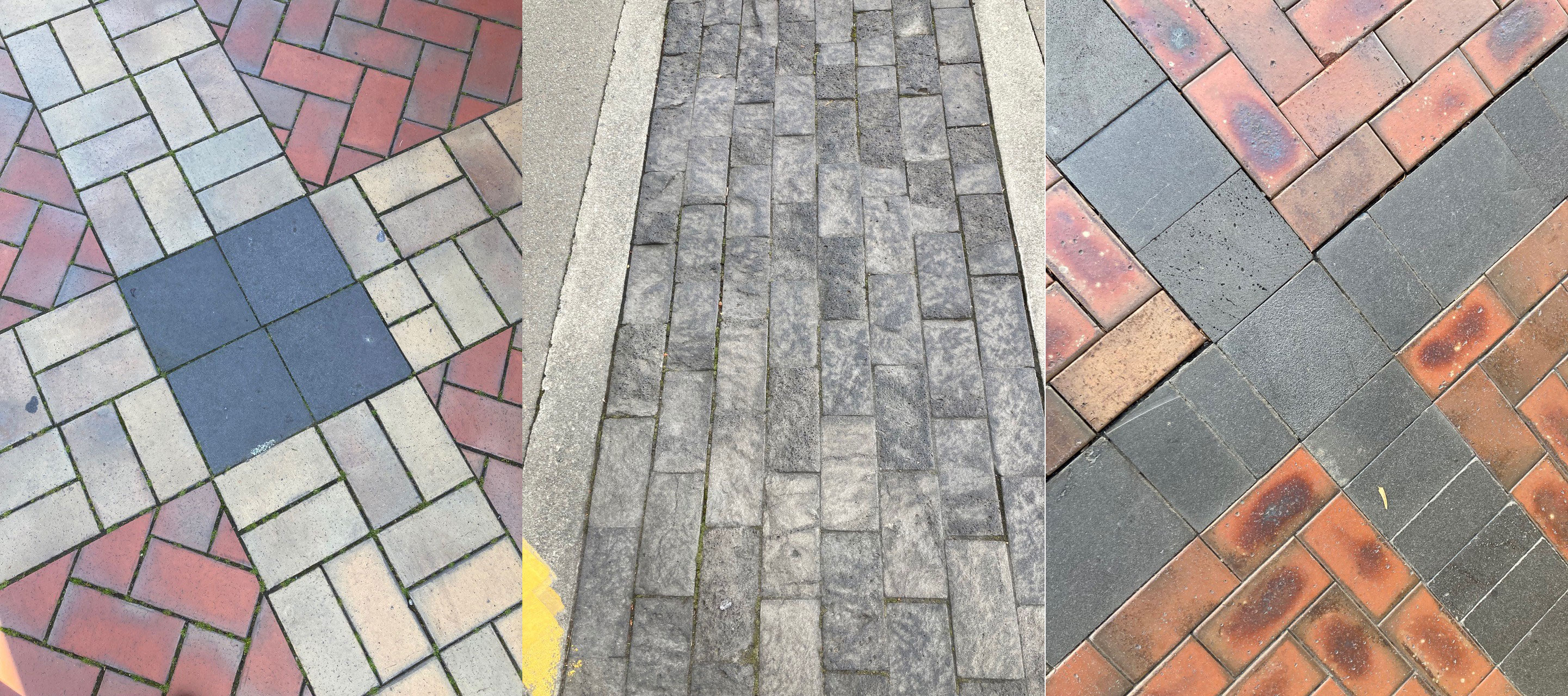
One of bluestone’s best qualities is its unique variable texture and natural slip resistance. Formed from volcanic lava, the stone contains tiny pores and textures created by escaping gases as the molten rock cooled. Each piece tells the story of how it was formed. This porous texture also absorbs moisture so the surface is not slippery when wet or frosty. Photography By Kirsten Wilson
Timaru’s bluestone is more than just rock. It is part of the city’s identity. If you walk through Timaru and start paying attention, you begin to notice it everywhere. In old warehouses and churches. In retaining walls holding back hillsides. In kerbs, steps, garden edges and footpaths worn smooth by generations of feet.
The dark volcanic stone quietly ties much of the city together. Timaru bluestone is basalt, formed from lava flows from the ancient Waipouri Mt Horrible volcanic around 2 to 2.5 million years ago. The lava flowed toward the coast and cooled into the dense blue-grey rock that became one of the city’s defining building materials...
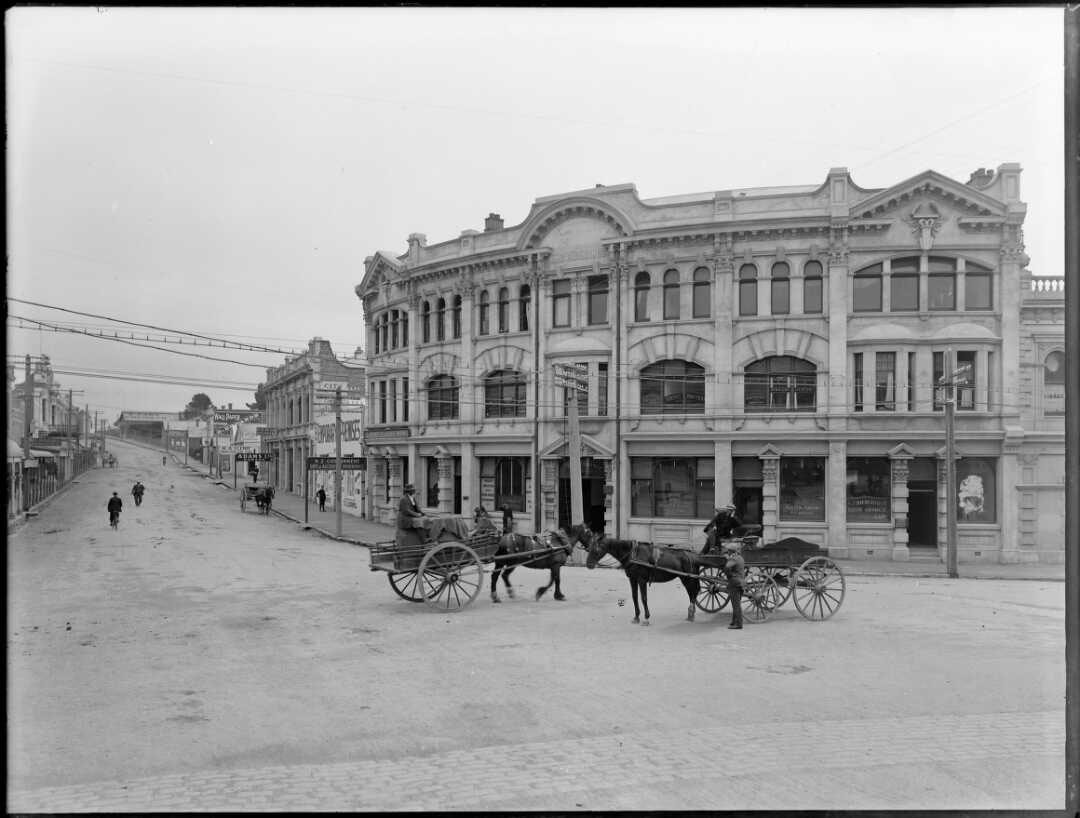
A bluestone cobble strip lines Stafford Street outside the New Zealand Government Life and Accident Insurance building in Timaru, circa 1910. Men, horses and carts in the foreground capture the busy working life of the town centre before motor vehicles transformed the streetscape. New Zealand Government Life and Accident Insurance building, Stafford Street, Timaru, with men, horses and carts in the foreground. The Press (Newspaper): Negatives. Ref: 1/1-008809-G. Alexander Turnbull Library, Wellington, New Zealand. /records/29939829
What makes Timaru’s bluestone even more special is how rare this kind of architectural basalt really is. While volcanic basalt exists in many parts of the world, only a small number of places produce the dense, durable blue-grey stone suitable for paving, retaining walls and beautifully crafted buildings.
Timaru's bluestone is ranked alongside sources like Melbourne, Iceland, Columbia - USA, Germany and a handful of volcanic regions around the world known for high-quality basalt stone. In many cities internationally, basalt paving and walling is considered a premium landscape material valued for its durability, texture and timeless appearance.
While Christchurch, Auckland and other and cities around New Zealand are importing and installing bluestone for its superior slip resistance, aesthetics and longevity in their streetscapes, Timaru already has the real thing beneath its feet.
After the devastating 1868 fire destroyed much of Timaru’s early wooden town centre, the city rebuilt stronger and more permanently with stone and brick. Bluestone became part of that transformation. It gave Timaru a sense of solidity and permanence that still shapes the character of the CBD today. There is something grounding about bluestone. It connects the city to the volcanic landscape beneath our feet and to the labour of the quarry workers, stonemasons, harbour builders and craftspeople who shaped it by hand.
Even today, modern streetscapes and landscape projects still use Timaru bluestone because it feels unmistakably connected to this place. The stone tells a story about resilience too. About rebuilding after fire. About making use of local materials.
About creating a city that could endure harsh weather, coastal conditions and time itself. Perhaps that is why bluestone still feels so “Timaru.” It is not imported identity.
It is our landscape, quite literally, built into the walls of the city around us. Do you have bluestone retaining walls at your place or feature rocks in your garden at home?
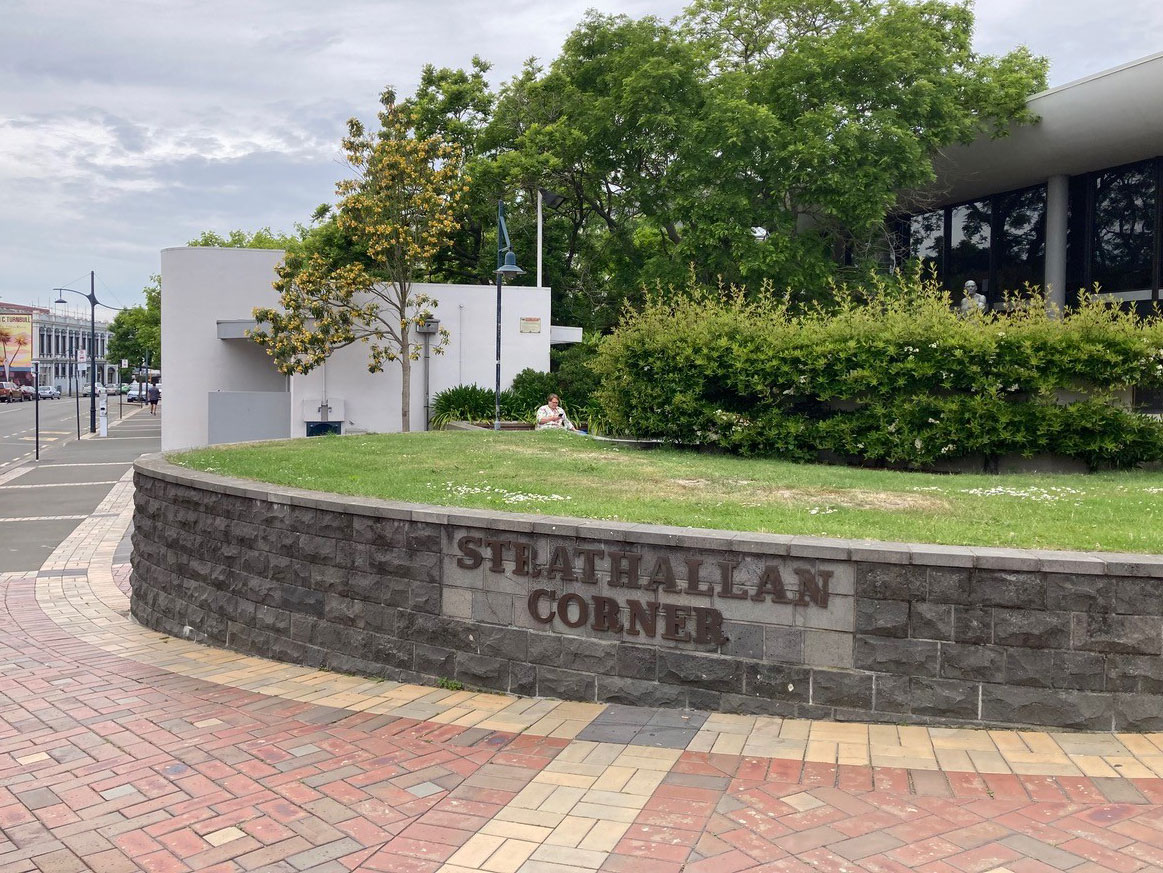
Photography By Kirsten Wilson
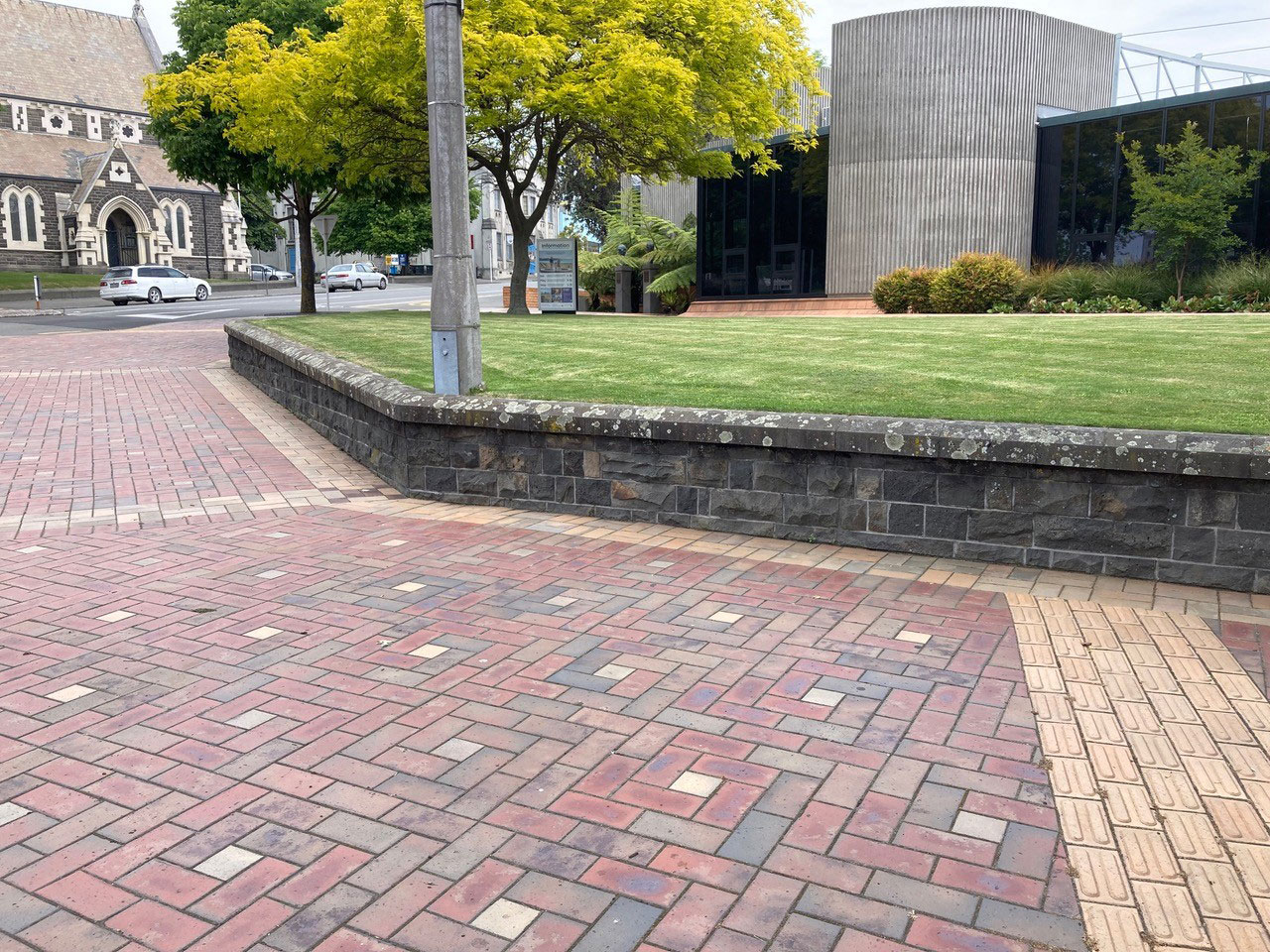
Photography By Kirsten Wilson
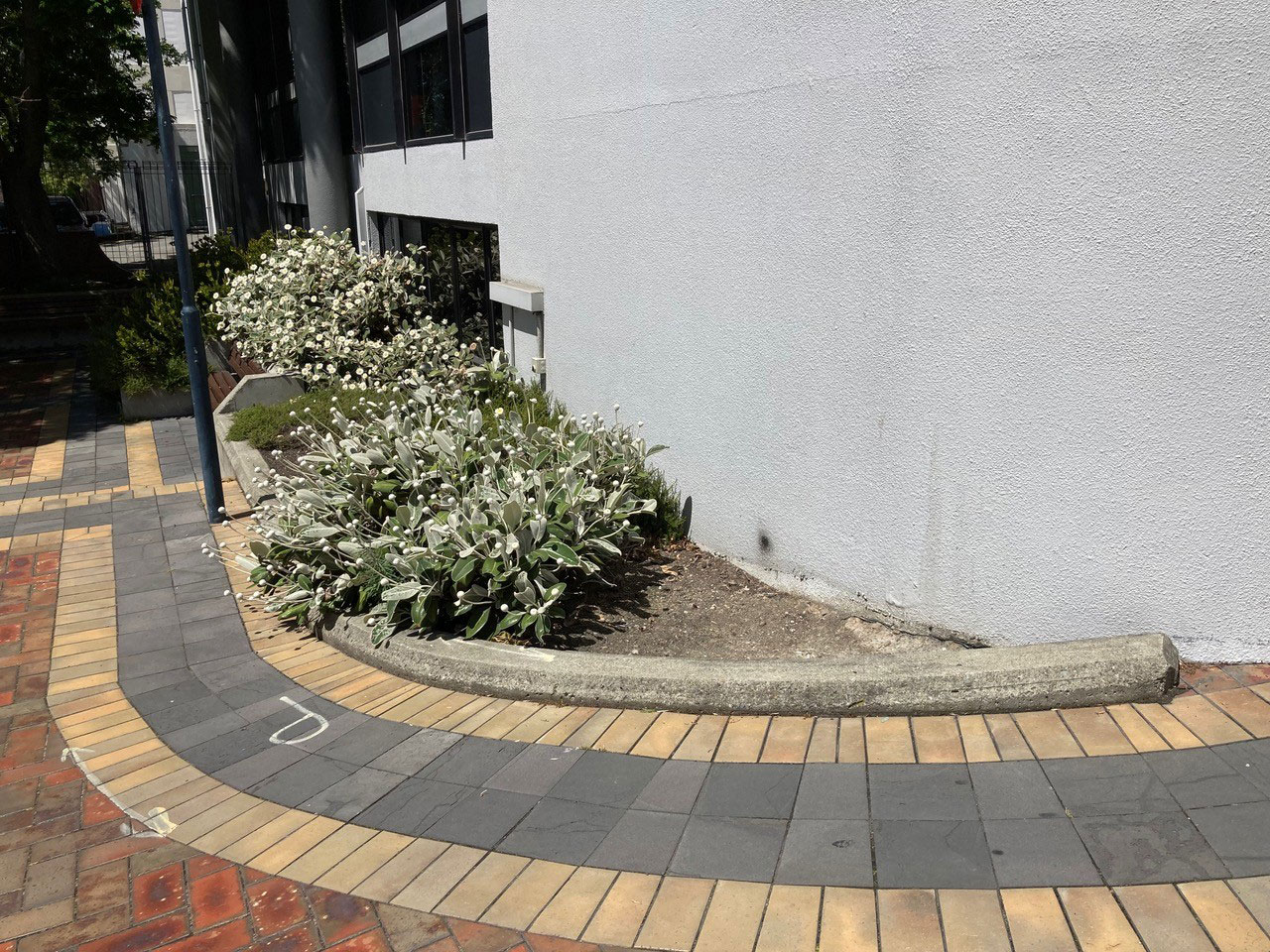
Photography By Kirsten Wilson
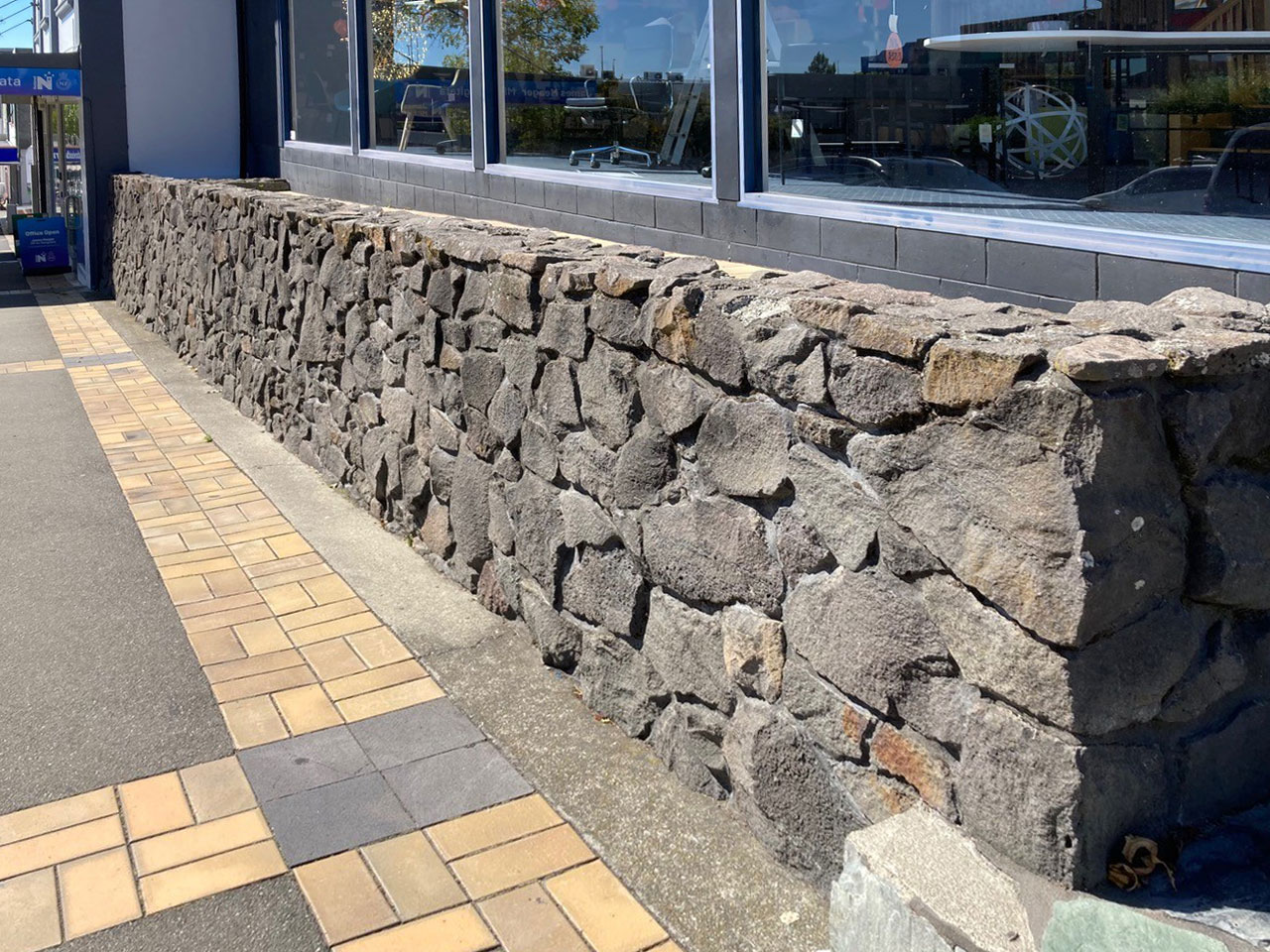
Photography By Kirsten Wilson
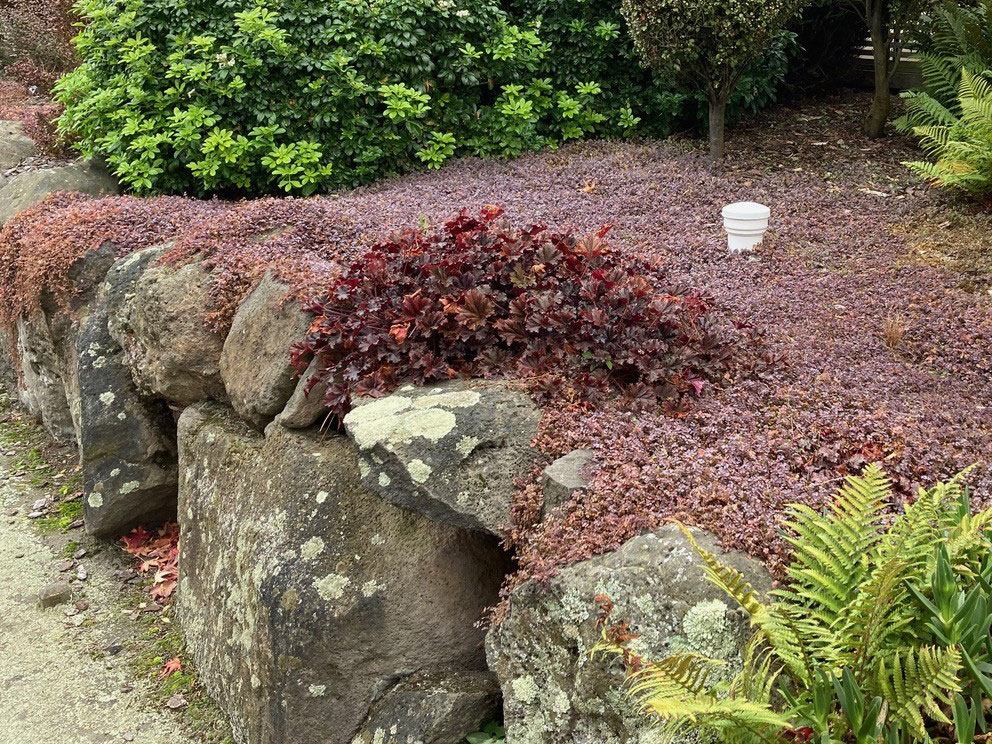
Photography By Kirsten Wilson
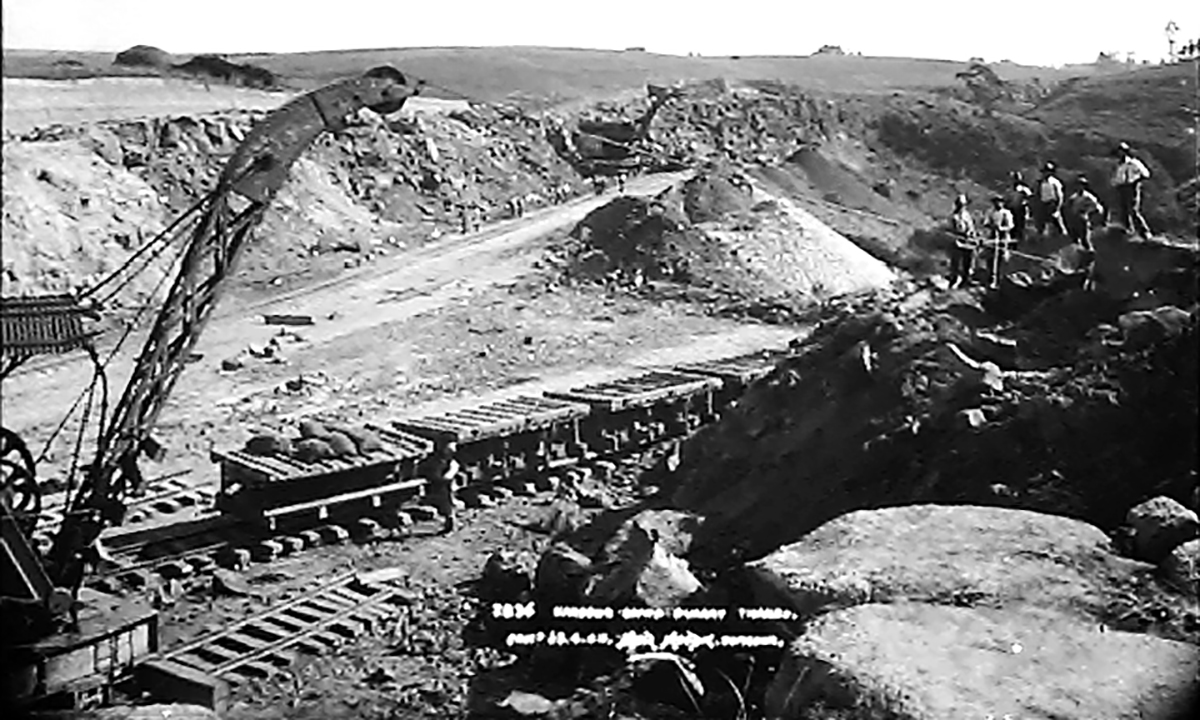
Harbour Board Quarry, Timaru, New Zealand, by Muir & Moodie. Te Papa (C.014398)

Railway carts on display at the Pleasant Point Museum. These were used to move rock from the quarries to the harbour. Photo by Roselyn Fauth 2022

Port construction continues in 1964. LEFT Loading rock at the Quarry on Kellands Hill for the North Mole extension at Timaru Port. The loads from Kellands Hill went Pages Rd, SelwynSt, White St onto Evans St then down to the bay and across the sand. RIGHT: Kellands Quarry Rock being tipped on to the North Mole at Timaru Port 1964. Photograph by George Kinch
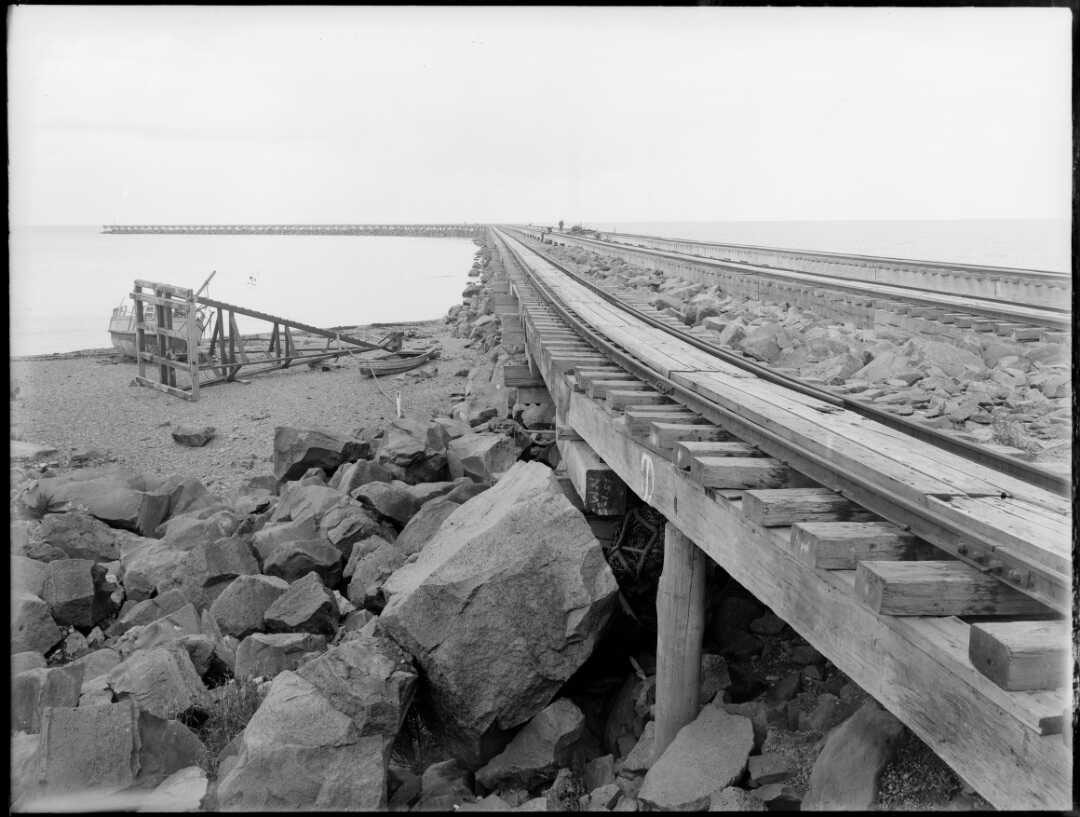
1880 Photograph by the Press of the Breakwater in Timaru. Tiaki IRN: 692816. Tiaki Reference Number: 1/1-008819-G. Collection: PA-Group-00103: The Press (Newspaper) :Negatives