by Roselyn Fauth
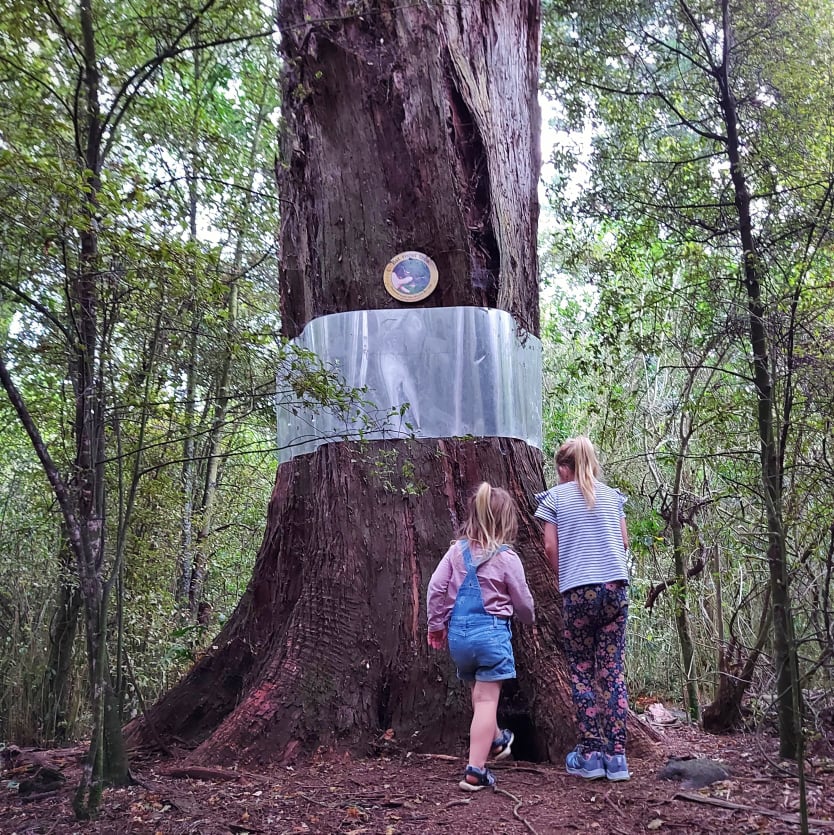
Did you know that some of Geraldine’s trees are more than just beautiful? They can also be bat trees!
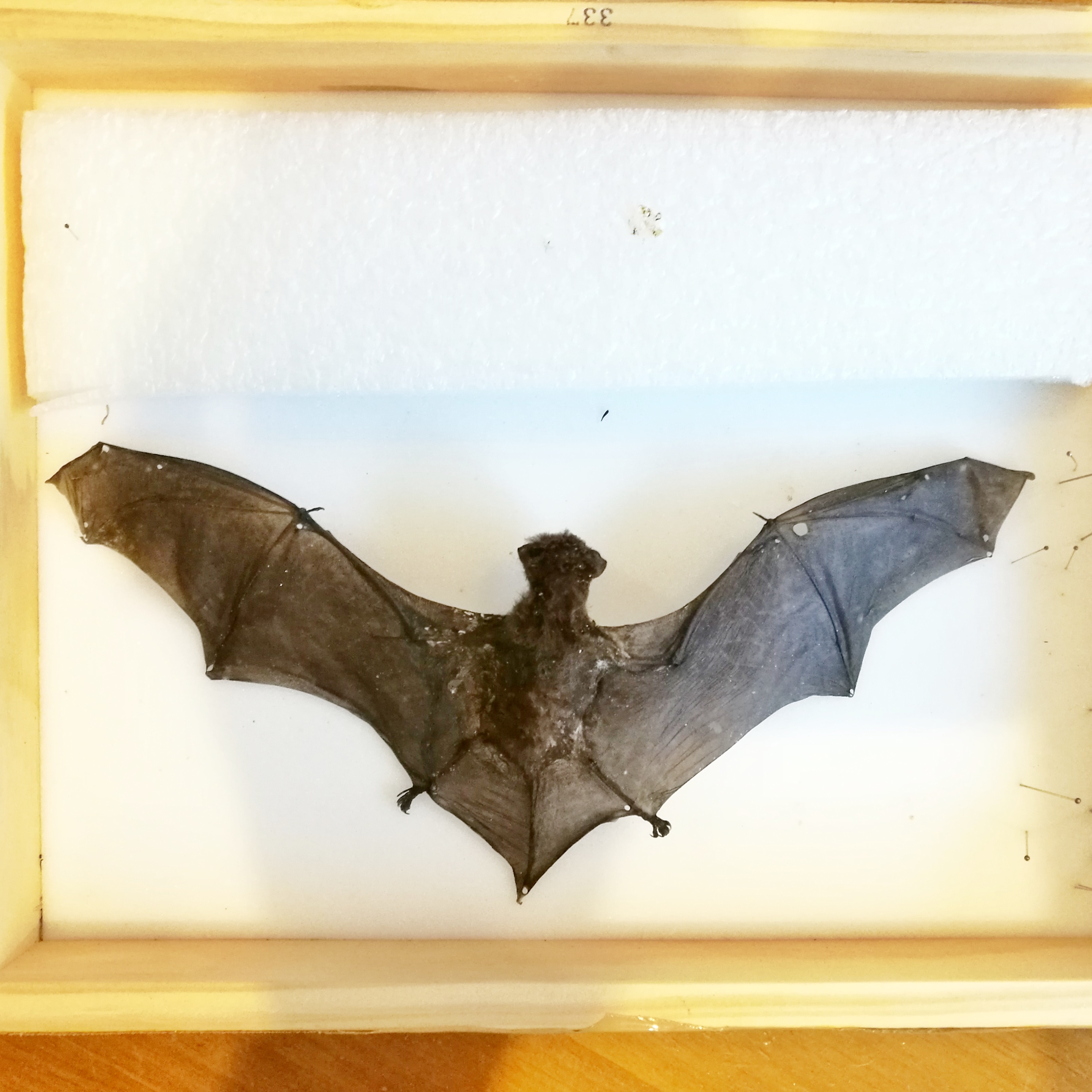
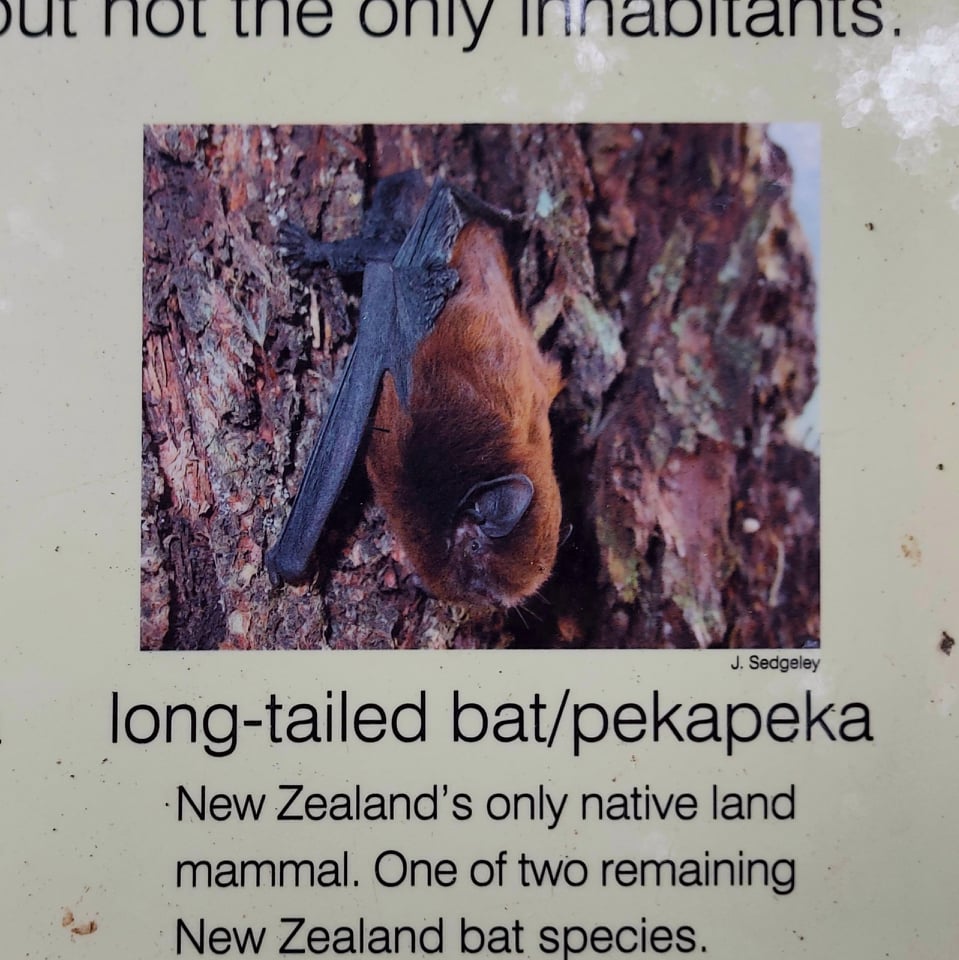
When people think about wildlife in New Zealand, they often picture kiwi, kererū or maybe a cheeky fantail. But bats? Many people are surprised to learn that bats are the only native land mammals in all of New Zealand, and that long tailed bats, or pekapeka, live right here in South Canterbury. They are critically endangered and have the highest threat status of Nationally Critical, with only around 200 to 300 bats in the local area. They are also the only bats on the east coast of the South Island.
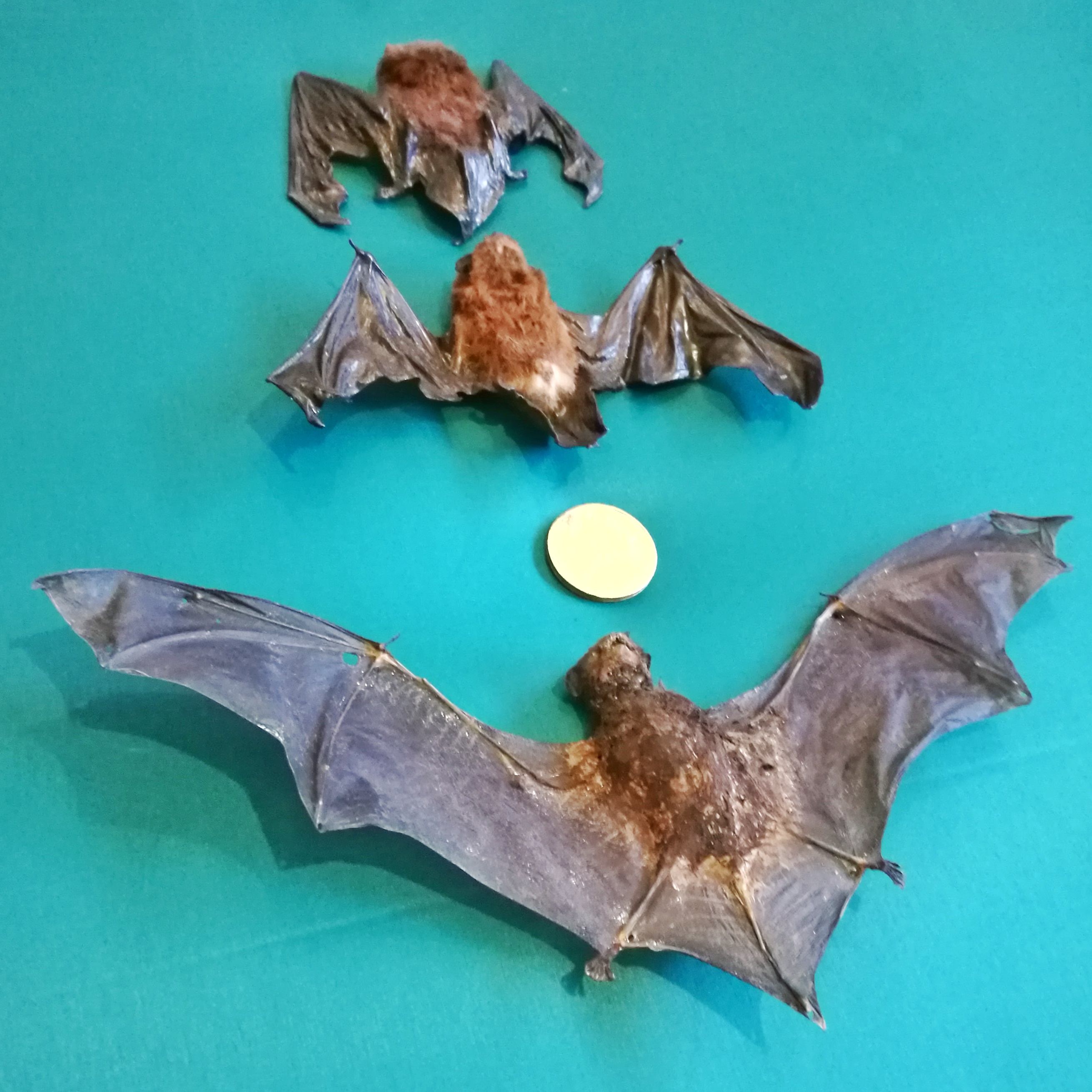
These tiny creatures are extraordinary. A long tailed bat weighs about the same as a $2 coin, can fly up to 60 kilometres an hour, and may eat up to 600 insects in a single day. They are small, dark brown, and have a wingspan of about 25 centimetres. They use echolocation to find food and navigate, roost by day, and feed by night. Females have one pup a year, and the young begin flying when they are only four to five weeks old.
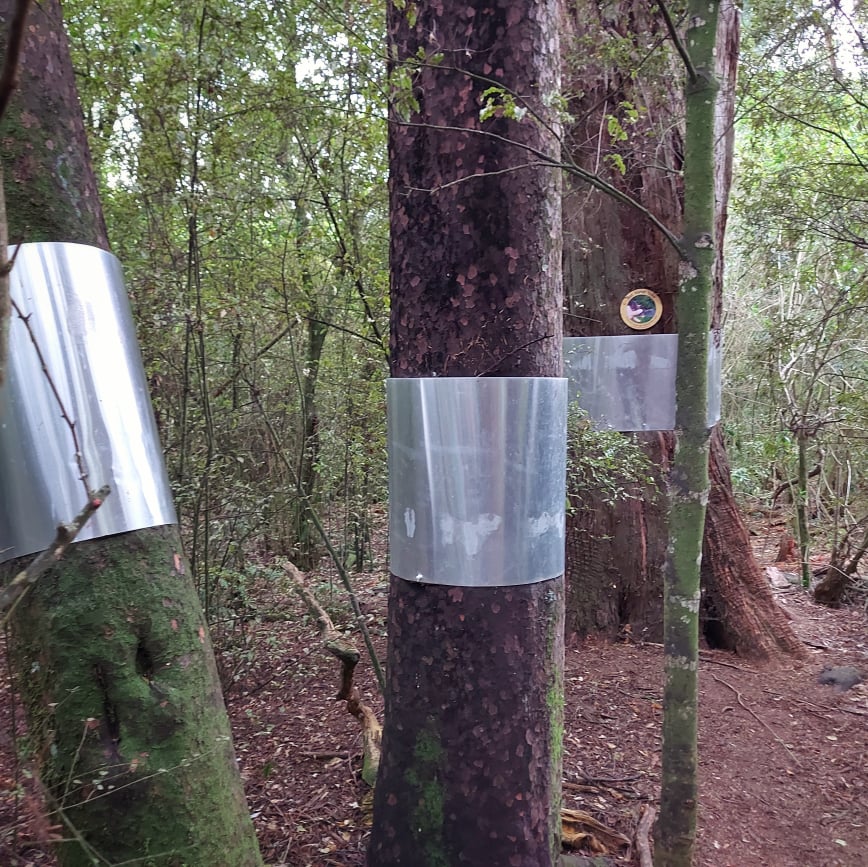
So what is a bat tree?
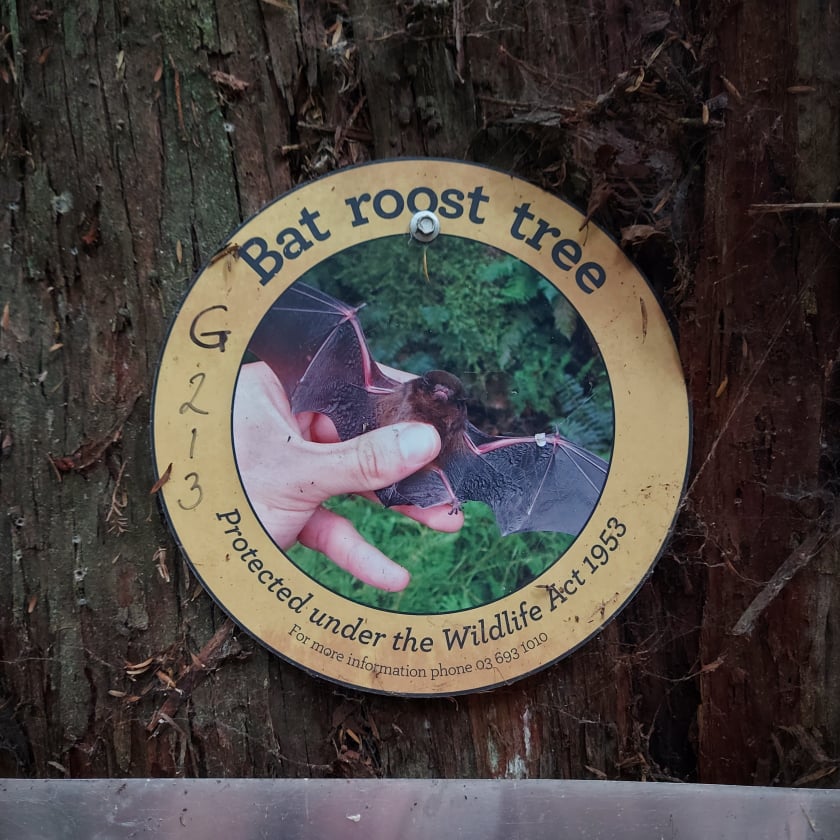
A bat tree is usually an old or large tree with small cavities or cracks where bats can roost during the day. Long tailed bats do not stay loyal to just one tree. In fact, they often spend only one night in a roosting tree before shifting to another the next night. That means they need a whole network of suitable trees across the landscape, not just one special spot. Habitat loss, the removal of old trees, and the disconnection of forest fragments all make life much harder for them. Rats, stoats, possums and feral cats add to the pressure.
That is why places like Geraldine matter so much.
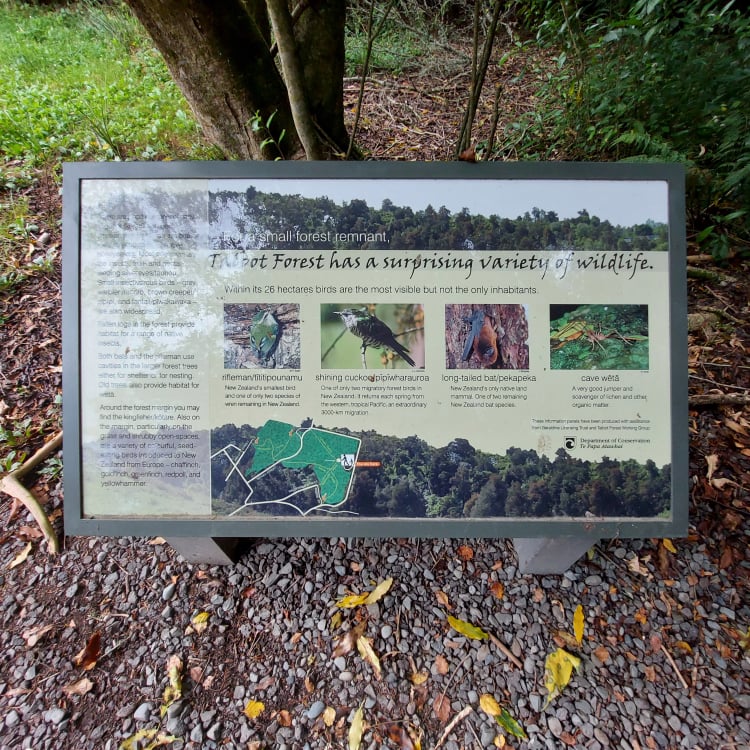
Talbot Forest Scenic Reserve is a wonderful place to start looking at trees differently. These short, family friendly walks weave through impressive native bush and offer the chance to get close to species that are important in our natural story. The reserve includes four short walks: the Kahikatea Track, Tōtara Track, Reservoir Track and Mataī Track. The Kahikatea Track leads through wetter ground where kahikatea can reach 40 metres tall. The Tōtara Track passes the largest tōtara in the reserve, estimated to be around 800 years old. The Mataī Track showcases impressive forest trees, including mataī with its distinctive bark.
When you walk these tracks, you are not just admiring lovely old trees. You are stepping into habitat. Trees like these may shelter insects, birds and, in the right places, pekapeka too. Even the name Peka Peka Gully, where you can mountain bike right in town, gives a lovely nod to the bat connection in Geraldine.
If you want to improve your chances of spotting a long tailed bat, the best time is on a warm summer evening just as the light leaves the sky. Good local places to look include Raincliff Forest, Kakahu Bush and the Pleasant Point golf course. Scan the top edge of the trees and you might just see one darting past. They are tricky to spot, but they could be living much closer than you think, even near rivers, reserves, paddocks and gardens.
The wider Geraldine area is also packed with places where native habitat still tells an older story. The Te Moana Gorge area, for example, still holds remnants of the vast podocarp forest that once covered the Canterbury foothills. There you can spot rimu, kahikatea, mataī, miro and tōtara, and the rock cliffs and trees are also home to native long tailed bats.
Why do bats matter? Because they tell us something important about the health of our environment. Bats rely on insects, healthy waterways, connected forest patches, and good roosting sites. If bats are struggling, that can be a sign that the wider ecosystem is under pressure too. Looking after bats means looking after habitat, water, trees and biodiversity as a whole.
The good news is that people can help.
You can be a bat ambassador by reducing pesticide use, promoting natural bat habitat, protecting water quality, avoiding disturbance, putting up a bat house, reporting injured bats to DOC, and helping with citizen science. One especially practical step is to bring cats in half an hour before sunset, especially from mid October to the end of December when bats are rearing their young.
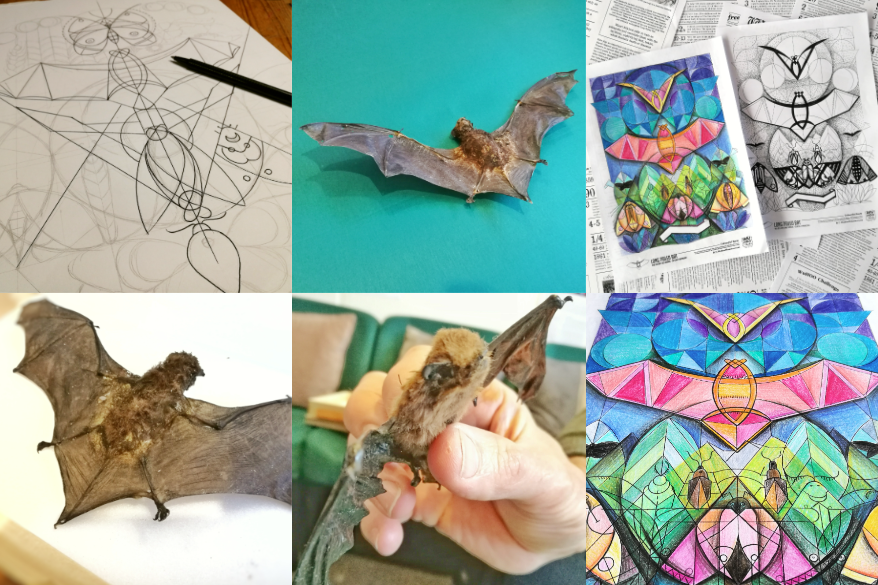
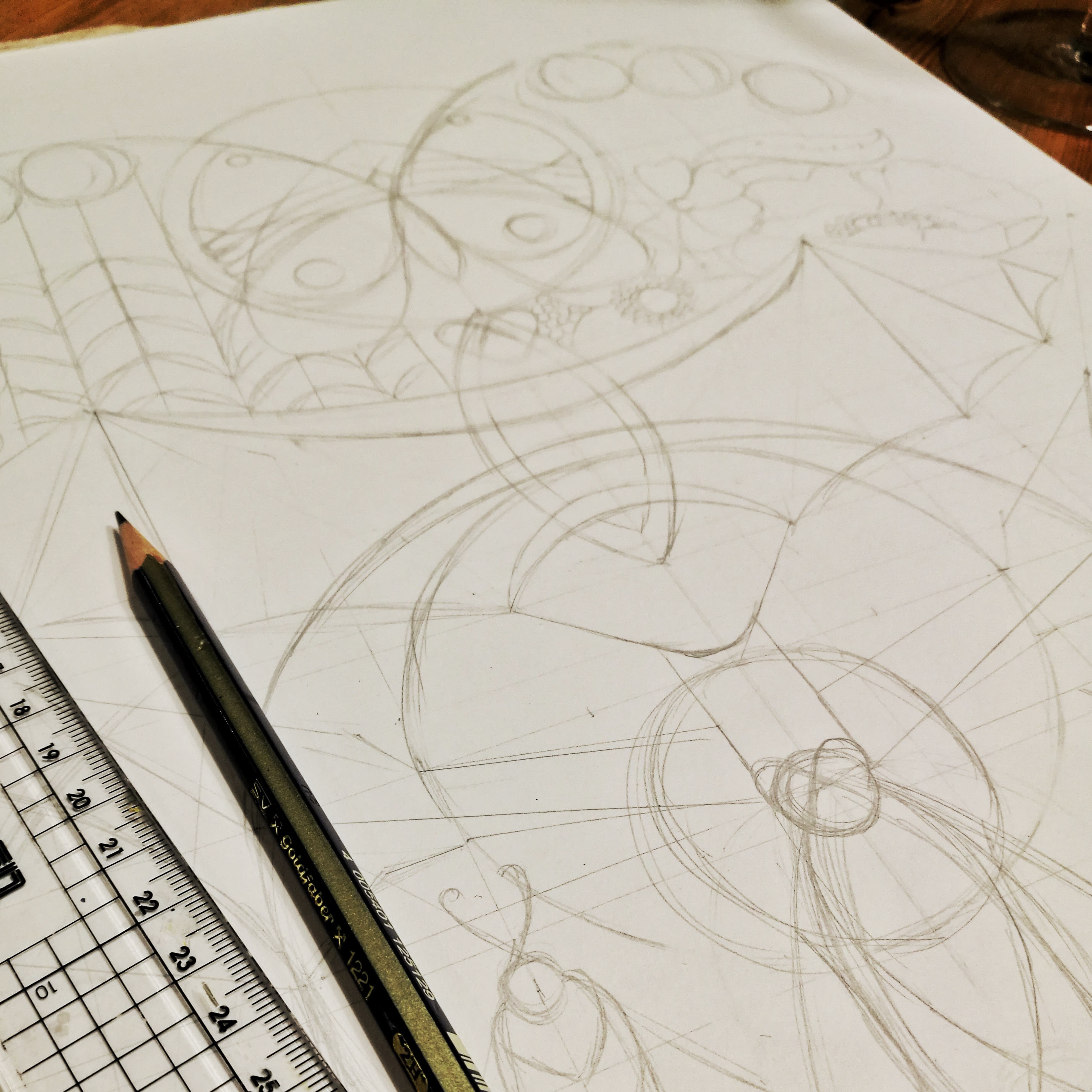
And yes, there is even a colourful WuHoo fact sheet to help people learn more. It is such a great reminder that conservation does not have to begin with something grand. Sometimes it starts with a child colouring in a bat, a family wandering through Talbot Forest, or someone pausing beside an old tree and realising it may be far more important than it looks.
So next time you are in Geraldine, do not just admire the forest. Look up. Wonder a little. That towering kahikatea, ancient tōtara or rough barked mataī may be part of a secret overnight network for one of New Zealand’s most remarkable and threatened native animals.
How amazing is that?

Long-tailed bats used to be common throughout New Zealand in the 1800s, although by 1900-1930 they were becoming scarce in many districts. Ever wondered how to spot one or how to be a bat ambassador?
Download: Colourful Facts Long-Tailed Bat.pdf
Be a bat ambassador
- Reduce pesticides. Promote natural bat habitat. Protect water quality. Put up a bat house. Be a citizen scientist. Avoid disturbing bats. Report injured bats to DOC.
- Avoid a CATastrophe by bringing your cat in half an hour before sunset so bats can emerge undisturbed. If you find it difficult to keep your cat in at night throughout the summer, do try to do it at least from mid October until the end of December. This is when bats are rearing their young.
LEARN MORE: The South Canterbury Museum. The Department of Conservation (DOC) Facebook/Pekapeka Protection Project - These are also the source for Wuhoo Timaru - Colourful Facts - The Long Tailed Bat. © WuHooTimaru 2019