By Roselyn Fauth
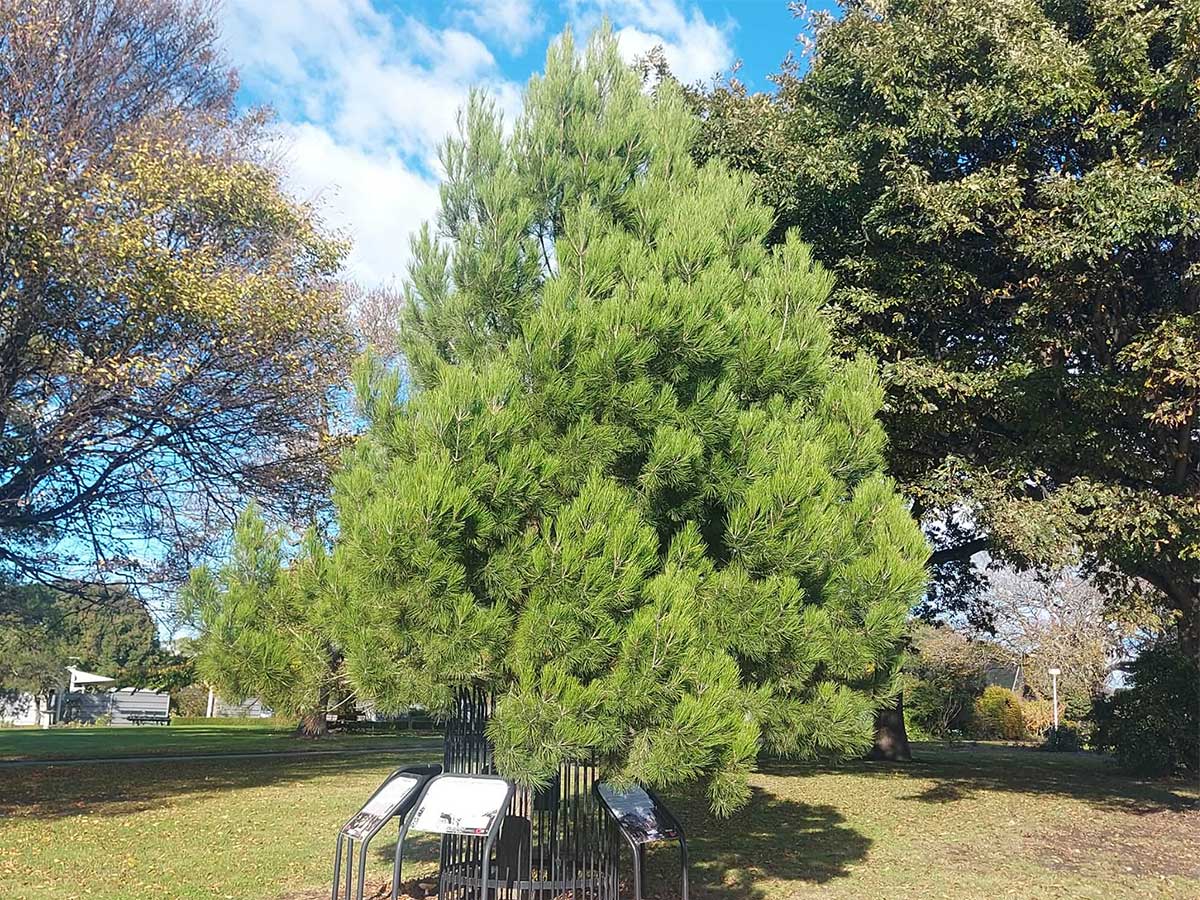
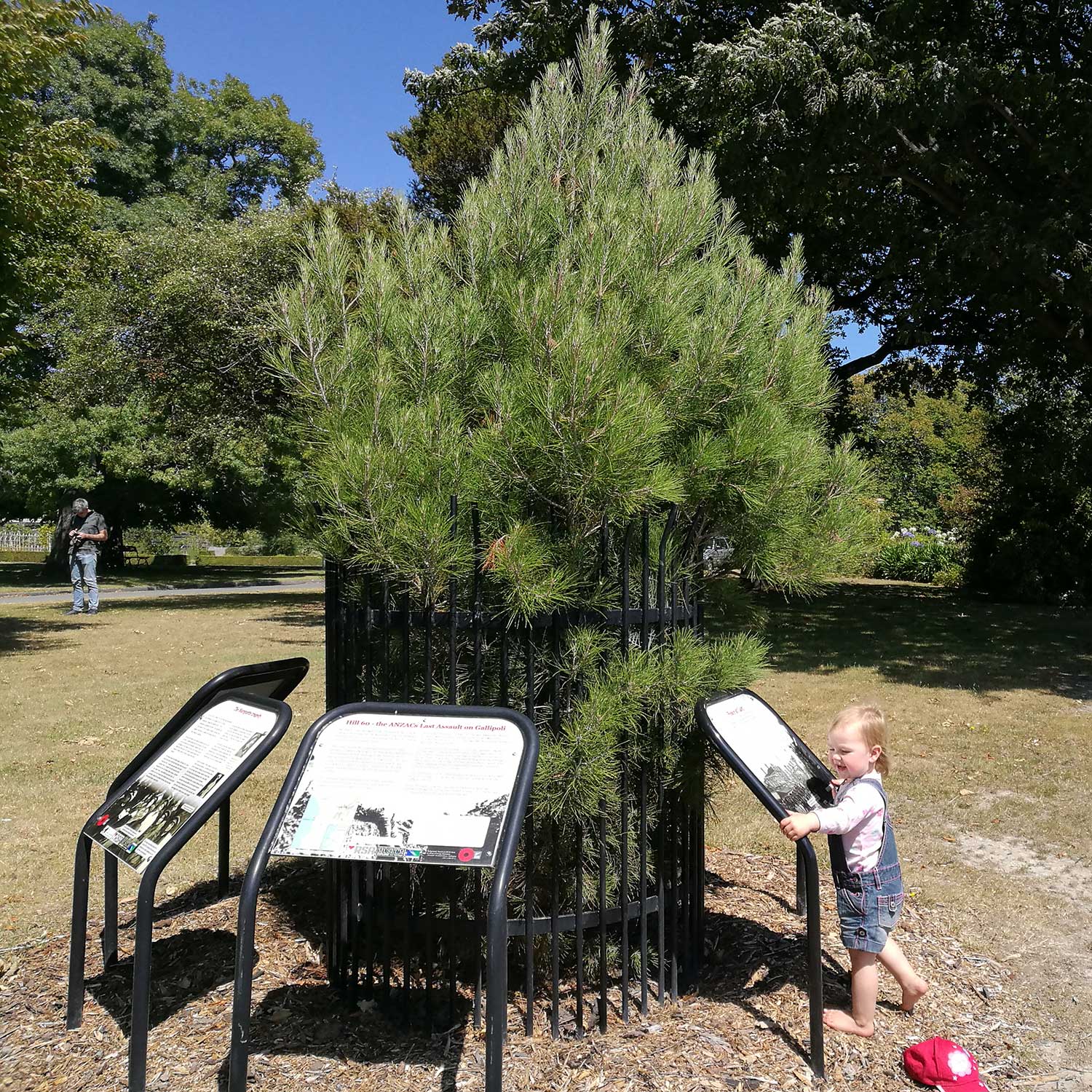
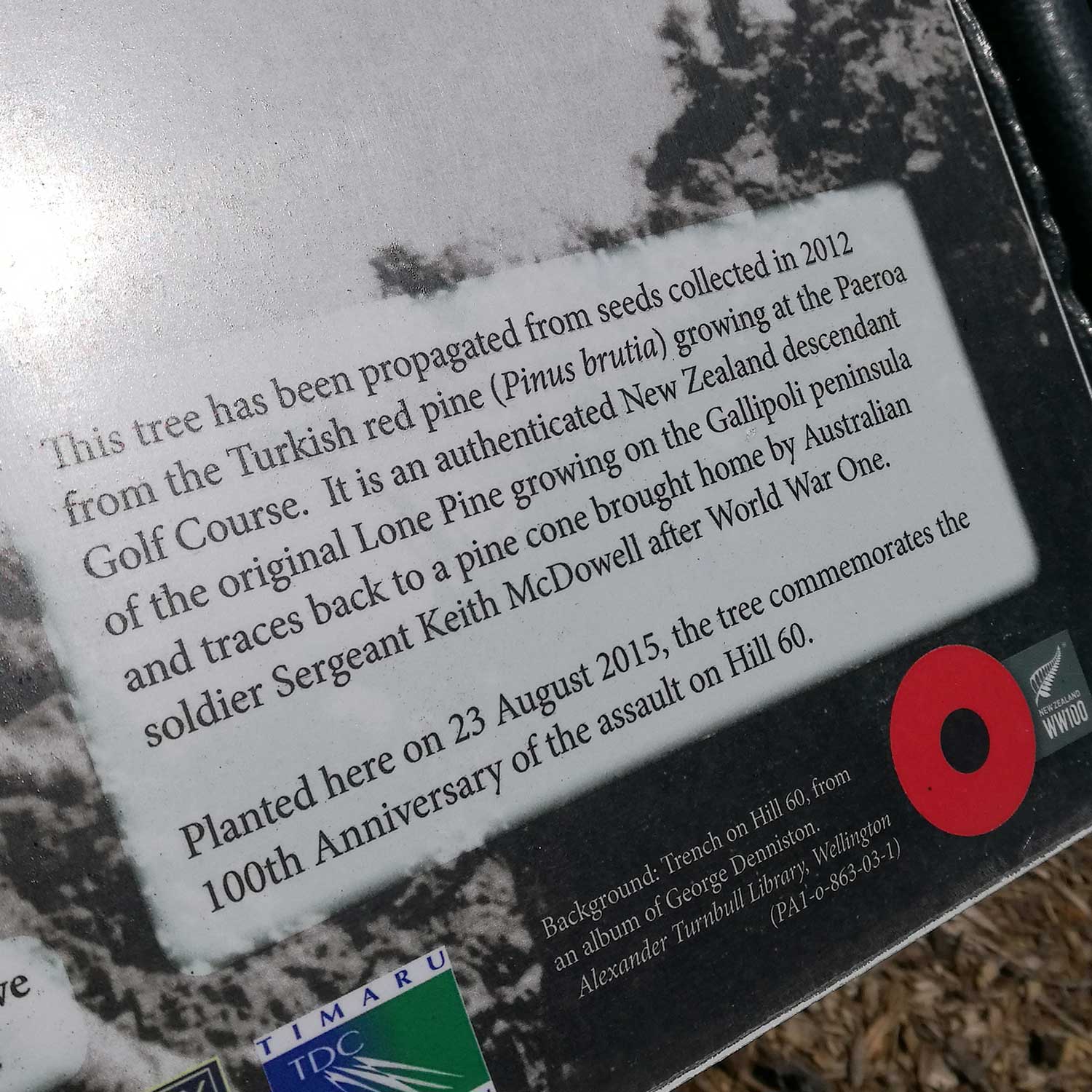
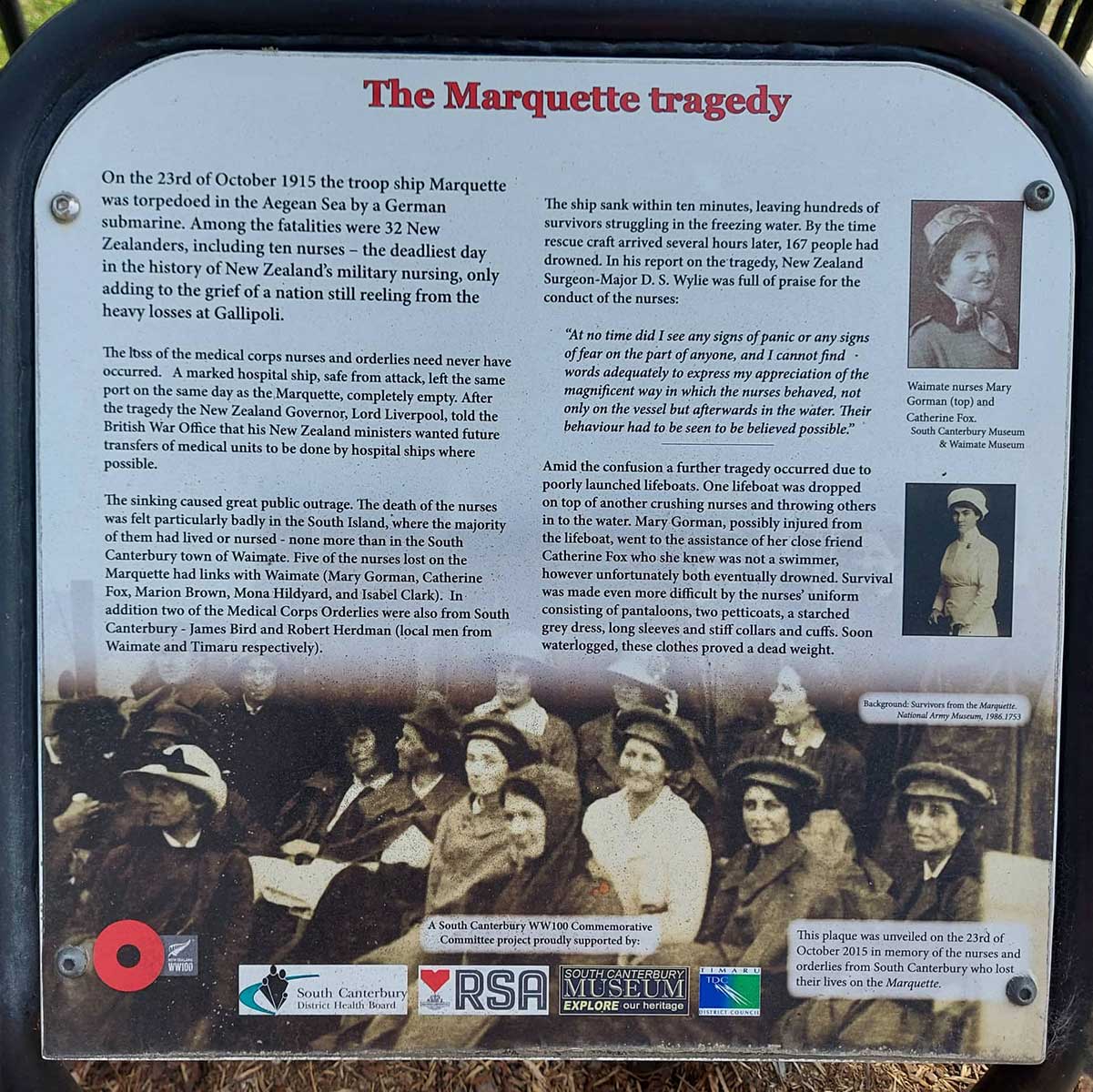
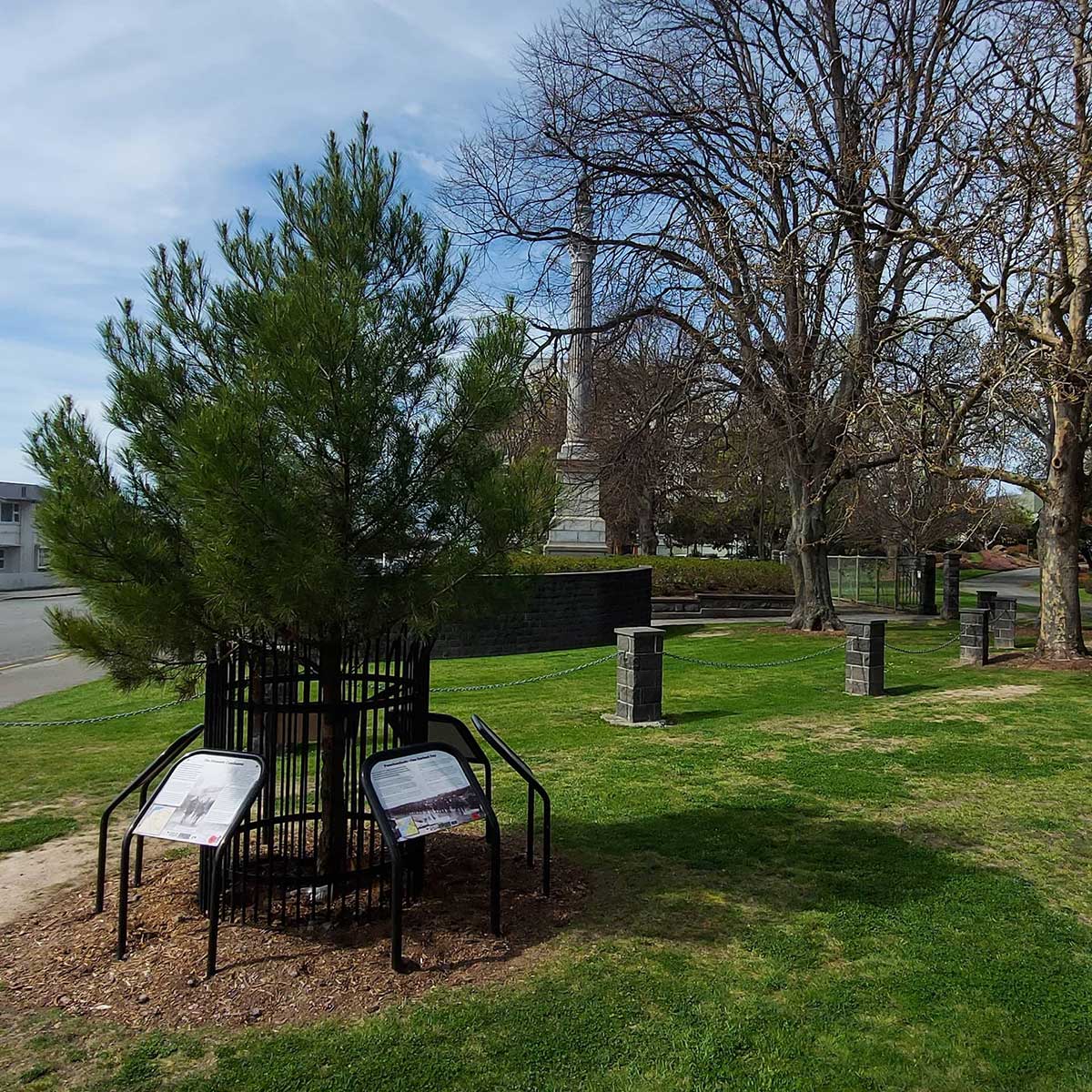
Lone Pine tree at the Timaru Botanic Gardens. It was planted here on 23 August 2015 to commemorate the 100th Anniversary of the assalt on Hill 60. The Battle of Lone Pine was fought from 6-9 August 1915, Gallipoli, Turkey, 1915. Its seed is connected to the Paeroa Gold Club in the Waikato. Photography By Roselyn Fauth April 2026
As our Anzac service approaches and we prepare to gather at dawn ceremonies around the country, I thought I would return to a story I first began a few years ago.
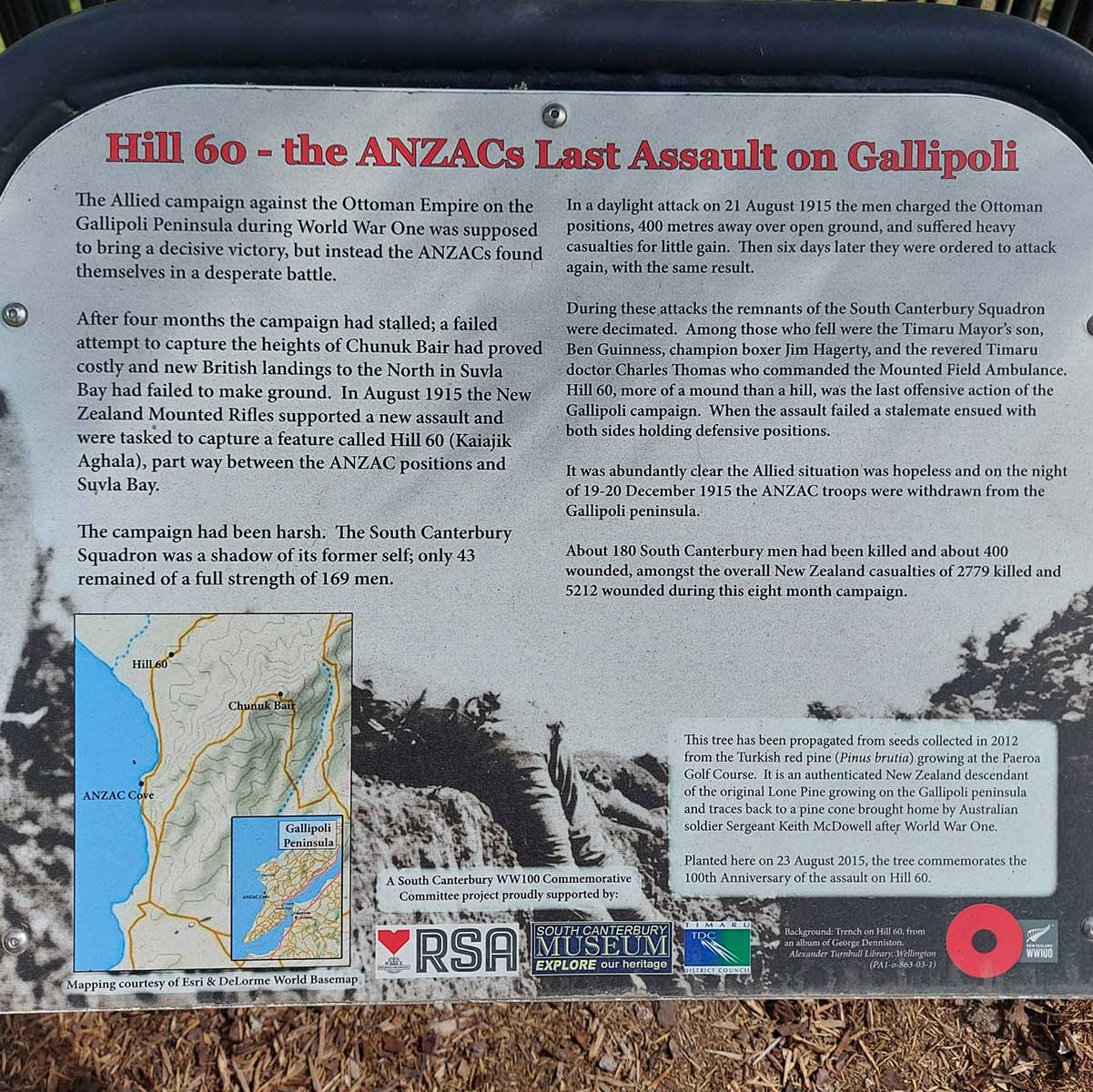
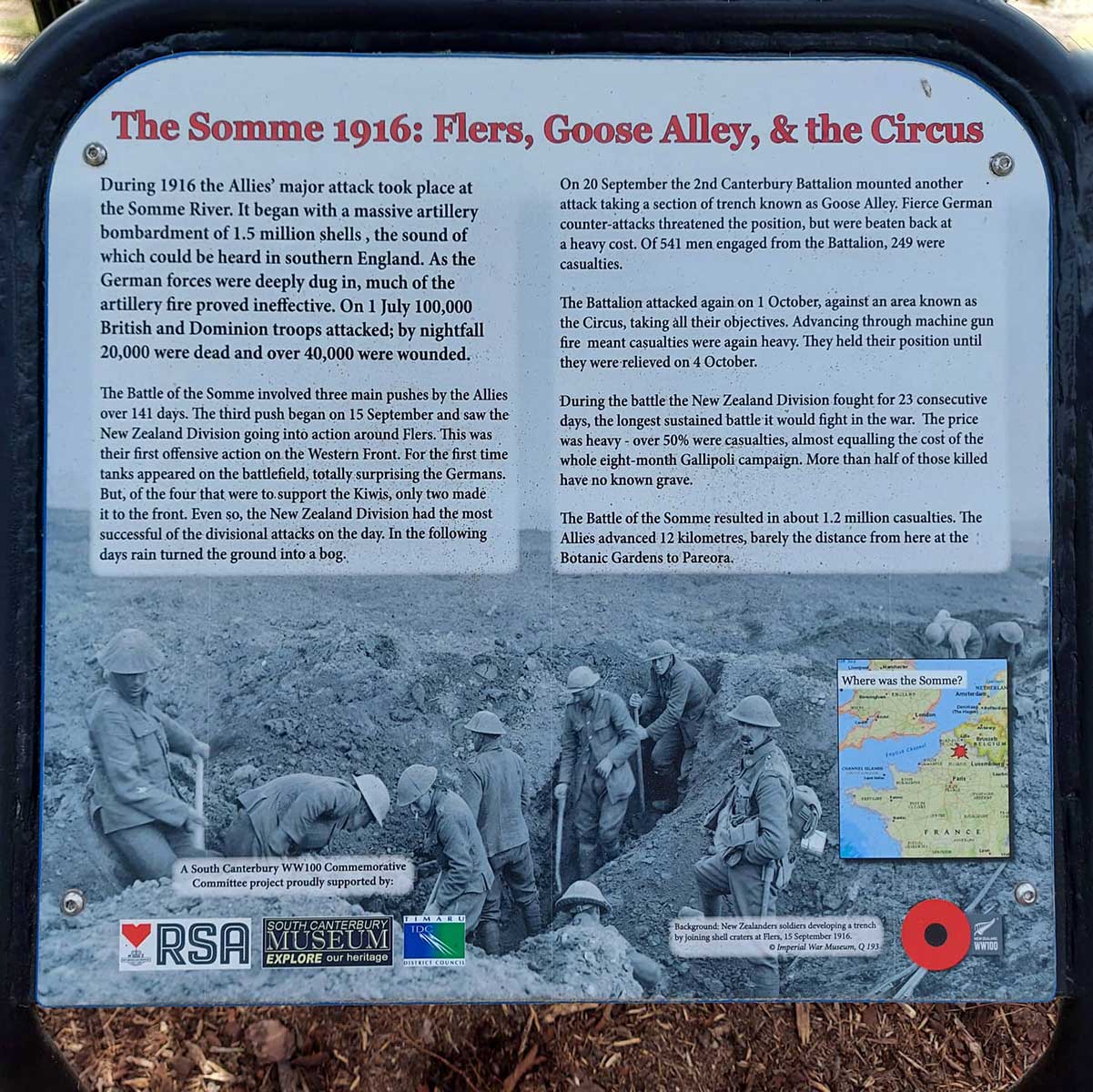
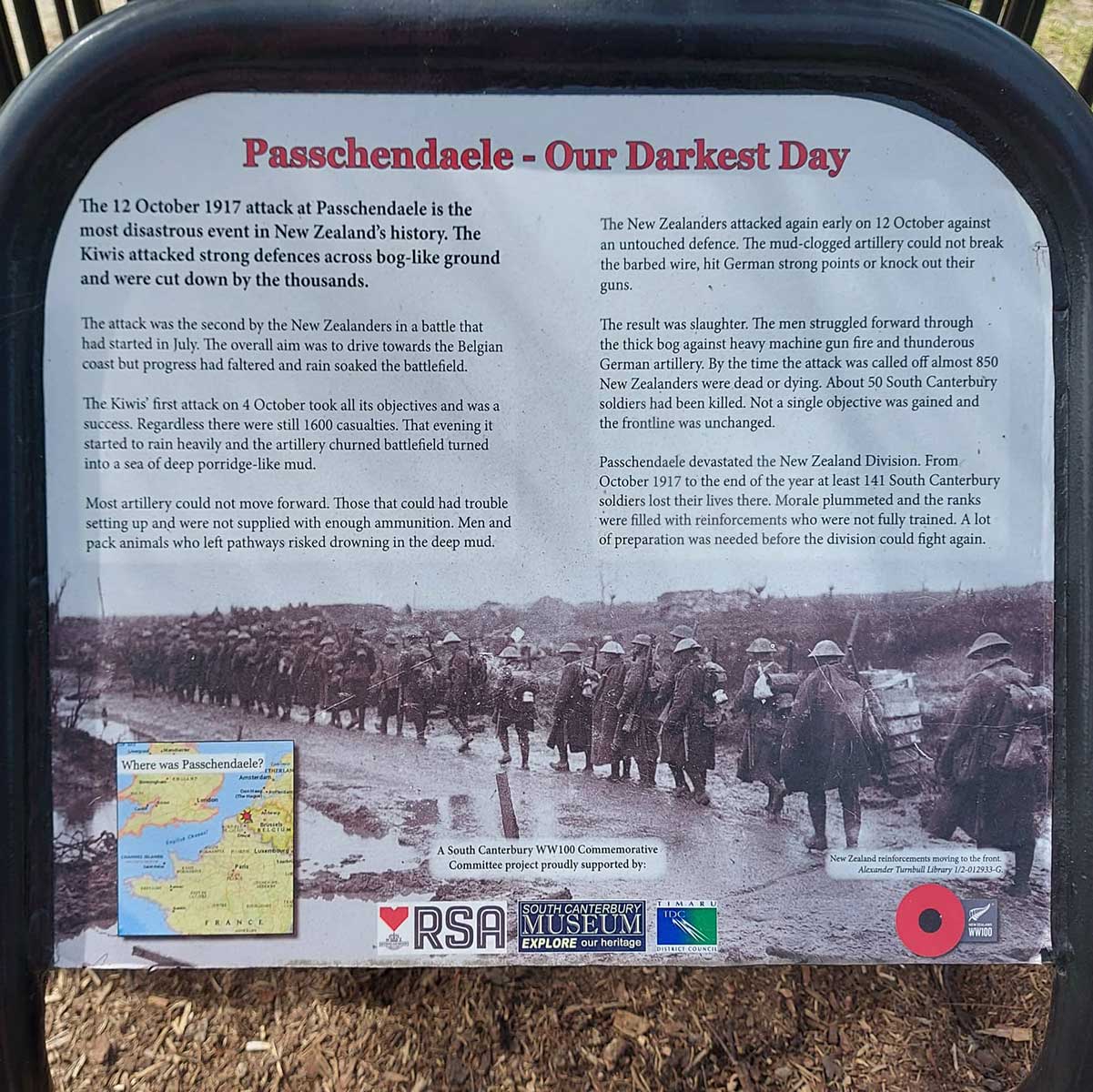
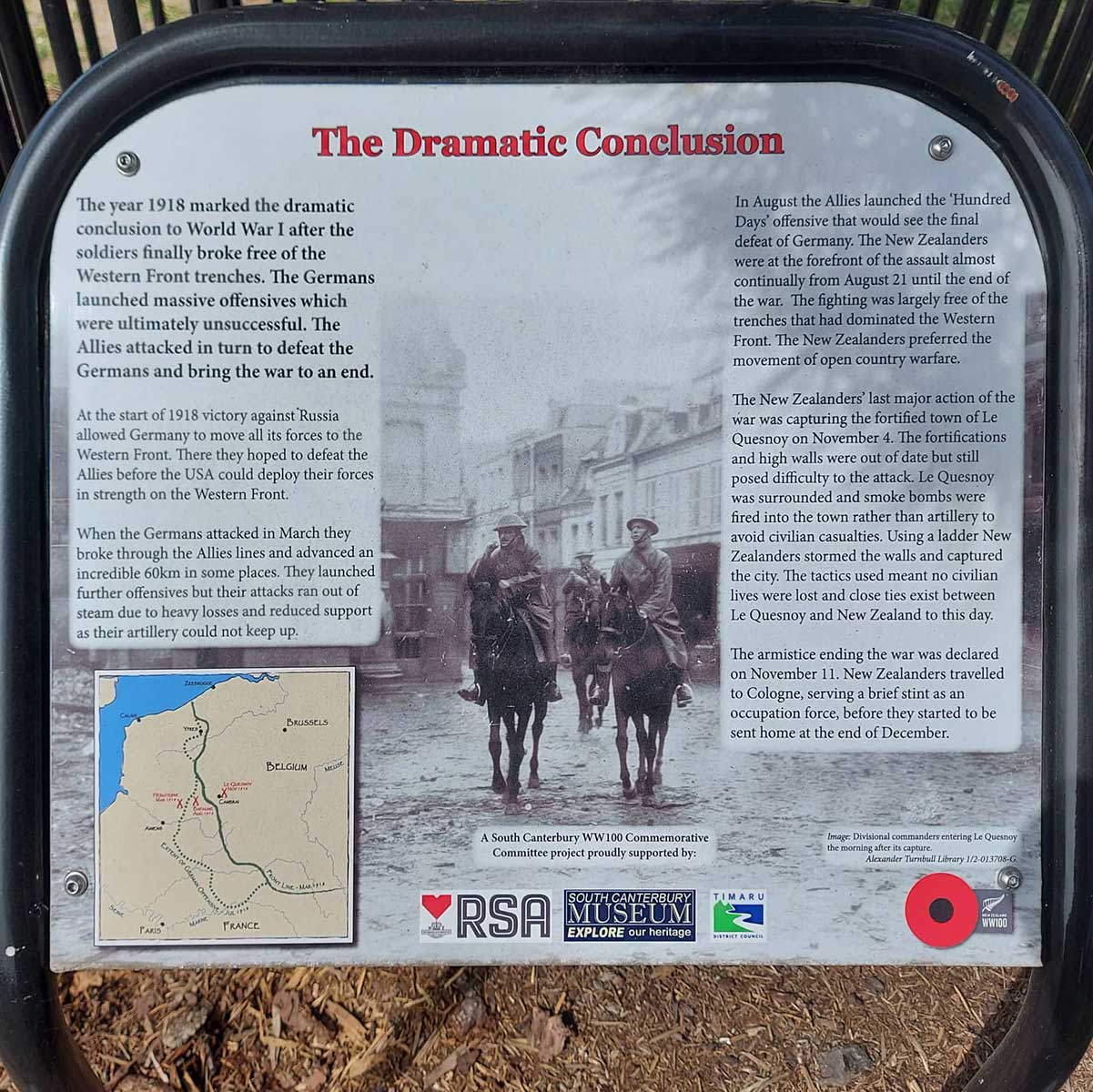
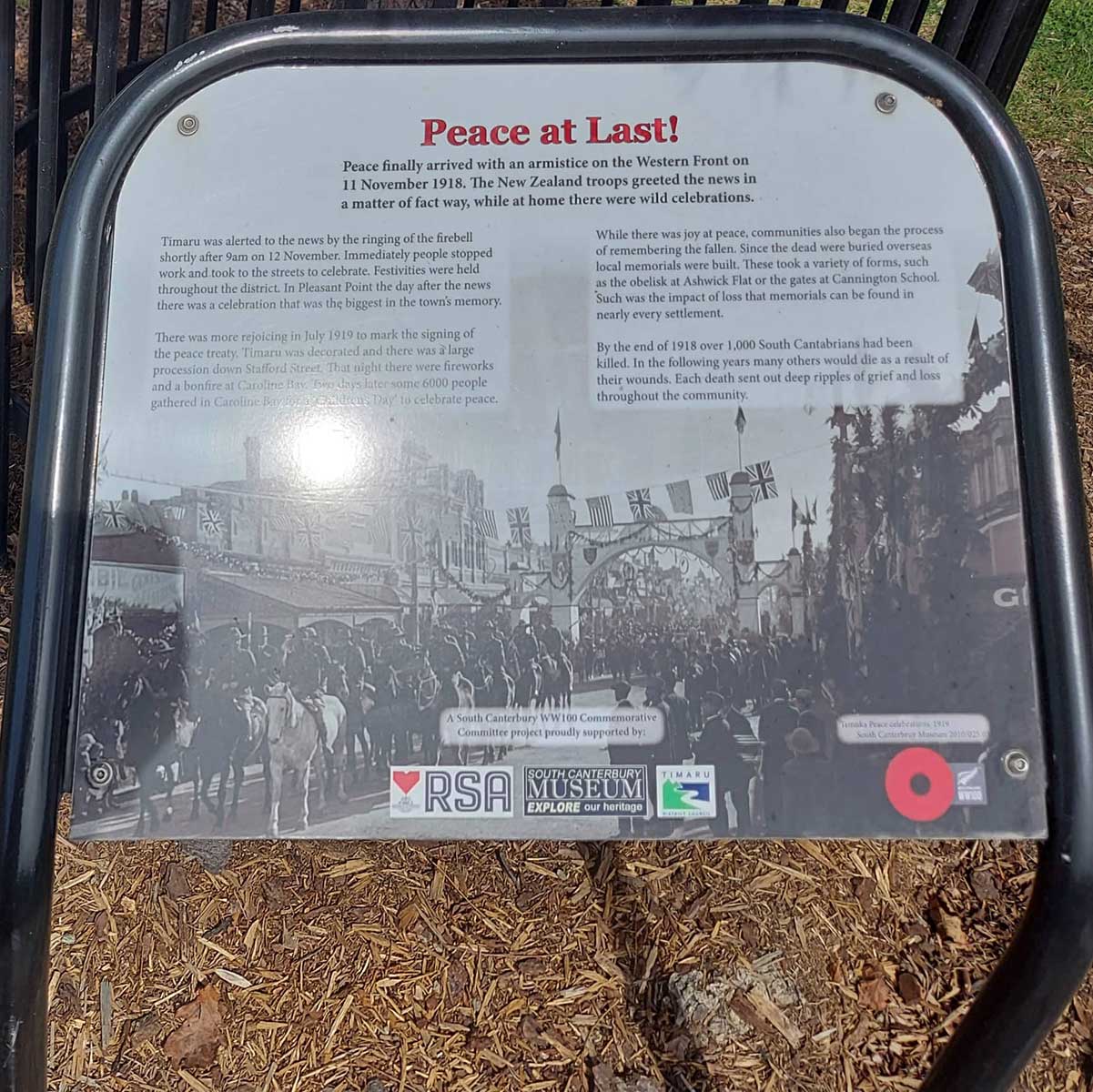
I was at the Timaru Botanic Gardens recently and noticed how much the Lone Pine has grown since I last photographed it. I wonder if you have walked past it too. Have you stopped and read the signs that circle the tree? It is easy to miss what grows in front of us. When people gather for dawn ANZAC ceremonies, do they notice this tree to the west of the Timaru War Memorial. Do they realise this is not just another pine in the gardens... it is a living memorial. It is a tree that carries memory in its very lineage.
I think the Lone Pine is one of the most powerful trees of remembrance in the Timaru Botanic Gardens. Once you stop and really take in its story, you begin to understand why it is protected by a fence. It is a witness, a conversation starter, and a bridge between South Canterbury and one of the most painful chapters of Gallipoli... an unsuccessful military campaign in the First World War on the Gallipoli Peninsula, where roughly 180 South Canterbury boys and men had been killed and about 400 wounded, amongst the overall New Zealand casualties of 2779 killed and 5212 wounded.
The Battle of Lone Pine began on 6 August 1915 and became one of the fiercest assaults of the Gallipoli campaign.
It was launched as a diversion while other attacks pushed towards Chunuk Bair and Hill 971. Australian troops charged across open ground and into heavily fortified Turkish trenches roofed with pine logs and earth. The first trench was taken quickly, but what followed was four days of savage fighting at close quarters. The losses were horrific, and in that chaos the original Lone Pine was destroyed. Today the site is marked by Lone Pine Cemetery. Many kiwis have made the pilgrimage to the spot where their ancestors fought and died.
The lone pine tree at the Timaru Botanic Gardens has taken root and now gifts its sad past for future generations to connect to. The men of Gallipoli did not grow old, but this tree hopefully will. That is what makes it such a powerful memorial. It grows on in their memory, and in ours... what a lovely gift for us to treasure into the future.
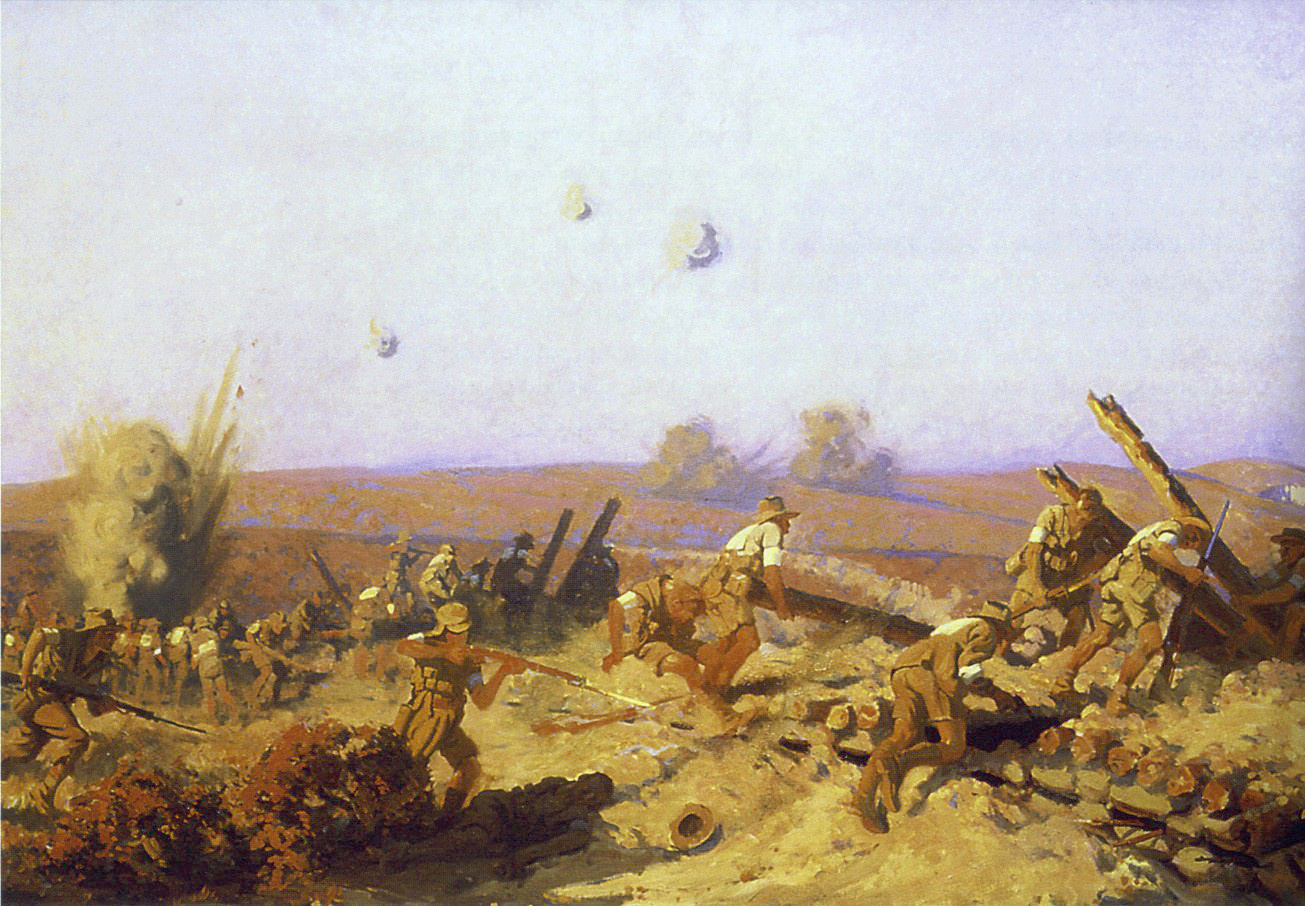
"The Taking of Lone Pine" by Fred Leist, 1921 By Gsl at English Wikipedia - Transferred from en.wikipedia to Commons., Public Domain, https://commons.wikimedia.org/w/index.php?curid=2352675
This is a photo of the memorial. And you can see a lonely pine that has been iconic part of this scene. But don't get confused with this tree being the tree that we link to in the Botanic Gardens. This tree at Lone Pine Cemetery is a later planting, a native pine of Gallipoli, Turkish red pine, Pinus brutia. many memorial trees planted in Australia and New Zealand as “Lone Pines” are actually other species, including Aleppo pine, radiata pine and Canary Island pine. In other words, not every Lone Pine is the same.
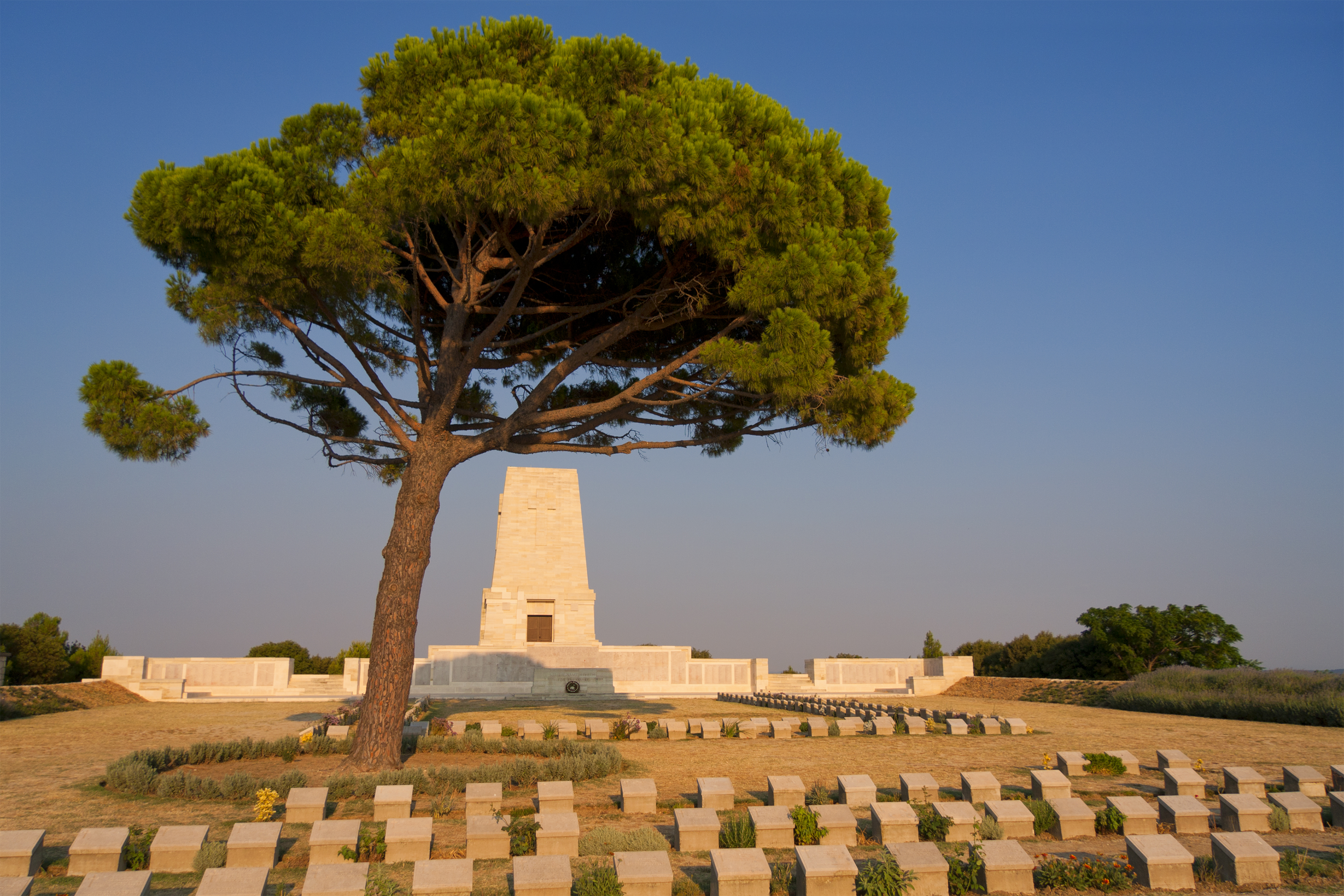
Late afternoon in July at the Lone Pine Cemetery, Anzac, Gallipoli, Turkey. 2013 - Gary Blakeley. https://en.wikipedia.org/wiki/Battle_of_Lone_Pinea genuine descendant of the Lone Pine line associated with Sergeant Keith McDowell.
For Timaru, Our Lone Pine tree story, links not to the Lone Pine Cemetery tree, but an important line linked to Thomas Keith McDowell and a Waikato golf course.
Thomas was born in London and enlisted in the Australian Imperial Force in Wonthaggi, Victoria, in January 1915. He served with the 23rd Battalion at Gallipoli and later in France before illness forced his evacuation to England and then return to Australia. During the Gallipoli campaign, McDowell picked up a cone from the original Lone Pine and took it to his home in Australia.
He gave that cone to Mrs Emma Gray, the aunt of his wife Iris. Emma lived at Grasmere near Warrnambool and, after about ten years, managed to grow four young pine trees from the seeds. Those seedlings were planted in Victoria in 1933 and 1934: at Wattle Park in Burwood, at the Shrine of Remembrance in Melbourne, at The Sisters Memorial Hall, and at the Warrnambool Botanic Gardens.
From a cone carried home from a battlefield, with the help of a woman with a green thumb... four trees were grown from memory of Gallipoli's grief.
Now somehow a kiwi school teacher got his hands on a seedling, and a tree from one of these four, grew in the Paeroa Golf Course in the Waikato, New Zealand.
A paper in 2007 written by Wilcox and Spencer identified the surviving Paeroa Golf Course tree as Pinus brutia and said it could well be a genuine descendant of the Lone Pine from McDowell’s original cone. At the time they were writing, they described it as possibly New Zealand’s only authentic descendant of that Gallipoli line.
Seeds were collected from the authenticated Paeroa tree in 2012 by Toby Stovold at Scion in Rotorua. Scion propagated about 50 seedlings and gifted them around New Zealand as living memorials, including to RSAs, schools, cenotaphs and gardens. Other seedlings went to places such as the National Army Museum in Waiouru, Christchurch’s Park of Remembrance and Government Gardens in Rotorua.
There is a lot more to learn about the Lone Pine memorials... this is a fantastic resource: https://nzhistory.govt.nz/culture/the-memorials-register/living-lone-pine-memorials
For local information you will be blown away by the research that has been compiled and shared by The South Canterbury Museum: https://museum.timaru.govt.nz/explore/online-exhibits/enduring-the-inferno-south-canterbury-and-the-first-world-war/gallipoli
Our Timaru tree is part of that act of remembrance, lineage that reaches back through Paeroa to the McDowell line, and is what I think makes our makes our Timaru tree so special. Its DNA links back to the battle feild, where so many men may have noticed a lonely pine.
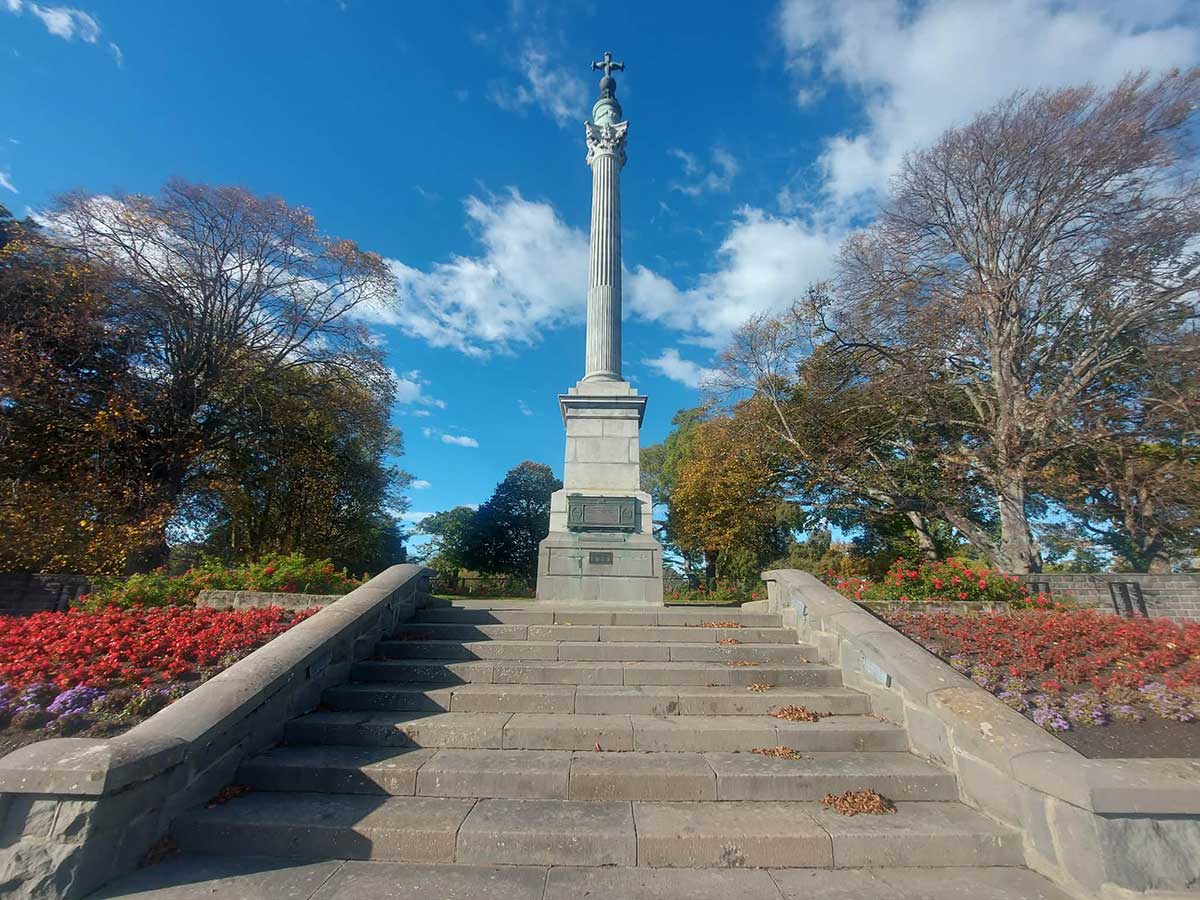
Timaru War Memorail on Queen Street, Timaru. The Lone Pine Tree was planted to its West side.
We often think of memorials as stone, bronze, or carved names. They are fixed, built heritage. They stand still, and give us a location to congregate, remember and reflect. But this memorial grows... a living memory of a horrific moment in our history.
This tree reminds us that that remembrance is not only about looking back. We can't get stuck in the past. But knowing our past, helps us know who we are today. And in this case reminds us of the atrocities of war, why we must remember, not let their sacrifice be in vein, and to make choices that we can live with for our future.
Lest We Forget.
Many of us are familiar with the traditional recitation on Anzac Day is the Ode, the fourth stanza of the poem For the fallen by Laurence Binyon (1869–1943). Some of his most well known lines are:
They shall grow not old, as we that are left grow old;
Age shall not weary them, nor the years condemn.
At the going down of the sun and in the morning
We will remember them.
Timaru’s Lone Pine gives those words a living shape. The men remembered at Gallipoli did not grow old, but this tree and many of its relitives do. It keeps growing in their memory, a living memorial in the Timaru Botanic Gardens, reminding us that while lives were lost, remembrance must go on.
The men who died at Gallipoli will not grow old, but our tree will.
Side quest: Who was Sergeant Keith McDowell?
The Lone Pine story becomes even more moving when you realise it comes down to one person making a snap decision. He was Private Thomas Keith McDowell, service number 929, 23rd Australian Infantry Battalion. Thomas Keith McDowell was born in London, enlisted in Victoria in January 1915. At aged 25, as a private, he was appointed to the 23rd Battalion and embarked from Melbourne on the Euripedes on 10 May 1915 to serve with the 23rd Battalion at Gallipoli. According to the Warrnambool Botanic Gardens research summary, he spent about 17 weeks at Gallipoli, and it was during this campaign, after the fighting around Lone Pine, he picked up a cone from the original Lone Pine and carried it home.
He later served in France, and was then evacuated to England suffering from tuberculosis and renal colic. Illness eventually forced his return to Australia. After returning to Australia in September 1916, he joined the 3rd Military District Guard, reached the rank of Sergeant there, and was later discharged as permanently unfit after a relapse. He received the 1914–15 Star, British War Medal, and Victory Medal. He gave his pine cone to Mrs Emma Gray of Grasmere, the aunt of his wife Iris. Emma Gray ran a general store in Grasmere with her husband Robert. About ten years later, Emma successfully raised four young trees from its seeds.
One seedling was dedicated in Burwood’s Wattle Park, home ground of the 24th Battalion, on 7 May 1933. A second was dedicated to the 24th at Melbourne’s Shrine of Remembrance on 11 June 1933. The third was planted at The Sisters Memorial Hall on 18 June 1933, on a block owned by Emma’s son Vern near an area of closer settlement and post-WWI soldier settlement. The fourth was planted in Warrnambool’s Botanic Gardens, with a dedication service on 21st January 1934. Another Australian soldier, Lance Corporal Benjamin Smith, sent a pine cone home to his mother in NSW and two trees were cultivated, one planted in Inverell and the other at the Australian War Memorial in Canberra in 1934.
- https://wbgardens.com.au/the-gardens/story-of-the-lone-pine
Side Quest: Who was the school teacher behind the Paeroa pine?
One of the people I did not expect to meet on this history hunt was a school teacher. His name was John Jorgens Jensen, a Paeroa teacher in the Waikato, an avid arborist who was interested in the natural world. He had been born in Denmark, came to New Zealand as a child, later served in the Second World War, and then returned to teaching in Paeroa. Somewhere along the way, he managed to obtain three Gallipoli-linked pine seedlings. One was planted on Primrose Hill, another near the old Ministry of Works site, and the third on the Paeroa Golf Course. That surviving golf course tree would later become one of the most important links in New Zealand’s Lone Pine story. John understood that memory can be carried not only in books and speeches, but in living things. What important foresight he had.
Side quest: Why gardens matter in remembrance?
One of the reasons I find this story so powerful is that it reminds me gardens are so much more than a collection of plants. I wonder if the early planners, advocates and gardeners of Timaru's Botanic gardens realised that they were also planting a public garden for us to grow our memories. From this blog, we can see how trees, like the Timaru Lone Pine can do more than mark the past. Tree's can ask generations to notice it, to learn from it, and to care for it. The men remembered at Gallipoli did not get to grow old, but this tree does. It keeps growing because others have chosen to protect it, research it, interpret it and pass its story on. In that sense, it is more than a memorial. It is an inheritance. A gift from the past, living in the present, and still being handed to the future.
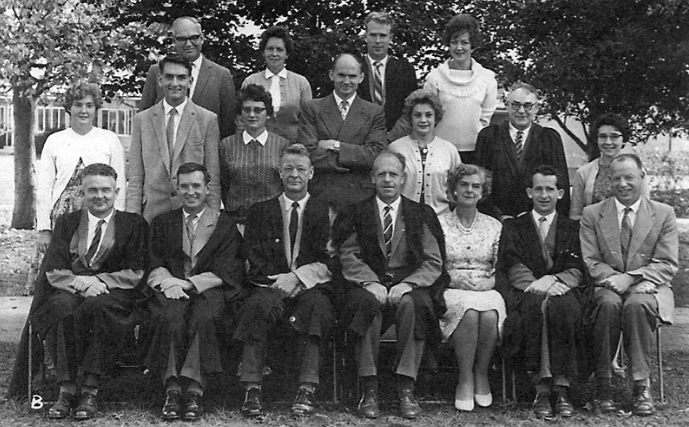
PAEROA COLLEGE STAFF 1962 "Mr J J JENSEN, B.A. Dip.Ed. (First Assistant)" John Jorgens Jensen front row, third from left. https://mail.ohinemuri.org.nz/journals/journal-48-september-2004/images-journal-48
Here are some photos of the tree and the war memorial taken by Roselyn Fauth in 2026.
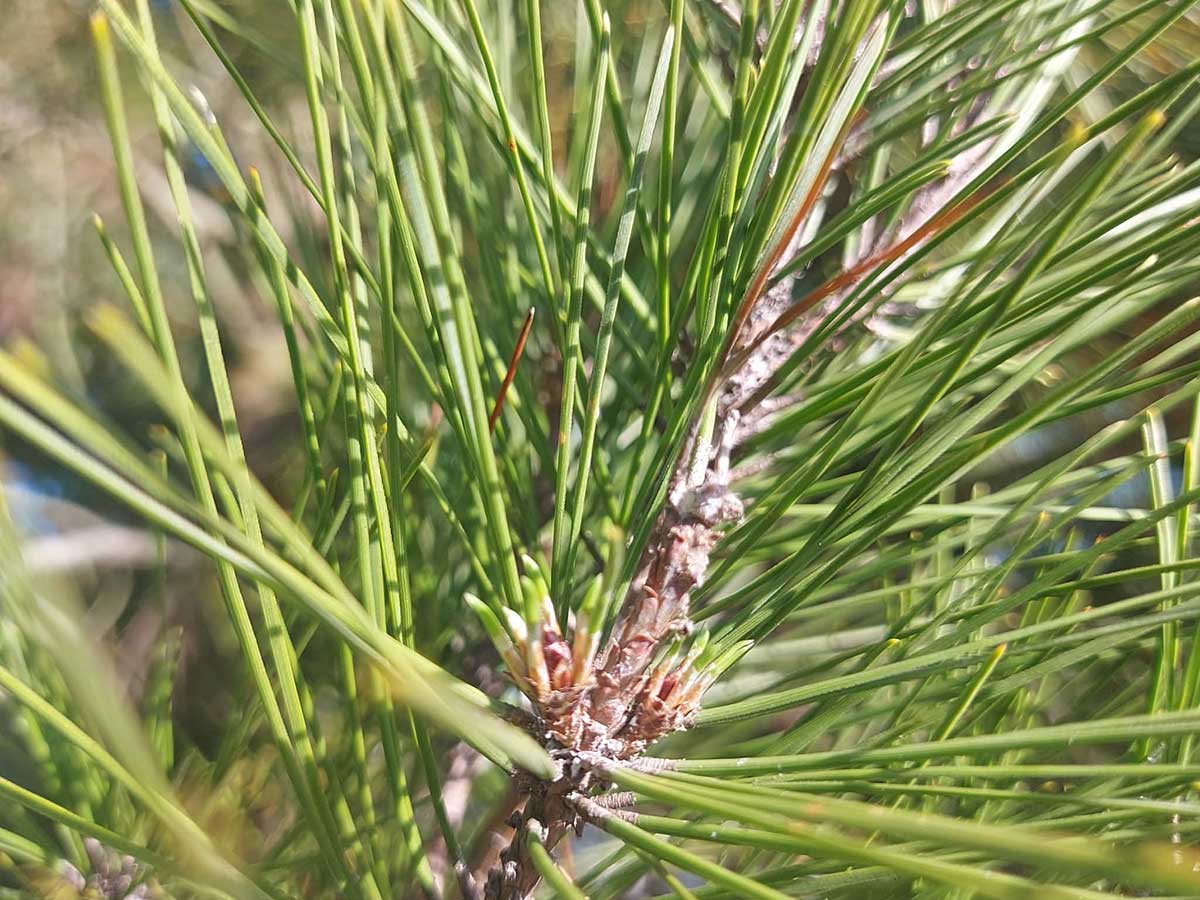
Lone Pine tree at the Timaru Botanic Gardens - Photography By Roselyn Fauth April 2026
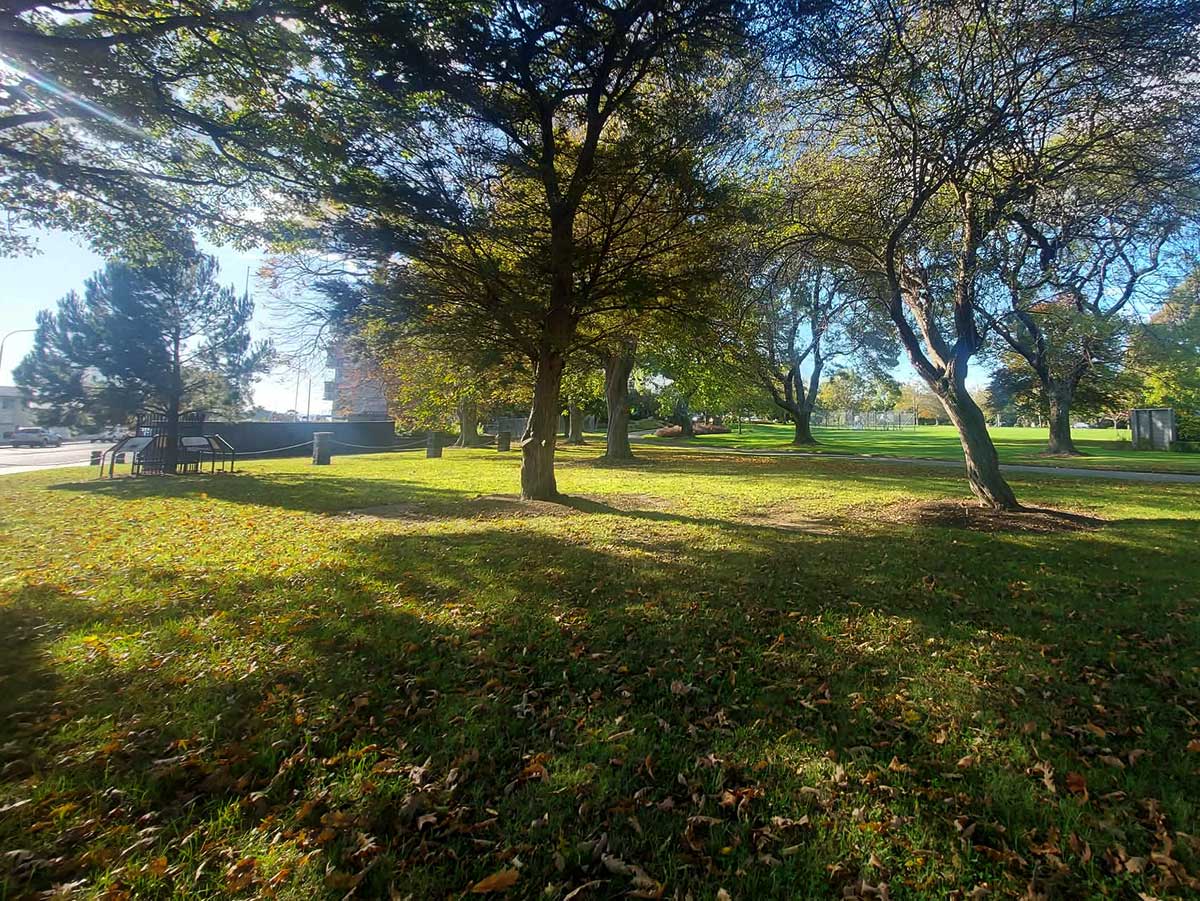
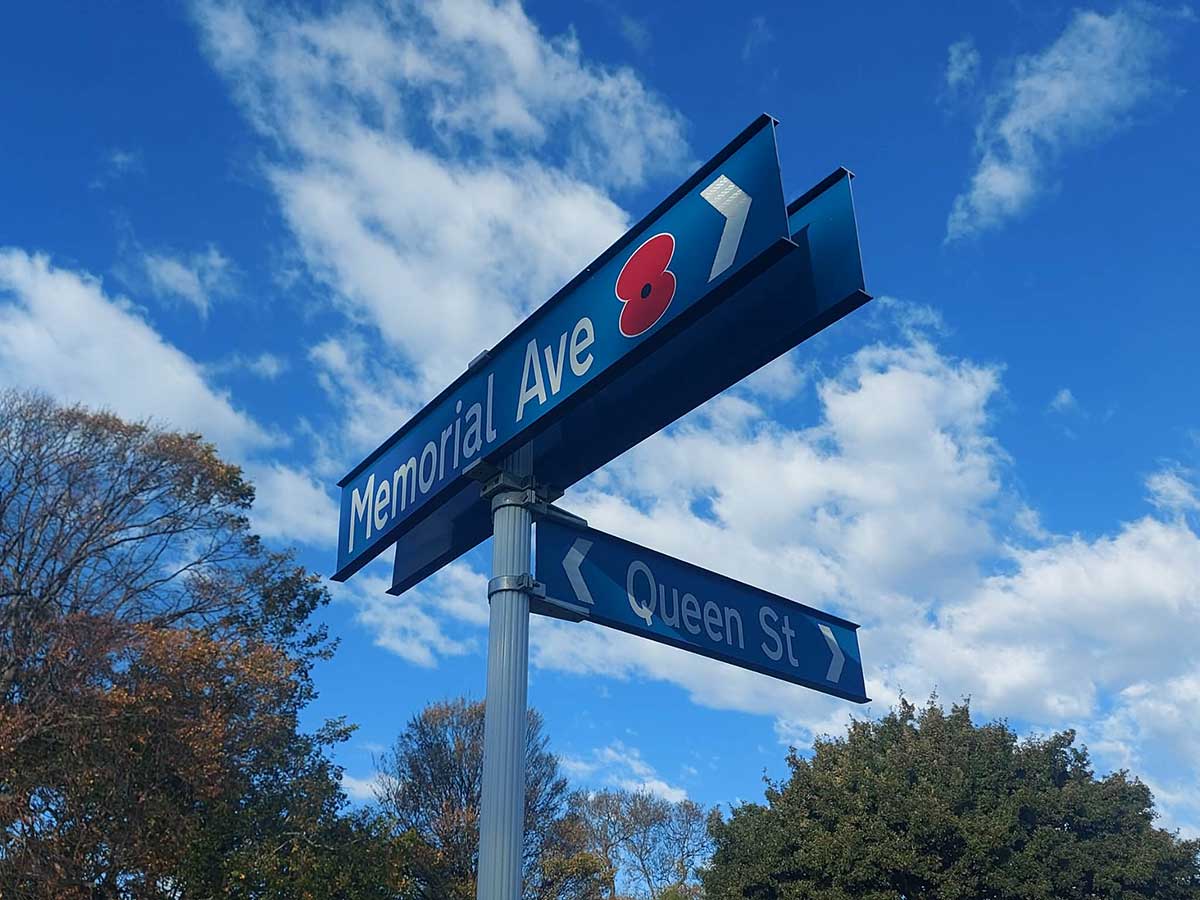
War Memorial at the Timaru Botanic Gardens boundary beside the Timaru Hospital. Photography By Roselyn Fauth April 2026
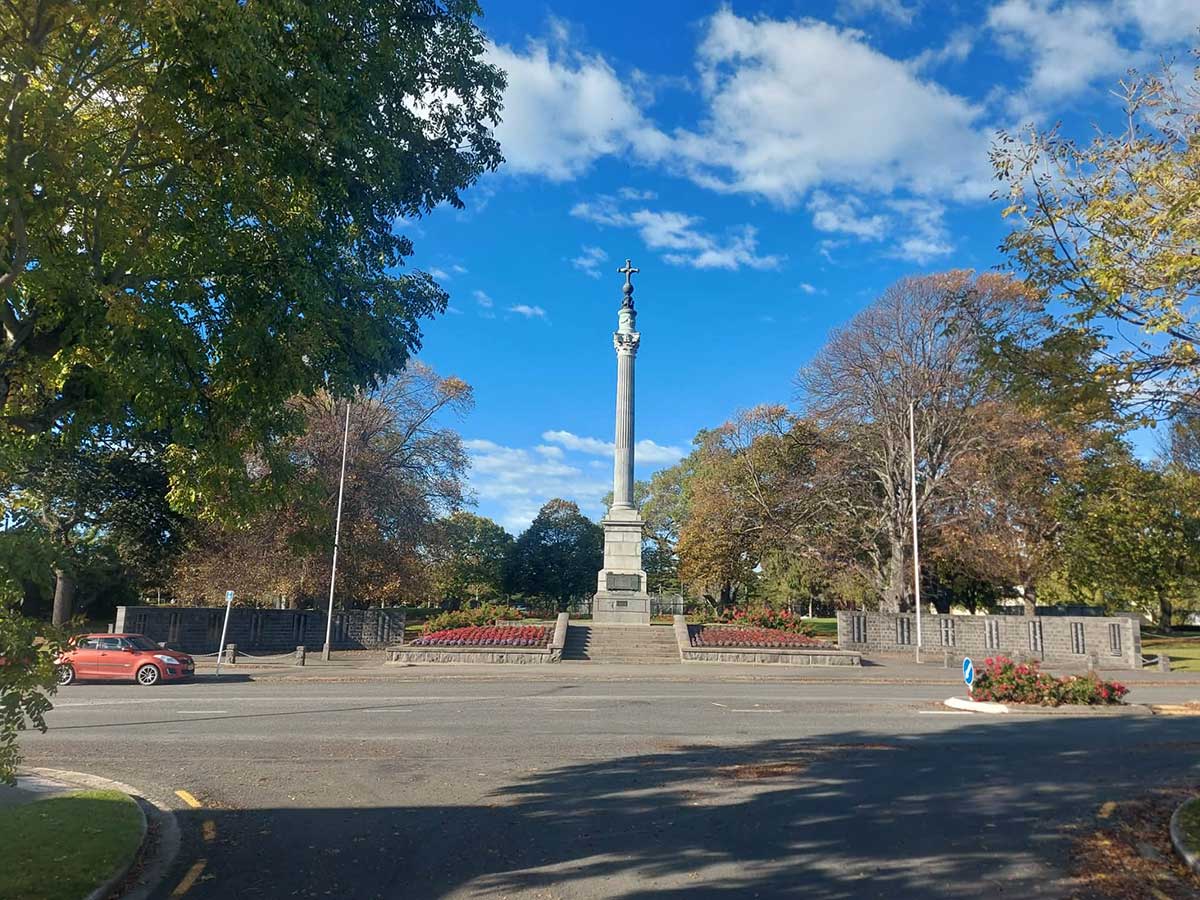
Photos from 2022

TIMARU
Botanic Gardens
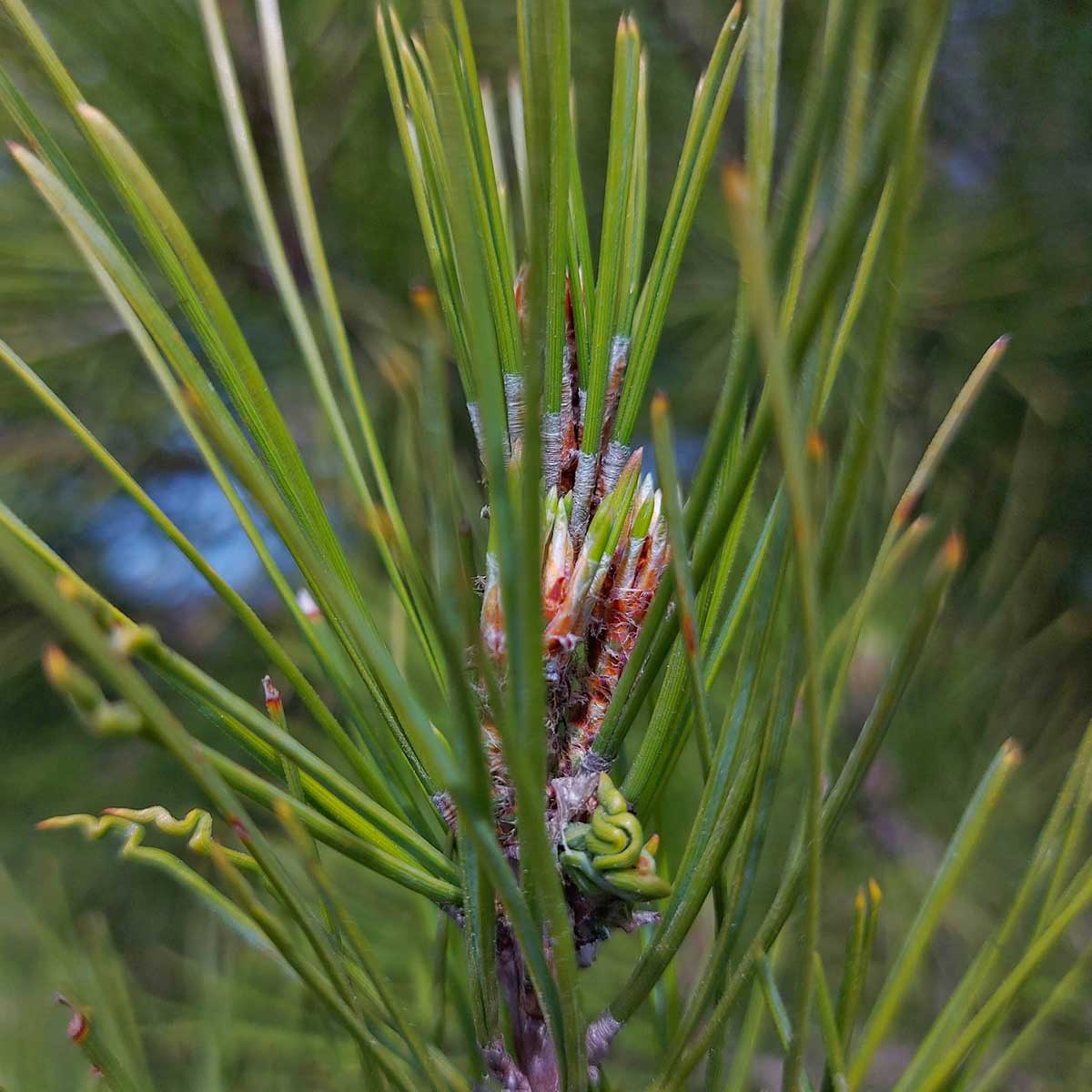
Spy a pine tree propogated from seeds collected in 2012 from Turkish red pine growing at the Paeroa Gold Course. Traced back to a pine cone bought home by Australian soldier WWI. Planted in 2015