By Roselyn Fauth
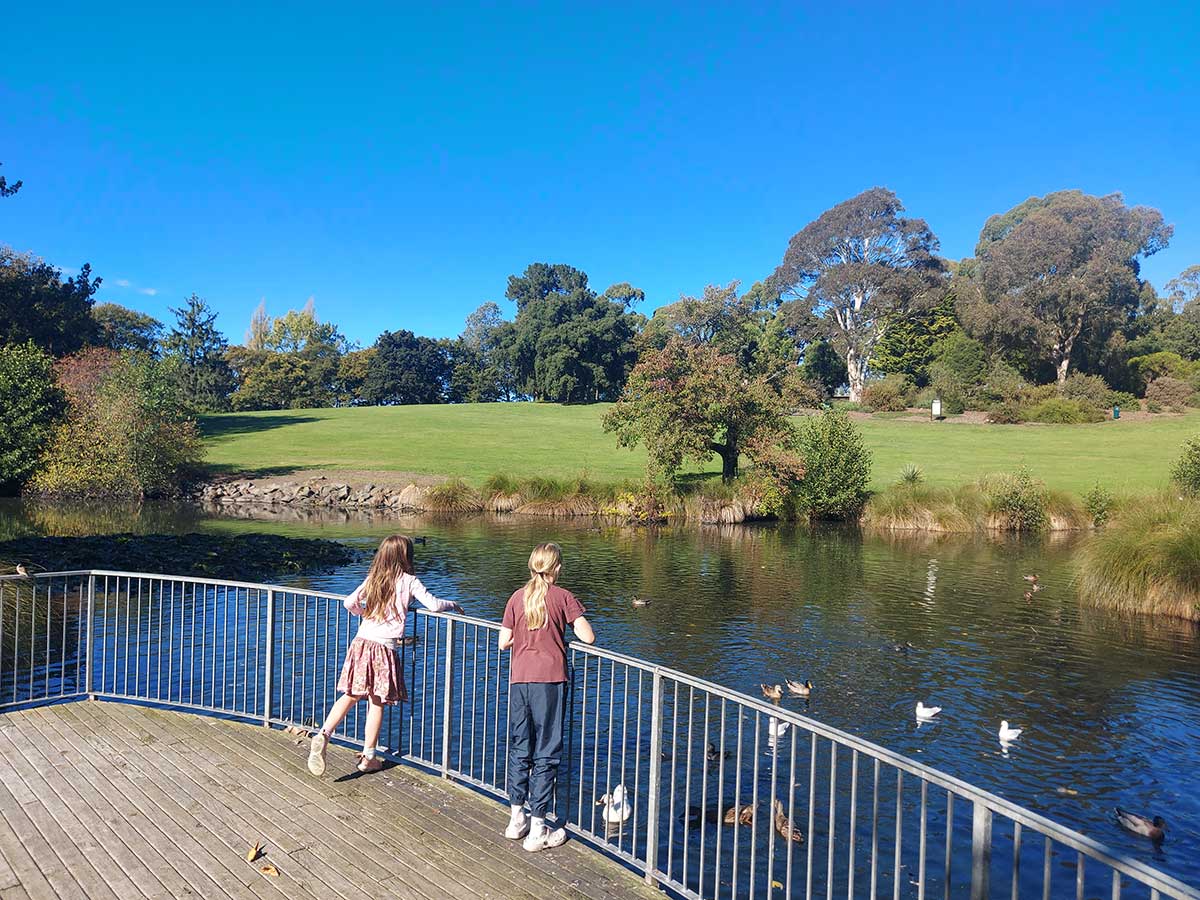
Walk through Timaru Botanic Gardens and it is easy to think first about beauty... The trees. The softness of the lawns. The ducks. The old-fashioned and formal layout of the space. Our Timaru Botanic Gardens feel old, established, like a green heart of our town for a very long time.
But places like this do not simply happen... someone had to imagine them, advoate and establish them into being.
What fascinates me about the Timaru Botanic Gardens is that they are not just a collection of plants or a pleasant public reserve. They are a record of what people in this town valued, admired, and sometimes, while well meaning at the time, got it wrong.
The gardens began in the 1860s, when land was reserved and local people began the long work of shaping a public space that would bring order, beauty and civic pride to a growing settlement. There is something hopeful here. Where European settlers were not only building roads and shops. They were also trying to build identity. They wanted beauty, permanence and perhaps a sense of home in a place that still felt raw and unsettled. They wanted to feel like they were at their old home in their new home.
Some of the early work was helped along by prison labour. Later, other groups such as the South Canterbury Acclimatisation Society introduced fish and game species in the belief they were improving the landscape. At the time that probably felt progressive, even generous. Now we can see the environmental cost far more clearly.
That is what makes this history so interesting to me. It is full of good intentions, civic energy, blind spots and changing values.
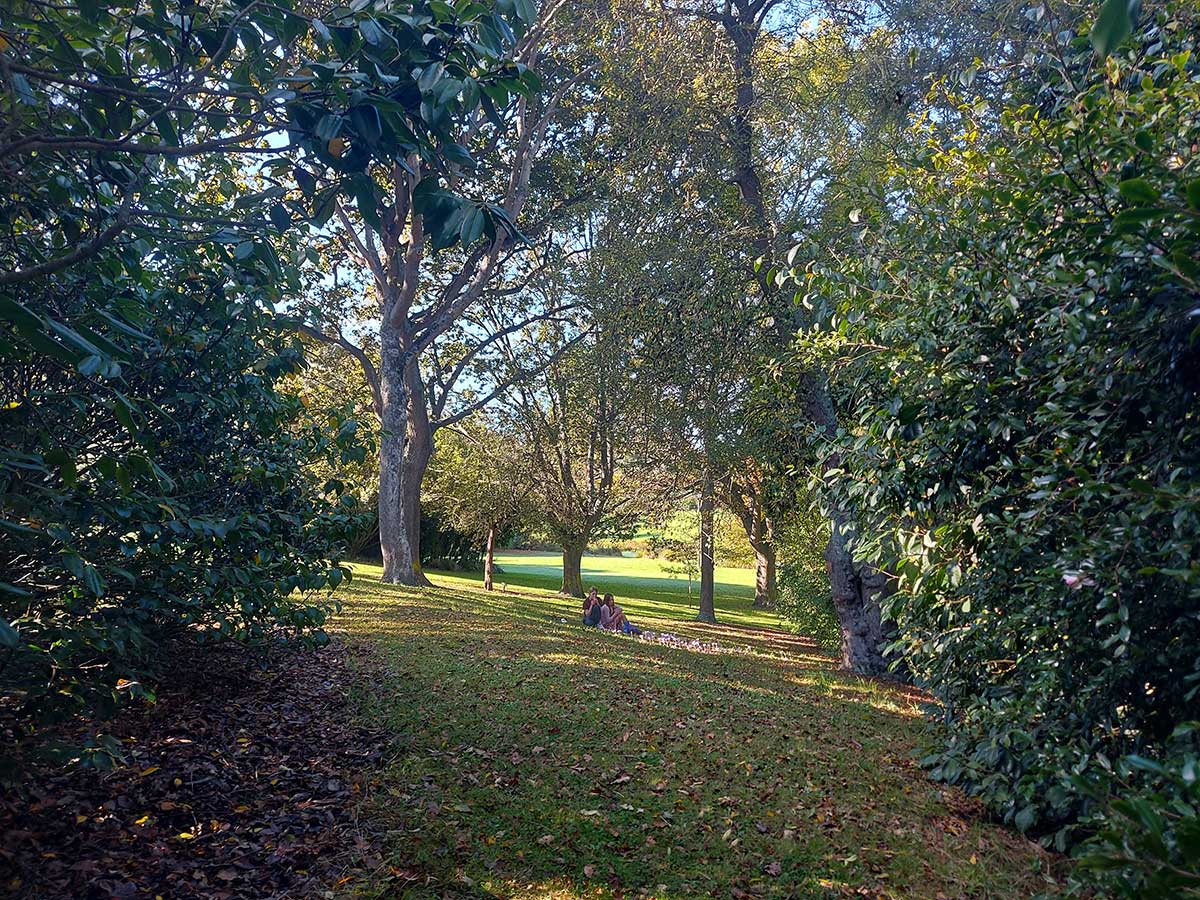
In our garden story there are so many advocates. As well as those on the payroll for growing, curating and maintaining gardens, there are the volunteers. And the Timaru Beautifying Society, and later the Friends of the Botanic Gardens, carried that local instinct to make a place better, greener, more loved. Not for profit. Not for applause. Just because public places mattered, they could see the impact they could make and to plant little plants for the future generations to enjoy.
They could see the difference they might make, and they planted not just for themselves, but for generations they would never meet.
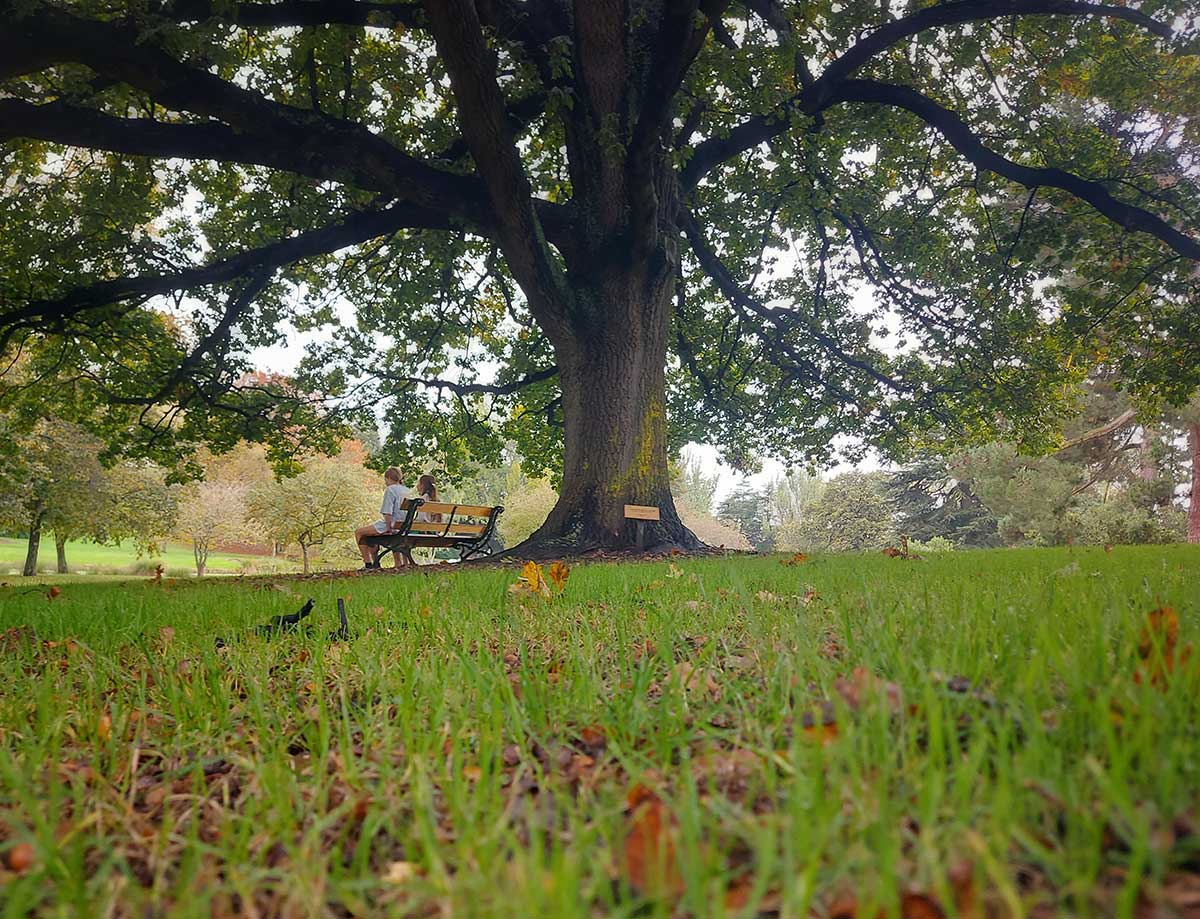
Dutch Elm Tree - Timaru Botanic Gardens 2026 - Photo Roselyn Fauth
The South Canterbury Acclimatisation Society is one of the more complicated parts of this story.
In the nineteenth century, acclimatisation societies were seen as forward-thinking. They imported trout, salmon, pheasants, hares and other species to make the colony feel more familiar and to provide sport and food. It was part of a wider settler mindset that believed land could be improved, reshaped and made more useful. Looking back, we can see that this came at a cost to native ecosystems, but at the time many people genuinely believed they were enriching the place.
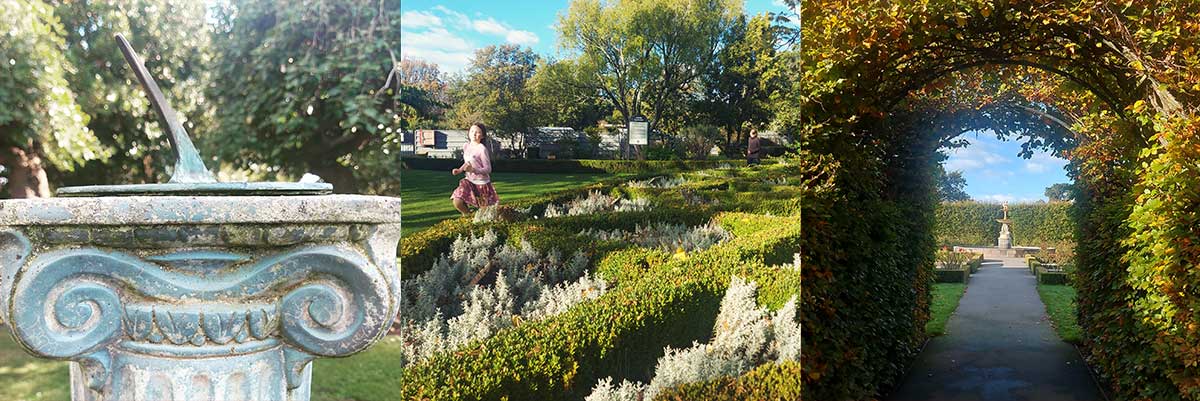
Timaru Botanic Gardens - Herb and Rose Gardens - 2026 - Photo Roselyn Fauth
That tension reminds us that people can be industrious, civic-minded and generous, and still leave behind problems for future generations to grapple with.
The Timaru Beautifying Society tells another side of the story.
If the acclimatisation movement was about changing the natural environment, the beautifying movement was about shaping the town. These were people who looked at open spaces, streets, squares and reserves and saw possibility. They wanted Timaru to be attractive, orderly and welcoming. They believed beauty in public places could be a part of daily life. It gave people somewhere to gather. It created pride in where they lived.
There is something deeply hopeful about people planting trees and laying out gardens they know they may never see at full maturity. It is an act of faith and optimism. It says that the future matters, and that beauty belongs to everyone, not just to those with private land or money.
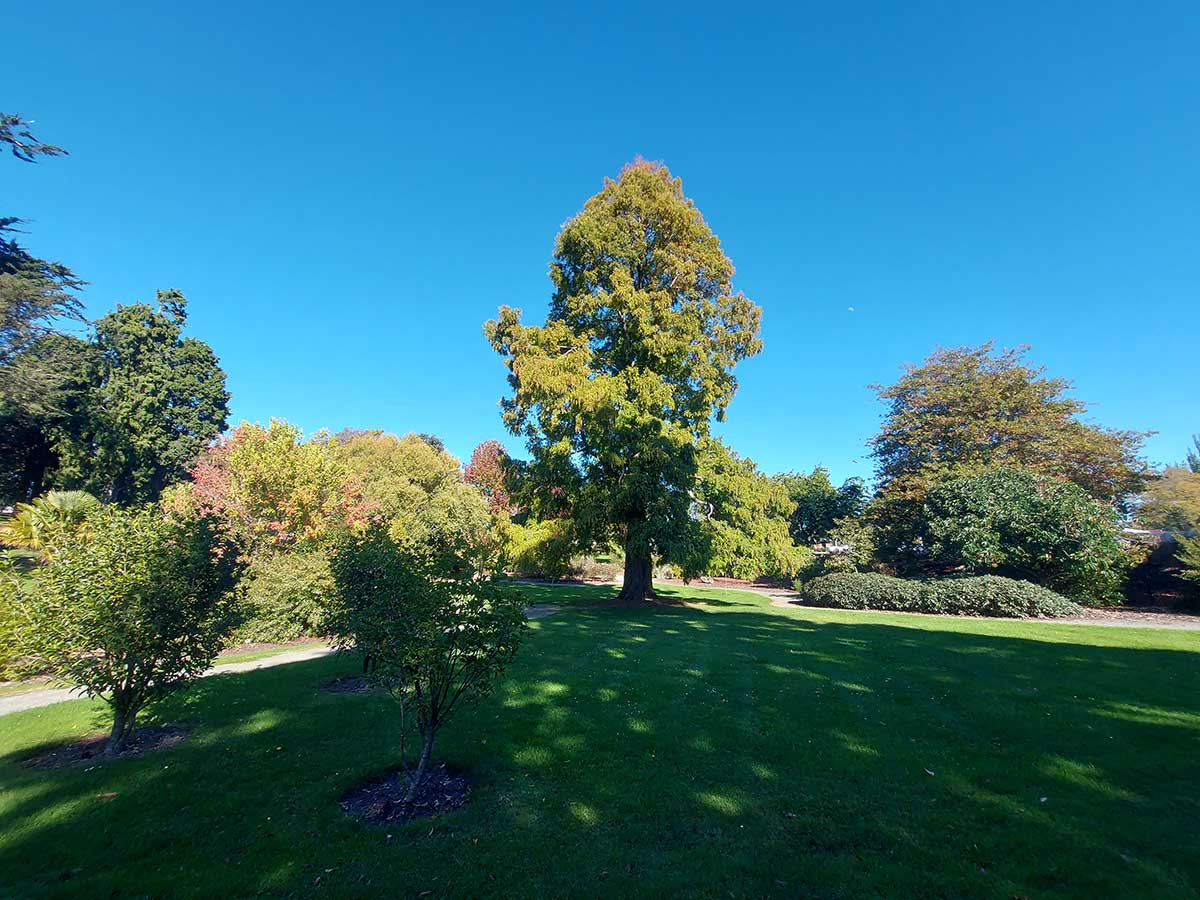
Metasequoia. glyptostroboides. CUPRESSACEAE. Dawn Redwood. China. Photo R Fauth 2026
The Friends of the Botanic Gardens story feels more familiar to us because it sits closer to our own time. It has only recently gone into recession. I had the pleasure of guest speaking to their group for their AGM. They were a small volunteer group who rallied around the Botanic Gardens, fundraising and advocating for better resourcing. They not only did the talk, but they did the work to make sure investment into our parks was in the councils plans, and to make sure people remembered that the public gardens were worth caring about. Worth protecting. Worth passing on.

A Statue of Robbie Burns; The Unveiling Ceremony at the Timaru Botanic Gardens in May 1913. Aoraki Heritage Collection, https://aorakiheritage.recollect.co.nz/nodes/view/44
That is something Timaru has always had. People who care deeply about place.
People who are prepared to speak up for trees, gardens, gates, paths, ponds and public spaces do so because they know these things shape the life of a town more than we sometimes realise.
The gardens themselves have changed over time, as all living places do. Land has been altered. Features have been added. Priorities have shifted. New understandings of conservation and heritage have emerged. What was once seen simply as a place of display and recreation is now also understood as a place of heritage, learning, ecology and memory.
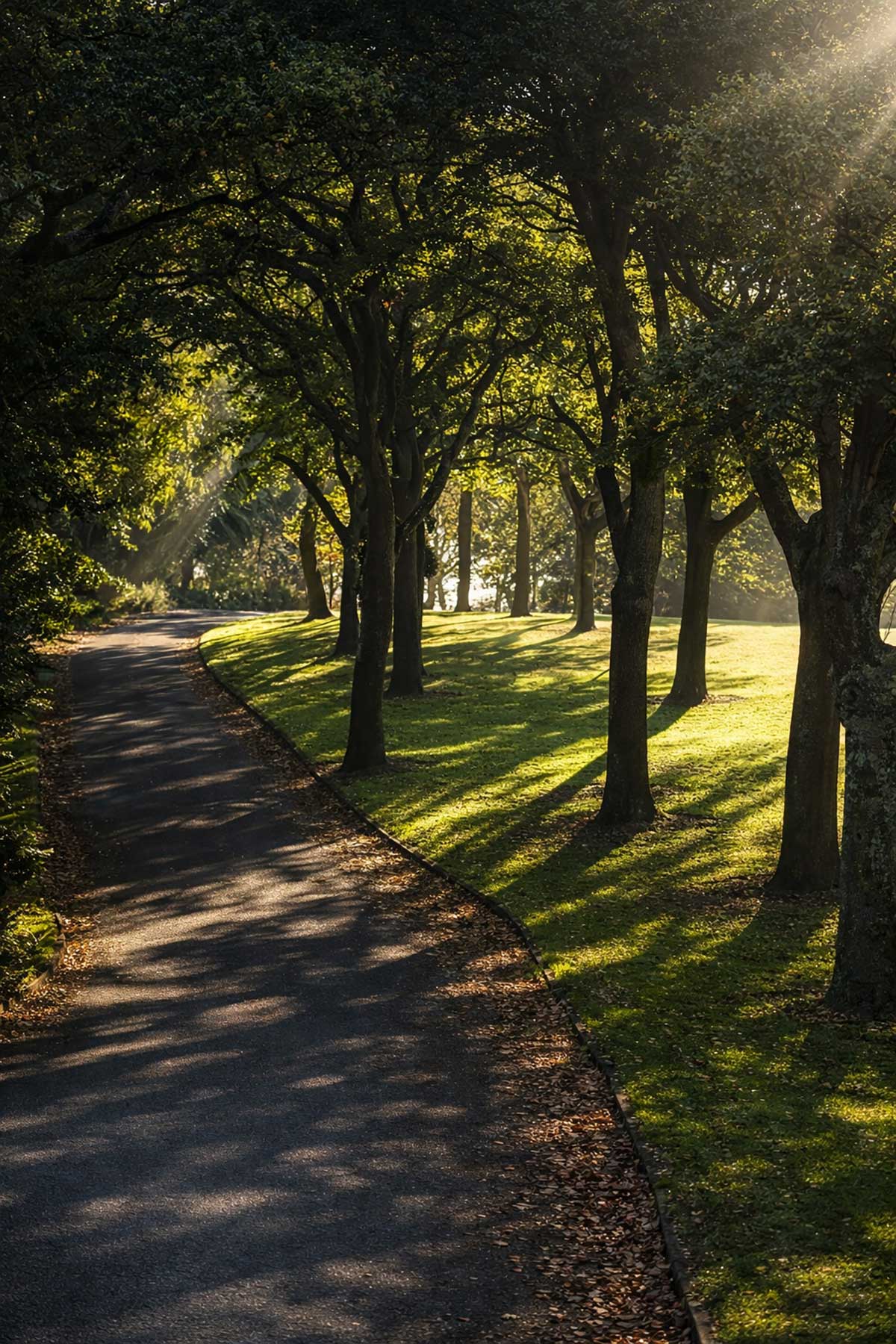
And perhaps that is why the Timaru Botanic Gardens still matter so much. They are not frozen in time. They are a living record.
They hold the ambitions of early settlers, the labour of workers, the enthusiasm of volunteers, the confidence of those who thought they were improving nature, and the later wisdom of those who began to question that idea. They hold the town’s changing relationship with beauty, with public space, and with the natural world itself.
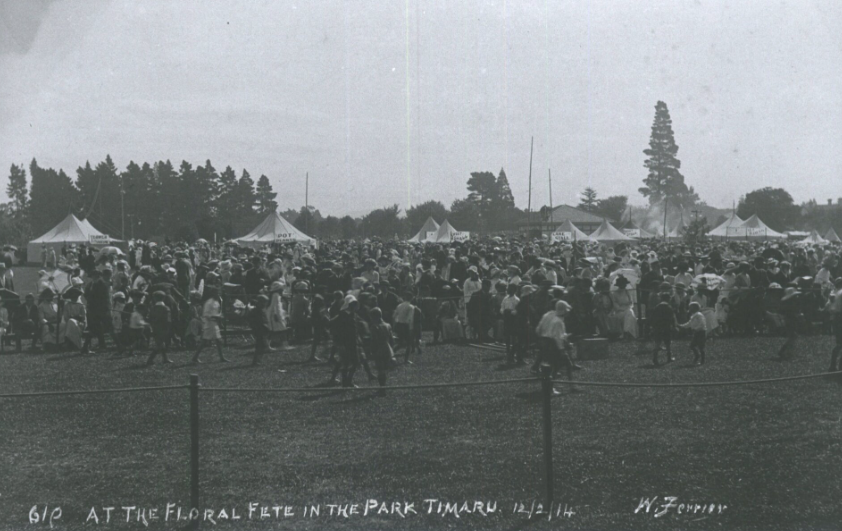
At the Floral Fete in the Park, Timaru (12th February 1914). Hocken Digital Collections, https://hocken.recollect.co.nz/nodes/view/24208
When we walk there now, we are not just enjoying a garden. We are walking through layers of effort. I often look at the very oldest trees in the park, and wonder how they brought their seeds here. The work it took to source the collection and make sure they could grow to a ripe age.
That, to me, is what makes the Timaru Botanic Gardens so much more than a lovely place for a stroll.
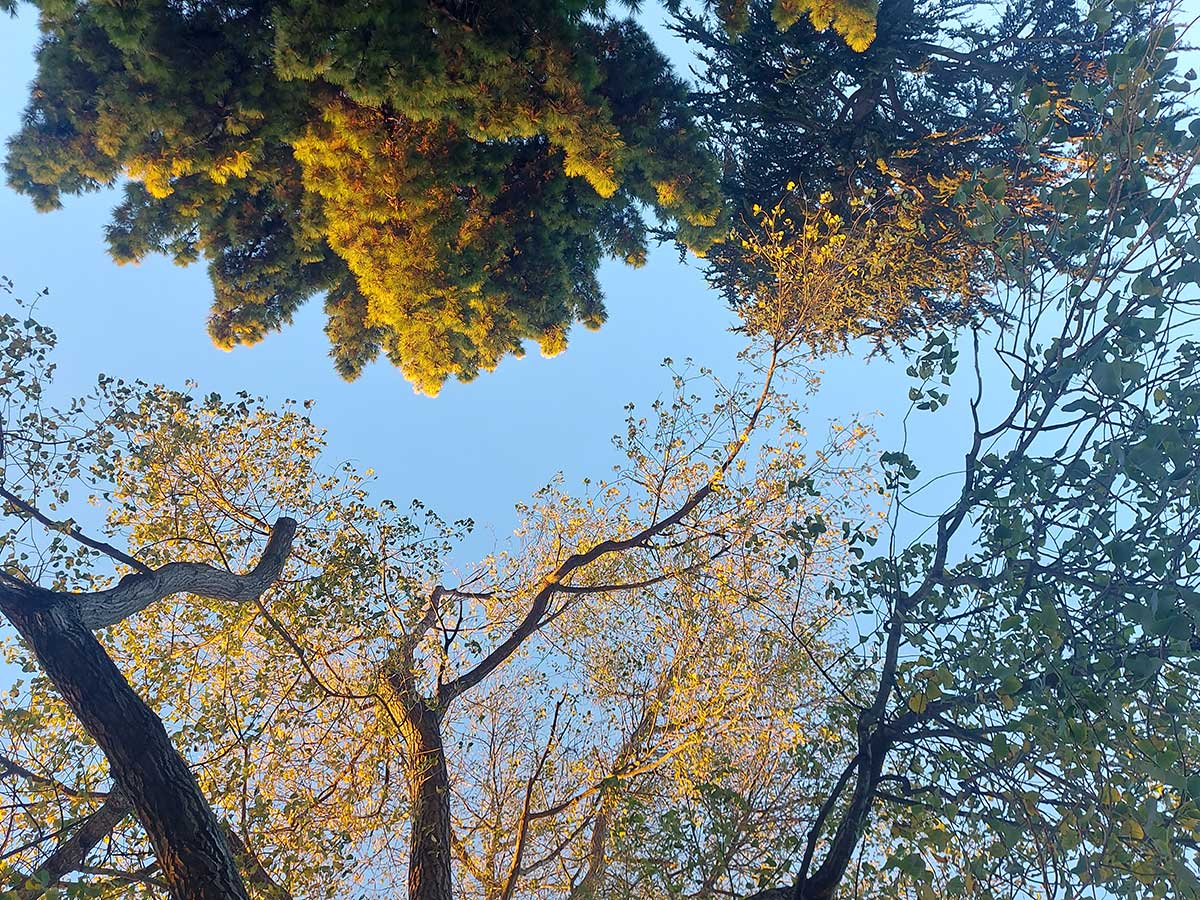
They tell us something about who we have been.
And perhaps, if we listen closely enough, they also tell us something about who we want to be.
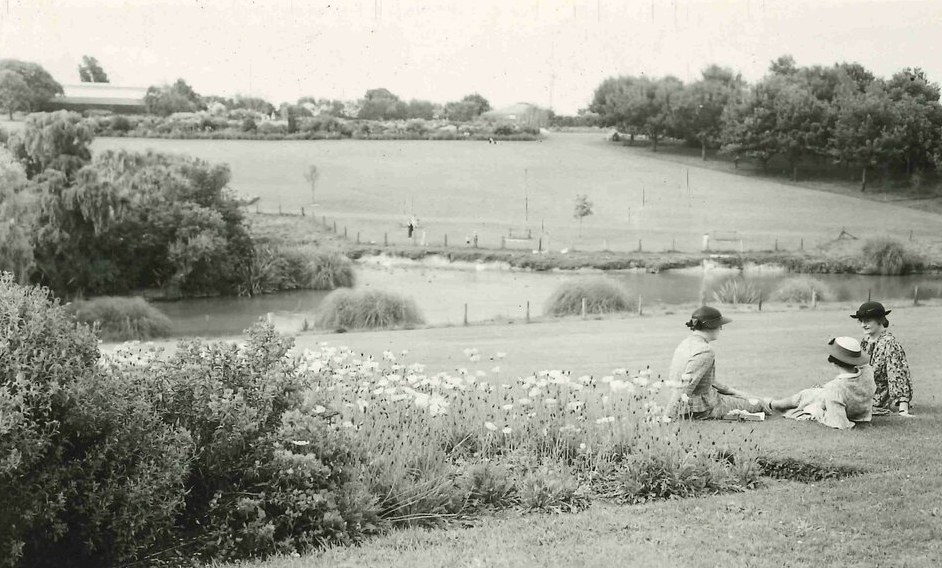
View across the duckpond, with three seated ladies in the foreground. Timaru Botanic Gardens. Tanner Brothers Ltd - aorakiheritage
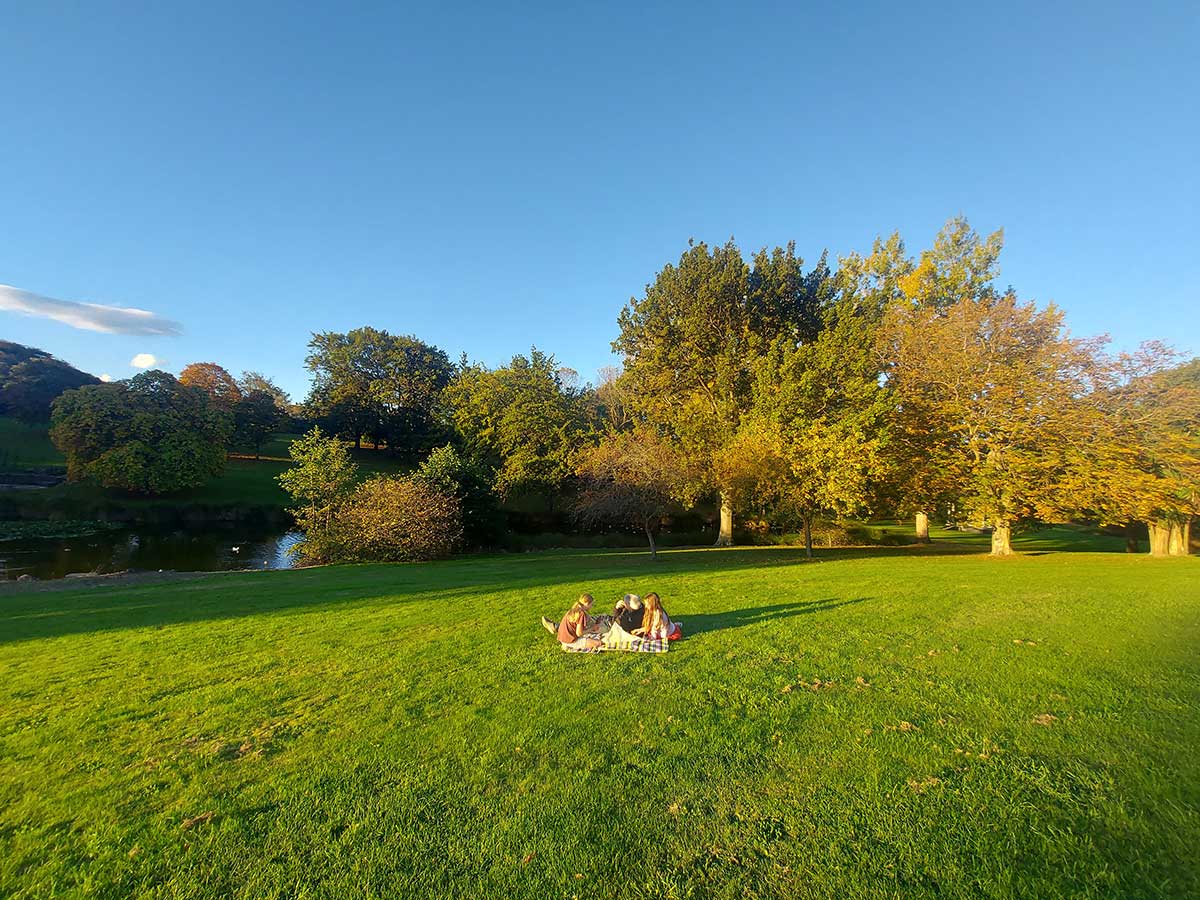
Fauth family enjoy a Fish n Chip picnic in the Botanic Gardens April 2026 - Roselyn Fauth
Timeline: Timaru Botanic Gardens and related organisations
1864
Land at the south end of Timaru was reserved after local residents asked the Canterbury Provincial Council to set aside public land. Part of this became the Botanic Gardens.
1867
The reserve came under the care of the Timaru Park Commissioners.
1868
Planting work in the Timaru Botanic Gardens began.
1872
Funds were set aside for a ranger’s cottage, and the public was encouraged to donate plants and shrubs for the gardens.
1876 to 1877
The South Canterbury Acclimatisation Society was already active by this period, importing and liberating introduced species including trout, salmon, pheasants and hares.
1878
A newspaper report recorded the South Canterbury Acclimatisation Society meeting and reviewing its work for 1876 and 1877, confirming it was well established by then.
Late 1870s onward
Early development of the Botanic Gardens was supported not only by donations and fundraising, but also by labour from Timaru Gaol prisoners.
Circa 1899 to 1900
The first Timaru Beautifying Association appears to have formed around this time. In 1905 it described itself as having been established “five or six years ago”.
1896
A special meeting of the South Canterbury Acclimatisation Society considered amalgamation with the Geraldine County Society.
1897
Reports referred to a “new society” after amalgamation, and recorded licence numbers, ranger salaries, and anti-poaching concerns.
1905
The Timaru Beautifying Association held its sixth annual meeting and reported major work in Alexandra Square and Caroline Bay, supported by both public subscriptions and Borough Council funding.
1905
The first glasshouse or conservatory was built in the Timaru Botanic Gardens.
1912
The Band Rotunda was built in the Botanic Gardens to commemorate the coronation of King George V.
1913
The Robert Burns statue was donated to the gardens by former mayor James Craigie.
1914
The South Canterbury Acclimatisation Society was still involved in regulatory debates, including protection and control of shags.
1916
Tennis courts and a bowling green were laid down in the Botanic Gardens.
1935
The Gloucester Gates were opened by the Duke of Gloucester at the Queen Street entrance to the Botanic Gardens.
1937
A public meeting was called by the Mayor to form a Timaru Beautifying Society, suggesting a revival or reconstitution of the earlier beautifying movement.
1938
Land was subdivided from the Botanic Gardens for hospital use, changing the size and shape of the reserve.
1940s
The Timaru Beautifying Society continued to be active in civic planting and beautification work, including memorial and Arbor Day plantings.
1988
The Shakespeare Trail was laid out in the Botanic Gardens, and the Graeme Paterson Conservatory was built.
1990
National legislation transformed acclimatisation societies into Fish and Game Councils, ending the old acclimatisation society structure.
1991 to 2009
Evidence shows the Friends of the Timaru Botanic Gardens were active during this period. Janet E. R. Street served as secretary and was later commemorated with a memorial tree.
2014
Timaru Botanic Gardens received recognition as a Garden of National Significance from the New Zealand Gardens Trust.
2017 to 2018
The Friends of the Botanic Gardens were re-established after a period in recess.
2018
The Friends partnered in community activity in the gardens, showing the renewed group was active again in public engagement.
2019
The Friends of the Botanic Gardens made a formal submission to Timaru District Council advocating for a full-time paid curator or manager for the gardens.
2021
Timaru District Council’s published history continued to present the gardens as a major public and heritage space with nationally significant collections and features.