
By Roselyn Fauth
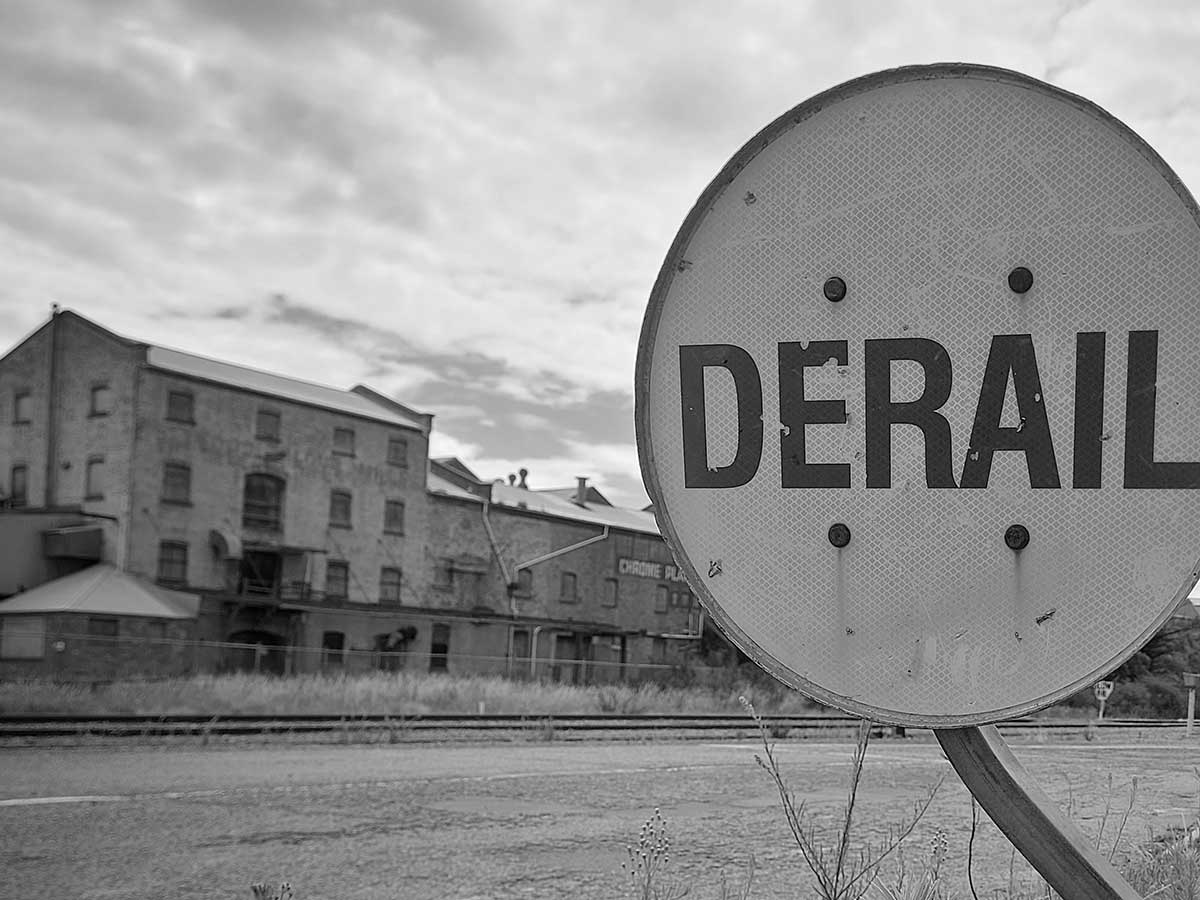
Arthur Ormsby opened the Belford Steam Flour Mill at the southern end of North Street. The building was constructed beside the railway and partly excavated into the old beachfront cliff. A council heritage assessment records that Ormsby’s wife Margaret, née Hunt, came from Belford in Northumberland and says this may explain the mill’s name.
Belford Flour Mills and Timaru’s Oldest Surviving Mill
There are some buildings in Timaru that people drive past without really seeing... I wonder if the former Belford Flour Mills in North Street is one of them.
It is big, brick, practical, and a bit tucked into the industrial port edge of town. It does not show off in the way some of our heritage buildings do. It is not dressed up like a grand hotel or a church or an elegant old bank. But once you know what it is, you start to see it differently. This building is the oldest surviving mill in Timaru.
Now listed by Heritage New Zealand as Old Mill Cabaret Ltd (Former Belford Mill), the former Belford Flour Mills at 2–4 North Street were built in 1877–78. They are one of the clearest physical links we have to the years when flour milling was a serious part of South Canterbury’s economy, and when grain was helping shape Timaru’s working shoreline.
As I was learning about the buildings history realised its story goes hand in hand with our land.
One of the things I find most interesting about Belford is that it only really makes sense when you stop and think about where it sits.
The former mill stands on the south side of North Street, immediately west of the railway line, with the port to the north and north-east. It was built right where grain needed to move.
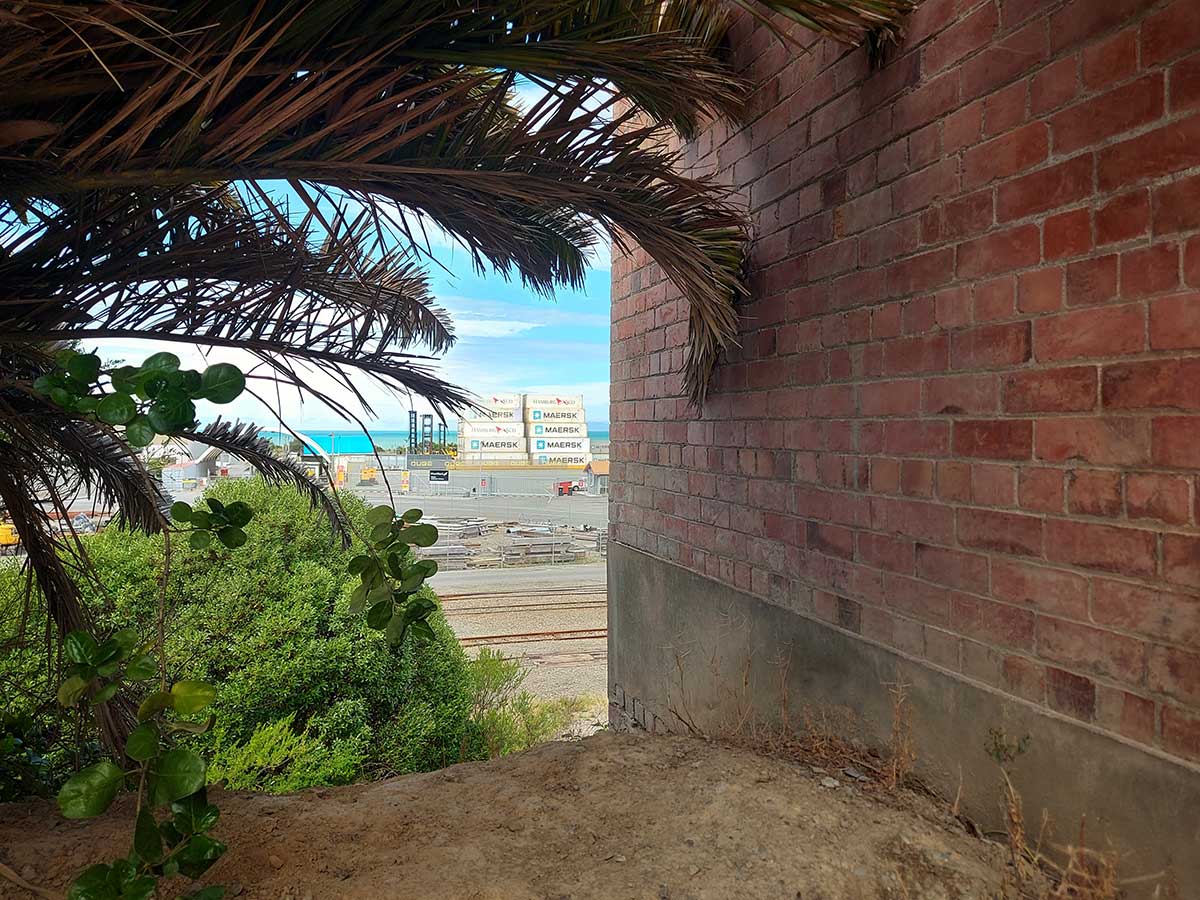
The grain store sat level with North Street, while the lower floors of the mill were cut into the old beachfront cliff so they could sit close to the railway. A siding ran along the eastern side of the building, which meant goods could be loaded and unloaded directly.
That is such a practical piece of thinking. No fuss. No wasted motion. Just a building shaped around the work it had to do.
I wa learning about its construction and then I clicked, that the building was shaped by the land as much as by the industry. Timaru’s edge is not some smooth, blank slate. It is a coastline formed by volcanic history, erosion, and the build-up of the plains inland. That old bank mattered here. Belford used it. The building was not simply placed on the site. It was worked into it.
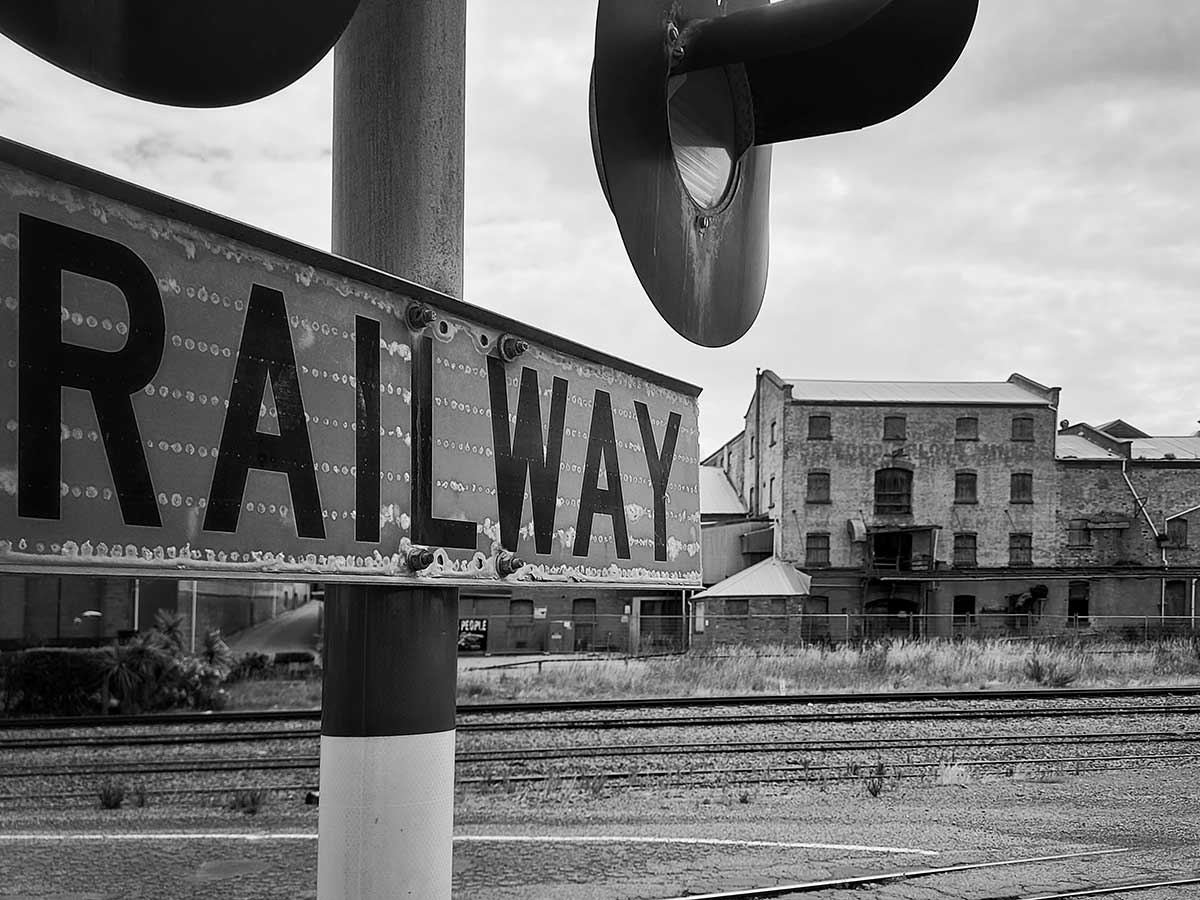
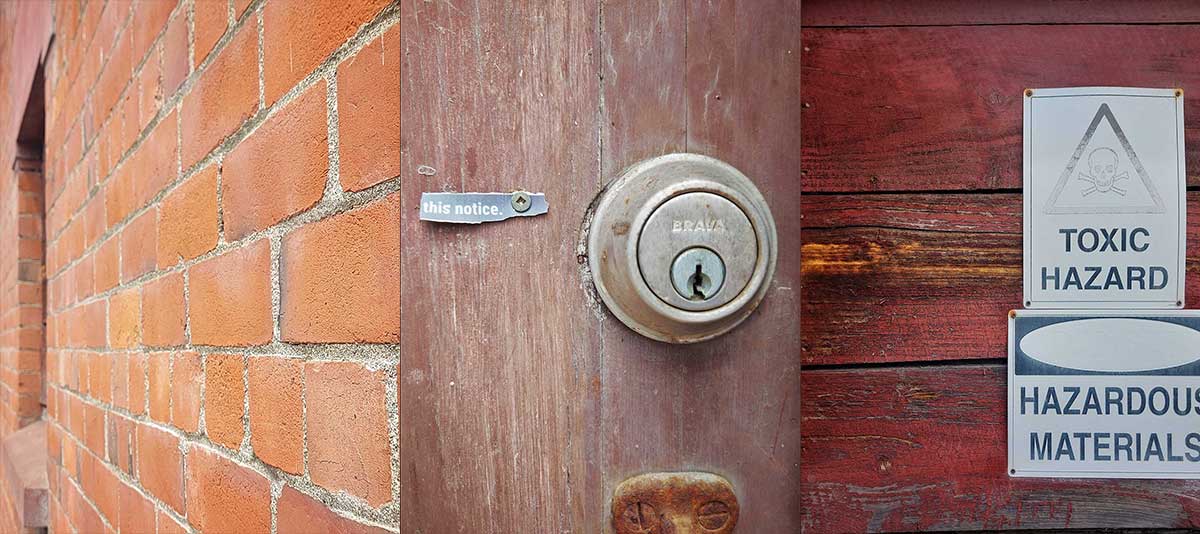
You can still read that in the form of the building now. It has an irregular rectangular footprint, hipped and gabled roof forms, and because it is built against the bank, it changes depending on where you stand. From one side it is only one or two storeys high. From the railway side it rises to two, three, and four storeys. Most of the windows and door openings have shallow arched heads. There are roof ventilators, and if you look carefully, you can still see the ghost of the words “Belford Flour Mills” on the east side.
I love that sort of thing. A faded name still hanging on.. a ghost sign.
This grain giant was built for work
Belford is made of brick, concrete, timber, and corrugated iron roofing. Heritage records describe it as industrial vernacular, which feels exactly right. It was not built to impress people passing by. It was built to mill flour and move grain efficiently.
But that does not mean it is without character? In fact, I think that is part of its character. Belford has a kind of honesty to it. It tells you straight away that this was a working building.
And of course, a mill like this only existed because something was happening beyond the town too. South Canterbury’s plains and downlands were producing grain at scale. Wheat mattered most for flour milling, but behind this building were paddocks, seasons, harvests, weather, and a lot of human labour.
That is easy to forget when looking at an old brick wall. Behind Belford were growers, farm workers, bullock drivers, carters, railway men, merchants, tally clerks, engineers, mill hands, and ship crews. And behind them were households whose fortunes rose and fell with prices, yields, transport costs, and whether a season went well or badly.
Arthur Ormsby and the opening of the mill
The Belford Steam Flour Mill opened in the winter of 1878 under local solicitor Arthur Ormsby. Offices were added at the site later that same year. The name “Belford” may well have come from Ormsby’s wife Margaret, who came from Belford in Northumberland, England.
I like that detail. Even here, in a flour mill on Timaru’s industrial edge, there is a thread back to another place, another memory, another life left behind.
When the mill first opened, it was fitted with three French millstones. Then in 1885 it was converted to a roller mill. That was an important shift. Roller milling was part of the modernising of the industry. It improved efficiency and consistency and helped mills keep up as production scaled up.
Ownership changed over time. In 1890, Richard Allen sold the mill to Turner, Brown and Jackson. By 1892, John Jackson was sole owner. Jackson was not just a businessman either. He served as a borough councillor and later spent four years as Mayor of Timaru.
That seems to happen quite a bit in these stories. The people involved in trade, shipping, milling, and storage were often the same people shaping the town in other ways too. Business and civic life were closely connected.
By the turn of the twentieth century, when Timaru was considered the centre of New Zealand’s milling industry, Belford was producing nine sacks of flour an hour. In 1902, the Timaru Herald described it as the oldest mill in the district.
Timaru’s flour was already going further afield
One of the most useful things to remember is that Belford did not arrive at the beginning of the flour story. It arrived after Timaru’s flour trade was already starting to stretch outward.
In 1867, David Clarkson and Richard Turnbull of Clarkson and Turnbull made the first export of local flour from Timaru to the United Kingdom.
That one fact says a lot.
By the time Belford opened in 1878, flour was already more than just something for the local market. It had become part of a growing export economy. Grain grown on South Canterbury land could be milled here and sent right across the world.
That gives Belford a wider frame. It was not just serving the town. It belonged to a regional and international trade network.
The people who made the building
The former Belford Flour Mills were designed by Maurice de Harven Duval and built by contractor George Filmer.
Duval, who was French or Belgian, practised in Timaru between about 1877 and 1895. He did a lot of work in South Canterbury, including church, educational, commercial, and residential buildings. Belford shows a more utilitarian side of his work. No grand flourishes here. Just a building designed to do its job well.
George Filmer was a local builder active from the early 1870s and he too was involved in local body politics. He also built the National Bank in Stafford Street in 1881–82. The bricks for Belford were made locally by James Shears, and John Anderson of the Canterbury Foundry in Christchurch was the engineer for the mill.
I always think these names matter. Someone made those bricks. Someone laid them. Someone worked out how the machinery would function. Someone had to build a mill that could cope with the scale of the work and the demands of the site. Buildings like this are full of people once you start paying attention.
And then, of course, there were all the people whose names do not survive so easily in the record. The labourers, carriers, railway workers, and mill workers who kept the whole thing going.
Belford was not on its own... Belford makes more sense again when you stop looking at it as a single building and start seeing the corridor it belonged to.
It stood among a line of large industrial buildings along the western side of the railway through Timaru. To the south was the former Timaru Milling Company mill. To the north was the former Evans Atlas mill. Nearby were the CFCA stores, other grain and wool stores, the railway station, and the port.
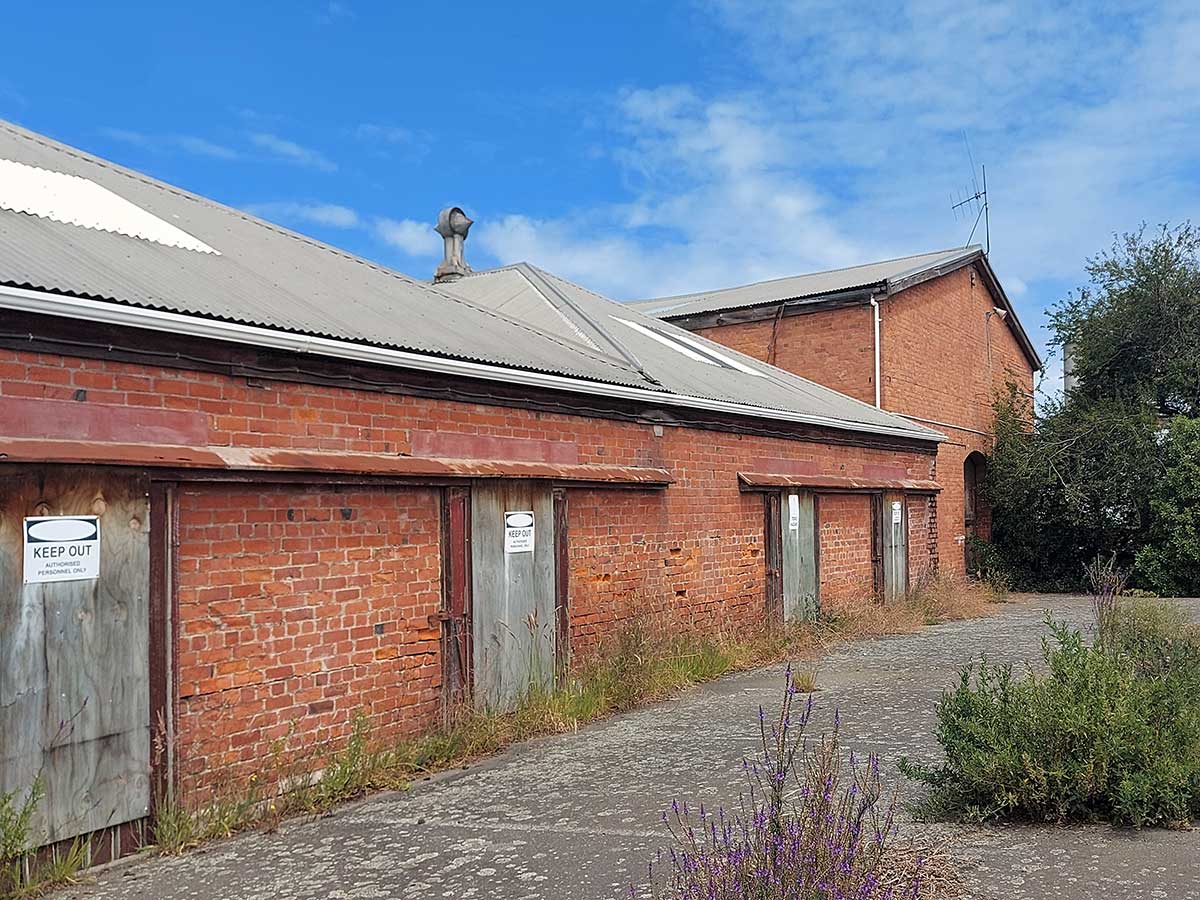
This was a working landscape.
Grain was central to it, but grain was rarely alone. Wool was there too. Shipping and finance were there. Seed, storage, and later frozen meat as well. That is part of why Timaru’s grain story feels a bit different from Ōamaru’s. In Ōamaru, grain can feel more visibly monumentalised. In Timaru, it feels woven into a broader port system.
Maybe that is why some people do not notice these buildings straight away. They are part of a working edge rather than a neatly framed precinct.
But that does not make them less important. Milling stopped, but the building did not... Milling at Belford ceased in 1947.
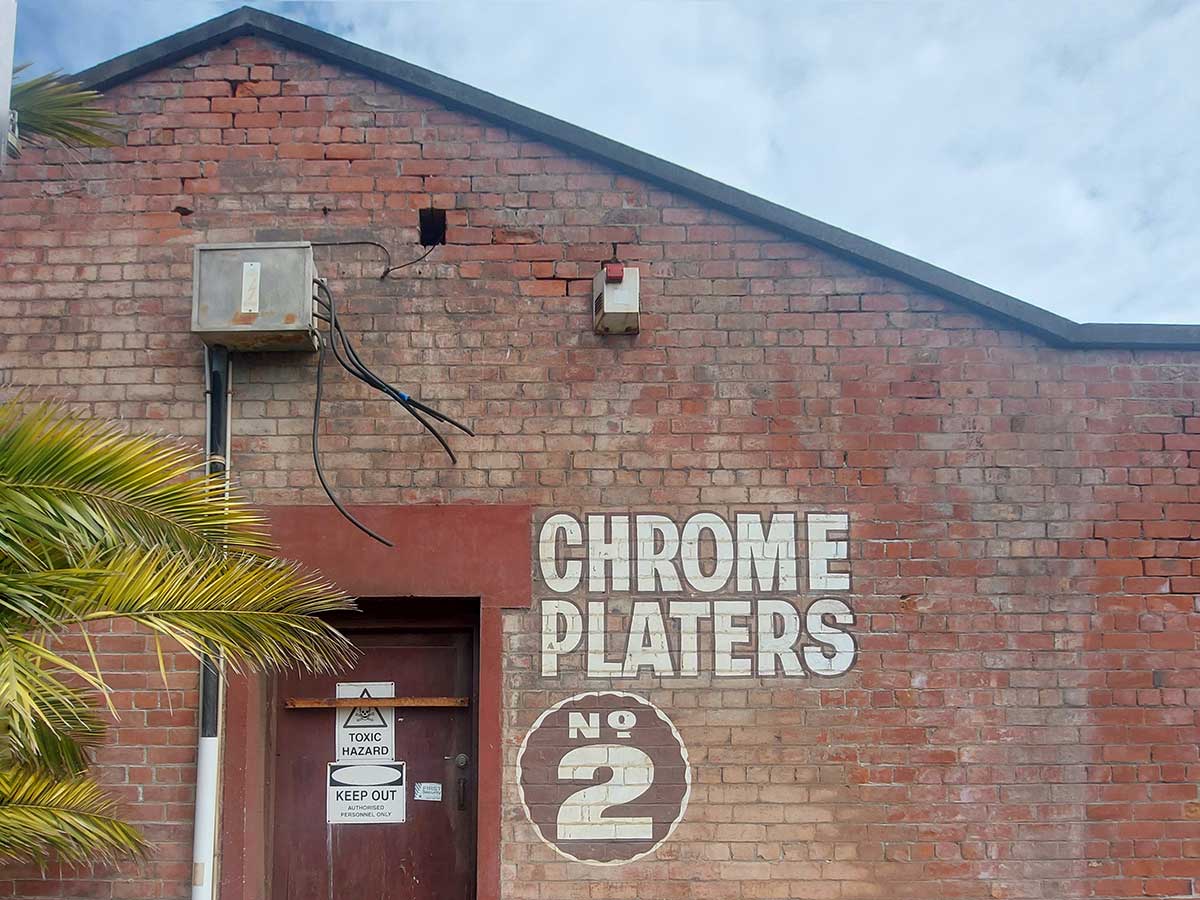
After that, the building was bought by New Zealand Breweries and used as a grain store. Later, after it was sold to Chrome Platers Ltd in 1974, part of the former mill was converted into a nightclub.
I actually think that later history adds something.
So often people talk about heritage as though the only “real” story is the original one. But old buildings survive by adapting. Belford did not stay frozen in its first life. It kept going because it changed with the town.
The heritage record notes later alterations and additions too, including the 1885 roller milling conversion, later changes to the northern section, and the post-1974 nightclub conversion. None of that erases the building’s significance. It is part of the building’s biography.
Why I think Belford matters
Belford matters because it helps explain how Timaru worked.
It matters historically for its association with flour milling in South Canterbury and with figures such as Arthur Ormsby and John Jackson. It matters architecturally as an industrial building designed by Maurice de Harven Duval. It matters technologically because of what it tells us about mill construction and nineteenth-century flour production.
It also matters because of where it sits.
Belford is one of several large industrial structures along the railway line through Timaru. Both its north and east sides can be seen from public places. Its site has archaeological significance too, because the building pre-dates 1900 and can tell us more about the industrial development of the property and the early running of the mill.
But I think the bigger reason it matters is, because if we only value the grand buildings, the decorative ones, or the places that speak of status and ceremony, then we lose a big part of Timaru’s story. We lose the working story. The story of labour, logistics, production, risk, and movement. The story of how wealth was actually made here.
Belford helps keep that part visible. It reminds us that Timaru’s prosperity was not only built in drawing rooms, council chambers, and shopfronts. It was also built in places like this. In mills. In stores. In the hard-edged buildings beside the railway.
And that is why its survival matters.
Belford is not just Timaru’s oldest surviving mill. It is one of the grain giants that still helps us read the town.

Timaru Flour Mills 1972_Tiaki Ref Num WA-70626-F-PA-Group-00080 Whites Aviation Ltd Photographs
Timeline: Former Belford Flour Mills
1877
- 24 April 1877: Newspaper reference indicates planning or early progress connected with the mill.
- 1877 to 1878: The Belford Flour Mills were designed by Maurice de H. Duval and constructed by George Filmer.
- The building was erected in brick, concrete, timber, and corrugated iron, built into the beachfront bank so it could connect closely with the railway line.
Winter 1878
- Arthur Ormsby, a local solicitor, opened the Belford Steam Flour Mill on North Street.
- The mill was named “Belford”, likely after Belford, Northumberland, the home town of Ormsby’s wife Margaret Ormsby née Hunt.
1878
- A railway siding was established along the eastern boundary, allowing goods to be loaded and unloaded directly into the mill.
- The mill initially operated with three French millstones.
- Offices were erected at the mill site later that same year.
- The grain store was built level with North Street, while the lower floors were cut into the cliff to sit close to the rail line.
1880
- Newspaper reference from 4 March 1880 records the mill in operation during its early years.
1884
- Newspaper references from 2 February 1884 and 2 October 1884 indicate the mill’s continuing place in local industry.
1885
- Richard Allen fitted the mill with roller milling plant.
- This marked the conversion from a millstone system to a roller mill, a major technological upgrade.
- Newspaper references from 11 April 1885 and 7 May 1885 relate to this period of change.
1890
- Richard Allen sold the mill to Turner, Brown and Jackson.
1892
- John Jackson became sole owner of the Belford Mills.
- Jackson later became an important local civic figure, serving as a borough councillor and Mayor of Timaru for four years.
Circa 1900
- At a time when Timaru was regarded as the centre of New Zealand’s milling industry, the Belford Mills were producing nine sacks of flour per hour.
1902
- On 6 February 1902, the Timaru Herald described the Belford mill as the oldest in the district at that time.
1909
- A historic photograph from 1909 shows the Belford Flour Mills with other industrial buildings nearby.
- John Jackson died in 1909.
1925
- A 1925 block plan recorded the Belford Mills Co. premises, confirming the site’s continued industrial presence.
1947
- Milling operations ceased after nearly 70 years.
- The building was then purchased by New Zealand Breweries and used as a grain store.
Post 1974
- After sale to Chrome Platers Ltd in 1974, part of the former mill was converted into a nightclub.
At time of heritage assessment
- The building was recognised as:
- the oldest surviving mill building in Timaru
- an important example of industrial architecture by Maurice Duval
- a significant part of the line of large industrial buildings beside the railway corridor
- a site with potential archaeological value because it pre-dates 1900