
By Roselyn Fauth
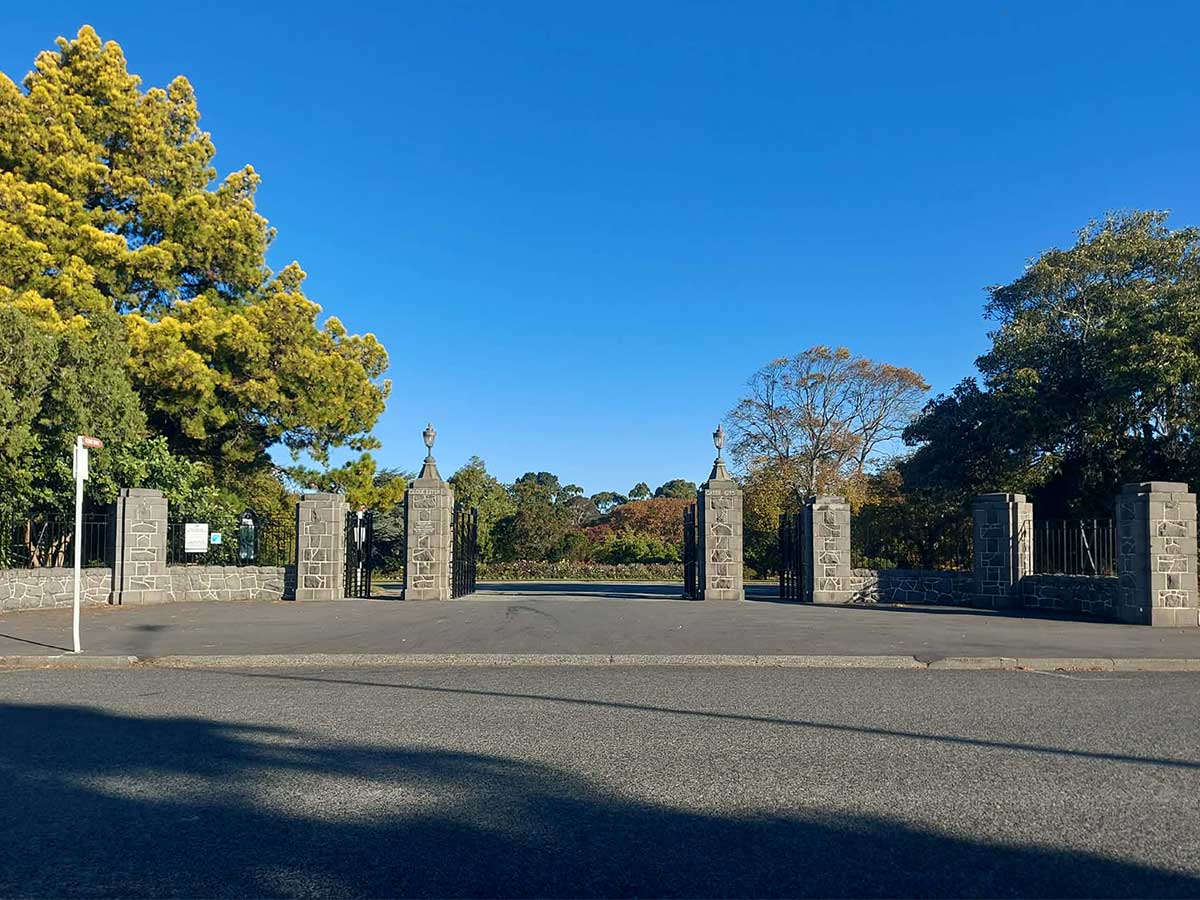
More than an entrance
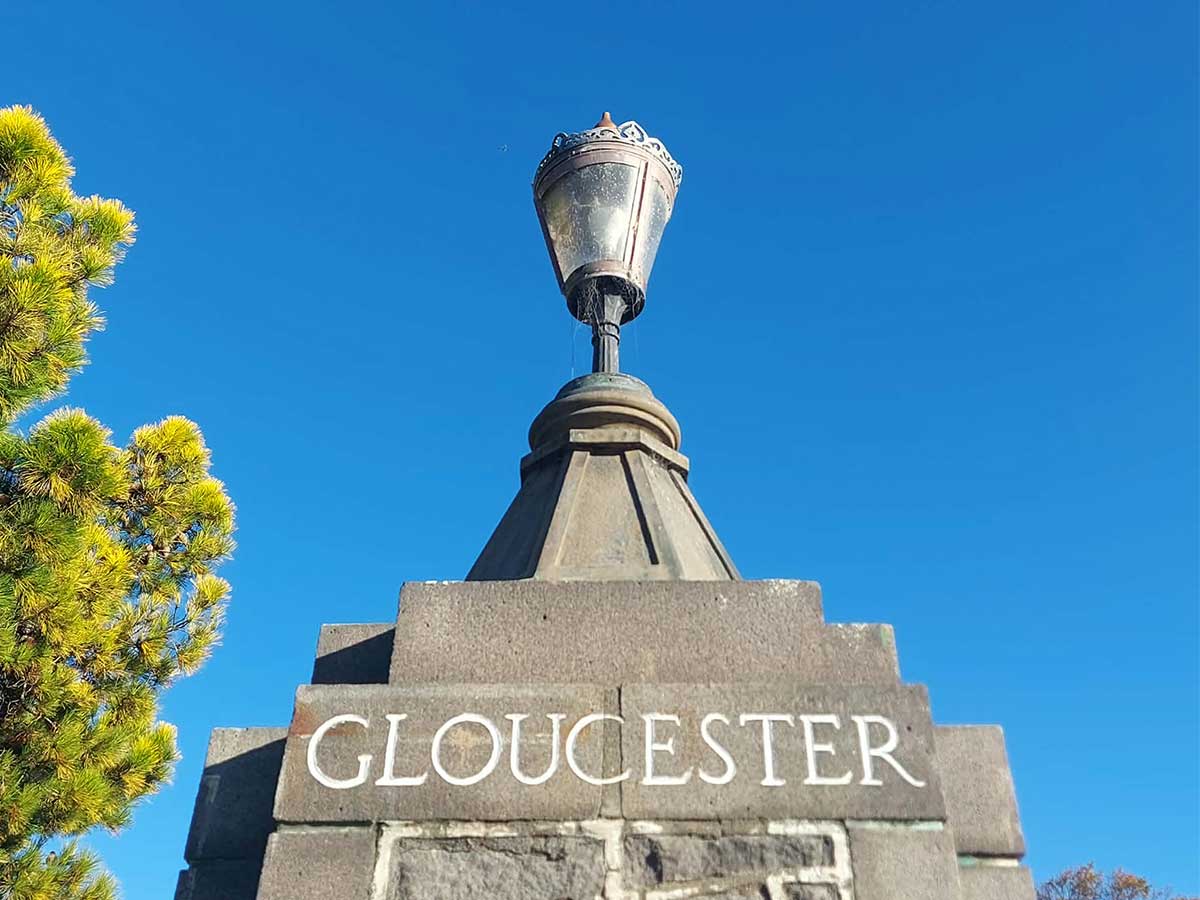
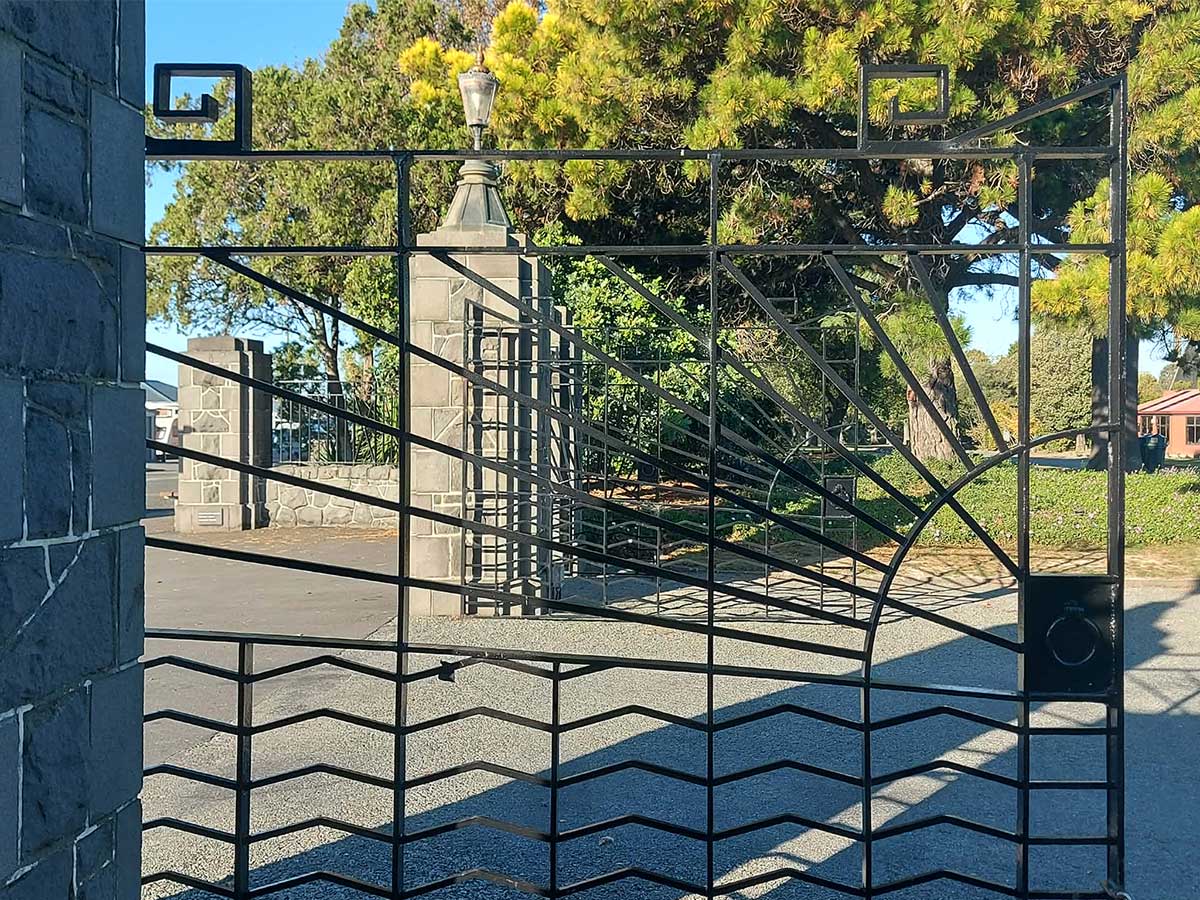
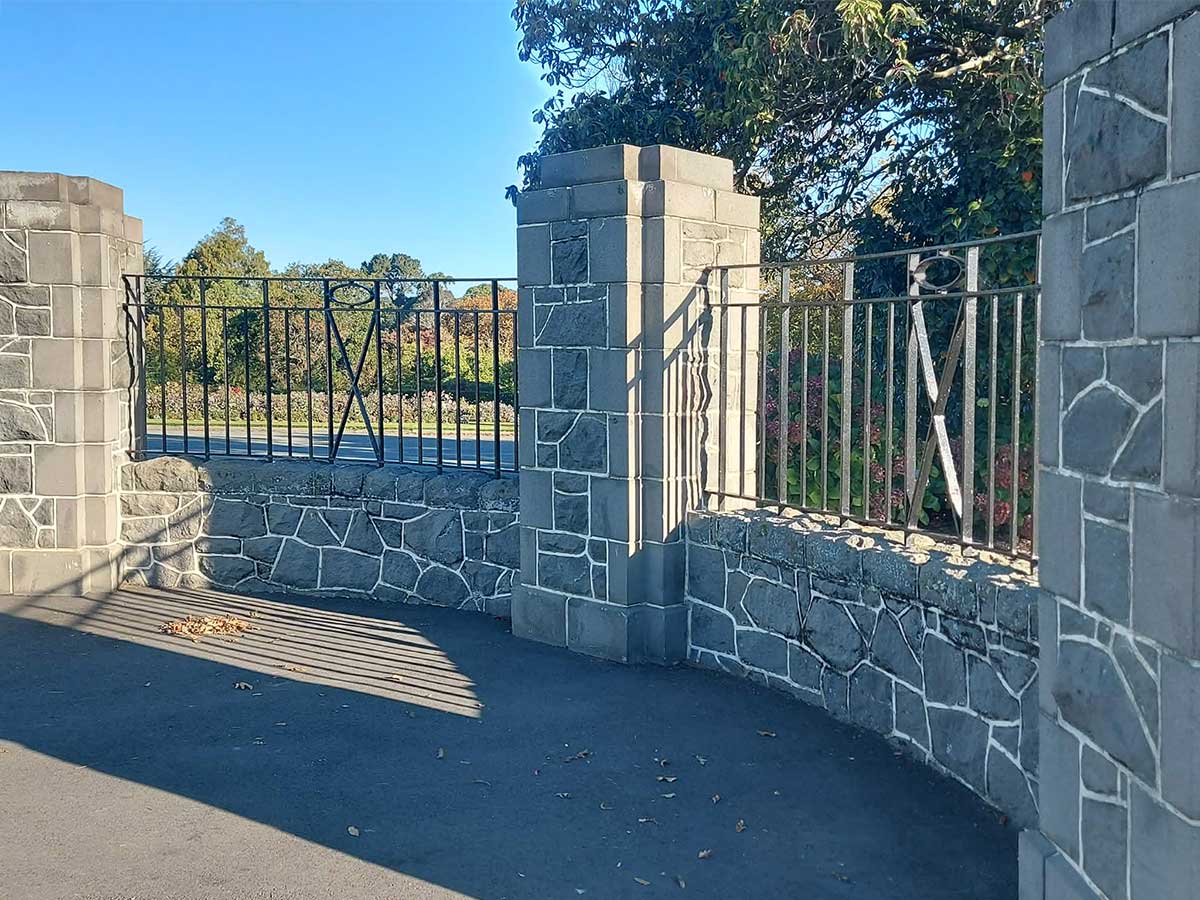
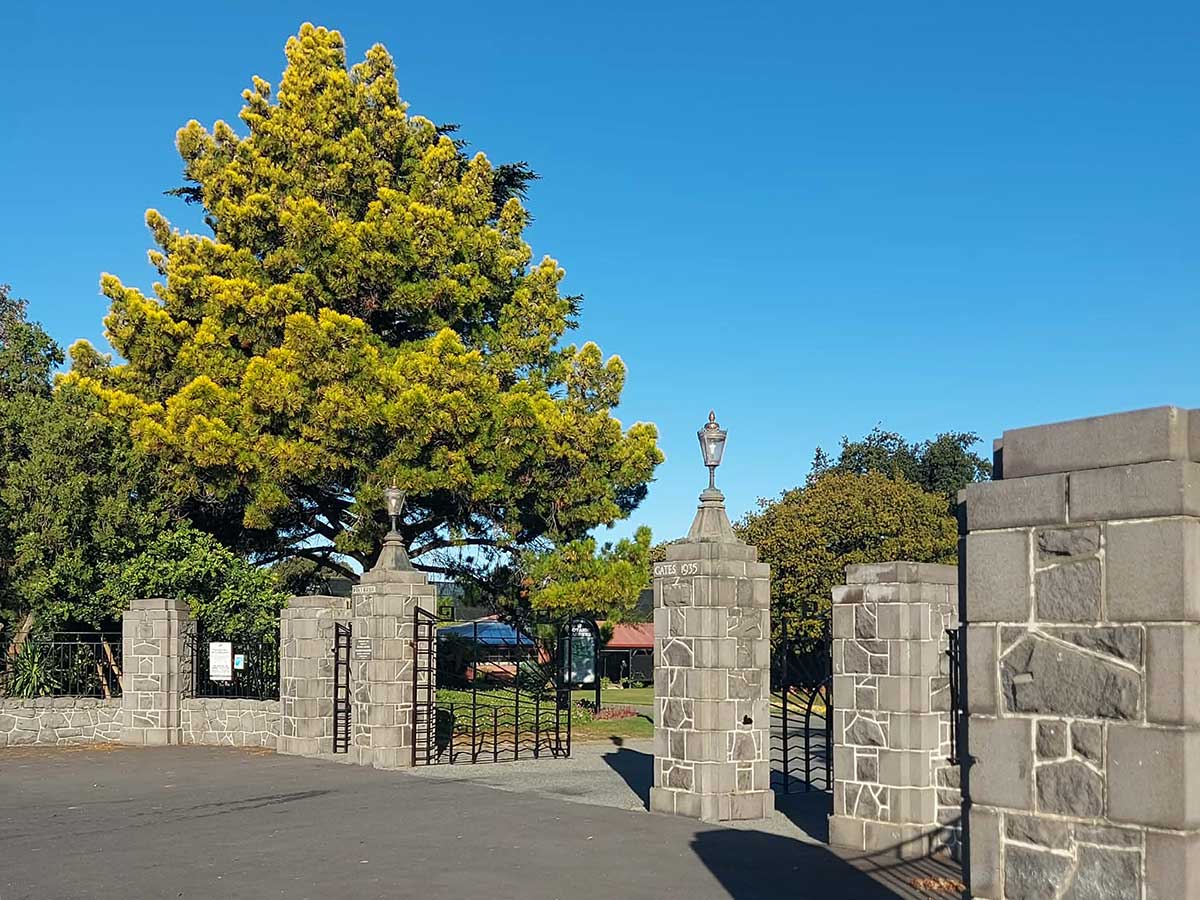
After writing recently about the cemetery gates opposite the Timaru Botanic Gardens, I found myself looking across the road with fresh eyes. If gates can hold stories, what about these ones? The Gloucester Gates are easy to admire, but the more I looked, the more I realised they are not simply decorative. They are part of a bigger story about how Timaru once marked its public places with pride, ceremony, and care.
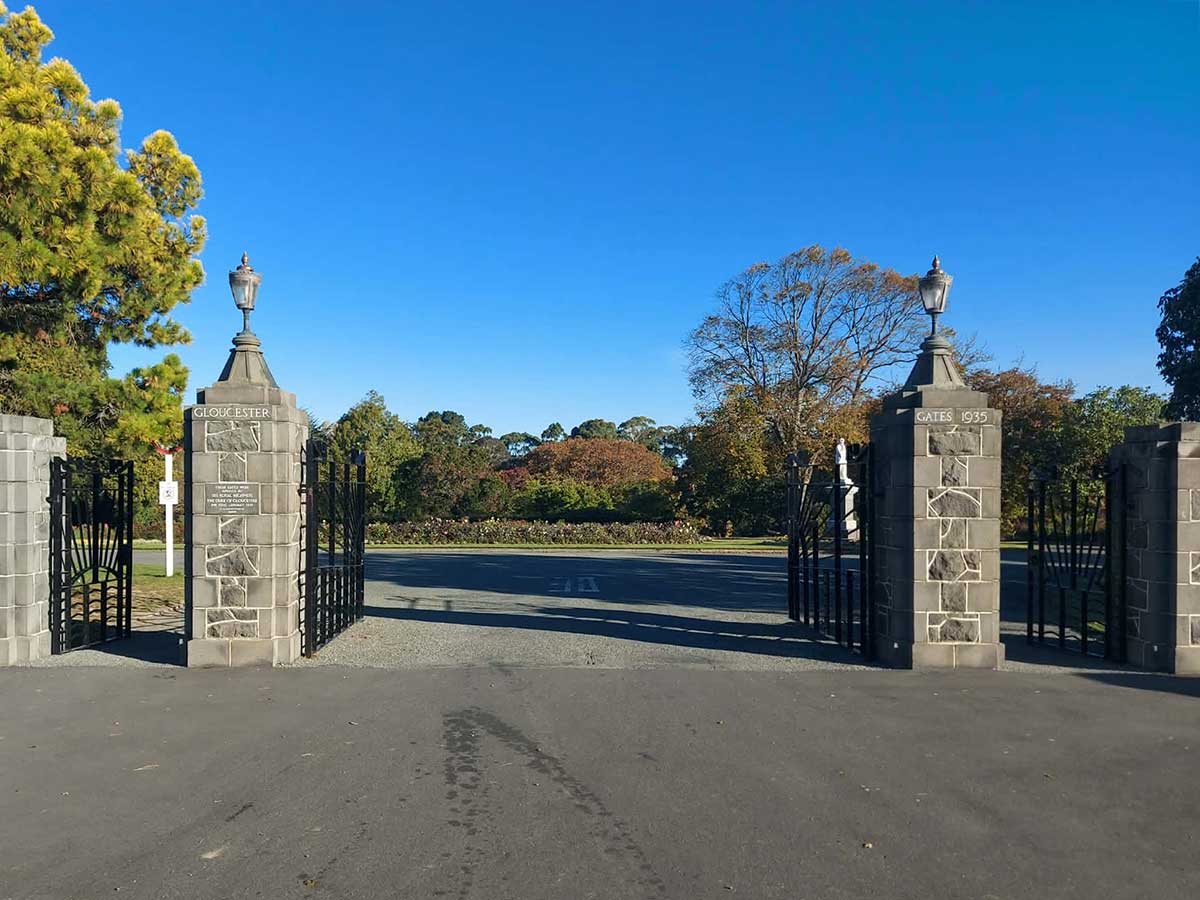
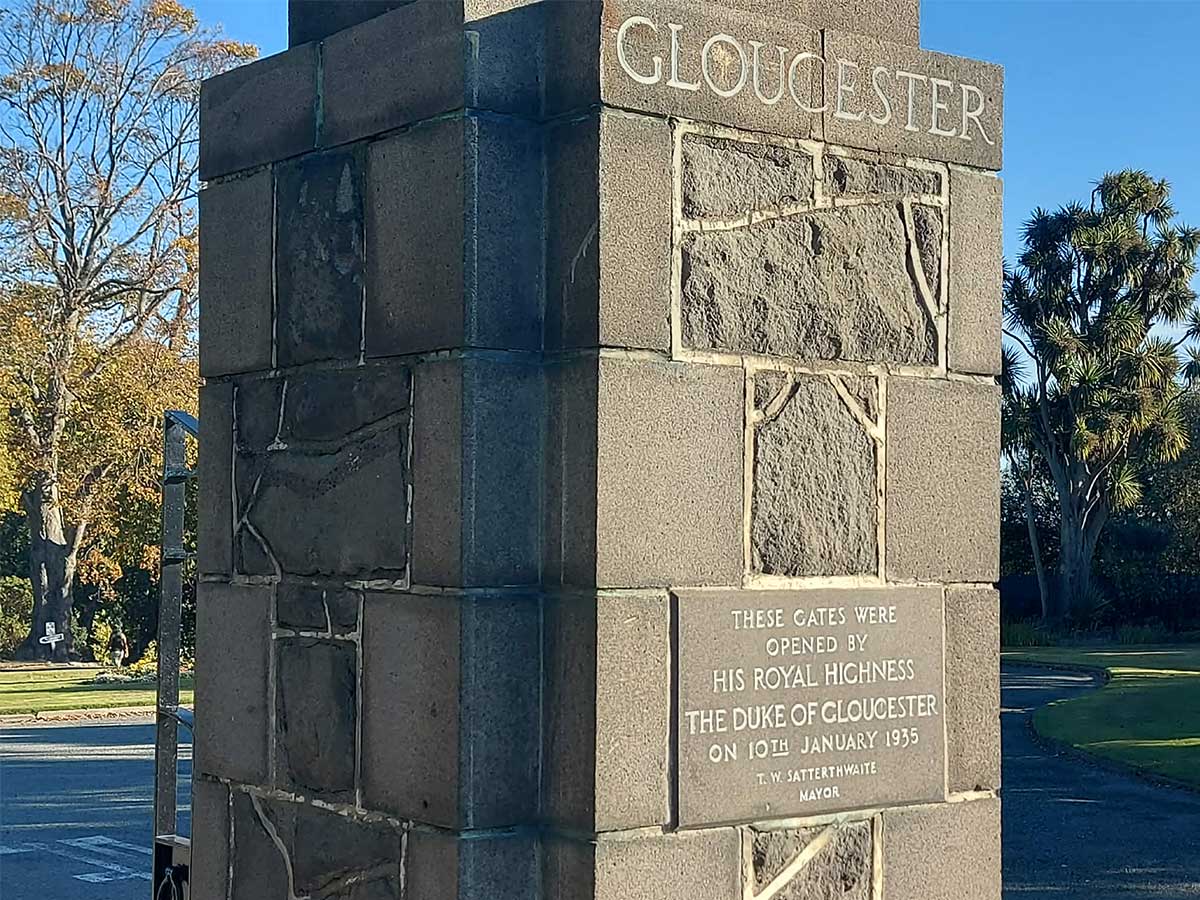
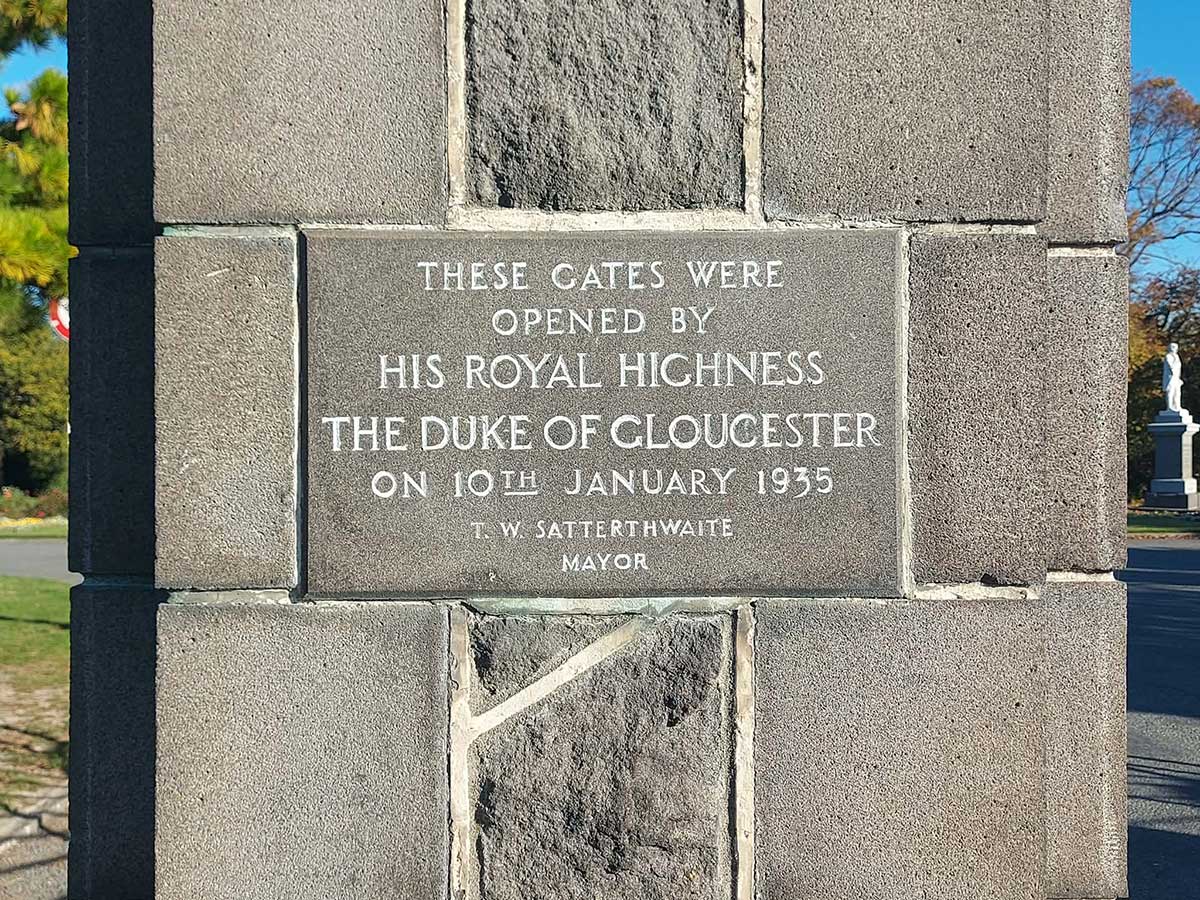
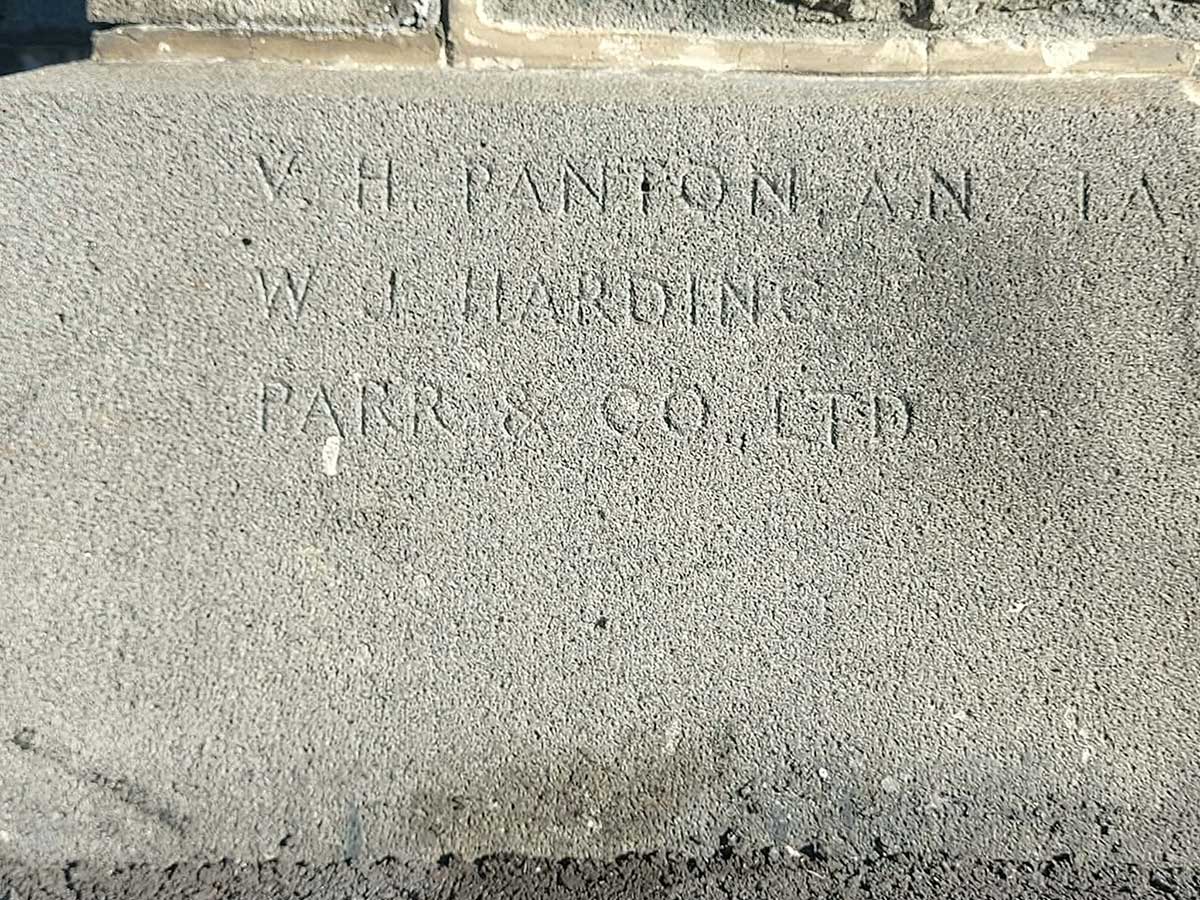
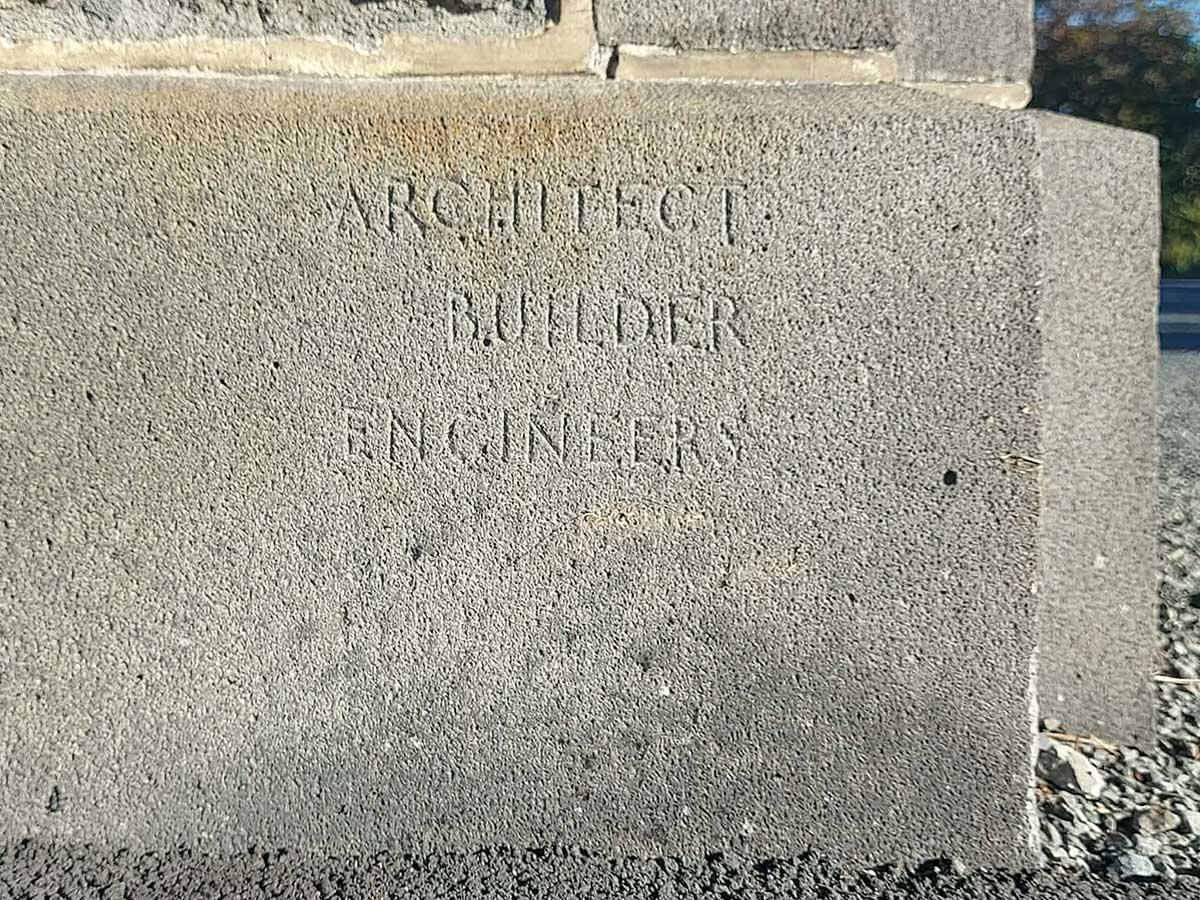
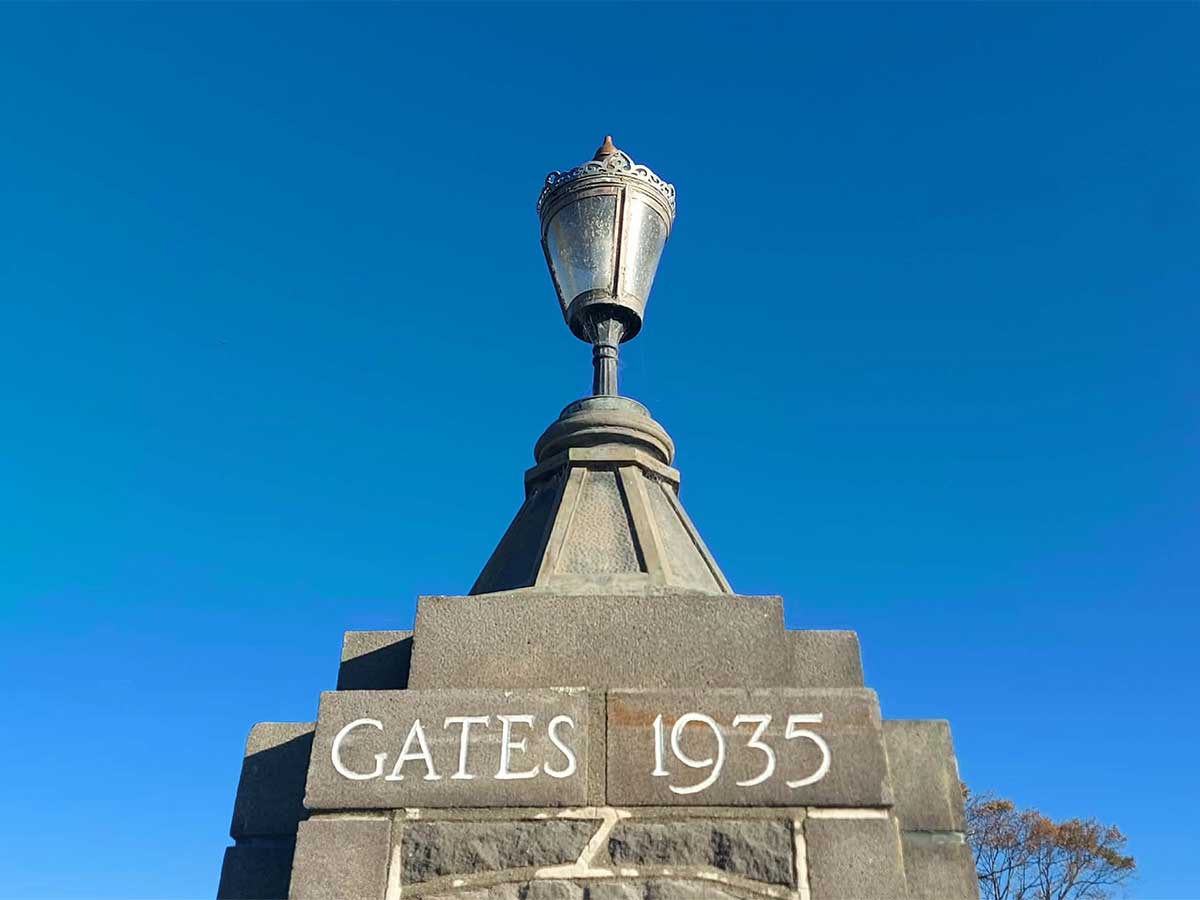
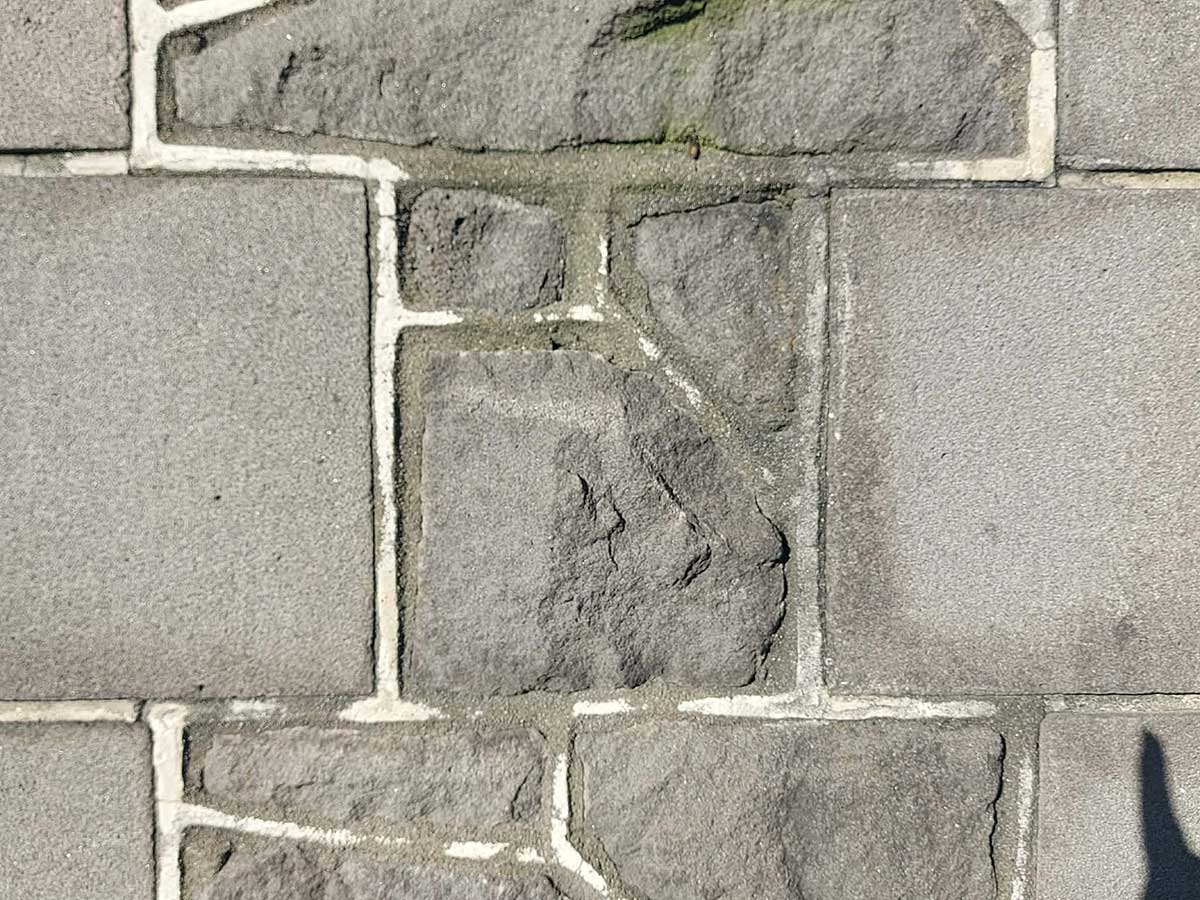
Timaru District Council identifies them as the Queen Street entrance to the gardens and records that they were opened by the Duke of Gloucester in 1935. The Aoraki Heritage Collection also holds photographs of the gates, including close-ups of the 1935 opening plaque. That alone gives them presence, but the deeper interest lies in what that ceremony meant.
The Duke of Gloucester was Prince Henry, the third son of King George V and Queen Mary. He was in New Zealand as part of his 1934–35 royal tour, a visit designed to represent the Crown and strengthen imperial ties across the country. Royal visits in that period were major civic events. They brought speeches, welcomes, dedications, inspections, crowds, local pride, and a sense that a town had briefly stepped onto a larger stage. So when the Duke came through Timaru and opened the Gloucester Gates, this was never just a local ribbon-cutting. It linked the Botanic Gardens to a much broader world of ceremony and public symbolism.
The gardens themselves were already long established by then. Timaru District Council records that in 1864 local people asked that unsold land at the south end of town be reserved for public use, and that Samuel Hewlings set aside land for botanic gardens. Hewlings was a government surveyor who helped lay out early Timaru and later became the town’s first mayor, serving from 1868 to 1870. So the Gloucester Gates do not stand at the entrance to just any garden. They stand at the threshold of a place rooted in Timaru’s earliest civic planning.
The wider parks context helps here too. Public parks in the nineteenth and early twentieth centuries were increasingly treated as urban “breathing places” — spaces of fresh air, recreation, beauty, and civic improvement. Their entrances were part of the wider language of park design. Gates helped signal that a green space was not incidental. It was valued, bounded, and meant to be entered with a sense of occasion.
That makes the Timaru ratepayers’ associations especially interesting in this story. By the 1920s and 1930s, Timaru’s North End, West End, and South End associations were active local voices in borough life, pressing for practical improvements in their own districts. They were not only dealing with roads, drains, and lighting. They were also thinking carefully about parks, amenities, and entrances.
In the North End, people wanted a “decent entrance” to the park so that others would know where it was and see what a pleasant place it had become. In the West End, the association resolved that “gates be erected at both entrances” to West End Park. And in the South End, W. Gibb later recalled that an earlier South End association had once considered gates for Timaru Park, though the cost proved too high. That does not prove the South End association built the later Gloucester Gates, and I would not want to overstate that. But it does show that formal entrances and park improvements were already part of South End civic thinking before the Duke’s 1935 opening.
One of my favourite details is that the silver key used for the opening ceremony was made in Timaru by F. J. Dunn. That small fact brings the whole event back down to earth. A royal opening can sound grand and distant, but here again local hands helped make the moment real.
And perhaps that is why the Gloucester Gates still matter so much. They sit at the meeting point of several Timaru stories at once: early town planning, neighbourhood ambition, public gardens, royal ceremony, and local craftsmanship. They are beautiful, yes, but they are also evidence of how seriously people once took the making of public place.
Sources
https://www.timaru.govt.nz/community/recreation/gardens/timaru-botanic-gardens
https://aorakiheritage.recollect.co.nz/nodes/view/4896
https://teara.govt.nz/en/1966/royal-visits/page-6
https://natlib.govt.nz/records/22373522
https://teara.govt.nz/en/zoomify/10791/map-of-the-timaru-townships
https://aorakiheritage.recollect.co.nz/nodes/view/1420
https://paperspast.natlib.govt.nz/newspapers/THD19241003.2.9
https://paperspast.natlib.govt.nz/newspapers/THD19241029.2.60
https://paperspast.natlib.govt.nz/newspapers/THD19340131.2.96.5
https://paperspast.natlib.govt.nz/newspapers/THD19350108.2.40
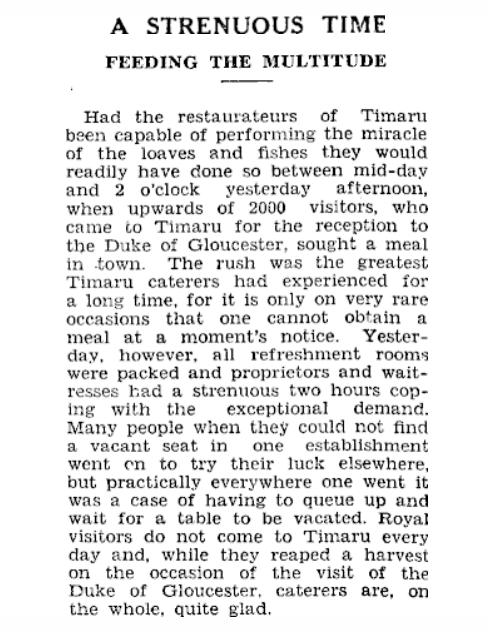
A STRENUOUS TIME
Timaru Herald, Volume CXXXIX, Issue 20004, 11 January 1935, Page 13
The Duke of Gloucester, 1934–35
by Judith Sidney Hornabrook, M.A., National Archives, Wellington.
Prince Henry William Frederick Albert (1900–), Duke of Gloucester and third son of George V and Queen Mary, after a visit to Australia, arrived at Wellington on board HMAS Australia on 15 December 1934.
Amongst other engagements during his stay in Wellington, the Duke laid the foundation stone of the new railway station. His route was by rail to Hawke's Bay and thence by road through Gisborne and Rotorua to Auckland. It was the first time Royalty had visited Gisborne. The Duke returned via New Plymouth, Hunterville, Marton, Wanganui, Palmerston North, and the Wairarapa to rejoin his ship at Wellington on 4 January 1935. At Marton he attended the Marton Jockey Club's New Year meeting and rode T. A. Duncan's Black Man to come fourth in the Ladies Bracelet.
The South Island tour included visits to the West Coast, Timaru, Oamaru, Dunedin, Invercargill, Queenstown, and Lake Tekapo where the foundation stone for the Church of the Good Shepherd was laid. Following a break at Longbeach, the Duke visited Christchurch and attended a reception for South Island Maoris. On the conclusion of the tour, at Lyttelton, HMAS Australia sailed for some fishing in the Bay of Islands before departing for Fiji on 29 January 1935.
In 1944 the Duke returned to Australia as Governor-General.
The Duke of Gloucester, 1934–35, from An Encyclopaedia of New Zealand, edited by A. H. McLintock, originally published in 1966.
Te Ara - the Encyclopedia of New Zealand
URL: https://teara.govt.nz/node/28636 (accessed 23 Apr 2026)
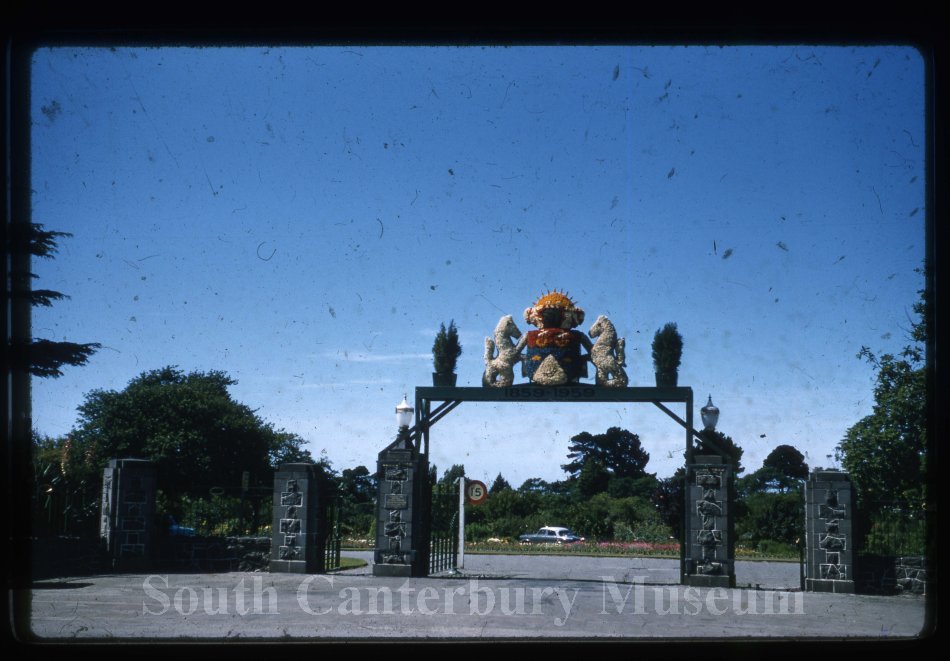
The Timaru Botanic Garden's Gloucester Gates, bearing a floral version of Timaru's coat of arms, part of South Canterbury's centennial celebrations in 1959.