
By Roselyn Fauth
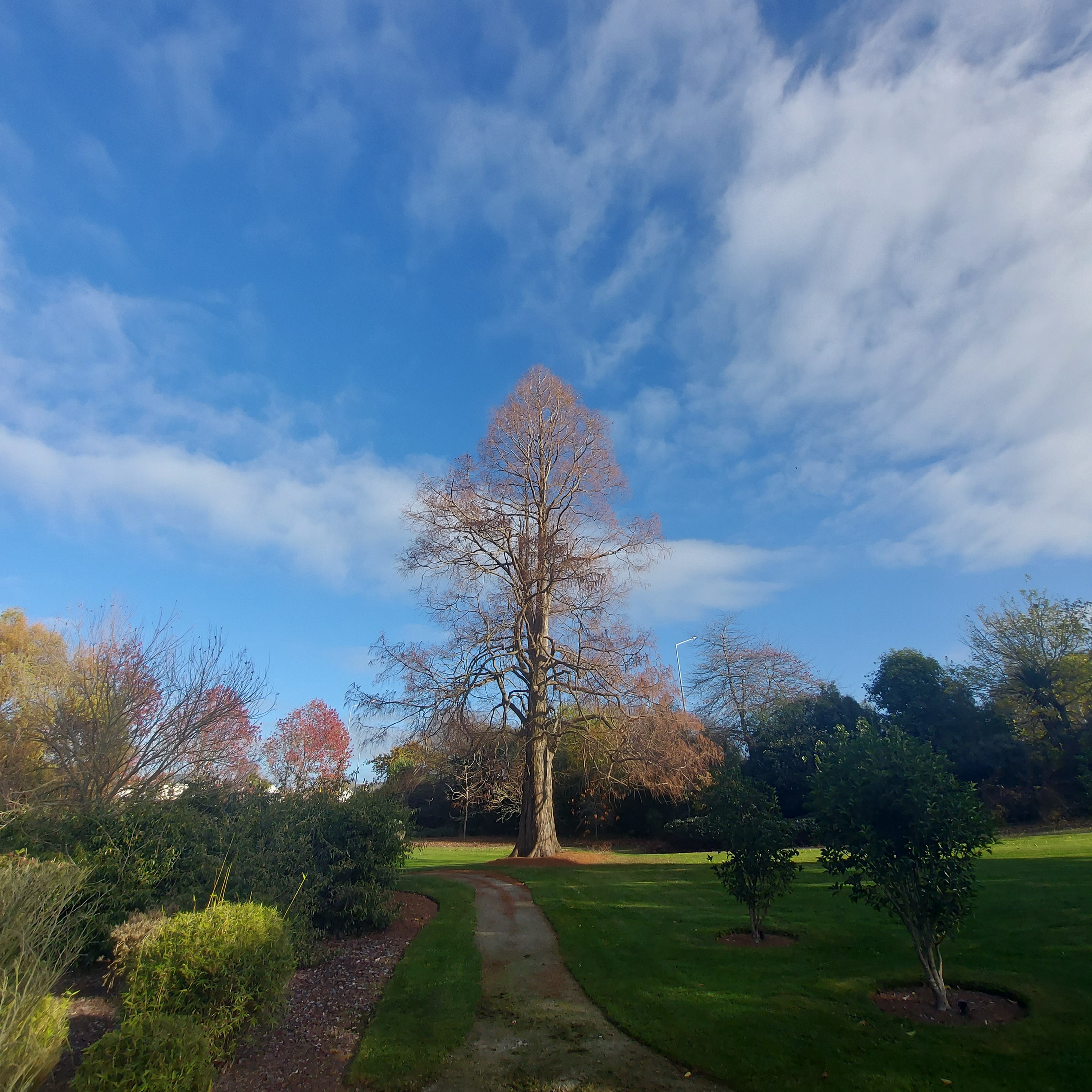
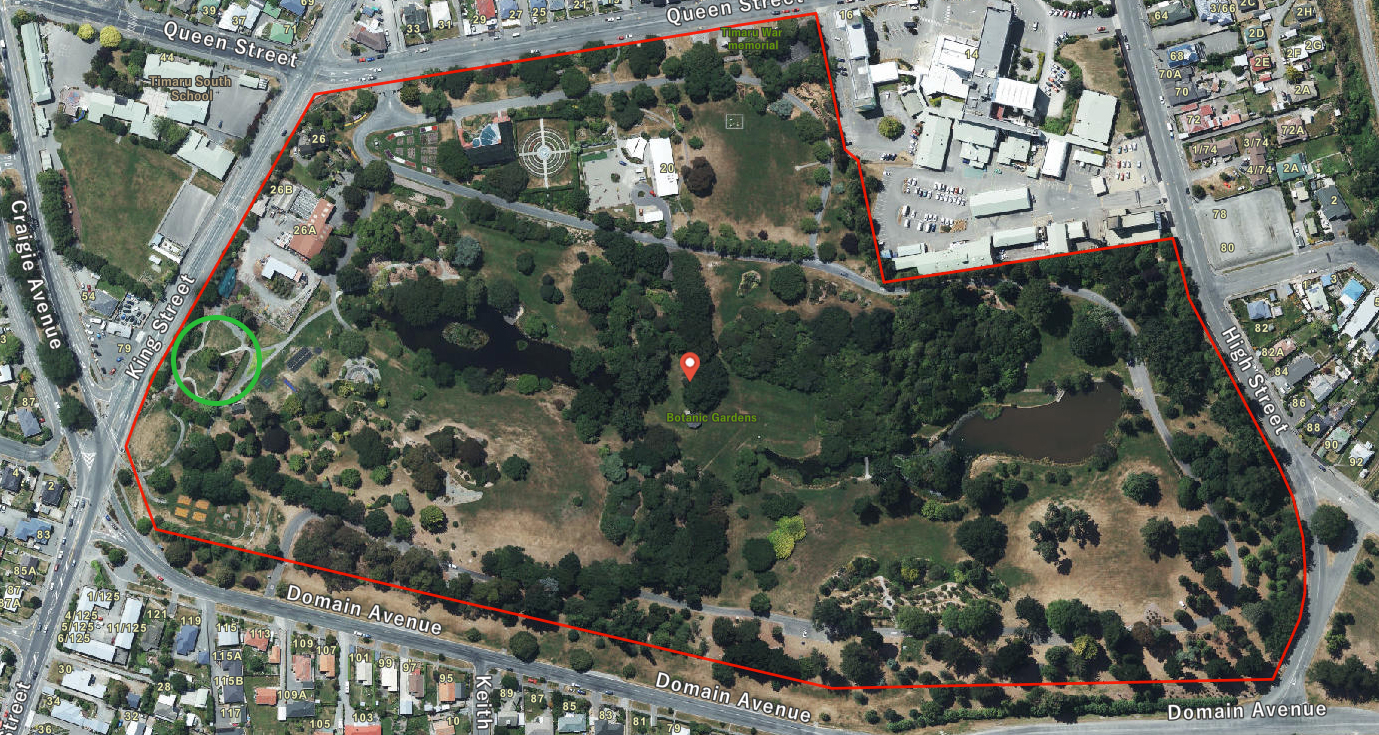
One of the most extraordinary trees in Timaru stands in the Botanic Gardens Chinese Garden lawn, on what was once part of the old nursery area.
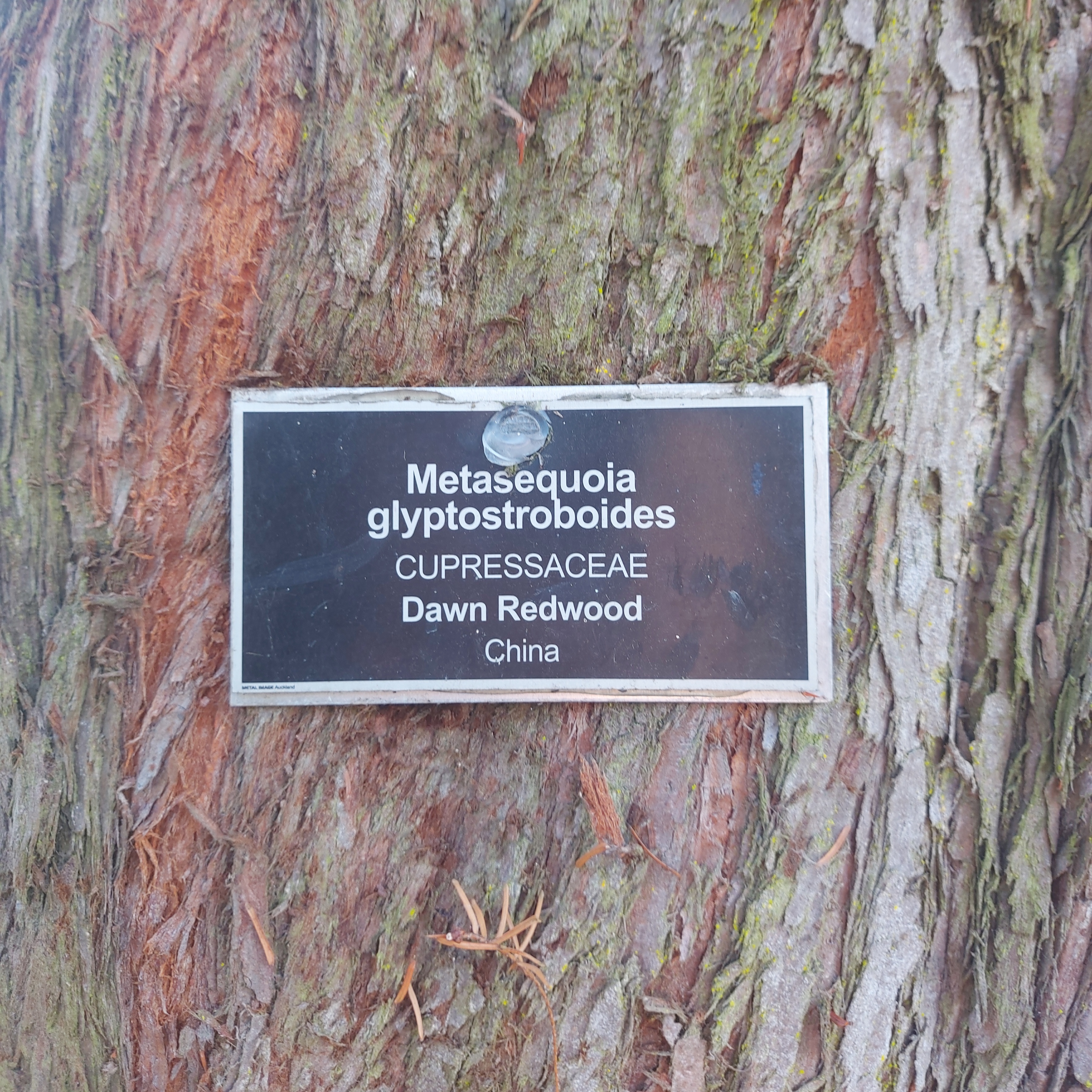
This is Metasequoia glyptostroboides, the Dawn Redwood, recorded as a significant tree in the Timaru District Plan under DP2005 ID 47. It was planted in 1948 after seed was obtained by Parks Director A. W. Anderson, and it is especially meaningful because the tree was left standing in its original nursery row. That little detail makes it feel even more special. This is not simply a handsome specimen. It is part of a remarkable botanical story that connects Timaru with one of the great plant rediscoveries of the twentieth century.
The Dawn Redwood was once thought to have been extinct and known only from fossils... Then, in the 1940s, living trees were discovered in China, stunning the botanical world. Seed was later shared with botanic gardens internationally, and Timaru became part of that story when Anderson successfully sourced seed and grew trees here. The Timaru specimen is believed to be the first recorded cultivation of Metasequoia in New Zealand, which is quite an astonishing claim for our little corner of the world.
By the time it was formally assessed by Peter Thomson on 1 January 1994, Timaru’s Dawn Redwood had already become a tree of real distinction.
It was recorded at 15.25 metres high, with a trunk girth of 2.545 metres measured at 1.4 metres, and a canopy spread of 8.5 metres. Its STEM equivalent was 96, and it received an exceptional RNZIH evaluation score of 768. That high score reflects not just the tree’s size, but its landmark value, its role in the setting, its vigour, and its fine specimen form. In other words, this is a tree that matters both botanically and visually. It helps shape the identity of the gardens.
There is something rather wonderful about the fact that a tree once believed lost to time is growing here in Timaru.
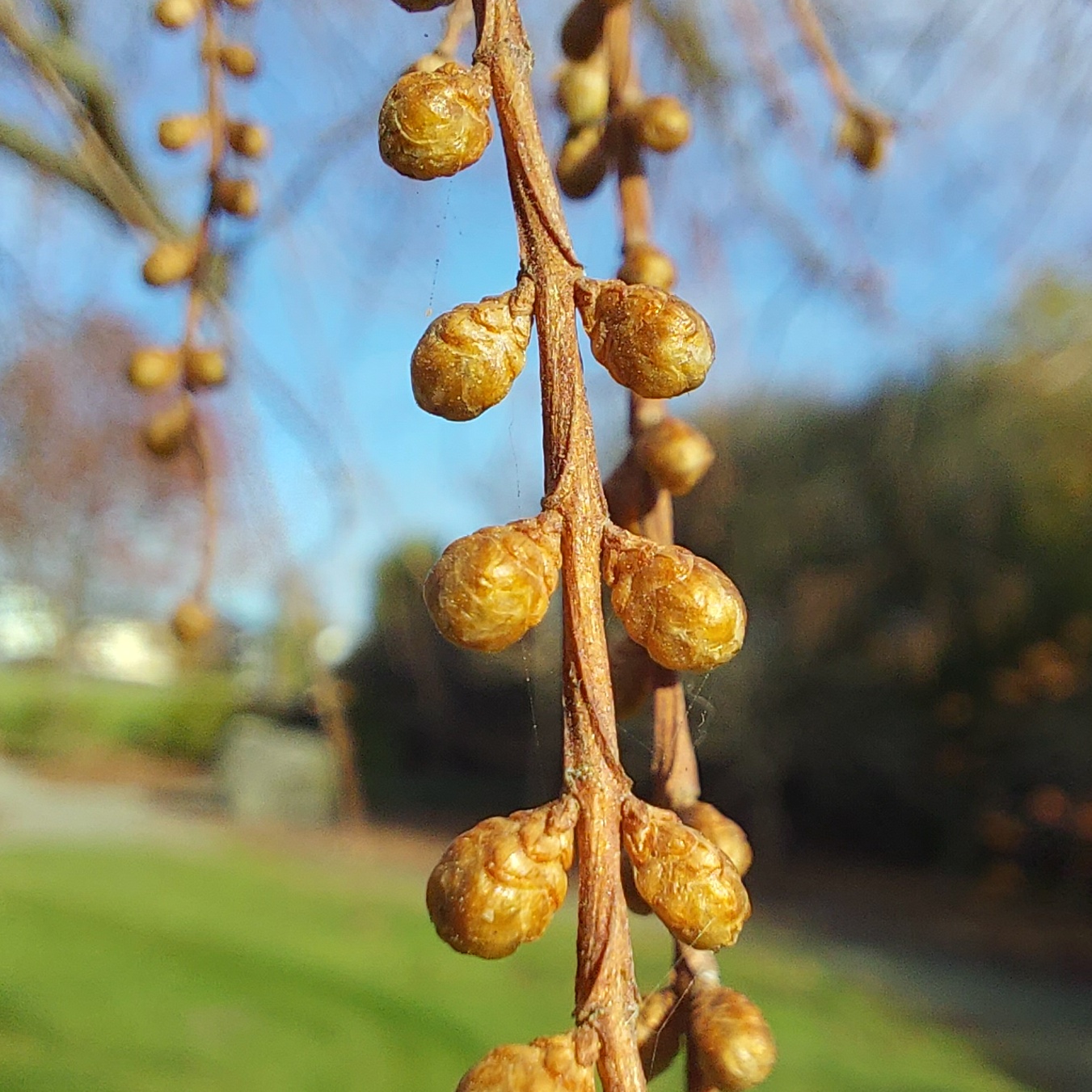
In spring and summer, its soft foliage has a light, feathery freshness. In autumn, it turns warm coppery tones before falling, because unlike many conifers, the Dawn Redwood is deciduous. It is both ancient in its lineage and alive in the present, which may be why people are so drawn to it. It invites curiosity. It makes you stop. It reminds you that even in a familiar local garden, there can be a story of global significance rooted in the soil.
So next time you visit the Timaru Botanic Gardens, make a point of finding it. Stand beneath its branches and think about the journey, from remote valleys in China to a nursery row in Timaru, and from fossil record to living landmark. This is not just another tree in the park. It is a survivor, a scientific wonder, and one of Timaru’s most remarkable living treasures.
Considered one of the greatest botanical discoveries in the twentieth century
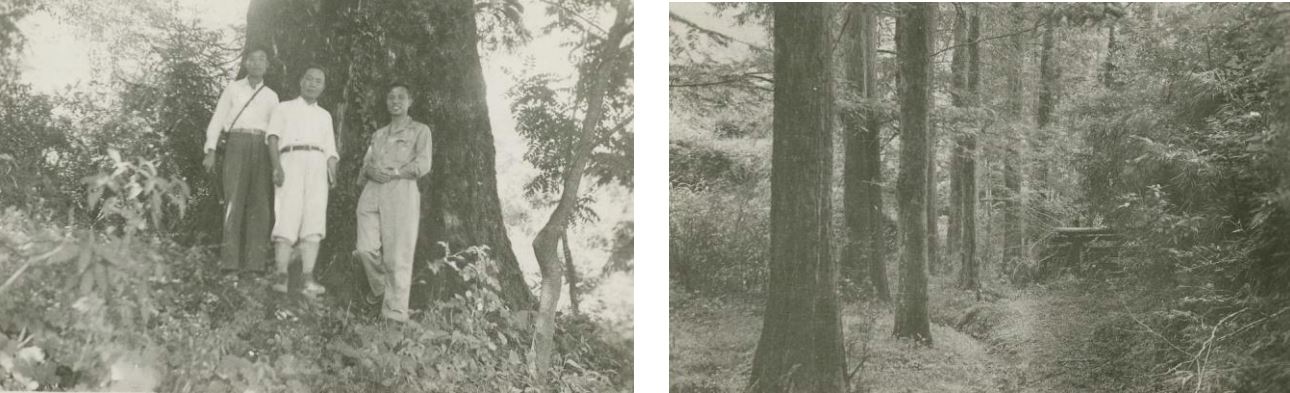
(Left) C.T. Hwa, W.C. Cheng, K.L. Chu standing by a Metasequoia glyptostroboides from W. C. Cheng’s expedition to the Hupeh Province, China. August, 1948. (Right) A group of Metasequoia trees in a ravine. Lichuan: Shui-sa-pu Valley. August 1948. - Metasequoia glyptostroboides Records, 1940-2010: Guide: arboretum.harvard.edu/IV_B_3_Metas_2015.pdf
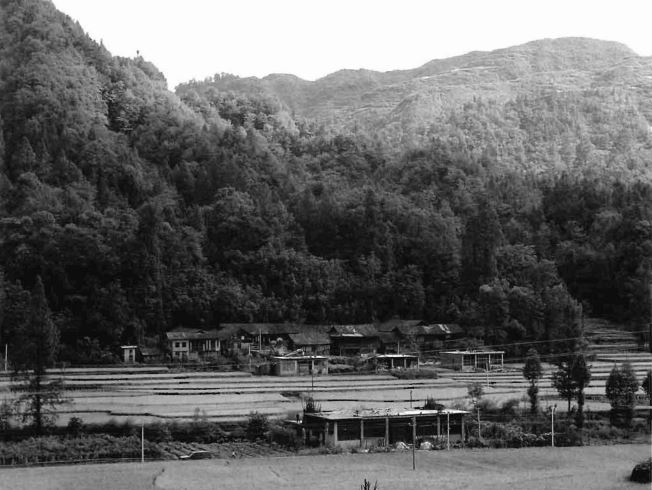
Native habitat of Meta sequoia glyptostroboides at Shui -shan-ba (Shu i-sha-pa), Xiaohe, Lichu an, Hubei. 23 September 2003. scholarship.claremont.edu/article=1171
The Hist The History of the Disco y of the Discovery and Initial Seed Dissemination of y and Initial Seed Dissemination of Metasequoia Glyptostroboides, a "Living Fossil"- Brooklyn Botanic Garden: claremont.edu/article=1171
The New Zealand Tree Register (NZTR) holds detailed information on notable trees in New Zealand: register.notabletrees.org.nz/692
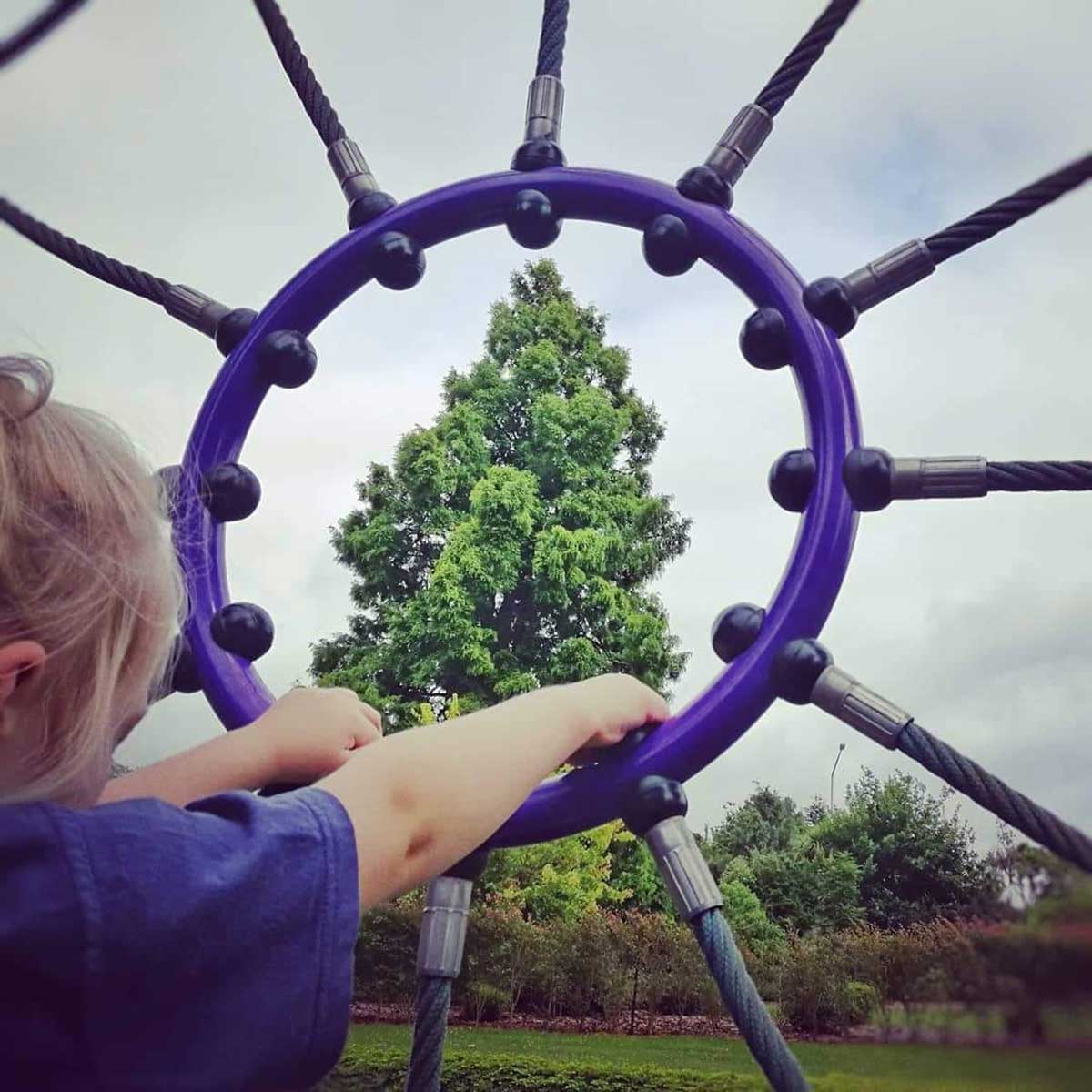
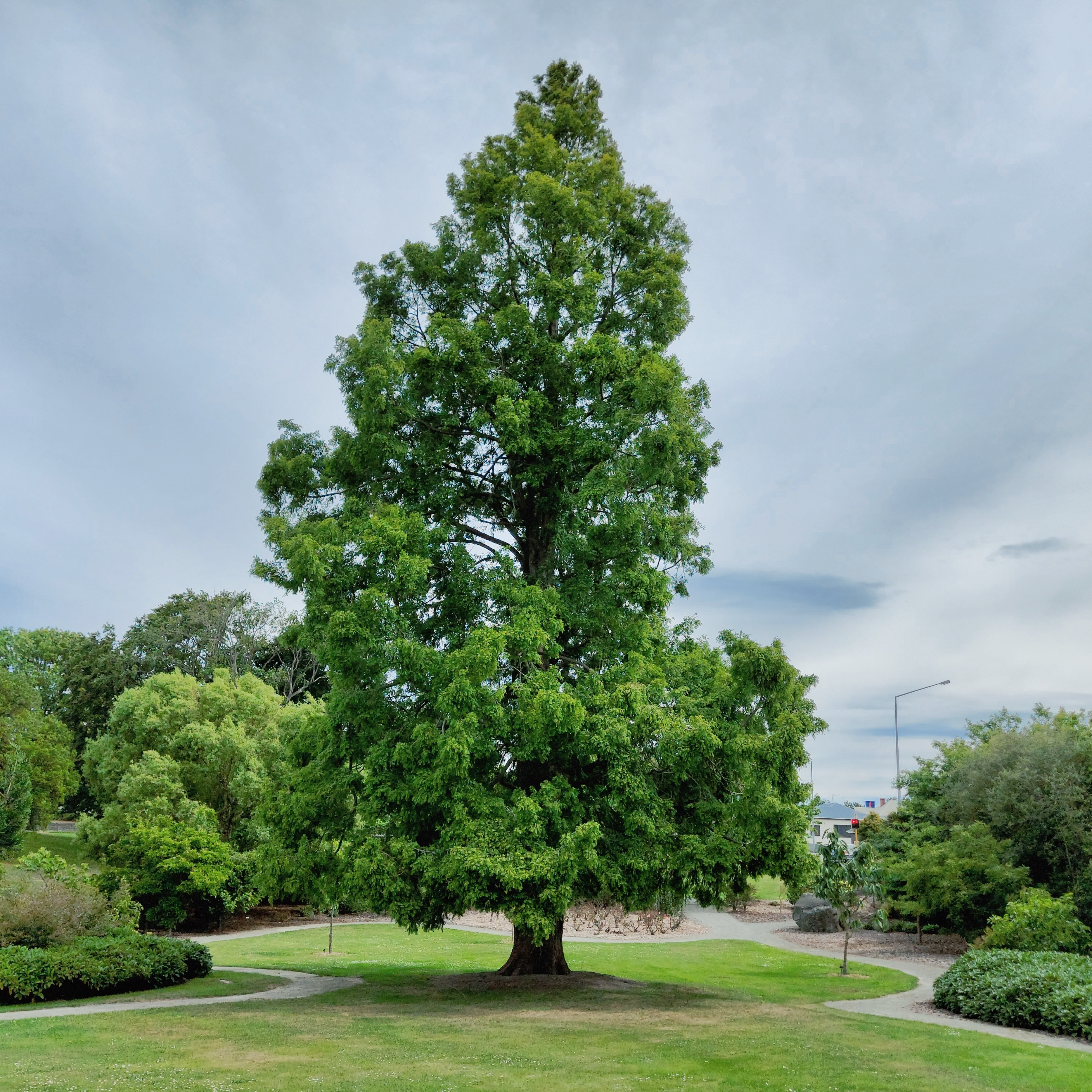
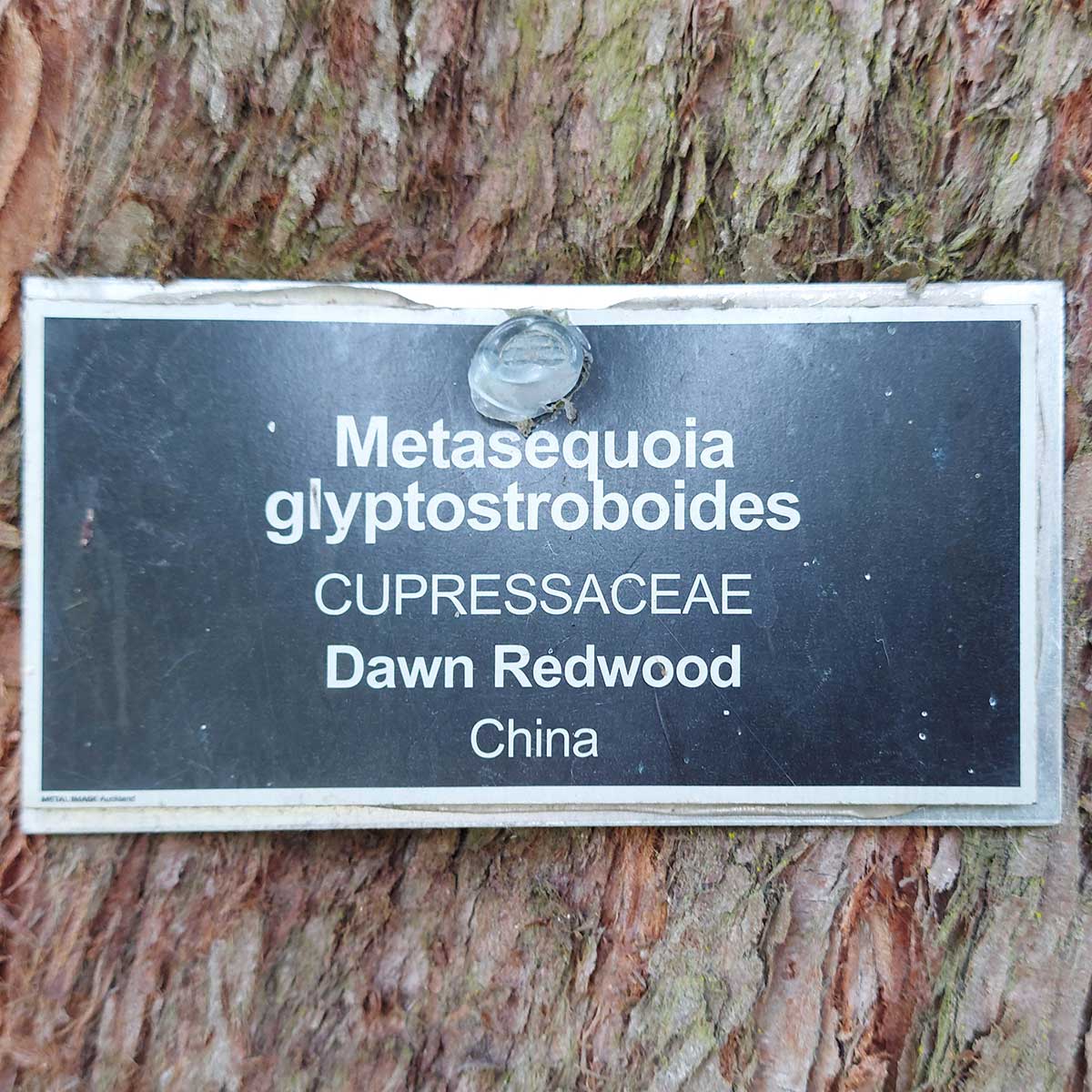
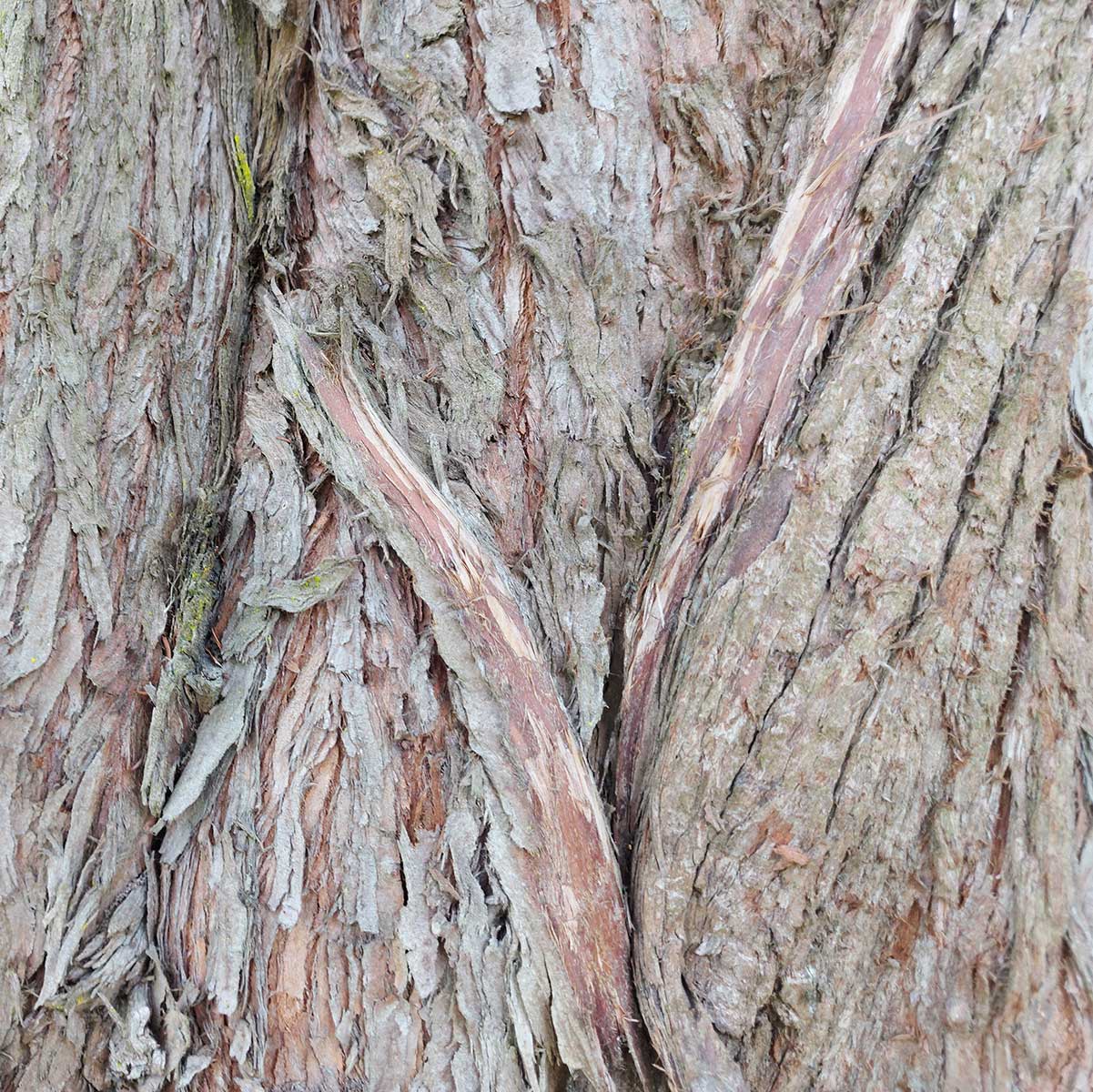
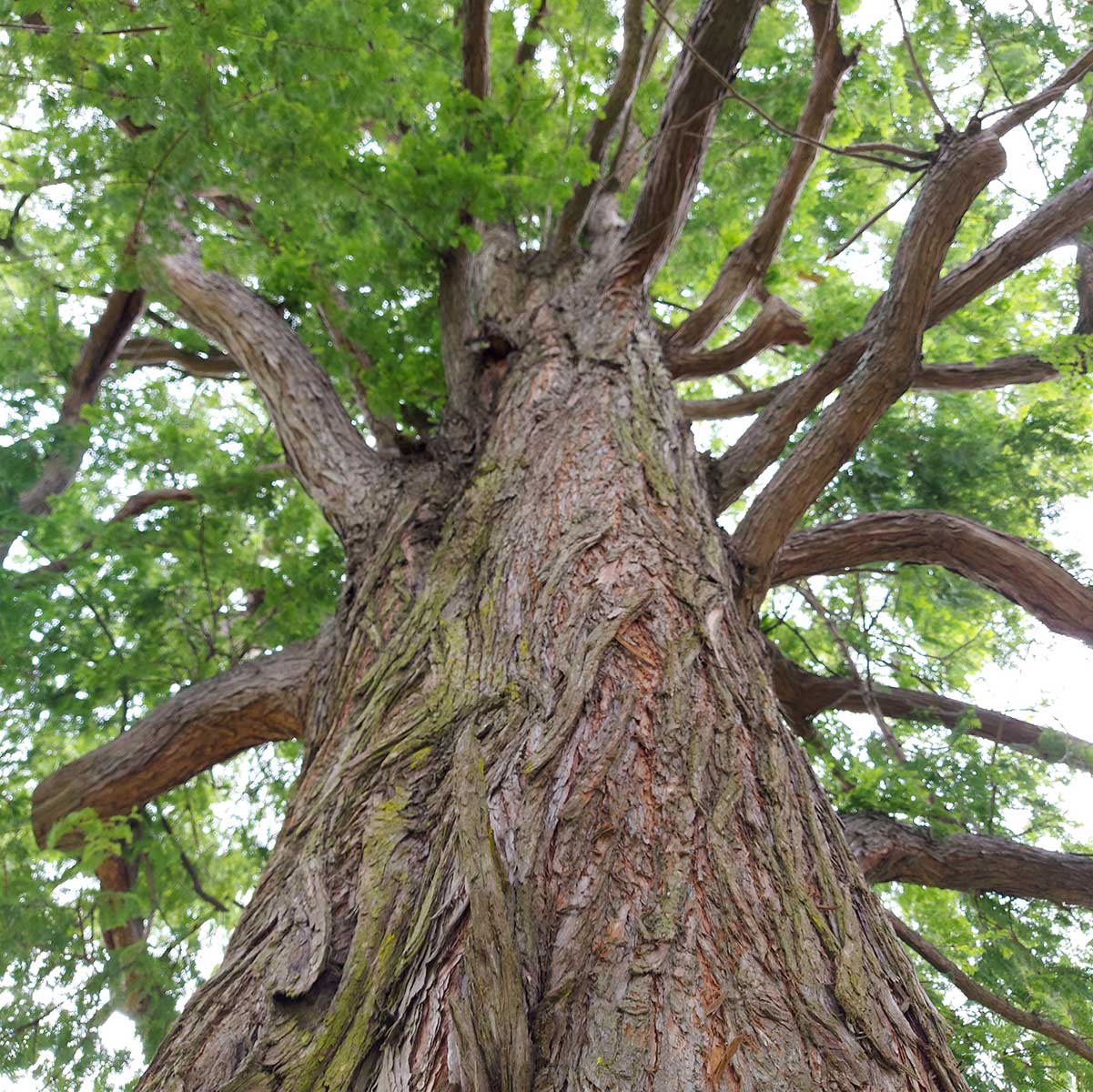
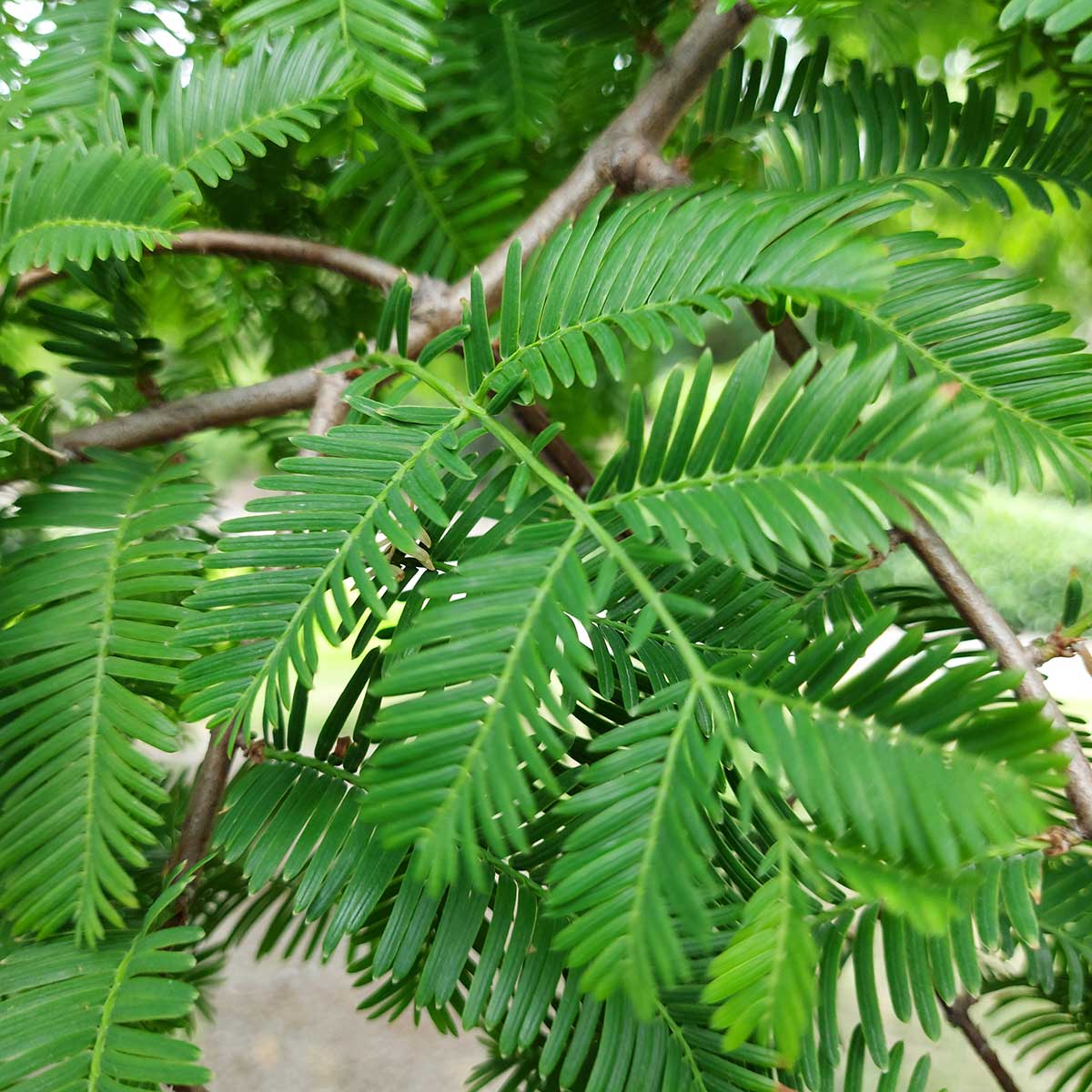
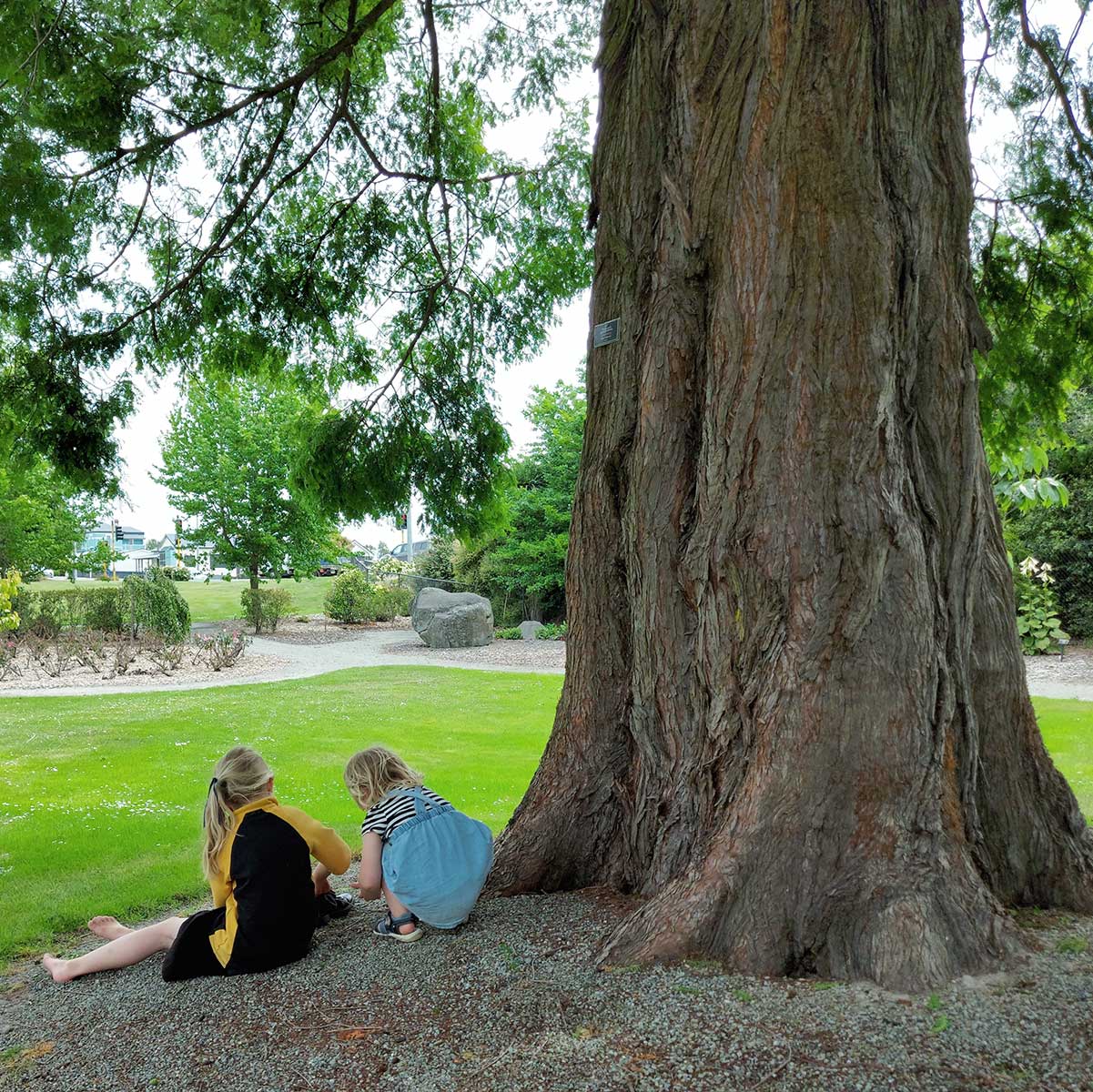
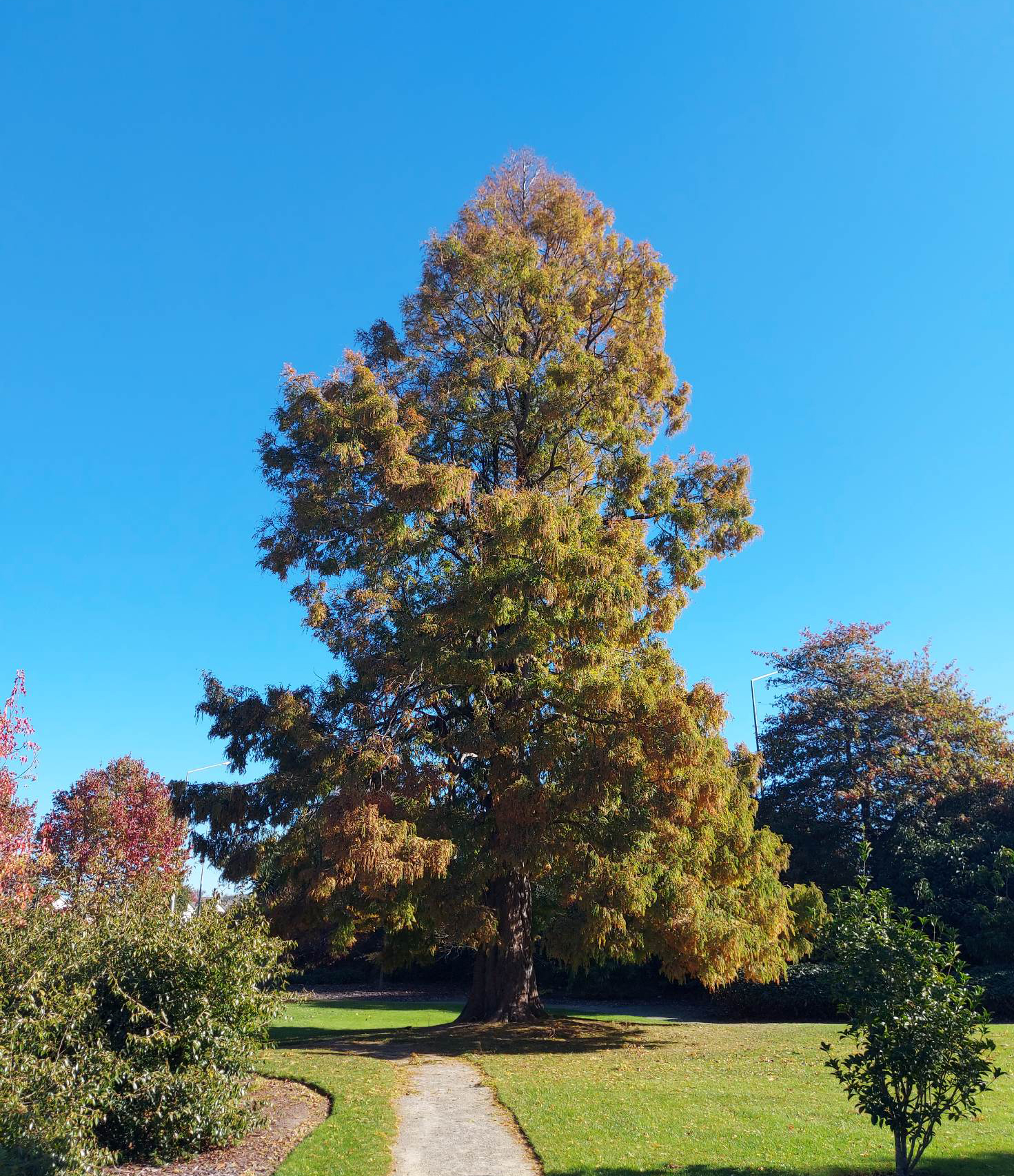
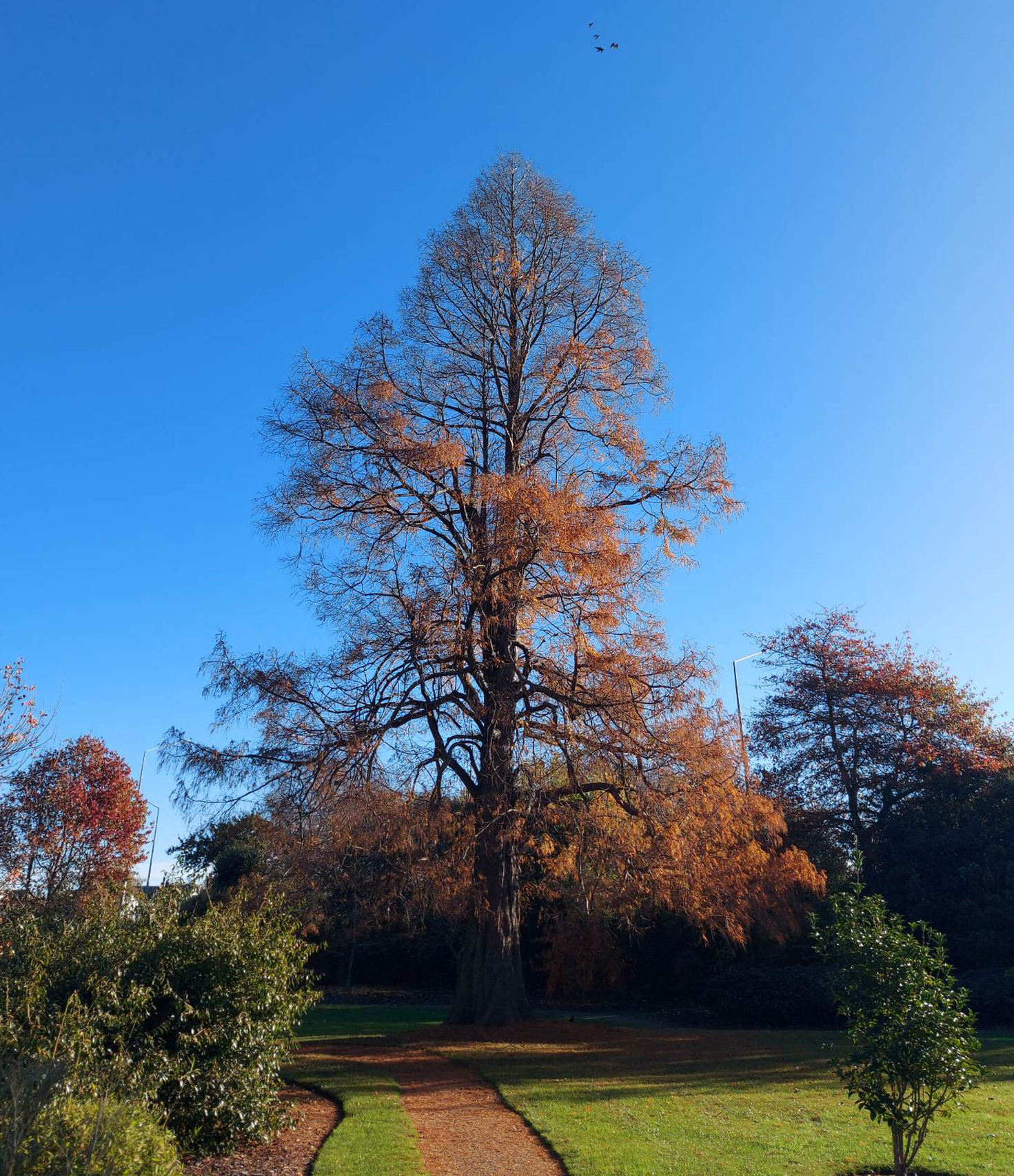
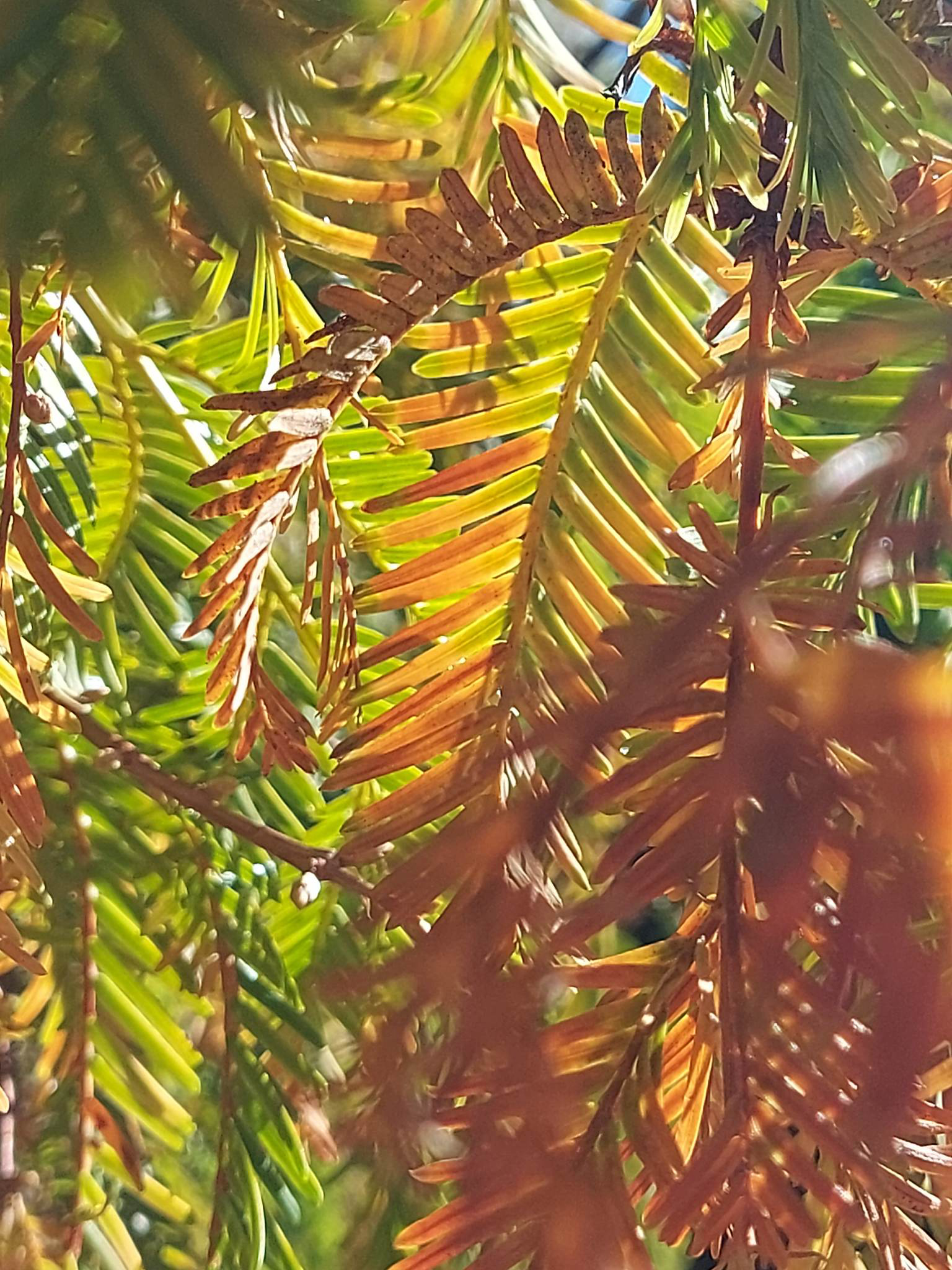
Photography By Roselyn Fauth 2022 and 2023
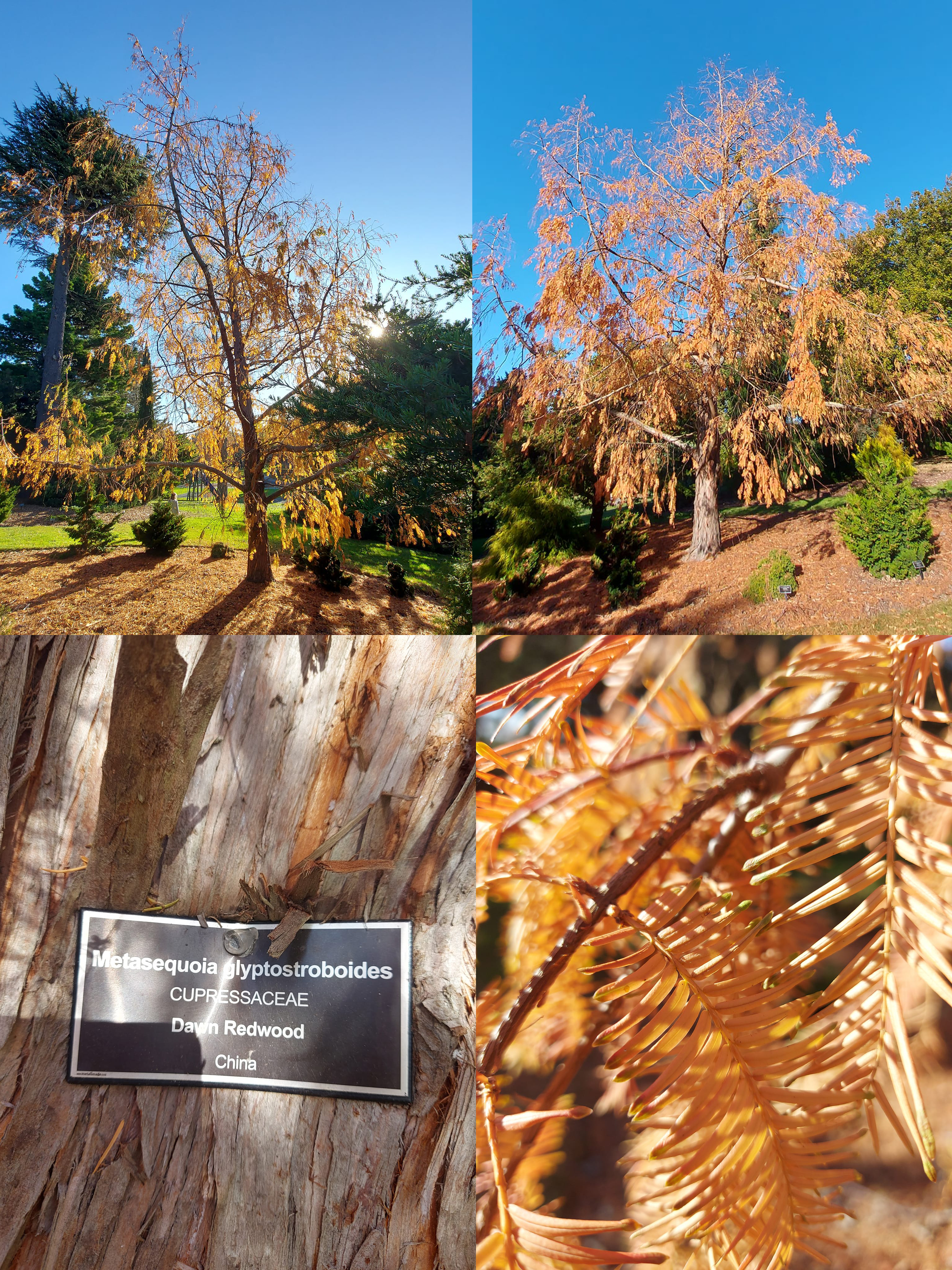
A second tree is up the hill behind the bird avairy.
https://www.timaru.govt.nz/__data/assets/pdf_file/0018/674100/Notable-Trees-Assessment-Report-TREESI-35-King-Street,-Parkside,-Timaru.pdf
Metasequoia Dawn Redwood timeline
c. millions of years ago
Metasequoia glyptostroboides was believed to have become extinct long ago and was known only from fossils. In popular retellings it is often described as having been thought extinct for about 2 million years, although fossil evidence showed the genus had existed far earlier.
1946
After reports and fragmentary material suggested an unknown tree survived in China, Professor Cheng of the National Central University sent an expedition to the remote village of Mo-tao-chi in Szechuan Province. After consultation with Dr Hu, the trees were identified as Metasequoia, a genus previously known only from fossils.
1948
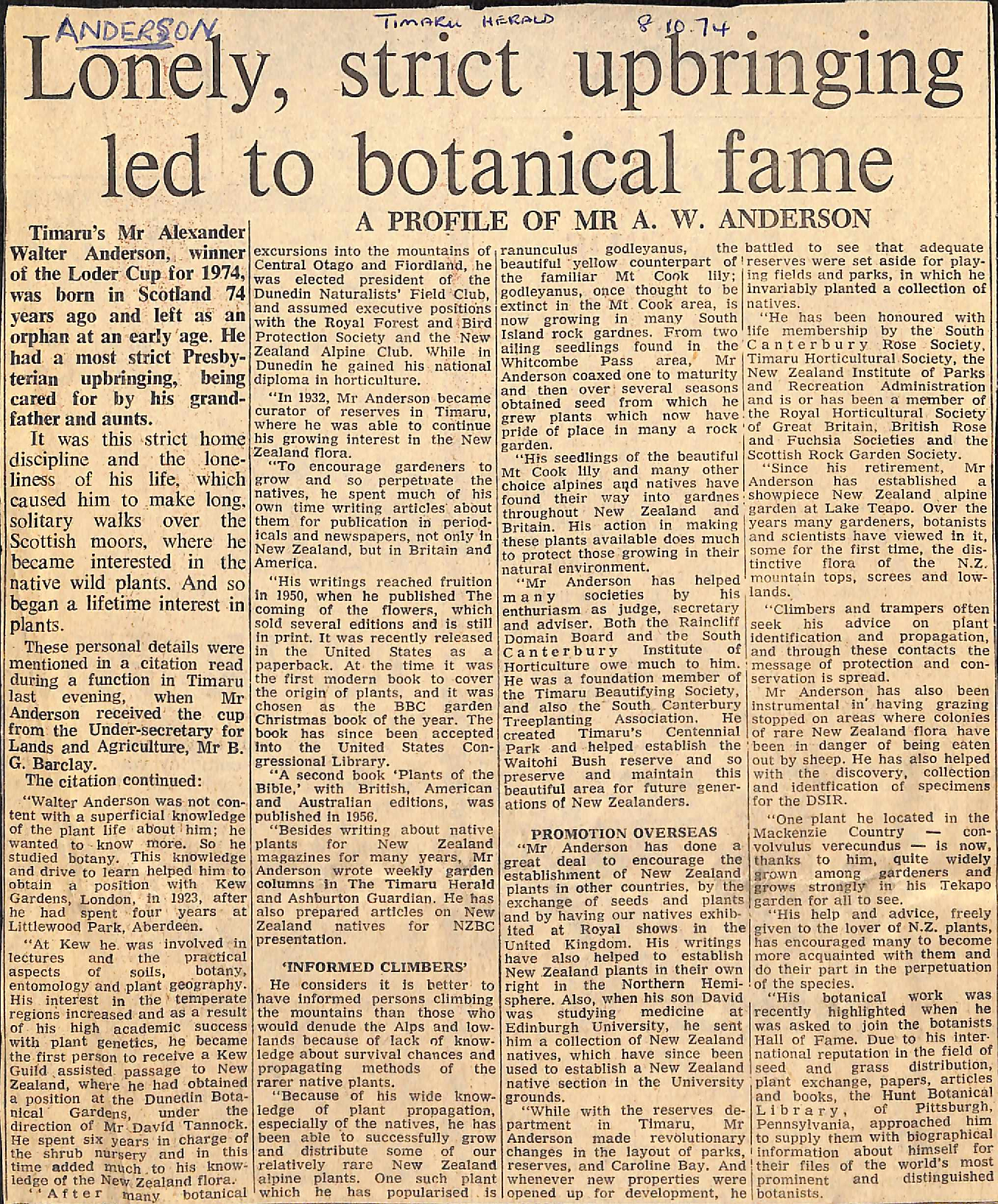
Seed collected from China was shared with botanic gardens around the world. In Timaru, A. W. Anderson, curator of the Botanic Gardens and a Kew-trained horticulturist, wrote to the Arnold Arboretum in the United States requesting seed. According to your earlier source, he received the seed in July 1948, propagated many trees, and retained one in the gardens. That tree was planted on what had been the nursery site and remained in its original nursery row. Your assessment notes also give 1948 as the planting year.
1949
Much of the original Chinese population was affected by logging after the Revolution in 1949. Around this same period, Anderson was already sharing knowledge of the Dawn Redwood in New Zealand. His article “The Dawn Redwood: A Living Relic of the Far Past” appeared in The New Zealand Gardener on 1 June 1949.
1864 to 1868 context for the site
The broader Botanic Gardens setting had already been established long before the Dawn Redwood arrived. In 1864, land was reserved for public use in Timaru. Samuel Hewlings set aside 2 hectares for Botanic Gardens, and by 1867 the area was under the care of the Borough of Timaru Park Commissioners. In 1868, planting of trees and shrubs began. This provides the historic backdrop for the later planting of the Dawn Redwood.
1 January 1994
The Timaru Dawn Redwood was formally assessed by Peter Thomson for the Timaru District Plan Significant Tree Assessment Form. It was recorded under DP2005 ID 47. At that time the tree measured 15.25 metres high, with a trunk girth of 2.545 metres measured at 1.4 metres, and a canopy spread of 8.5 metres. It received an exceptional RNZIH evaluation score of 768 and a STEM equivalent of 96. Its location was noted as the Chinese Garden lawn, on the former nursery site, with the tree left in its original nursery row.
2009
Peter Thomson noted that the tree had originally stood very close to a shade house, which had since been removed, and that a large co-dominant stem had been removed. Around the same time, Cadwallader’s 2009 survey recorded the Timaru tree as the first recorded cultivation of Metasequoia in New Zealand.
22 May 2018
A later RNZIH Tree Evaluation Registration Form records a photograph of the Timaru tree taken on 22 May 2018. The locality remained recorded as the Botanic Gardens, Chinese Garden lawn, on the old nursery site.
2022 to 2023
Your WuHoo Timaru material shows the Dawn Redwood continuing to be celebrated through local interpretation, mapping, and photography, including photographs taken in 2022 and 2023. The tree was promoted as part of the Botanic Gardens Challenge, inviting people to find it near the corner of King Street and Domain Avenue, in the Chinese Garden beside the playground, and share their photos using #WuHooTimaru.