
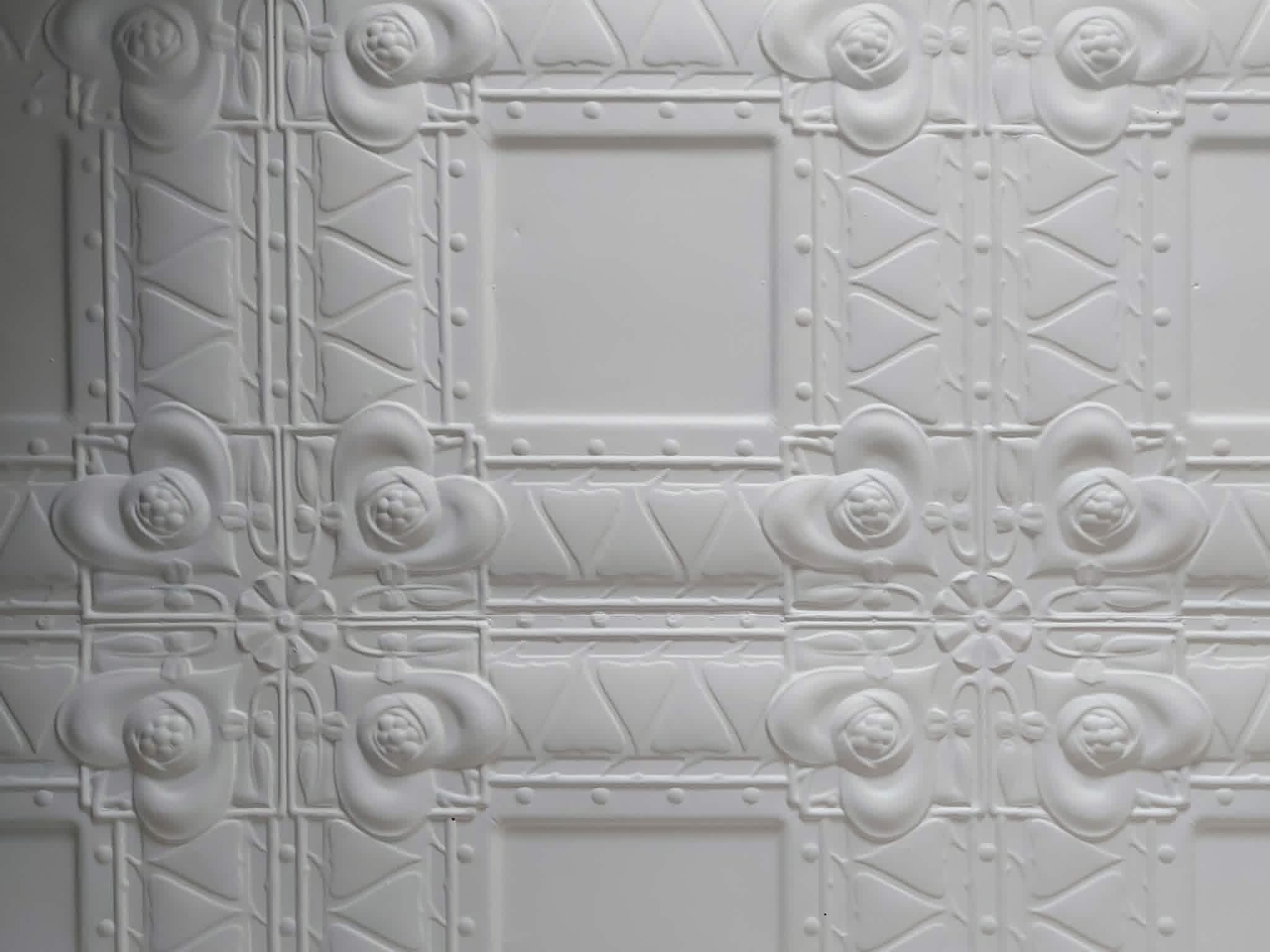
How one showroom ceiling led to the remarkable story of Priest & Holdgate and the making of modern Timaru
Part One – The Clue Above Our Heads
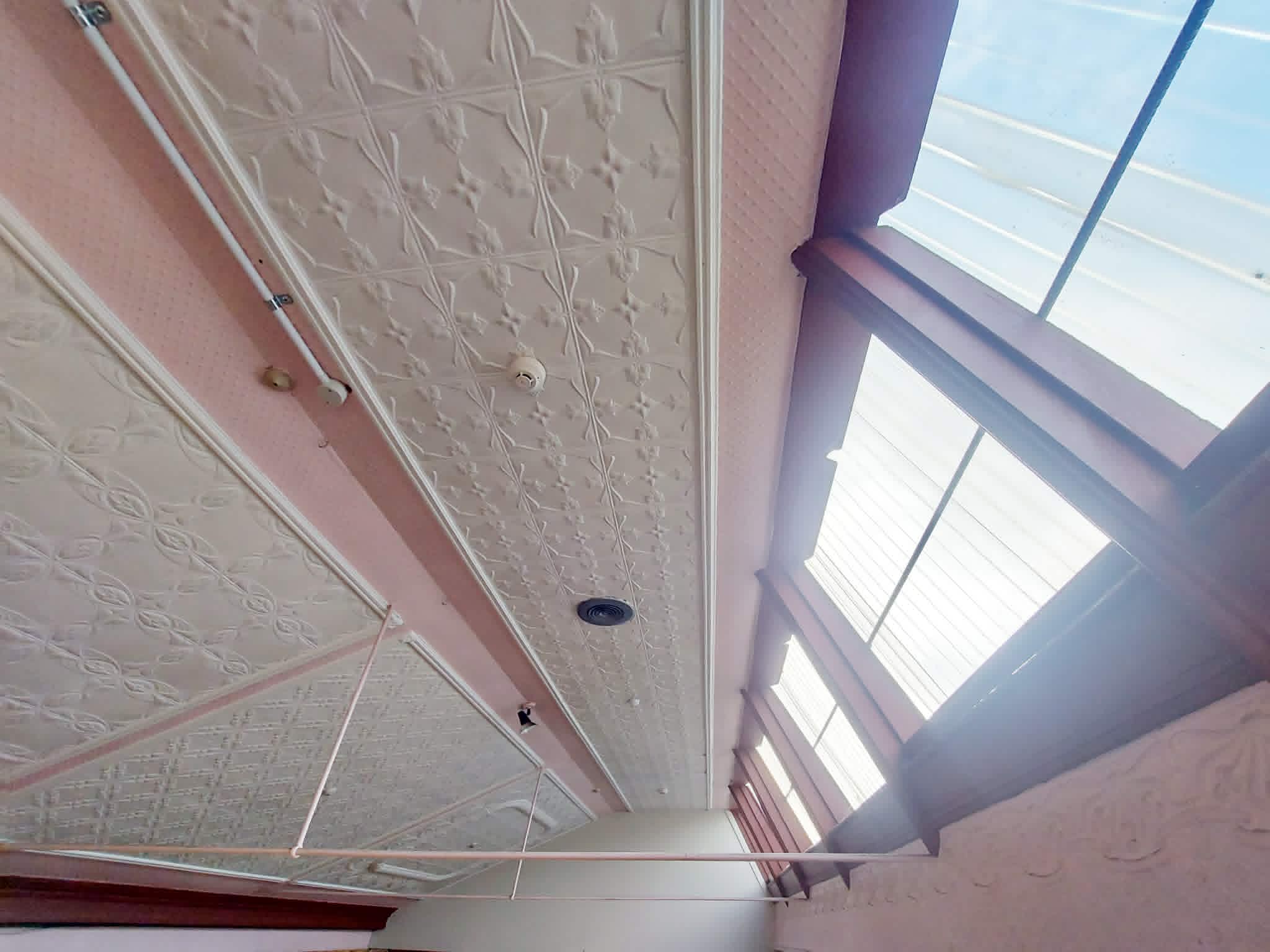
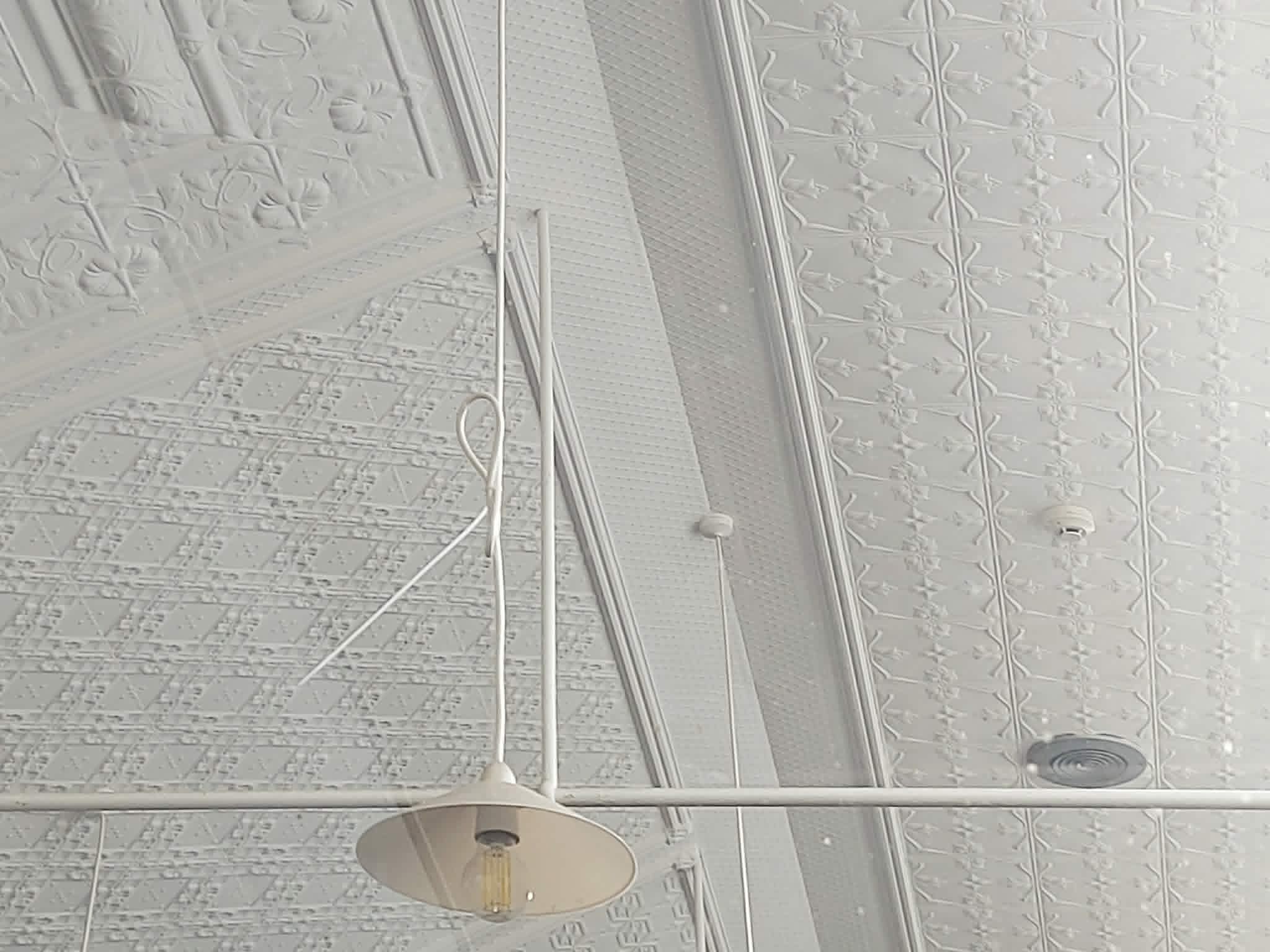
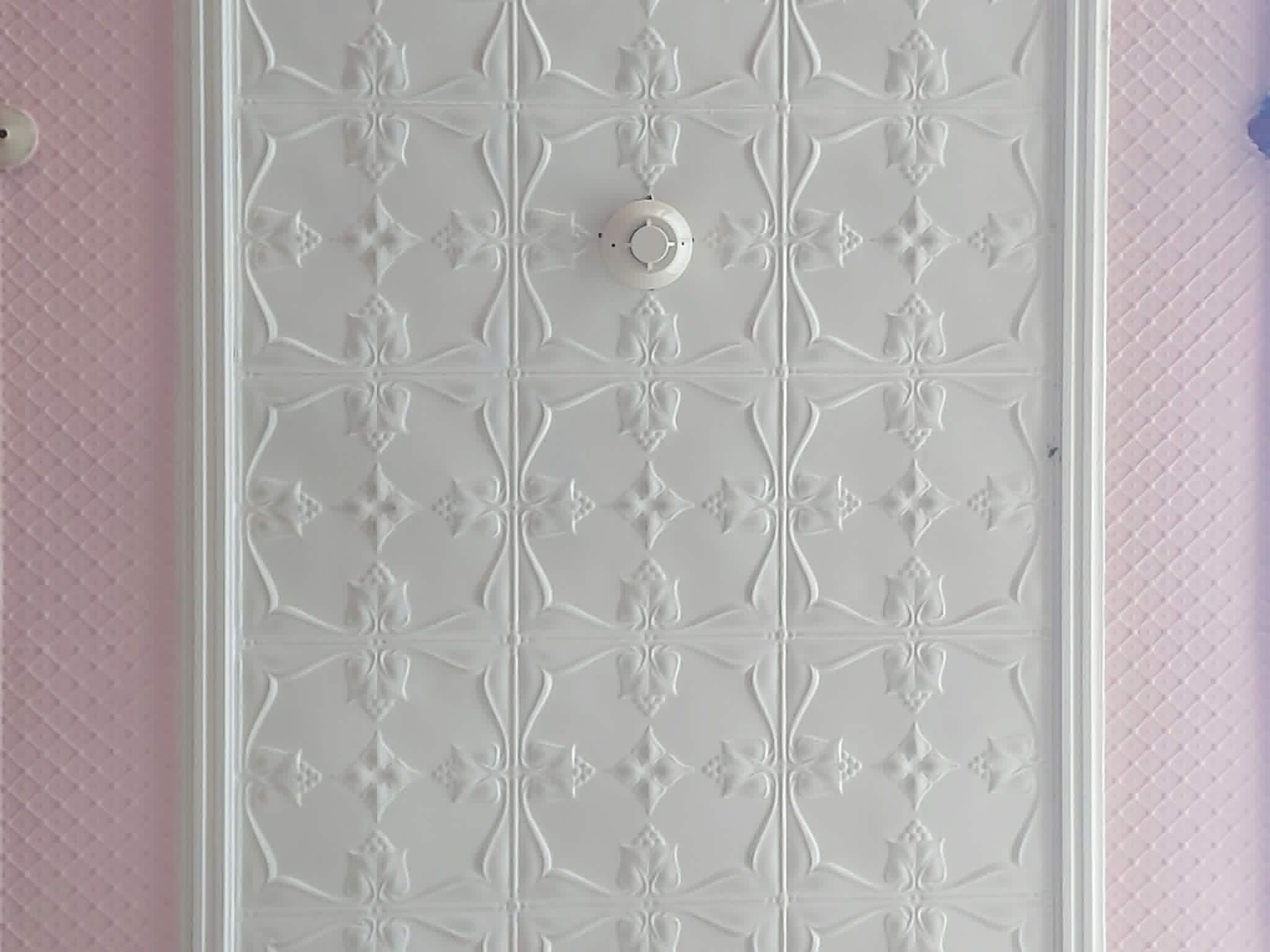
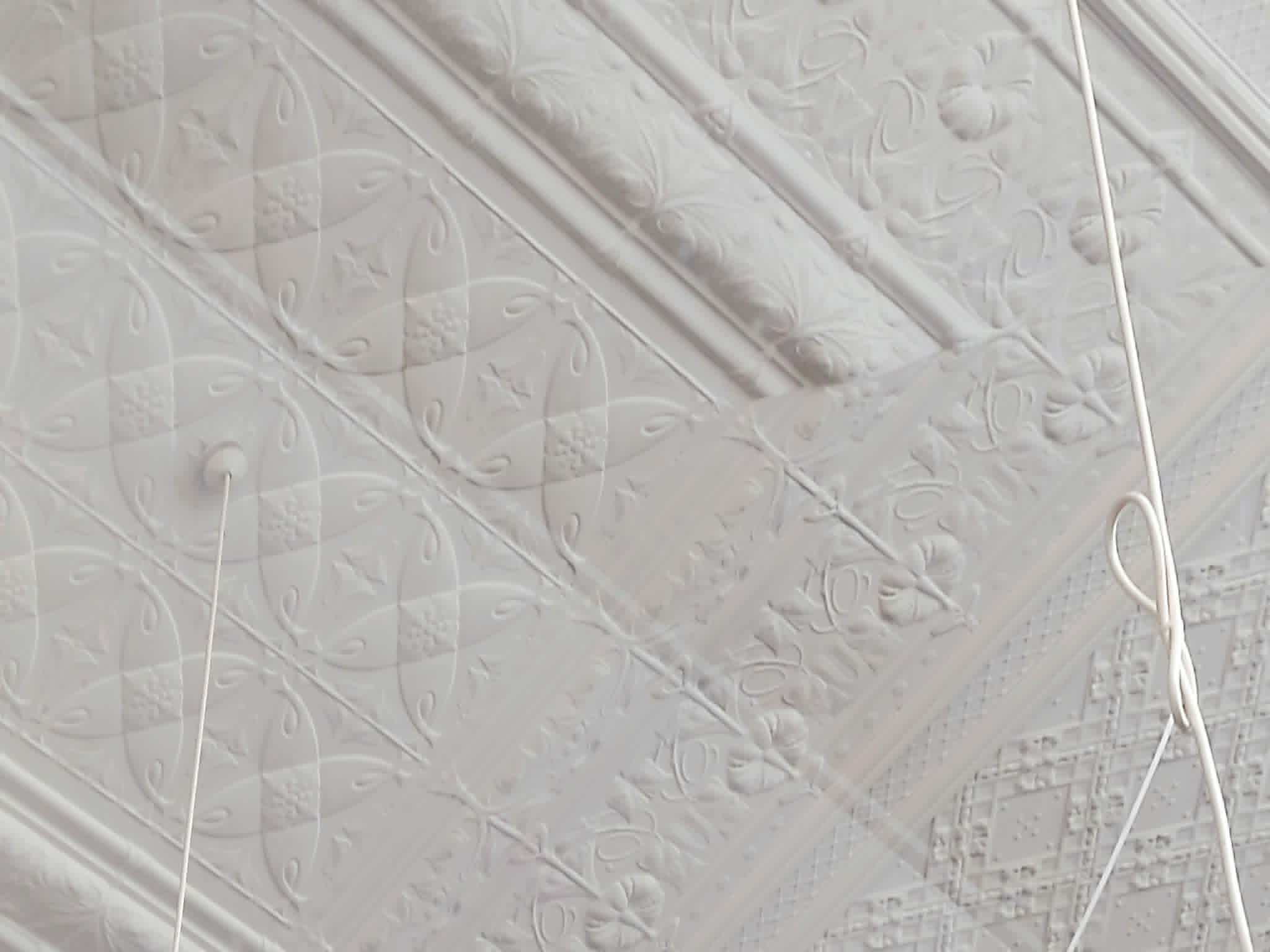
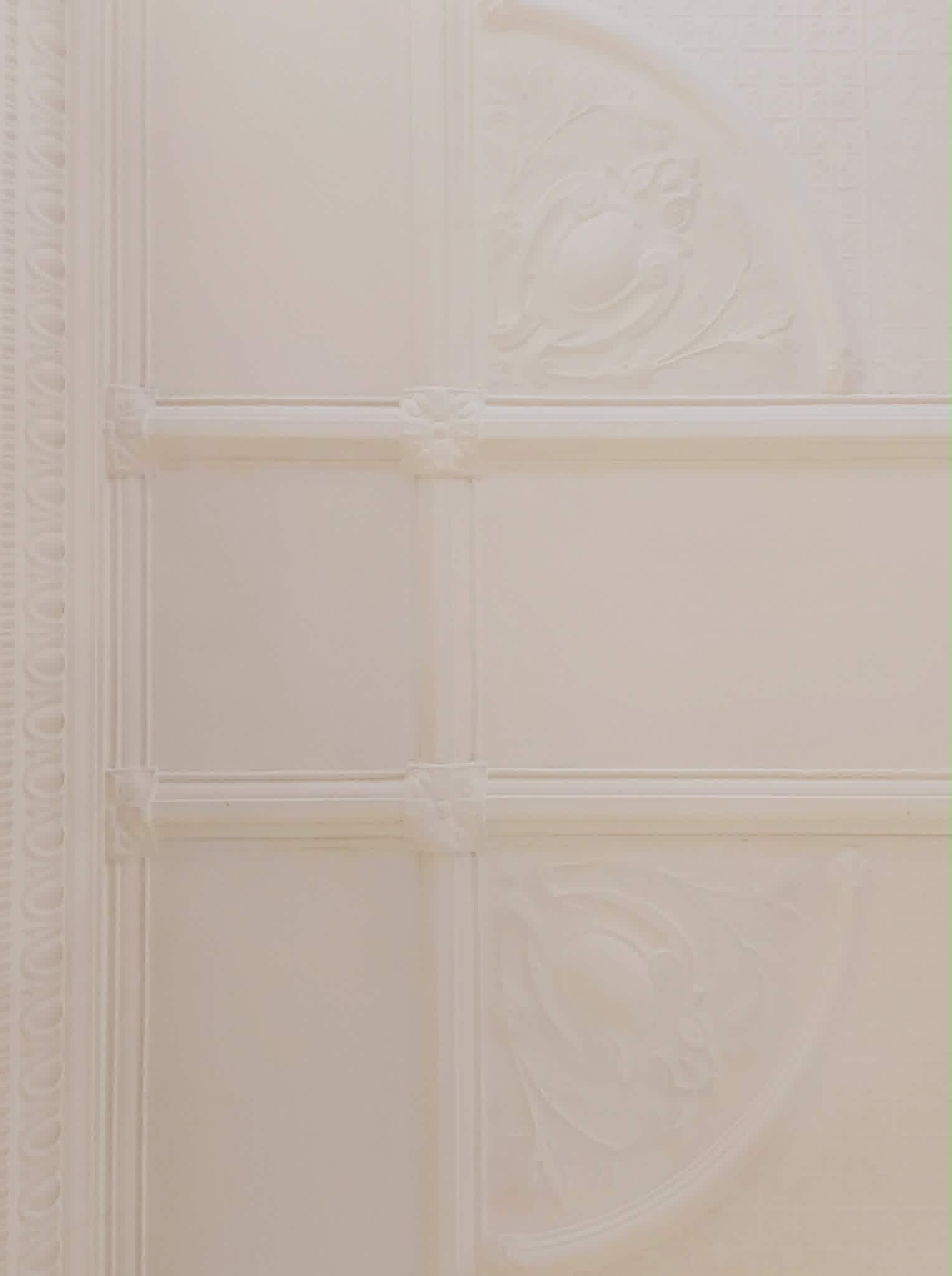
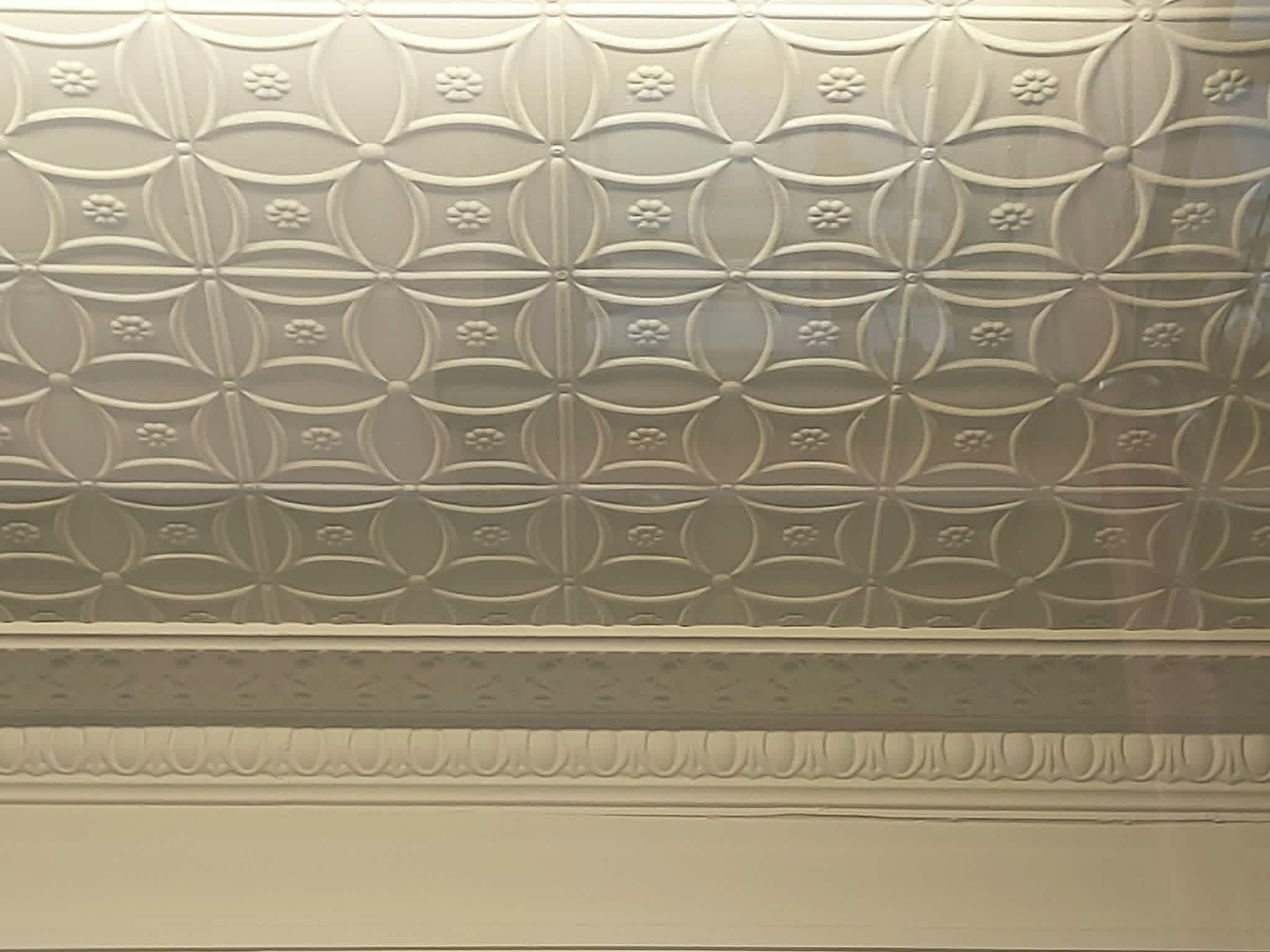
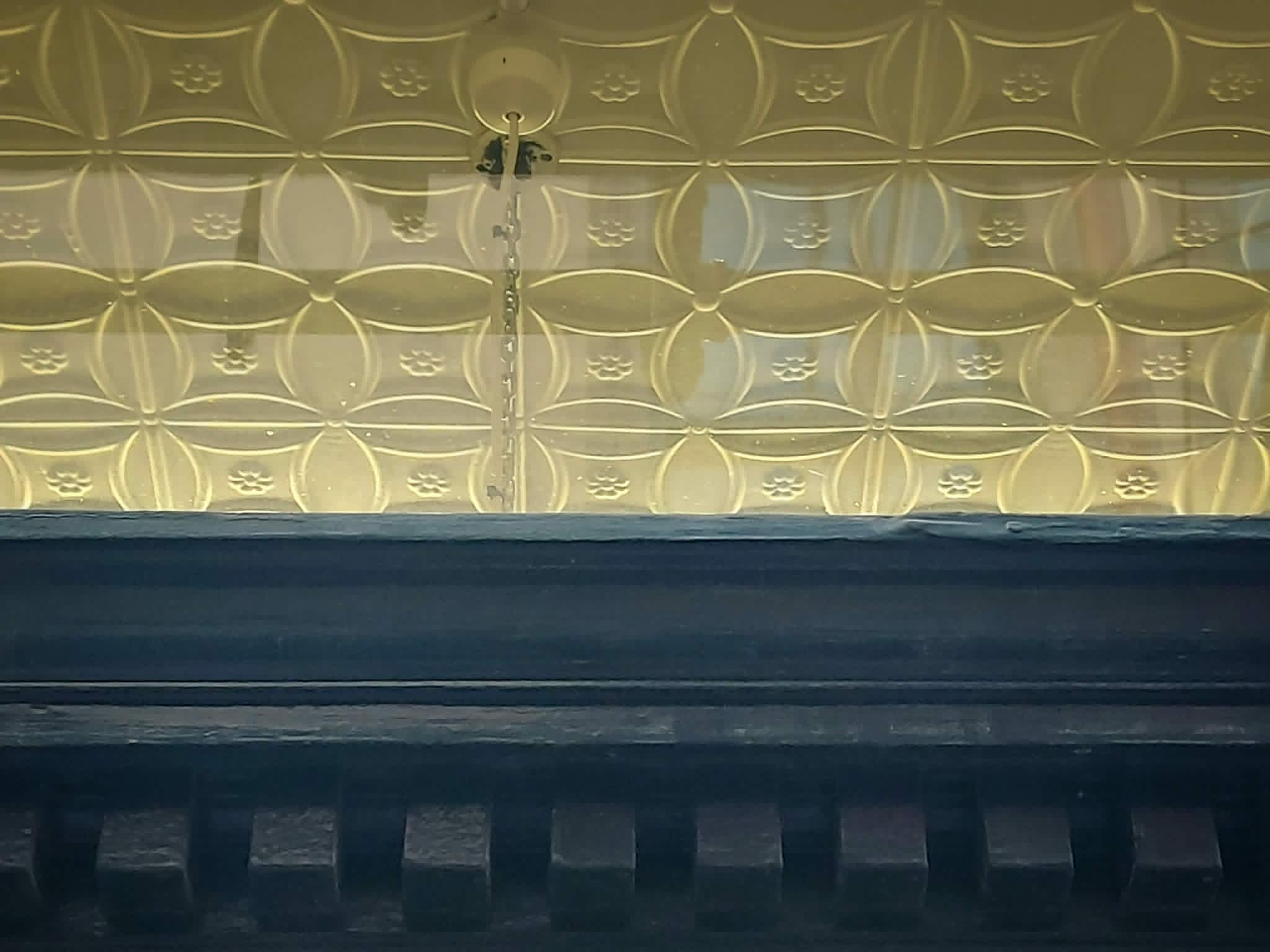
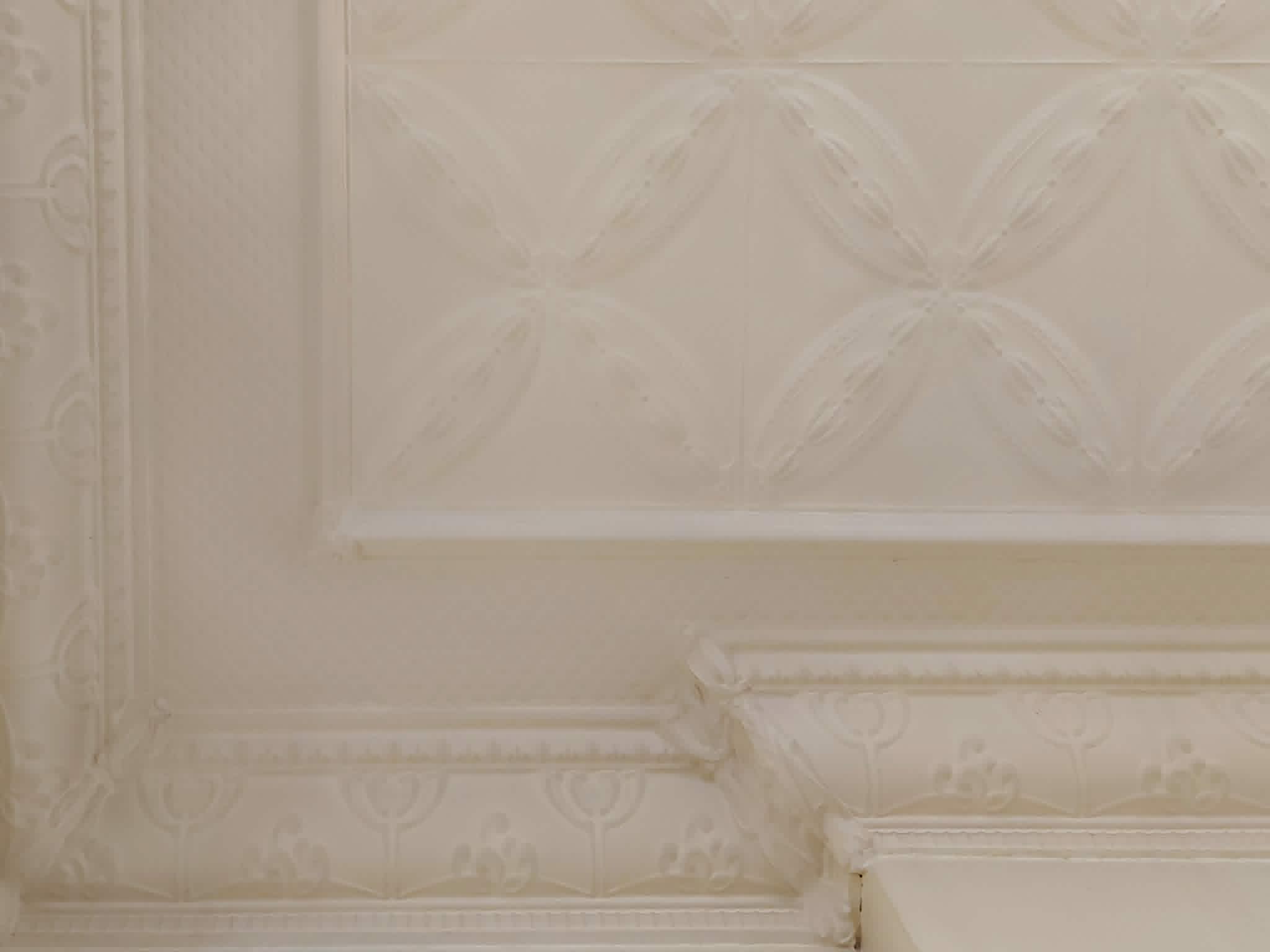
I wasn't looking for ceilings... I was researching Priest & Holdgate... Then someone told me to look up. Standing inside one of Timaru's older commercial buildings, I found myself staring at a pressed-metal ceiling unlike any I'd noticed before. It wasn't uniform. One section flowed into another with a completely different pattern. Decorative borders changed. The centre panels didn't match. At first glance, it looked as though someone had repaired the ceiling over many decades using whatever happened to be available.
Then the property owner smiled, "That wasn't a repair," they said. "That was the showroom." Suddenly I wasn't looking at decoration anymore. I was looking at a clue.
According to the property's history, the ceiling had been deliberately installed using a variety of pressed-metal patterns so customers could compare different designs before choosing one for their own home, business or public building. Instead of leafing through a catalogue, they simply looked up.
It is a wonderful story of who made these ceilings?
Why were there so many different patterns?
Who sold them?
And how had they found their way into a provincial South Canterbury town?
The search led backwards through newspapers, catalogues, heritage reports, company histories and family stories. It crossed the Tasman to Sydney, passed through Dunedin merchants, and finally returned to a hardware business that stood at the entrance to Timaru's Royal Arcade for more than eighty years. It turned out the ceiling wasn't the story at all... It was a doorway into one.
Two young men and a growing town
In January 1867, Christchurch hardware merchant "Edward Reece" sent one of his trusted employees, "William Priest", to Timaru to establish and manage a branch of his business. It was an ambitious decision. Timaru was still a young settlement, but Reece clearly believed the district had a promising future. Around the same time another young man, "Edward Holdgate", was learning the commercial trade with the established Timaru merchants "Clarkson and Turnbull".
The two men came from different backgrounds... Priest knew hardware. Holdgate knew business. Neither could have known that their names would become part of Timaru's commercial landscape for generations.
The early history of the firm is slightly more complex than later summaries suggest. Contemporary newspaper accounts indicate that William Priest, Edward Holdgate and merchant "John Jackson" were associated in the business of "W. Priest & Co." during the 1870s. When Jackson later withdrew to concentrate on his rapidly expanding timber and coal enterprise, the business continued under the name "Priest & Holdgate".
History often smooths over the complicated beginnings of successful businesses. Looking back from the distance of a century, it is easy to imagine that companies sprang fully formed into existence. In reality, they evolved through partnerships, changing opportunities and ambitious people willing to adapt.
Priest and Holdgate proved remarkably good at exactly that.
More than a hardware shop
Today, describing Priest & Holdgate as a hardware store doesn't really do the business justice. Certainly they sold hardware, but they also supplied much of what a growing district needed to build, farm, transport, repair and improve itself.
Their customers included farmers, builders, carpenters, engineers, blacksmiths, contractors and householders. Agricultural machinery became one of their greatest strengths. They held agencies for internationally recognised equipment including "McCormick Reapers and Binders", machines that helped transform harvesting throughout the world. They also sold implements made by respected New Zealand manufacturers such as "P. & D. Duncan" and "Andrews & Beaven".
Their catalogue stretched far beyond agriculture, there were "Stirling bicycles". "Planet Jr. garden tools", advertised with the cheerful claim that they did almost everything in the garden except plant the seed.
Locks... Paint, Ironmongery, Machinery, Building materials, Timber fittings, and Tools.
Looking back now, Priest & Holdgate feels less like a hardware shop and more like an early building and rural supply centre. If you were constructing a house, fitting out a business, harvesting a crop or simply improving your property, there was a good chance you would walk through their doors.
And those doors led into one of Timaru's most remarkable commercial buildings.
The Vulcan Warehouse
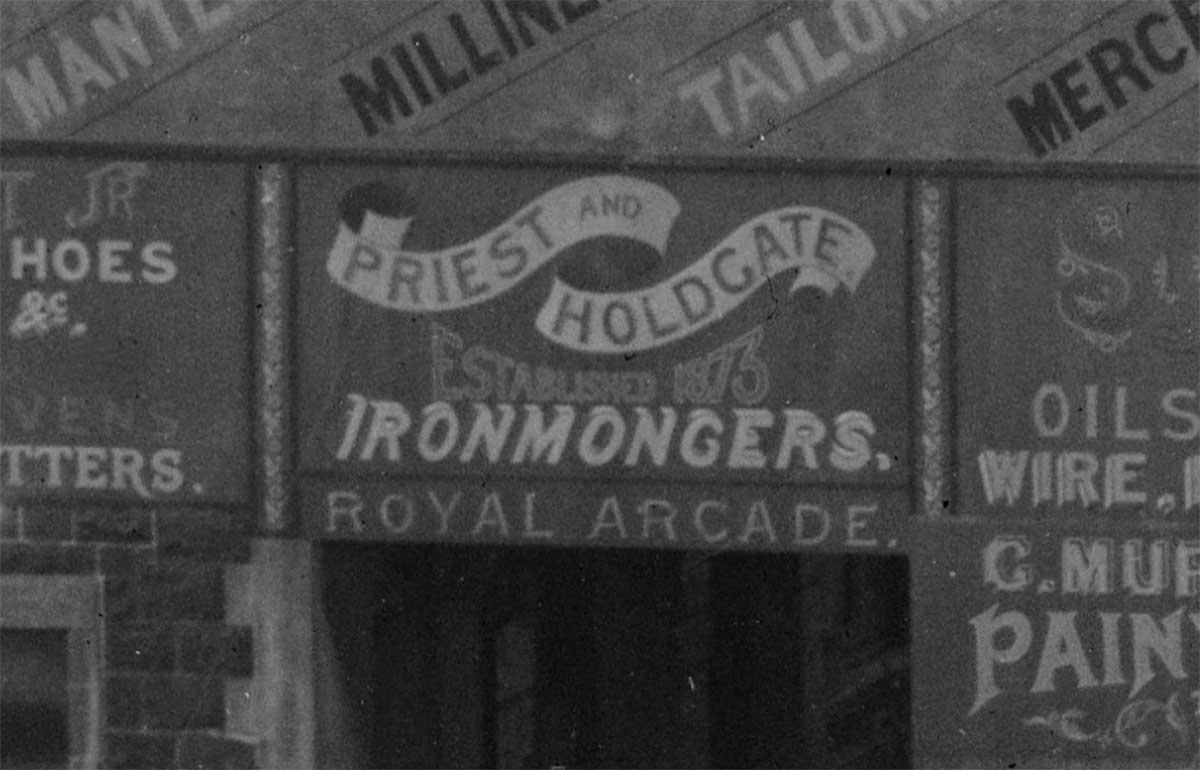
In 1887 Priest & Holdgate erected their impressive new "Vulcan Warehouse" at the Stafford Street entrance to Ross' Royal Arcade. Designed by the distinguished architect "James Hislop", the building was much more than a retail shop. It formed the commercial gateway into one of New Zealand's finest surviving Victorian and Edwardian shopping arcades.
The Timaru District Council's heritage assessment describes Ross' Royal Arcade as a rare surviving commercial arcade, developed principally between 1887 and 1907. It linked Stafford Street, Timaru's main shopping thoroughfare, with Sophia Street and the government precinct beyond.
Priest & Holdgate occupied a prime position. Customers entered directly from Stafford Street beneath the impressive façade of the Vulcan Warehouse. Behind the shop stretched warehouses filled with stock.
Heavy goods were moved through the building using a small rail trolley system that reportedly ran between the Sophia Street boundary and the Stafford Street frontage — a practical solution for a business handling machinery, ironwork and bulky supplies long before forklifts existed.
In 1906 the premises expanded again with an addition to the rear that included "Budd's Arcade Café" on the first floor, reflecting both the success of the business and the continuing evolution of the Royal Arcade itself.
This was not simply a place to buy nails... customers looked up.
One sentence that changed everything
For years I had walked through the Royal Arcade admiring its architecture, but I had never really wondered where they came from, until I found an obituary published by "The Timaru Herald" in August 1976 following the death of "Cecil Joseph Holdgate". Among the summary of his family's long association with the business was a passing remark that Priest & Holdgate had been "pioneer importers of embossed steel ceilings", and that examples still survived in their former Arcade premises.
One sentence... that was all it took. Suddenly the ceiling above my head wasn't simply decoration. It was evidence. And evidence has a habit of asking better questions than it answers.
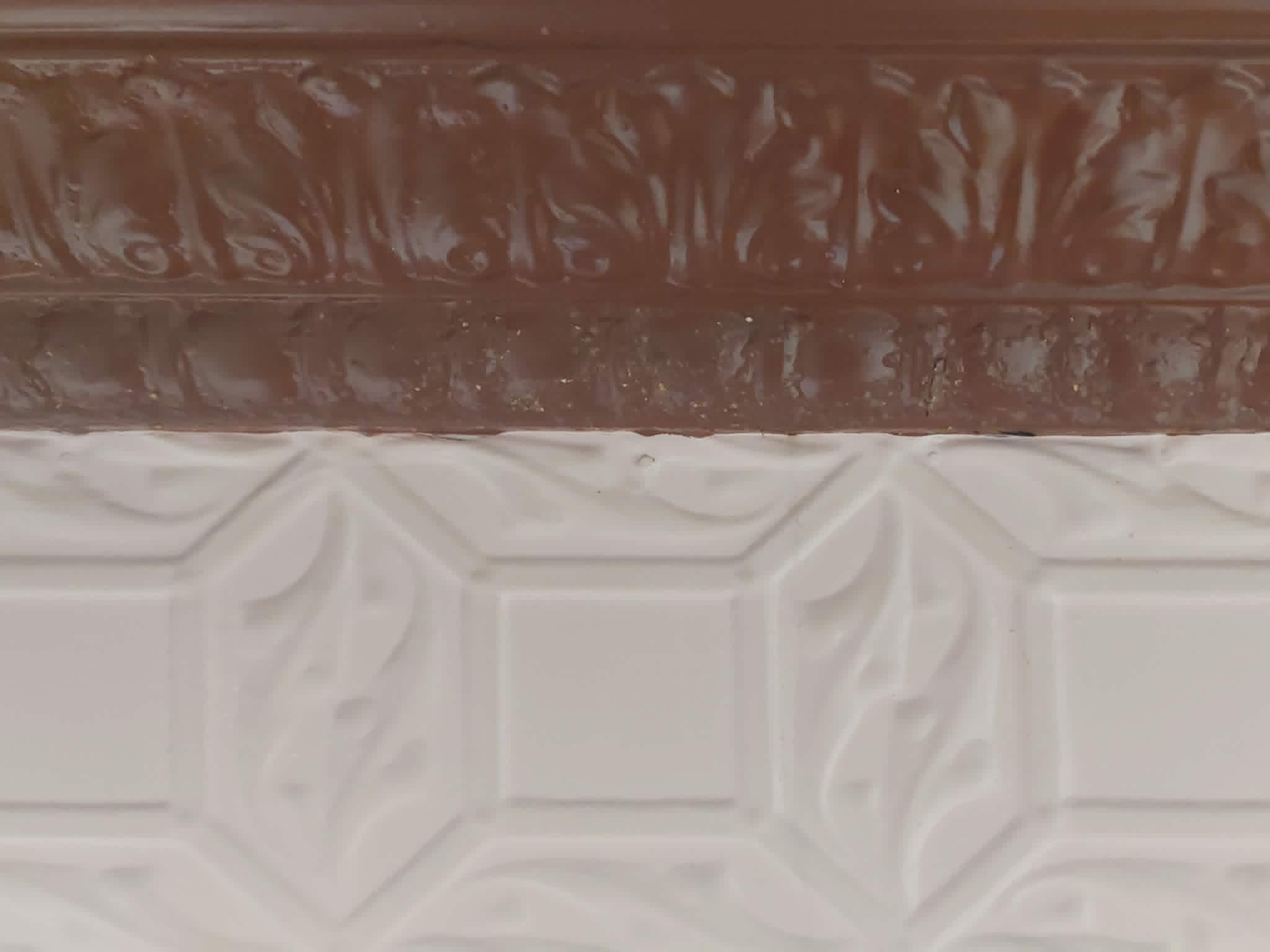
Looking Up for Beautiful Homes
One sentence in a 1976 obituary had sent me in an entirely new direction... Priest & Holdgate had been "pioneer importers of embossed steel ceilings". If that was true... who made them? The answer wasn't in Timaru. It was hiding in an old newspaper advertisement.
The Timaru Herald. 25 November 1911. At first glance it looked like countless others that filled the paper in the early twentieth century. Then I started reading. Across the top were two products: "Wunderlich Art Metal Ceilings" and "Marseilles Roofing Tiles." Then, almost hidden amongst the text, were the words I had been hoping to find. "Priest & Holdgate – Local Agents. Suddenly the ceiling above my head had a name, and not only that... It had a supply chain. The advertisement linked Priest & Holdgate with "Briscoe & Co. Ltd.", the New Zealand agents for Wunderlich products.
Selling ideas
Until that moment I had imagined Priest & Holdgate as hardware merchants. The advertisement suggested something much bigger. They weren't simply selling pressed steel. They were selling possibilities. A vision of what a building could become. The free catalogue was called "Beautiful Homes".
Those two words say a remarkable amount about the changing aspirations of New Zealand around 1911. People were no longer building simply for shelter. They were thinking about appearance; Style, Decoration, Fashion, Comfort, Identity. The products Priest & Holdgate sold weren't just practical. They were helping shape the character of homes, shops, hotels, churches and public buildings.
The catalogue
The newspaper led me to the National Library. There, preserved more than a century later, was the catalogue itself. It wasn't a thin sales leaflet. It was an impressive publication. Inside were pressed-metal ceiling panels. Borders, Cornices, Centre flowers, Wall linings, Dado panels, Decorative mouldings... Page after page of possibilities. Customers weren't buying a ceiling. They were designing one.
Looking back at the mixed ceiling in Timaru, I could suddenly imagine a customer standing beneath it. Perhaps they preferred one border. Another family might like a different centre panel. A hotel owner might choose something elaborate. A shopkeeper something more restrained.
The ceiling wasn't simply above them... it was part of the sales conversation.
Then the roof appeared
Until now I'd been looking upwards and I noticed something else. The same advertisement that promoted Wunderlich ceilings also promoted "Marseilles Roofing Tiles". Priest & Holdgate weren't simply helping customers decorate interiors. They were helping define how buildings looked from the street. Suddenly the business wasn't just supplying hardware. It was supplying architecture.
The more I learnt about Priest & Holdgate, the more often another name appeared. "John Jackson." Today, most people remember John Jackson through his timber company. Founded in 1866 after purchasing the timber and coal branch of Munro and Le Cren's business, John Jackson & Co. grew into one of South Canterbury's largest timber merchants. Their 1916 Jubilee Souvenir describes an extraordinary operation.
It was a business helping construct South Canterbury. But something else in the booklet caught my eye. The Holdgate family appears throughout its later history. Edward Holdgate served as Chairman. Other members of the family held important positions within the company.
Timaru's commercial leaders weren't operating in isolation... They formed a network, who together they were supplying the materials that built a district and shaped the appearance of Timaru.
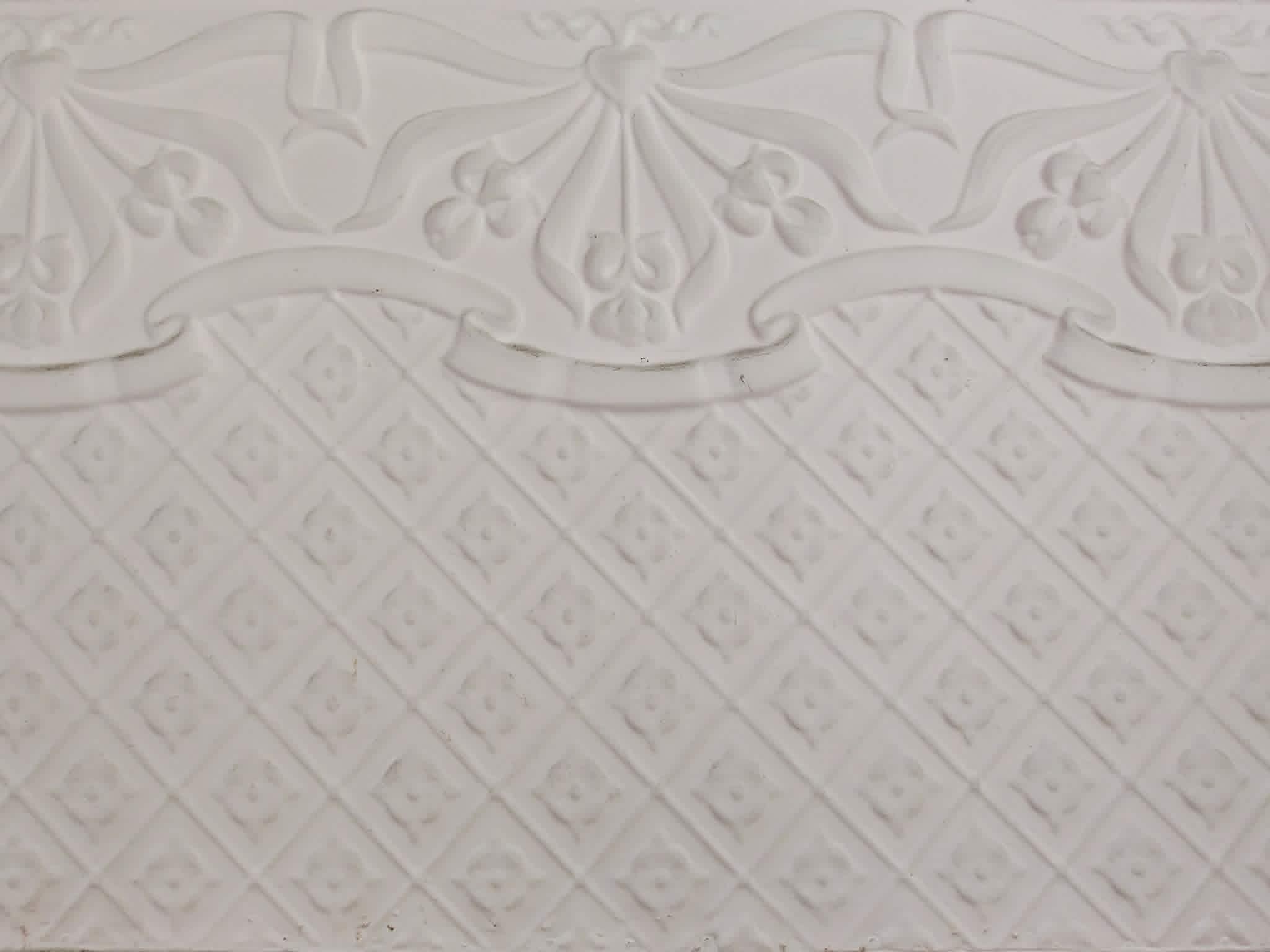
The Warehouse That Sold Possibilities
Priest & Holdgate's premises were not tucked away down a side street. Their Vulcan Warehouse stood at the Stafford Street entrance to the Royal Arcade, one of the most ambitious commercial developments in early Timaru. The Timaru District Council heritage report describes Ross' Royal Arcade as a rare surviving example of a late Victorian and Edwardian commercial arcade, developed mainly between 1887 and 1907. It connected Stafford Street, the town's main shopping street, with Sophia Street and the government precinct. In other words, it was not just a shortcut. It was a carefully placed commercial link between two important parts of the town.
The Vulcan Warehouse was erected in 1887, at the same time the Royal Arcade was taking shape. The council heritage report identifies the building as the work of Dunedin architect James Hislop, with Jones & Palliser as contractors. That matters because it tells us Priest & Holdgate were not simply fitting themselves into an existing shop. They were investing in a purpose-built commercial premises in one of the town's most visible positions. Later, after David Mitchell Ross's financial collapse, Priest & Holdgate purchased four lots within the arcade, including their Stafford Street shop and the first-floor bridge office. By then they were not just tenants in the Arcade story. They were part of its ownership and future.
The building itself seems to have been designed for work as much as display.
Local research records a small rail and truck system used by Priest & Holdgate to move heavy hardware stock through the building, from the Sophia Street boundary through to Stafford Street. That small detail says a lot. This was a place where bulky goods moved, where machinery and hardware had to be handled efficiently, and where the building had to function as warehouse, store, showroom and distribution point all at once. It was practical, but it was also public-facing. People came in to buy, compare, collect, order and imagine.
In 1906, the building expanded again. The heritage report records an addition to the rear of the Priest & Holdgate building, which included Budd's Arcade Café on the first floor. That detail delights me because it shows the Arcade as more than a retail lane. It was a social and commercial place. You could shop, conduct business, visit professional offices, have photographs taken, perhaps stop for refreshment upstairs, and move between Stafford Street and Sophia Street without leaving the built world of the Arcade.
By 1907, with the exception of the later Wilmott's extension in the 1950s, the Royal Arcade was largely complete. Around it were buildings associated with architects, merchants, photographers, newspapers, pharmacies, music shops, cafés and offices. William Ferrier had a photographic studio in the Arcade. Daniel West, one of Timaru's important architects, had an office there in the 1890s, and Herbert Hall commenced practice there in 1910. This was not simply a collection of shops. It was a little urban ecosystem, and Priest & Holdgate occupied one of its key entrances.
Now imagine stepping into the Vulcan Warehouse around 1912. Downstairs there may have been tools, locks, paints, machinery, agricultural implements, bicycles, garden equipment, sheet metal goods, roofing products and builders' hardware. Somewhere in the business were people with practical skills in locksmithing, gunsmithing and sheet-metal work. Above, or nearby, customers could see examples of decorative pressed-metal ceiling work. On the counter might have been the Beautiful Homes catalogue, showing interiors and exteriors fitted out with Wunderlich ceilings and Marseilles roofing tiles. In that setting, a mixed-pattern showroom ceiling is not far-fetched. It is exactly the sort of sales tool that would make sense.
It is easy to think of early hardware merchants as selling useful things and nothing more. But usefulness and beauty were not opposites. The 1911 advertisement understood that. It offered ceilings that were practical—germ-proof, fire-proof, crack-proof—but also decorative. It sold roof tiles that protected a building but also changed its appearance. The business was speaking to farmers, builders and tradespeople, but also to people who wanted their homes and premises to look modern, respectable and up to date.
That is why Priest & Holdgate's story is bigger than a shop. Their shelves, yards, catalogues and showrooms connected South Canterbury customers to products made elsewhere and ideas travelling across the world. Wunderlich manufactured in Australia. Briscoe & Co. distributed in New Zealand. Priest & Holdgate brought those possibilities to Timaru. A customer standing in the Vulcan Warehouse was not just choosing a ceiling panel or a roof tile. They were choosing how their building would present itself to the world.
This is where the ceiling becomes more than a curiosity. If the property owner's account is correct, the mixed pressed-metal ceiling was not a later patchwork or a confused repair. It was a practical display, a sales catalogue in steel. It allowed people to compare pattern with pattern, border with border, treatment with treatment. It made the abstract visible. It brought the catalogue down from the page and placed it directly above the customer's head.
That is the part of the story I keep coming back to. The ceiling didn't just decorate the showroom. It taught people how to look.
Bringing the World to Timaru
The more I researched Priest & Holdgate, the more I realised the story wasn't really about hardware.
It was about connections.
Every new source seemed to add another place to the map. Christchurch. Dunedin. Sydney. Melbourne. England. Germany. Timaru suddenly felt much less isolated than I had imagined.
Take William Priest, for example. He didn't simply decide to open a shop in Timaru. He was sent here in 1867 by Christchurch hardware merchant Edward Reece to establish and manage a new branch. Holdgate's experience came from another direction, learning the commercial trade with Clarkson & Turnbull, one of Timaru's principal merchants. Their early business links with John Jackson connected them to one of the district's most important timber and building suppliers. None of these men were working alone. They were part of a network of merchants helping a young settlement grow into a prosperous regional centre.
The more I looked at that network, the clearer it became that Priest & Holdgate occupied a unique position within it. Jackson supplied timber, joinery and building materials. Architects such as James Hislop and later J. S. Turnbull designed many of the buildings that still define Timaru's streetscape. Builders transformed drawings into brick, stone and timber. Priest & Holdgate sat between them all, supplying the hardware, machinery and increasingly the decorative materials that completed those buildings.
By the beginning of the twentieth century, the firm had become much more than ironmongers. Contemporary accounts described them as one of the most important hardware firms outside New Zealand's principal cities. Looking at the range of products they carried, it is easy to understand why. Farmers came for harvesting machinery. Builders came for hardware. Engineers came for tools and metalwork. Householders came for bicycles, garden equipment and domestic fittings. Then, almost quietly, the business expanded into something else altogether: architectural fashion.
The 1911 advertisement was not promoting an isolated product. It was part of a much larger campaign run by Briscoe & Co., the New Zealand agents for Wunderlich products. Across the country, newspapers promoted Wunderlich Art Metal Ceilings alongside Marseilles Roofing Tiles, inviting readers to request the beautifully illustrated Beautiful Homes catalogue. Other advertisements proudly listed schools, churches, convents, railway stations and public buildings already roofed with Marseilles tiles, presenting them as a modern, prestigious alternative to more traditional roofing materials. These were products associated with quality buildings, and Priest & Holdgate were the people introducing them to South Canterbury.
That realisation changed the way I thought about the business. Until then I had imagined Priest & Holdgate as supplying practical necessities. In reality, they were also supplying aspiration. Their catalogues encouraged customers to think about decoration, proportion, colour and design. The phrase "Beautiful Homes" wasn't simply a title. It was a promise that ordinary New Zealanders could build homes and businesses that reflected the latest architectural fashions from overseas.
The journey those products took is remarkable. Decorative ideas that had developed in Europe were adapted by the Wunderlich company in Sydney, manufactured into pressed-steel ceiling panels and roofing products, shipped across the Tasman to Briscoe & Co. in New Zealand, distributed through local merchants like Priest & Holdgate, and finally installed by South Canterbury builders. By the time a Timaru family looked up at their new pressed-metal ceiling, or admired the red tiled roof on their home, they were participating in an international story of design, manufacturing and trade.
It is easy to forget how sophisticated that network was. Timaru is often described as a farming town, and rightly so. But it was also a place connected to global ideas. Imported machinery transformed agriculture. Australian hardwoods arrived through merchants such as John Jackson & Co. Decorative ceilings came from Wunderlich. Marseilles roofing tiles reflected European fashions adapted for Australasia. The Royal Arcade itself echoed commercial arcades being built in larger cities around the world. None of these things happened by accident. They happened because local merchants recognised opportunity and brought those products to South Canterbury.
That is why I think Priest & Holdgate deserve to be remembered for more than selling hardware. They helped connect Timaru to the wider world. They gave local builders access to new materials, new technology and new ideas. Some of those ideas have disappeared. Others are still with us, quietly surviving in the buildings we walk past every day.
Sometimes they're hidden in a roof.
Sometimes they're hidden in a catalogue.
And sometimes...
they're hiding in plain sight above our heads.
Looking Up
When I first walked into that old building, I saw a ceiling. Nothing more... It was attractive, certainly, but also a little confusing. The patterns didn't match. The borders changed. It looked as though someone had repaired it over many years using whatever panels happened to be available. Now, after following the evidence, I see something completely different.
I see William Priest arriving in Timaru in 1867 to establish Edward Reece's hardware business in a town that was still finding its feet. I see Edward Holdgate learning the commercial trade before building one of South Canterbury's best-known businesses. I see John Jackson supplying timber, joinery and building materials as the district expanded. I see James Hislop designing the Vulcan Warehouse and David Ross creating one of New Zealand's finest commercial arcades.
I see Briscoe & Co. importing catalogues from Australia. I see Wunderlich manufacturing pressed-metal ceilings and Marseilles roofing tiles. I see catalogues titled Beautiful Homes arriving in Timaru, inviting customers to think not simply about what they needed to build, but what they wanted their buildings to become.
Most of all, I see customers standing exactly where I stood... Looking up.
Comparing one ceiling pattern with another. Discussing borders and centre panels. Choosing decorative treatments. Imagining how those same ceilings might look in their own home, hotel, church, office or shop. That is the wonderful thing about heritage.
The clues are often still there.
We simply don't recognise them. A pressed-metal ceiling becomes decoration. A roof tile becomes just another roof tile. A hardware merchant becomes another forgotten business. Until one small clue encourages us to ask a different question. Then the whole story begins to unfold. That is exactly what happened here. A property owner shared the story of a showroom ceiling. An obituary mentioned embossed steel ceilings. A newspaper advertisement connected Priest & Holdgate to Wunderlich and Briscoe & Co. A catalogue called Beautiful Homes explained why pattern combinations mattered. The result was not just the history of a hardware business.
It became the story of how international ideas travelled from Europe to Australia, across the Tasman, through Dunedin and finally into the buildings of Timaru. It became the story of merchants, architects, builders, manufacturers and customers who all played a part in shaping the town we know today.
Perhaps that is why I enjoy these history hunts so much. They rarely end where I expect... I thought I was researching Priest & Holdgate. Instead, I found myself exploring architecture, advertising, manufacturing, international trade, commercial networks and changing ideas about what made a beautiful building.
And it all began with a ceiling.


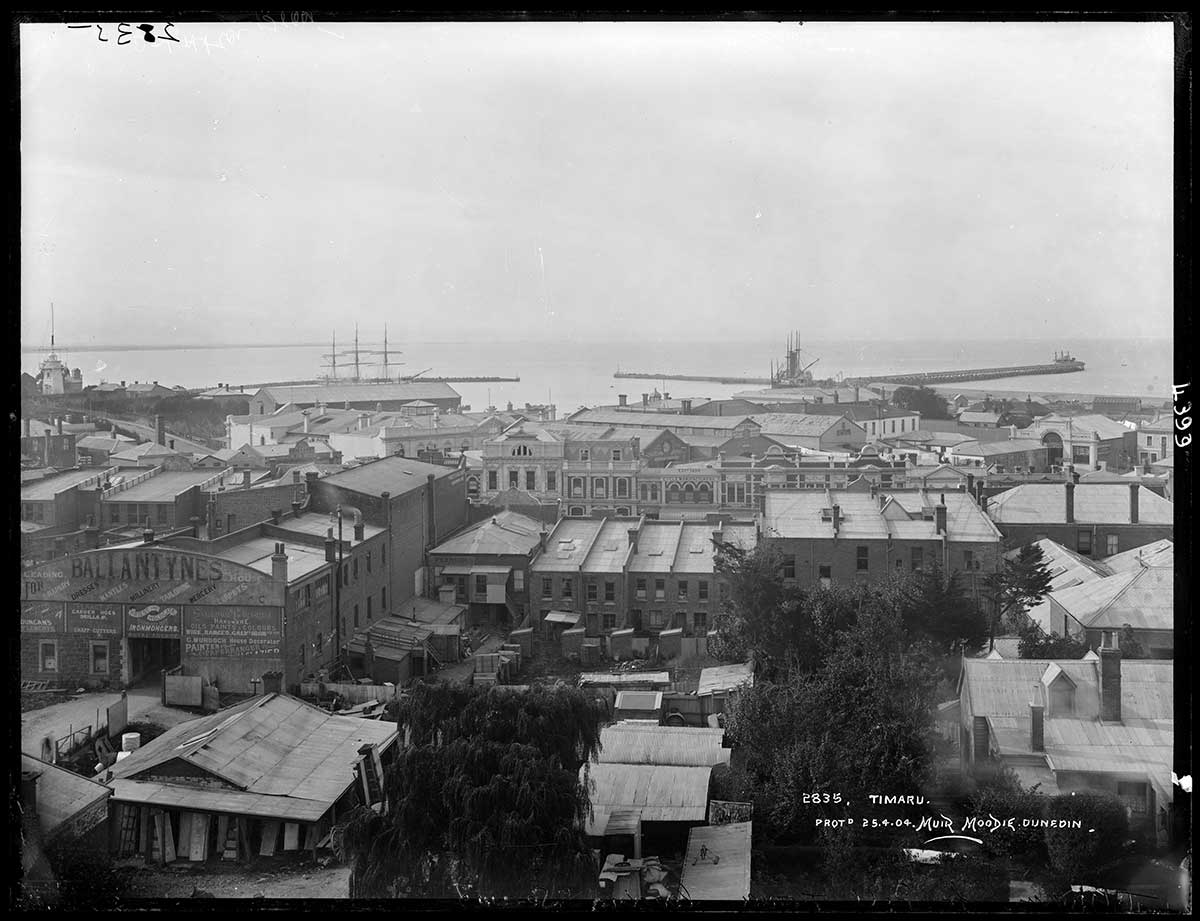
Crowds assembled around the Jubilee Fountain on the corner of Sophia Street, Timaru, circa 1903. Here you can see the entrance towards Priests and Holdagte's rear yard and the Royal Arcade entrance on Sophia Street. South Canterbury Museum 1470
Timaru from Post Office Tower, looking seaward, circa 1904, Dunedin, by Muir & Moodie. Te Papa (C.014399)
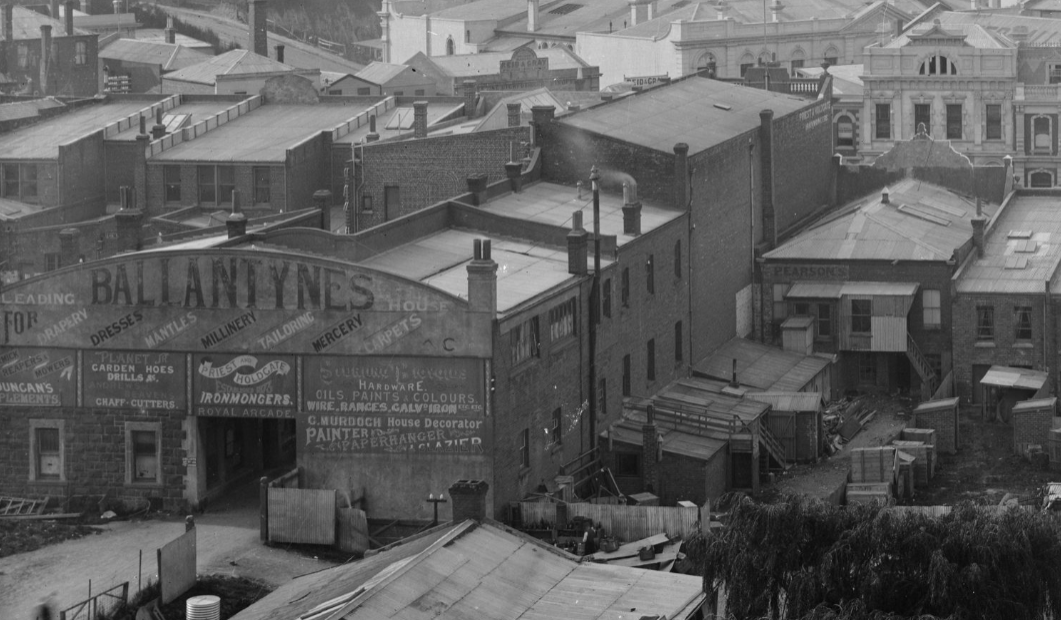
Timaru from Post Office Tower, looking seaward, circa 1904, Dunedin, by Muir & Moodie. Te Papa (C.014399) crop
Timaru from Post Office Tower, looking seaward, circa 1904, Dunedin, by Muir & Moodie. Te Papa (C.014399)
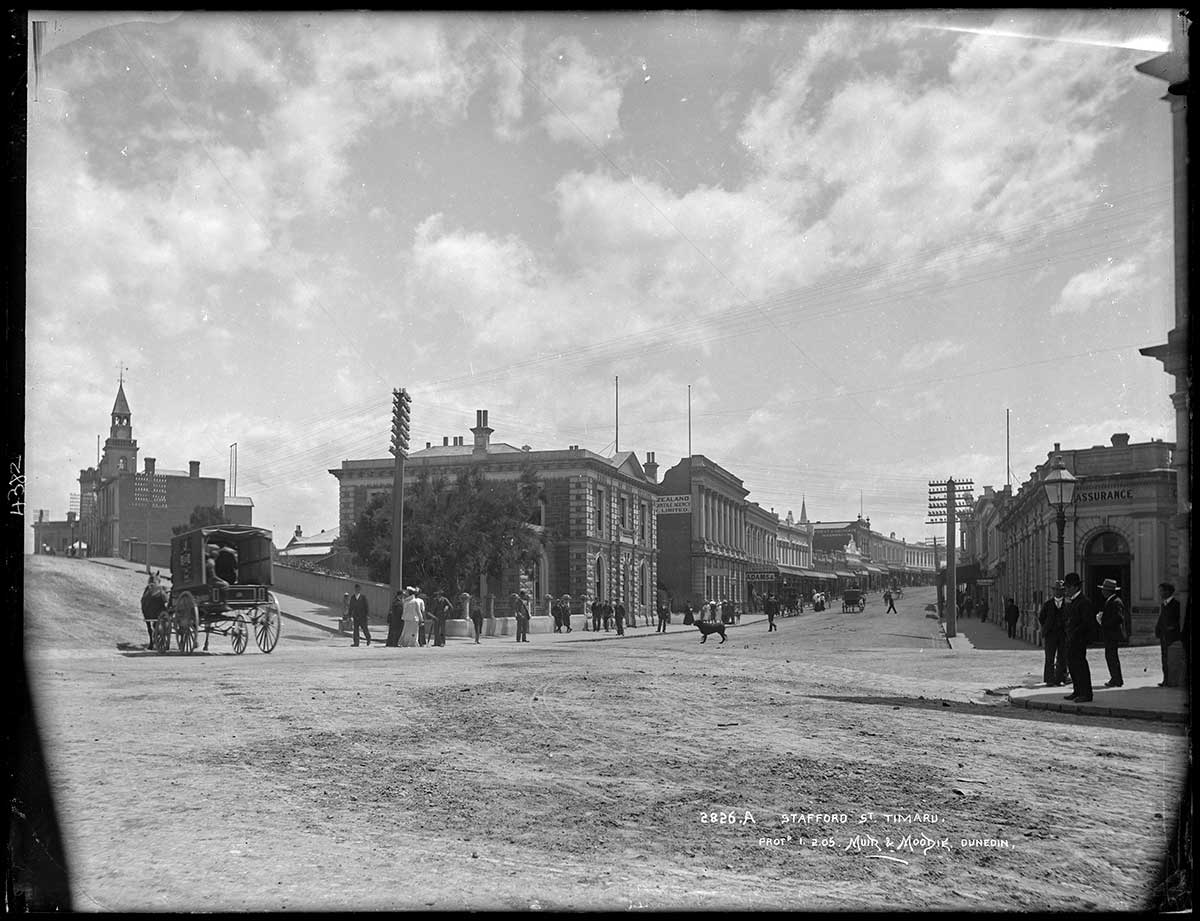
Stafford Street, Timaru, circa 1905, Dunedin, by Muir & Moodie. Te Papa (C.014382)
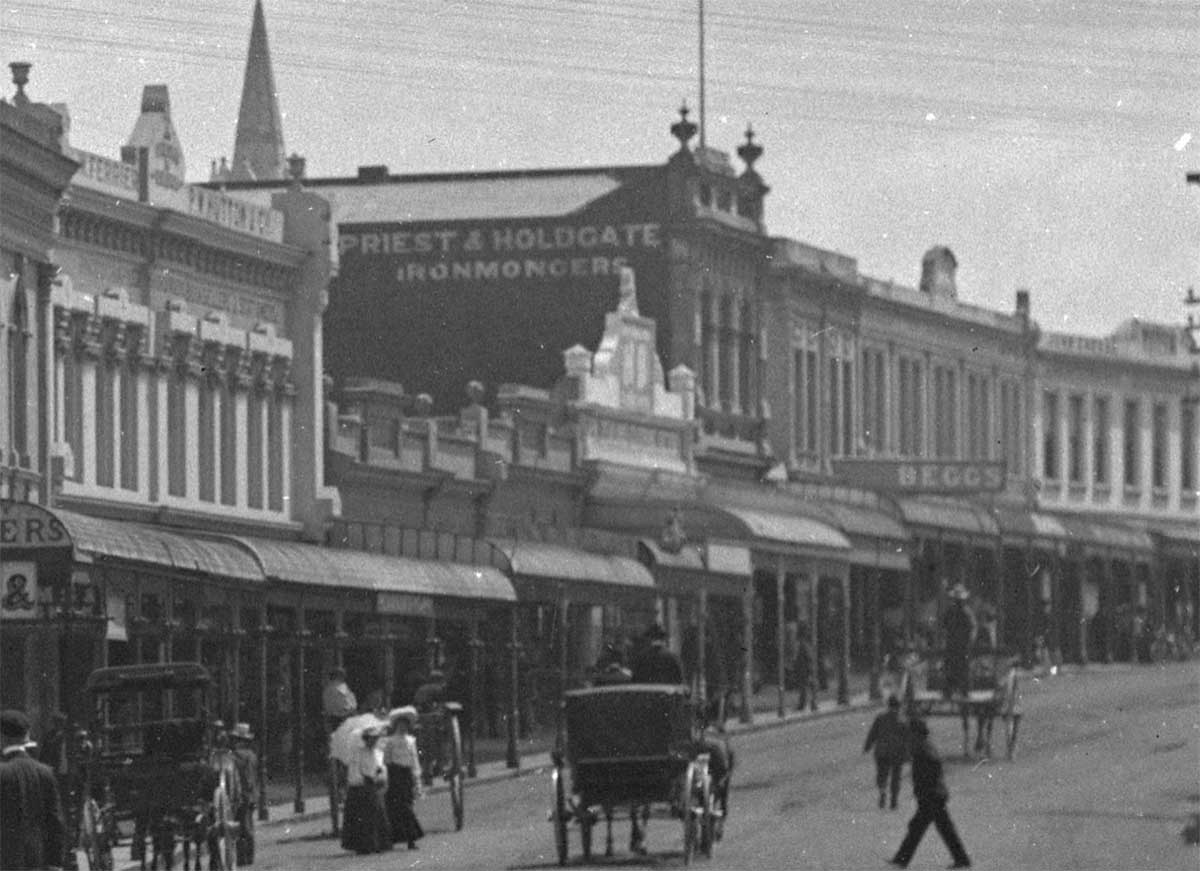
Stafford Street, Timaru, circa 1910, Timaru, by William Ferrier. Te Papa (O.051436) Full image and croped detail
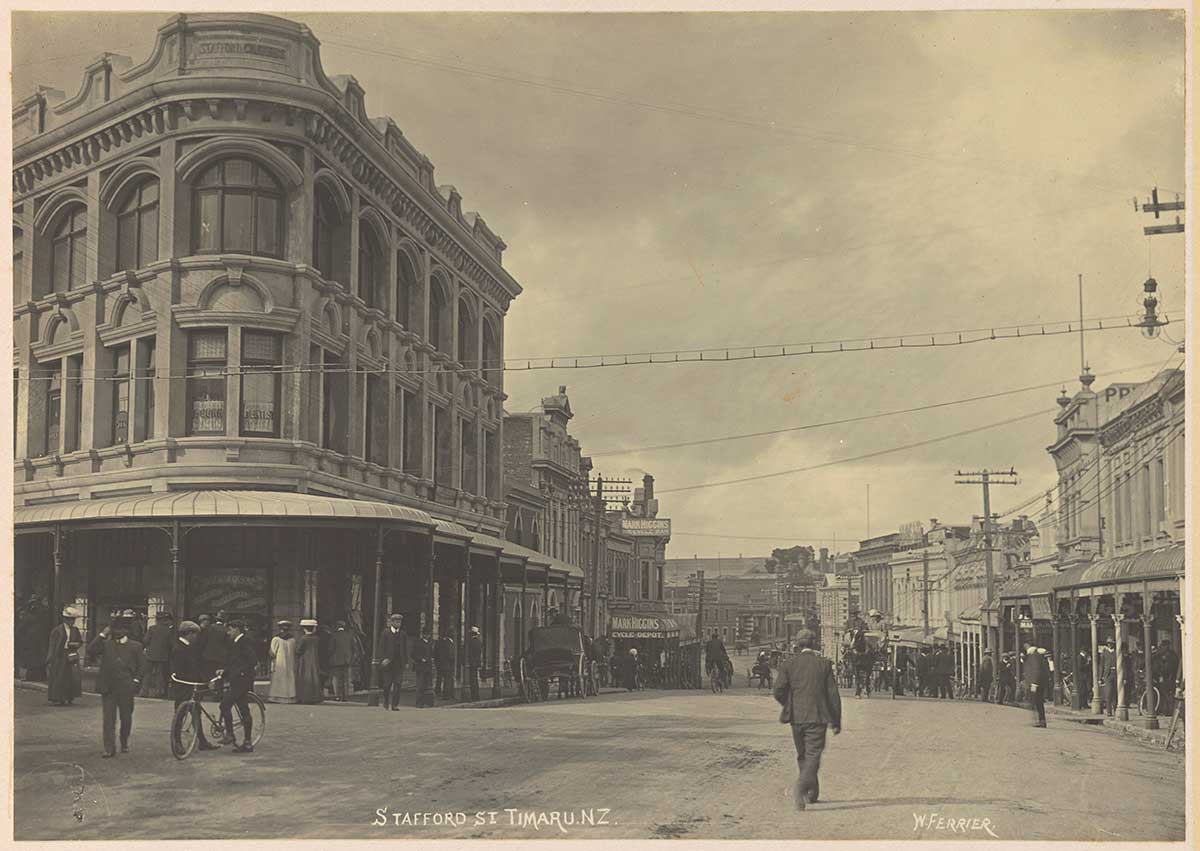
Stafford Street, Timaru, circa 1910, Timaru, by William Ferrier. Te Papa (O.051436) Full and cropped image
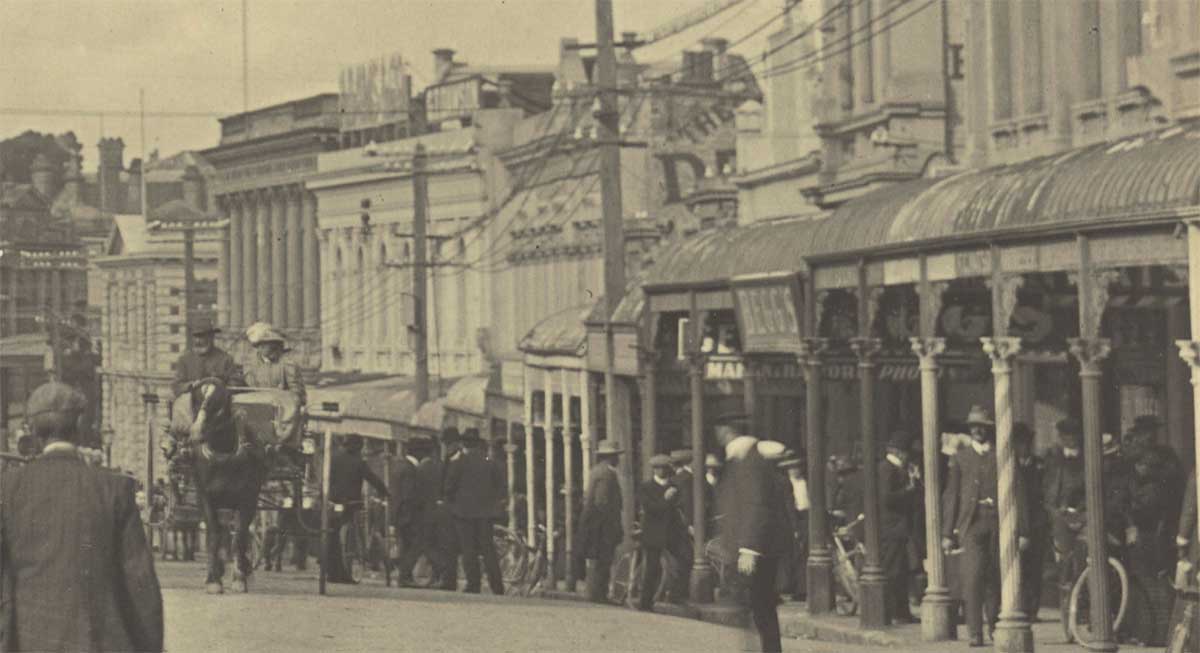
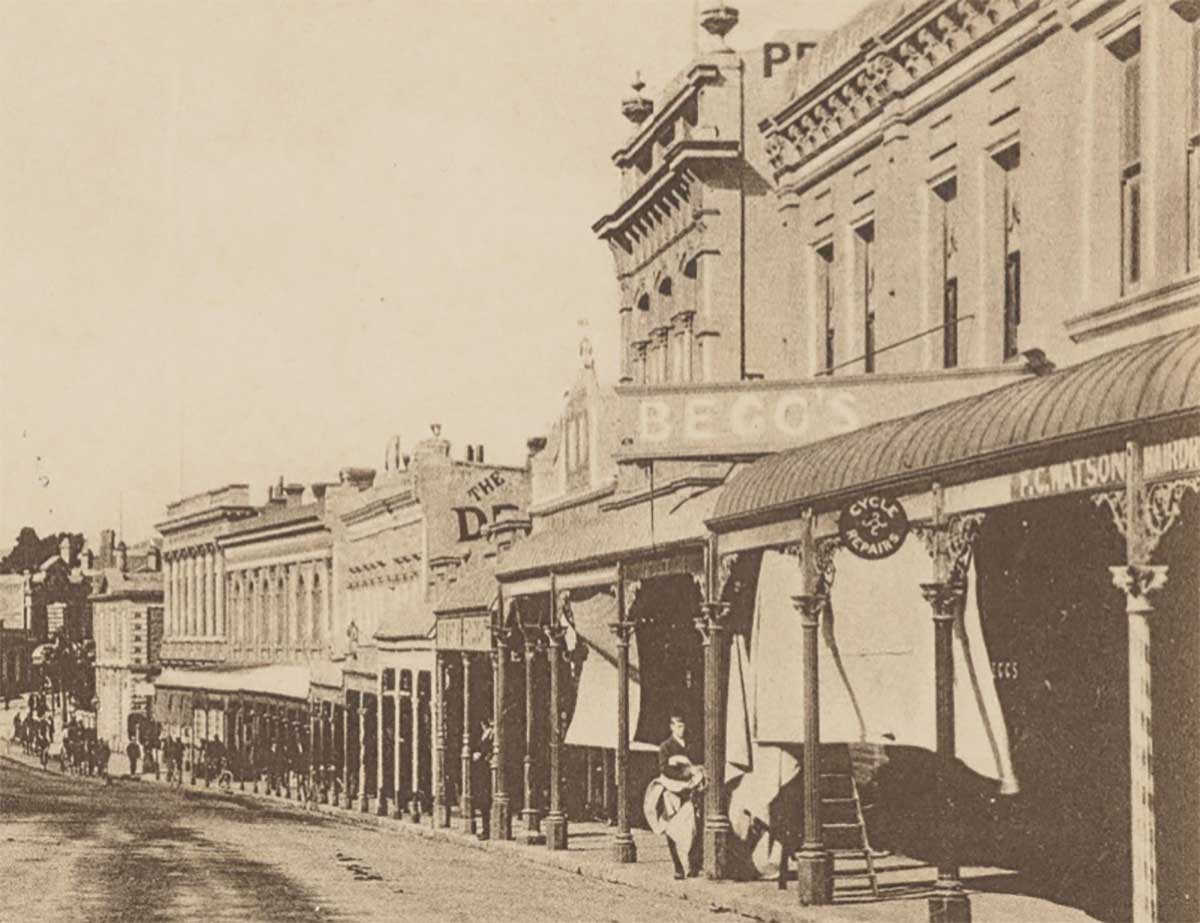
Stafford Street, Timaru, 1904, Timaru, by Muir & Moodie. Purchased 1998 with New Zealand Lottery Grants Board funds. Te Papa (PS.001030) Detail

(Ross’ Royal Arcade)
Sophia St Through to Stafford St
1888
Thought to be NZ’s oldest surviving example of an intact late Victorian/Edwardian commercial arcade. Ornate glass and steel shopping arcades were a feature of many 19th-century cities, but they were less common in towns. Timaru’s Royal Arcade is a fine example, and a sign of the town’s ‘big city’ aspirations. Cast iron columns above allow for maximum glazing of shop fronts.
It was developed by mayor (1888-1891) David Mitchell Ross (commission agent and notary public) between 1887-1907. six months after he finished his term as mayor he and his partner Sims were adjusted bankrupt. Apparently his books had not been balanced for 12 years. He was later trialed for fraud in 1892 and sentenced to nine months hard labor and did not return to Timaru. "Judge Ward said for the last twelve years Ross had been a perfect pest to the district, and he wondered how anyone trusted him coming from Dunedin with such a record as he did" - Poverty Bay Herald, 3 September 1892, Page 2. He is burred in Timaru with his wife Jane 1889 and a month later his mother Mary died.
The stone work was entrusted to Mr McBride ; the bricklaying to Mr Emil Hall ; the plastering to Messrs Oldrey and Guthrie ; the joiner's work to Messrs Tooth and Pearson ; the painting to Mr Murdoch ; the plumbing to Mr Forbes, and the signwriting to Mr Dickenson, all of whom carried out, their duties in a manner that has given the greatest satisfaction.
The arcade was redesigned in 1886. In 1996 a roof was added and the redesigned Royal Arcade was opened on the 31st May 1996 by Mayor Wynne Raymond.
At 17-19 in the Royal Arcade you will find The Arcade Chambers were built in 1907 designed by Architect Wet & Hall and built by Petrie & Mac Dougall in natural brick and plaster mouldings. features arched pediment, pilasters, window detailing and cartouche. This was erected for Charles Bowker in the English renaissance order, and known as the "Bowker Building'. Charles started his career in Timaru as a manager at Clarkson and Turnbull's drapery, the site of today's Oxford Building. He later worked as a land broker and financial agent building a block of shops in the south of Stafford Street. He donated the band rotunda at Alexander Square, and one of his eight children George, donated 16 acres of land in 1934 to make an entry from Otipua Rd to Centennial Park. The gift and the centenary are acknowledged at the Bowker Gateway, built in 1940 to acknowledge the gift of land linking Centennial Park to Otipua Road opposite Church Street. A condition of this gift was that no buildings could be built in this area to obscure the views.
Dunedin based architect James Hislop designed the anchor building at the Stafford Street end of the Royal Arcade. Located on the southeast corner, the building was erected for the builders' merchants Priest & Holdgate. Priest and Holgate had an ironmonger's store on the southern corner of the arcade. They used a rail with a small truck operated by Priest & Holdgate from their Sophia Street boundary right though the shop to Stafford St to move heavy hardware stock. An item of much intrigue is the underground railway line linking this building with the original railway station for the transport of goods. During the construction of the Priest and Holdgate new building and the extension to the Timaru Herald building in 1906 various problems were encountered. As the Arcade was built over a filled in gully, the foundations for each building had to be sunk 20 feet, and the workmen struck the roots of the peach trees from the original orchard on the site. They also struck the concrete foundations of an old blacksmith’s shop. Learn more here The business later passed into the hands of Briscoes in the 1950’s. Learn more here
The Arcade Cafe was on the top floor of the 1906 Priest and Holdgate extension, and designed by the architect J. S. Turnbull. See if you can find the art nouveau stained glass window following the stair case up to the café (it is outside the arcade).
Willmotts Workwear was founded by by the late Walter (Wattie) Willmott and it continues to thrive in the Royal Arcade since 1930. In 2010 the firm celebrated their 80th anniversary.
William Ferrier (1855-1922) moved from Oamaru to Timaru in 1881 and had his photography and painting studio in the Fife Building opposite the Theatre Royal in 1881 and then later shifted to the Royal Arcade. He helped establish Timaru’s Arts Society, which gave the foundation artworks of the Aigantighe Art Galleries collection. His photographs and paintings are a valuable recourse providing a pictorial history of the time he was living in Timaru. His grandson was the modernist painter Colin McCahon. He died at his home 76 Grey Road in 1922. He had eight children with his wife Eva Beatrice Cunningham who died at Pukiti Bay Waiheke Island. His grave is an almost unmarked plot bearing on W.F - Timaru Cemetery, Stories Behind the Grave
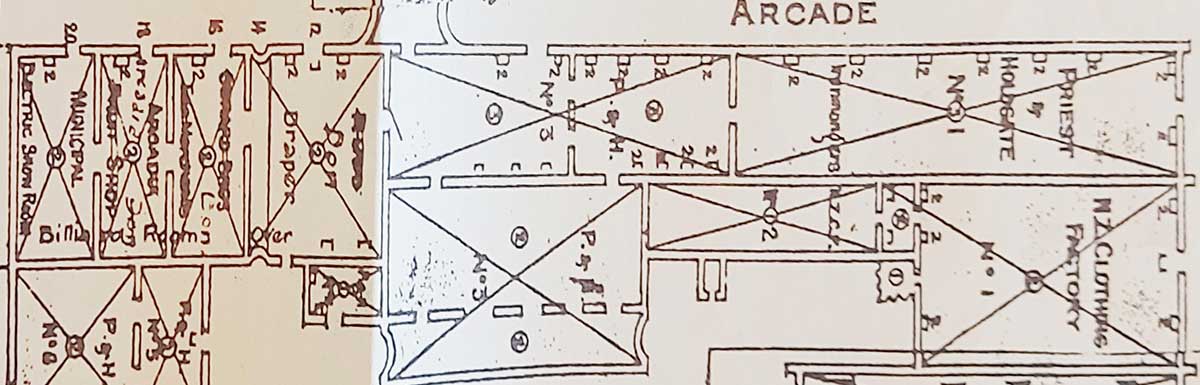
Did you know? When a smell was investigated they found rotting stumps of an old orchard below arcade. In the old map below you can see a stream running through Sophia Street across Stafford Street to the sea.
The arcade has examples of notable architects.
-
James Hislop: A Dunedin-based architect, Hislop designed the anchor building at the Stafford Street end of the Royal Arcade. This structure, erected for the builders' merchants Priest & Holdgate, features ornate detailing on its Stafford Street frontage and distinctive brickwork along the arcade's flank.
-
J.S. Turnbull: Designed the 1906 extension for Priest & Holdgate, which included the Arcade Café on the top floor. Notably, this extension features an art nouveau stained glass window along the staircase leading up to the café.
-
Watt & Hall: This architectural firm designed the Arcade Chambers, also known as the "Bowker Building," constructed in 1907 at 17-19 Royal Arcade. Commissioned by Charles Bowker, the building showcases English Renaissance architectural elements, including arched pediments and detailed window designs.
-
David Mitchell Ross: While primarily known as a businessman and politician, Ross self-designed the Ross, Sims & Co. Building in 1888, located at the center of the arcade's north side. This building served as the offices and commercial premises for his firm.


Detail from 1925 Timaru inner-city block plan showing Royal Arcade. Timaru District Council.


DP 1110, dated June and July 1893, showing state of arcade development at the time of DM Ross’s bankruptcy proceedings. LINZ.


This hardware shop was entered from the corner of Stafford Street and the Royal Arcade. On January 1st, 1867, Mr Edward Reece sent Mr Priest to Timaru from Christchurch. Edward had a hardware business in Christchurch and it was his intention to open a branch of his hardware store in Timaru and Mr Priest was to be the manager of this new branch. At the same time, Mr Holdgate was working for Clarkson and Turnbull, owners of another large general store in Timaru. However, it was a further six years before Messrs Priest and Holdgate got together. In September 1873, they started off in a partnership with their own hardware business known as Priest and Holdgate. Their business boomed in the ensuing years, it is said that Priest and Holdgate had become recognised as one of the most important hardware firms outside of the principle cities of New Zealand. Referred to as ironmongers, as all hardware businesses were in those early days, the firm catered for a large section of the community including, farmers, blacksmiths, carpenters, engineers, as well as the general public. But their speciality was Agricultural equipment. Some of their branches, included the world renowned McCormick Reaper and Binder. As well as other McCormick products, they also sold products by Andrews and Beaven and P and D. Duncan, along with a host of others. One of their agencies was the world famous Stirling bicycle, but their favourite agency was for the Planet Jr. garden tools, they say that these were recommended for all seasons and were a blessing to all who had gardens. In other words, they did everything in the garden but plant the seed. Learn more http://plowandpicklepress.blogspot.com/2012/07/whos-that-clumsy-oaf.html
The first Timaru Holdgate to serve overseas in WW1 was Earnest Arthur George Holdgate. He was born in Timaru in 1875, the fourth son to Edward and Betty Holdgate. Edward and Betty had emigrated from Glossop, England, to settle in Timaru in 1863 sailing on the ‘Victory’, one of the first ships to bring emigrants to South Canterbury. Edward Holdgate and William Priest started the well known hardware shop Priest and Holdgate located in the Royal Arcade on Stafford Street. Earnest Holdgate was educated at Timaru Main School. In time Earnest and several of his brothers worked in the family business and Earnest learnt the trades of locksmith, gunsmith and sheet metal worker. In 1893 Earnest joined the local Timaru Volunteer Rifle Company and was described as quite a marksmen often winning shooting competitions. This must have served him well in the ensuing conflict, and he obtained the rank of Captain shortly after enlisting with the South Canterbury Infantry Regiment in December 1914. He duly embarked with the Canterbury Infantry Battalion to Egypt on HMNZT Willochra departing NZ on 17 April 1915. Being a keen family member and participant in affairs of the Banks Street Methodist Church he was given a large church sendoff and was presented him with a fine pair of field glasses in leather case. After a short spell in Egypt he arrived on Gallipoli with the 4th Canterbury reinforcements on 8th June 1915. From Canterbury Regiment Records it appears the 4ths were then put into the trenches at the dangerous location of Quinns Post where they replaced Australian troops. On 10th July 1915 Earnest was wounded in the arm/shoulder by gun shot/shrapnel. The wound was said to be severe entailing bone damage and initially he was shipped to Malta for treatment, and then went on the hospital ship Dover Castle to England where he was admitted on 15th October to the Endsleigh Palace Hospital in London. By early March 1916 he was considered fit for light duties, and by end of March became fit for general services, embarked to Egypt on 24th March, later rejoined his old unit at Rouen in France where he was taken on strength with the Canterbury C Company 4th Rifles. He resumed his rank of Captain by 5th June 1916. According to unit records the Canterbury’s participated in the Somme battles near Flers and when located possibly in the Goose Alley trench system Earnest received a second wounding – a gunshot wound to the knee on 25th September 1916. By 11th November he is recorded as 2 being admitted to the NZ General Hospital at Brokenhurst in England for treatment, was finally placed on the NZ ill health roll by 21st November, and was returned to NZ on the hospital ship Marama arriving in Auckland on 5th March 1917. Family stories were that during his time in England on various leave he managed to get in touch with old family connections in the Glossop-Manchester area. A photo shows him in a line-up of officers about to be presented to King George V. By 25th April 1917 he was struck off strength and by June was discharged, but continued his military duties with the Territorial Army at Burnham Camp where he was promoted to the rank of Major. In the post-war era he worked in the family firm Priest and Holdgate until it passed into the hands of Briscoes in the 1950’s. He remained interested in fishing, shooting, tennis, gardening and music and continued his association with the Banks Street Wesleyan Church where he continued his Sunday school teaching and organist duties as before the war. He remained unmarried, lived with his widowed sister Ethel in Timaru, and died at the grand old age of 89 years in 29th February, 1964. He is buried in the Timaru Cemetery. John Radcliff was cousin to William, he worked over the road d as a salesmen his fathers furnishing company J Radcliffe at the corner of Stafford and Beswick Streets Timaru. Harold enlisted on 11th August 1914 and sailed for Egypt on the 16th October 1914 with the Canterbury Infantry Battalion. He was killed in action sometime in the first days of the landings at Gallipoli (25th -30th April 1915) and his whereabouts is unknown. He is listed as one of those killed at the landings from the Canterbury Infantry Battalion, and his name is engraved on the Lone Pine Memorial at Lone Pine Cemetery (Gallipoli). Learn more https://museum.timaru.govt.nz/__data/assets/pdf_file/0017/46421/HOLDGATES-IN-WORLD-WAR-I-courtesy-of-G-Holdgate.pdf

New Zealanders celebrated British victories in the South African War with gusto. Here the citizens of Timaru assemble with instruments and weapons to mark Pretoria Day on 7 June 1900. Pretoria Day celebrated the capture of Pretoria by British forces. - South Canterbury Museum

A float prepared for the "Pretoria Parade" pictured in south Stafford Street, Timaru, in 1900. Depicts a horses-drawn wagon and people in costume for the 'Pretoria Parade', celebrating the capture of Pretoria by British forces during the South African (Boer) War. - South Canterbury Museum 1495

To-day Mr J. R. Stewart, photographer, opens the Lorne Studios, in premises formerly known as the Mahan Studio, in the Arcade, Timaru. Mr Stewart comes from Wellington with twenty-seven years' experience in general photography, and portrait work in particular. The working apparatus is very complete, and enables Mr Stewart to execute very fine art portraiture and also complete panoramic work. The Lorne Studios are prepared to execute wedding groups, either at your residence or in the studio
Royal Arcade, Timaru – Development & Legacy Timeline
Pre-1877: Early Business Ventures
-
David Mitchell Ross operates as a land broker, valuator, trustee, and commission agent in Coromandel and Dunedin before settling in Timaru around 1874.
-
Establishes business partnerships:
-
Initially with Edward Tate
-
From September 1877, with William Sims
-
1877: Land Acquisition & Arcade Vision
-
Ross acquires land to develop what becomes the Royal Arcade.
-
Function of Arcade: Designed to connect Timaru’s main commercial area (Stafford Street) with its government precinct (Sophia Street).
1885-1886: Early Construction
Former Timaru Herald Offices & Printery (1885-86)
-
Location: Sophia Street frontage of the arcade.
-
Function: Offices and printing facility for the Timaru Herald, a major newspaper established in 1864.
-
Architect: Not specified.
-
Builder: Not specified.
1886 (May): Infrastructure Improvements
-
Ross shingles the footpath through the arcade, improving pedestrian access and signaling the start of further development.
1887: Expansion of Commercial Premises
United Friendly Societies’ Dispensary (1887)
-
Location: Opposite corner of the arcade from the Timaru Herald building.
-
Function: Pharmacy and dispensary serving members of local friendly societies.
-
Architect: Not specified.
-
Builder: Not specified.
Vulcan Warehouse – Priest & Holdgate (1887)
-
Location: South side of Stafford Street entrance to the arcade.
-
Function: Warehouse for commercial goods.
-
Architect: Not specified.
-
Builder: Messrs Priest & Holdgate.
1888: Key Commercial Developments
Ross, Sims & Co. Building (1888)
-
Location: Centre of the arcade (north side).
-
Function: Offices and commercial premises for Ross, Sims & Co.
-
Architect: David Mitchell Ross (self-designed).
-
Builder: Not specified.
Additional Shops & Offices (1888)
-
Location: Directly opposite the Ross, Sims & Co. building, at the rear of Vulcan Warehouse.
-
Function: Retail and office space.
-
Notable Tenants: Later taken over by Priest & Holdgate.
1888-1891: Political Career & Mayoralty
-
Ross serves as Mayor of Timaru (1888–1891), gaining influence in local government while continuing his business ventures.
1891-1893: Fraud & Exile to Wellington
-
Ross is found guilty of fraud, involving financial dealings related to his business interests.
-
As a result of the conviction, he is forced to leave Timaru and relocates to Wellington, marking the downfall of his once-thriving career.
Architectural & Structural Details
-
The Royal Arcade is a pedestrian laneway, running from Stafford Street (north-east) to Sophia Street (south-west), forming a connection between Timaru’s principal shopping area and its government precinct.
-
Buildings Lining the Arcade:
-
Two-storeys in height, many with cellars or basement levels.
-
Commercial Classical-style facades at Stafford Street & Sophia Street ends.
-
Mid-point bridge at first-floor level, marking the boundary between the original town sections.
-
Service lanes intersect the arcade near its mid-point.
-
Modern glazed roof added later, supported by decorative posts.
-
Legacy of the Royal Arcade & David Mitchell Ross
-
The Royal Arcade became a key commercial and pedestrian precinct in Timaru.
-
David Mitchell Ross’ Contributions:
-
Prominent businessman, land developer, and politician in Timaru.
-
Major investor in commercial property and infrastructure in the late 19th century.
-
Convicted of fraud in 1893, which led to his relocation to Wellington and a dramatic fall from grace.
-
-
The Ross, Sims & Co. building and former Timaru Herald offices remain significant historical structures within the arcade today.

Arcade Chambers (first floor elevation), 1907. Messrs West & Hall, architects; Messrs Petrie & MacDougall, contractors. Dr A McEwan. - Illustration, copyright Roselyn Fauth

Former United Friendly Societies’ (UFS) Dispensary. Maurice Duval, architect. Dr A McEwan. - Illustration, copyright Roselyn Fauth

Former Timaru Herald building, 1885-86. Meason & Marchant, architects; Jones & Palliser, contractors. Extended along the Arcade (1906, James Turnbull, architect); extended north along Sophia Street (1928); new press room and paper store built at rear (1954). Dr A McEwan. - Illustration, copyright Roselyn Fauth