By Roselyn Fauth
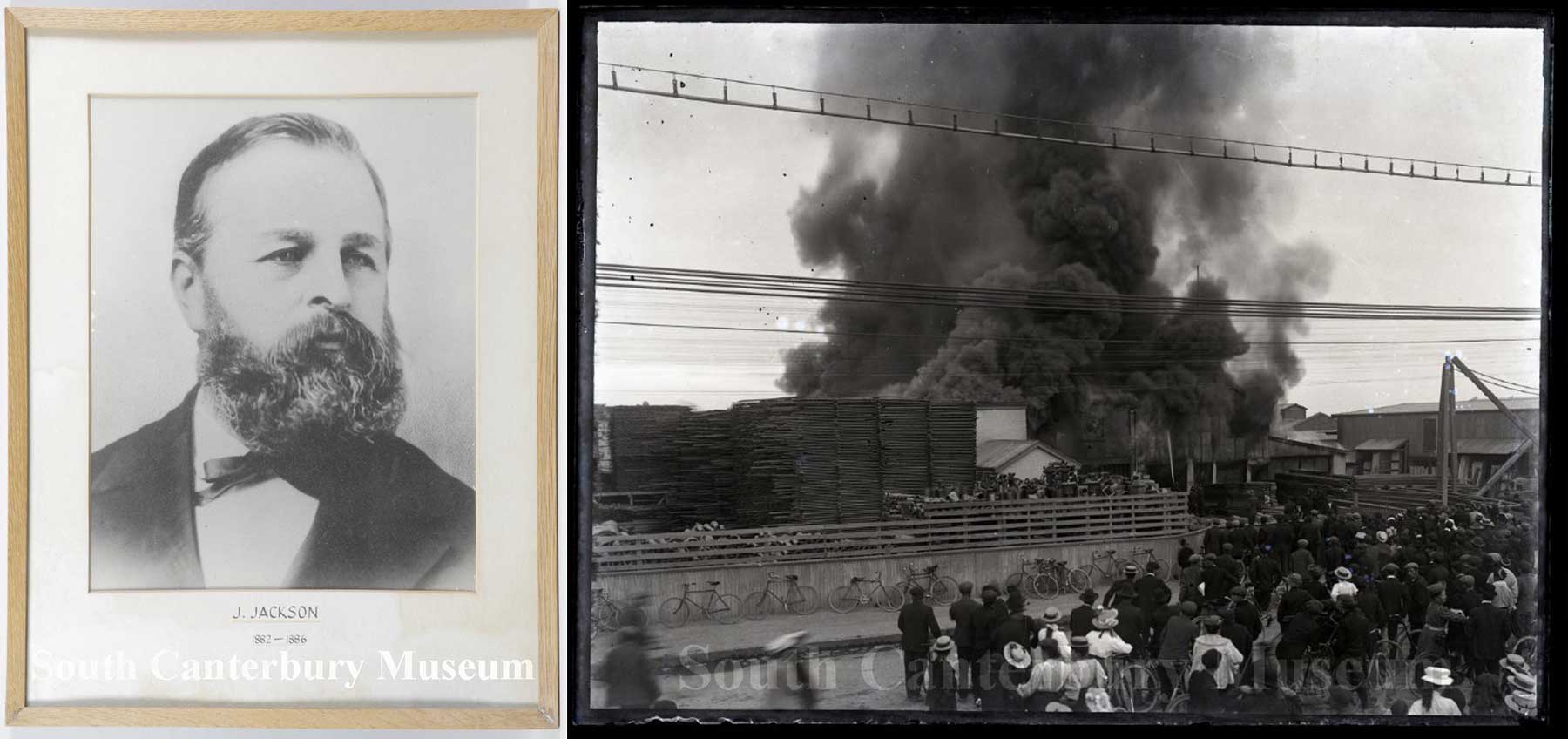
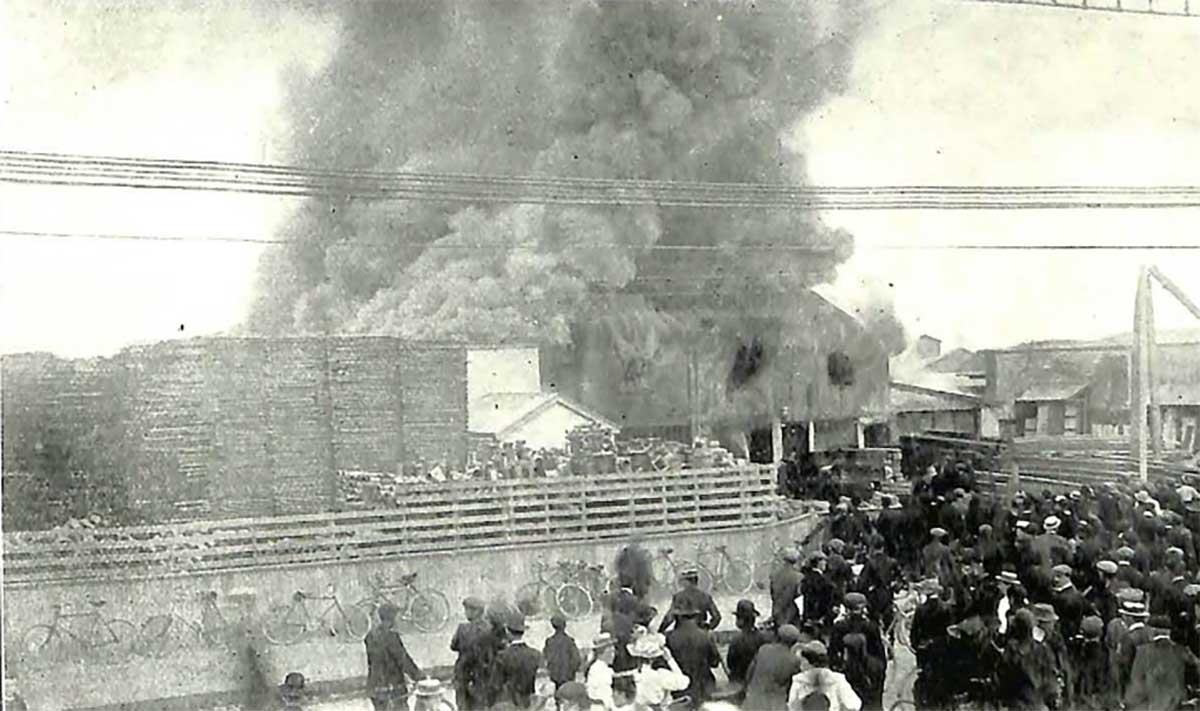
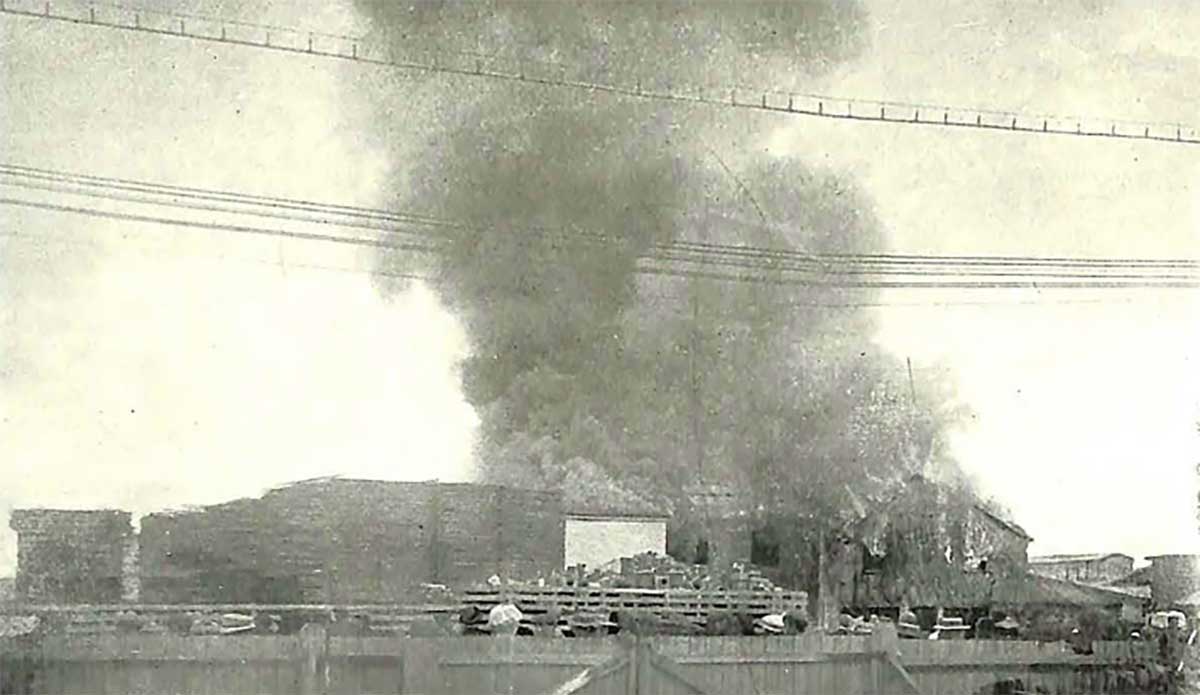
A history hunt inspired by pressed metal ceilings led me to John Jackson. LEFT: Portrait of J Jackson Timaru Borough Council mayor from 1882 to 1886 South Canterbury Museum 2016011025. Fire at John Jackson and Co Ltds timber yard 19 Nov 1908 South Canterbury Museum 2531.
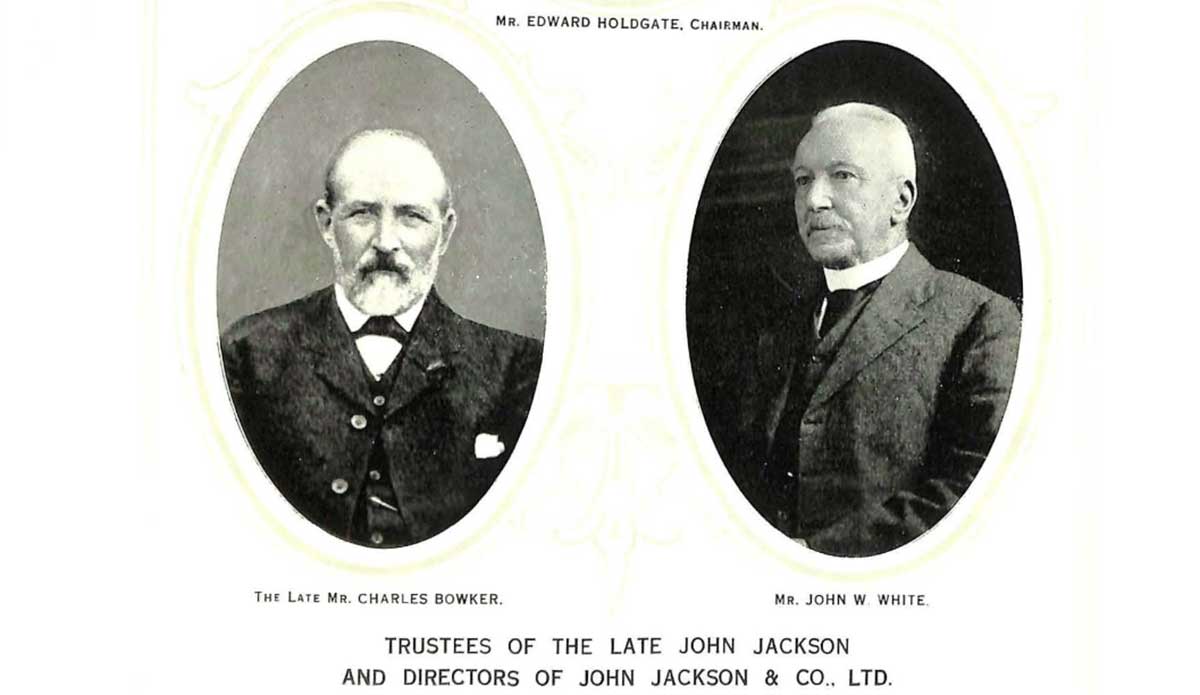
I have been on a history hunt inspired by some pressed metal ceilings... hunting for history led me to a booklet on the Aoraki Recollect website, called 1916 John Jackson & Co. Ltd. Jubilee Souvenir. This has been quite the learning curve as Jackson wiggles his way round a lot of stories that I have been reading. I used to live on Jackson St, which was named after John in 1908. The little west portion of this road, used to be known as Henery Street. John Jackson (1837-1909) landing in Timaru in 1863. He found a job with Captain Henry Cain and Munro who were coal merchants. He bought the business, as well as James Dow's saw mill and the Bremford flour mill. His business was one of the largest in town. John was also a member of the High School Board, Hospital Board, and Harbour Board. He was a member of the Borough Council for 21 years and was mayor from 1882-1886. Join me on a history hunt in today's blog...

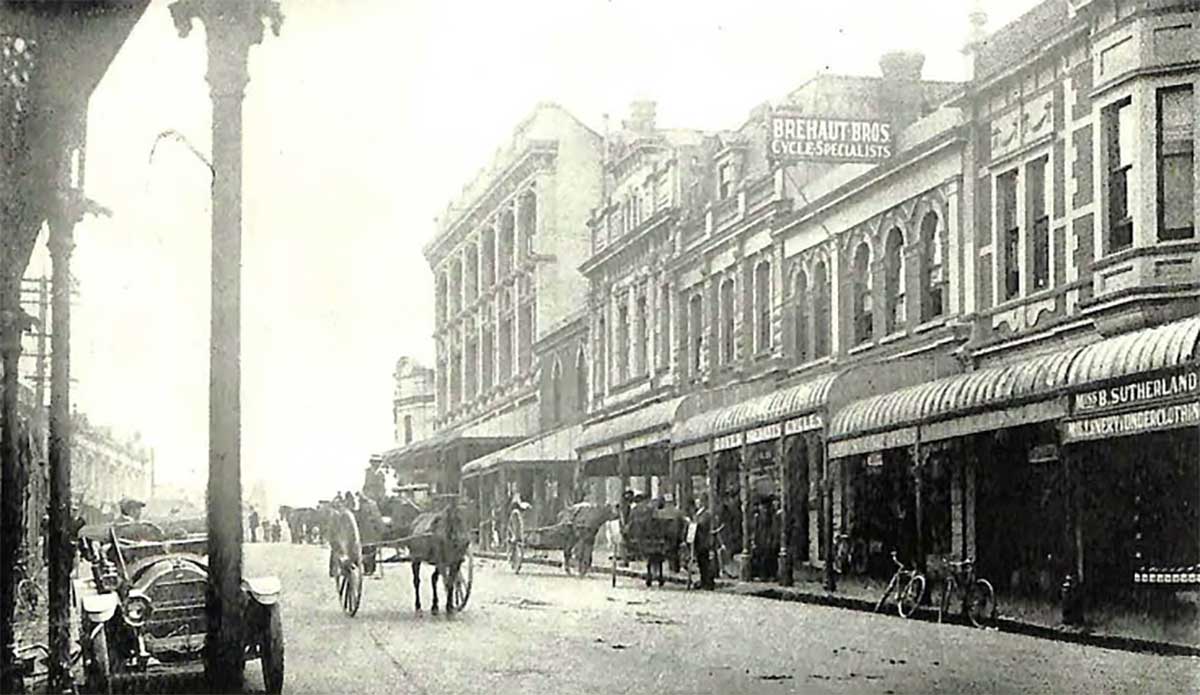
Unknown, Timaru (c.1880s). Hocken Digital Collections, https://hocken.recollect.co.nz/nodes/view/58449
Jackson was once a boy in a cotton mill in Derbyshire, doing sums in his head.
The company’s jubilee booklet says John Jackson had few educational advantages as a child. He was apprenticed early to Wood’s Cotton Mills in Glossop, and after work he attended night school. While on duty, he worked out arithmetic problems mentally. The walls and posts around him were said to be covered with figures. Years later, that calculating mind arrived in Timaru.
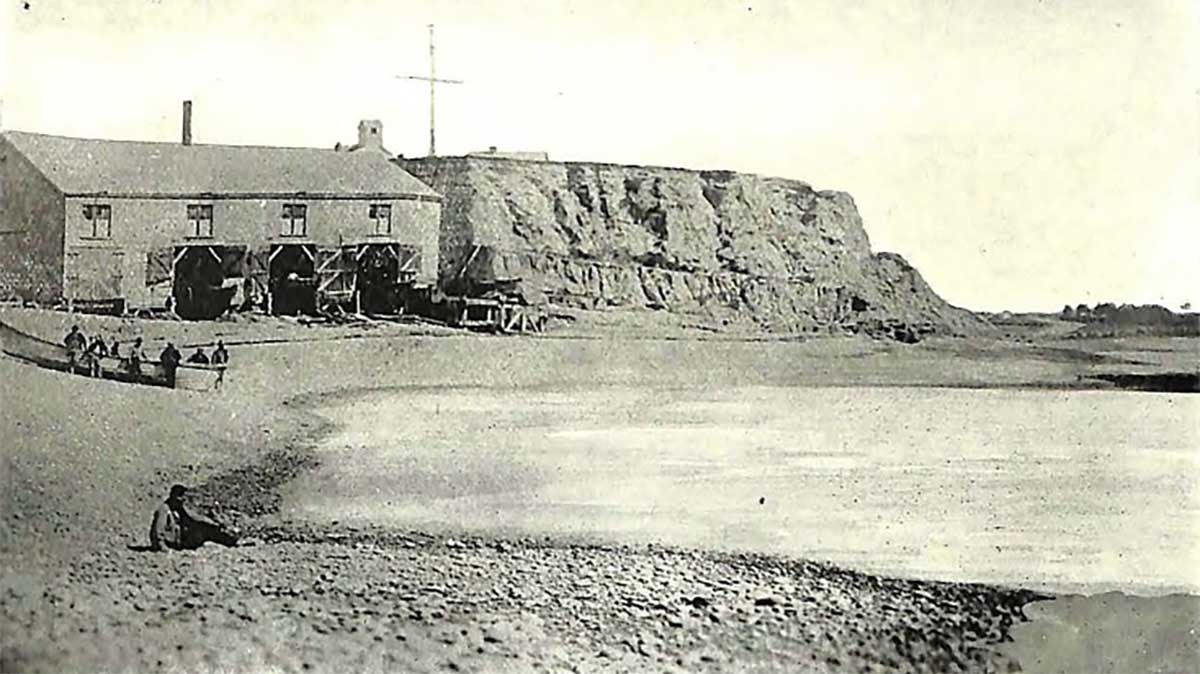
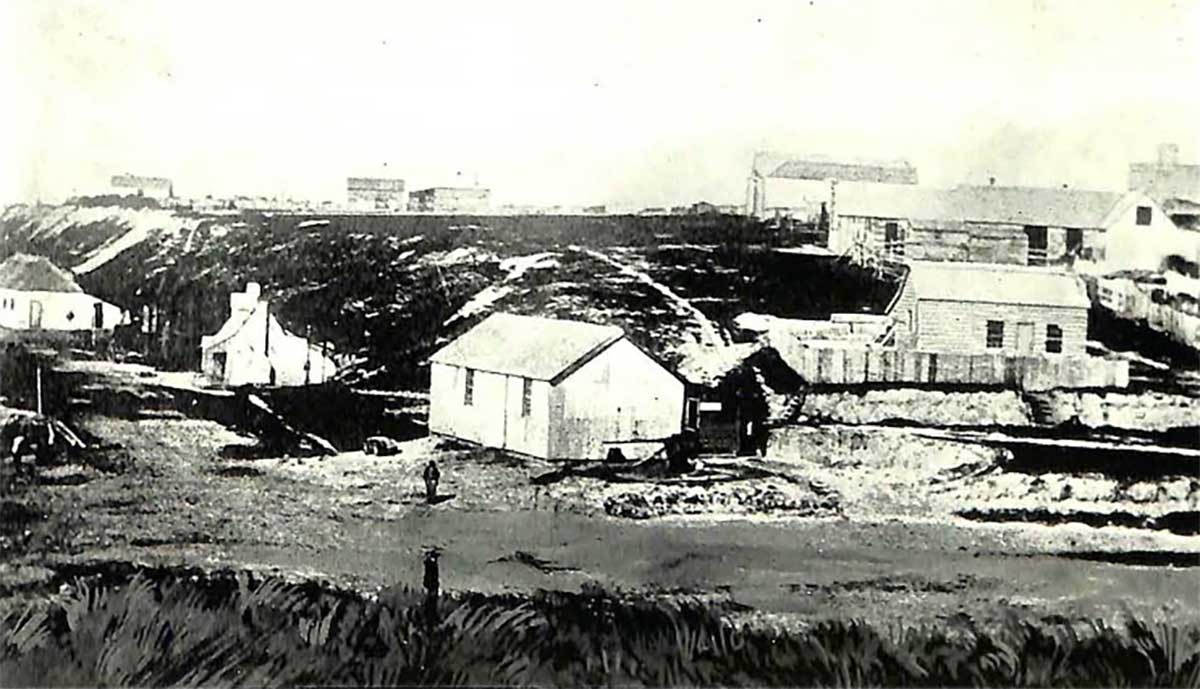
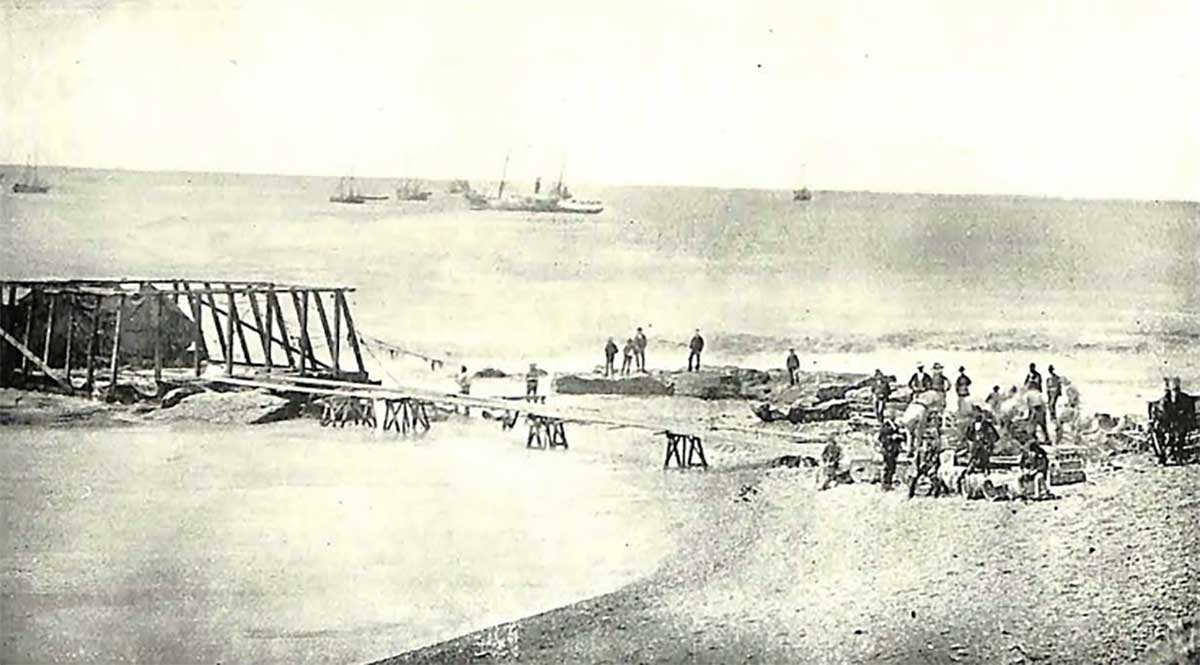
In 1863, Timaru was still a young settlement. The harbour had not yet been tamed. Ships waited offshore. Goods came through the surf. Timber, coal, stores and machinery had to be landed, shifted, stacked, carted and sold through a system that depended on weather, labour, timing and trust.
Jackson found work in that world. Then, in 1866, he took the chance that shaped his life. He bought the coal and timber branch of Munro and Le Cren’s business.
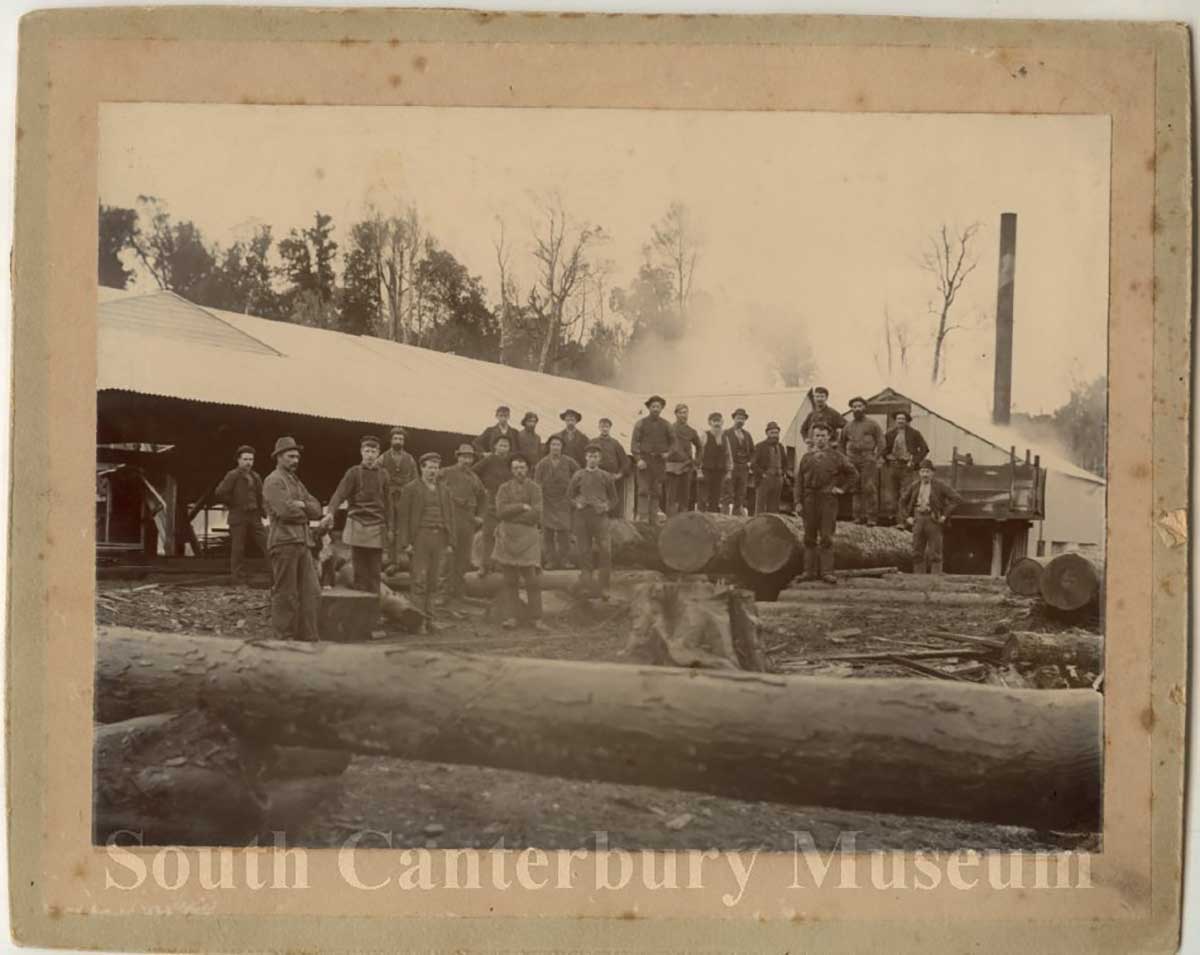
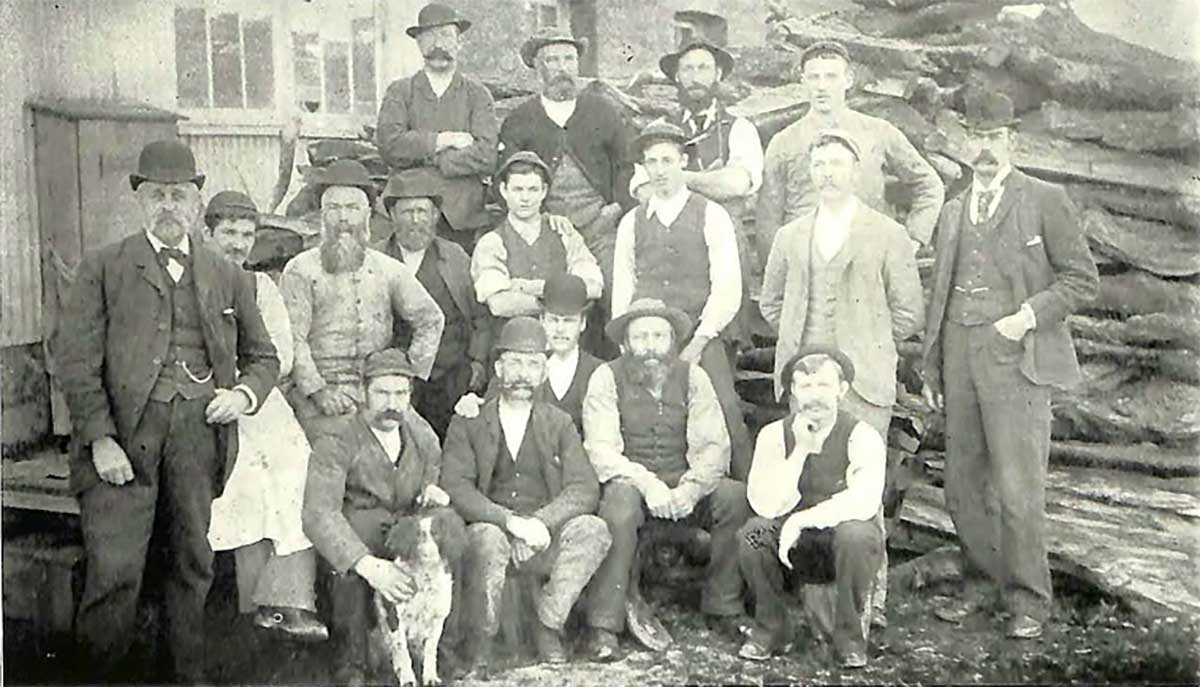
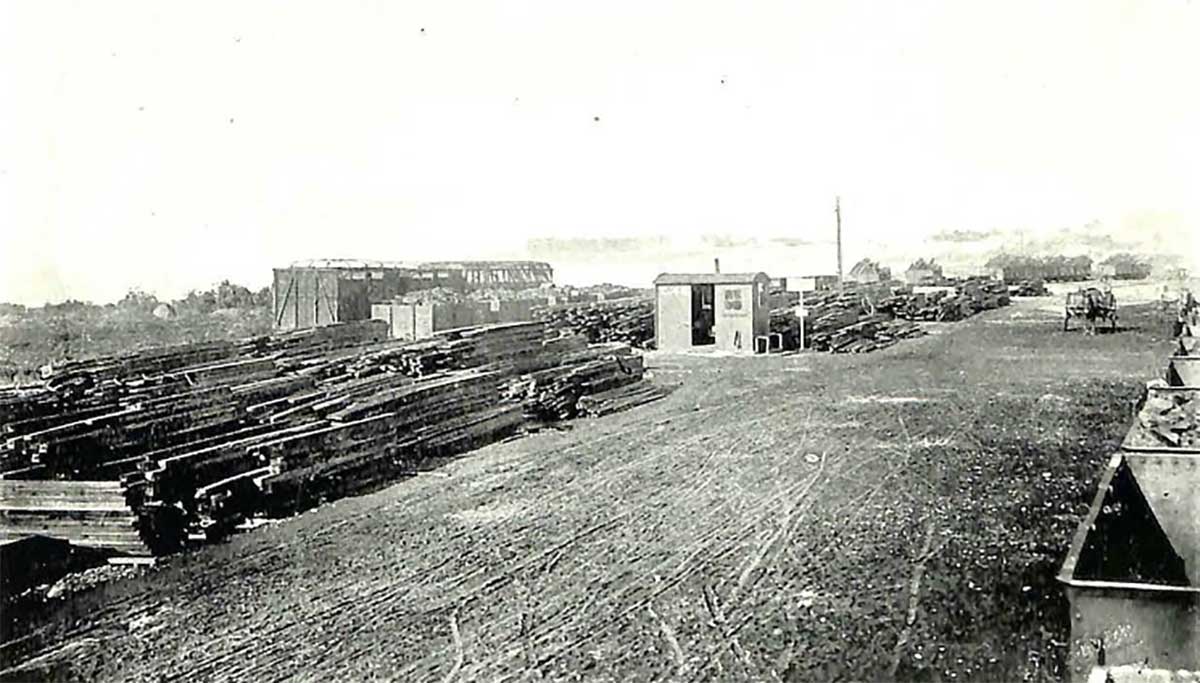
Employees of John Jacksons & Co Ltd, Timaru, posed at an unidentified bush mill circa 1900. Depicts the fairly large group, posed with several logs in front of a pair of buildings. Bears the stamps of "John Jackson & Co Ltd Timaru" https://timdc.pastperfectonline.com/photo/6759F590-CF5A-4EDB-BF94-422654843822 For many years John Jackson & Co. held agencies for the principal West Coast coal mines. His Timaru firm was trusted to sell and distribute their coal. The business was much bigger than a Stafford Street yard, it was part of a South Island supply chain — mines on the West Coast, ships, harbour, railway sidings, storage yards, customers, mills, workshops and homes. Timber helped build Timaru, but coal helped run it. And John Jackson & Co. had a hand in both.
Munro and Le Cren, Benjamin Gibson and the first business links
John Jackson did not begin in isolation, he began inside Timaru’s existing business network. Munro and Le Cren were important early merchants. Jackson had worked for them, learned the local trade, and then purchased their coal and timber branch. From Cain’s Terrace, his business moved into Church Street, then expanded into Stafford Street and George Street.
The jubilee history also records that Benjamin Gibson joined the firm, but the partnership lasted only a few years. Gibson left to begin business on his own account in a different branch of trade. Knowledge moved through the town with the people who had learned it, and this is why I think Timaru’s commercial life was a web.
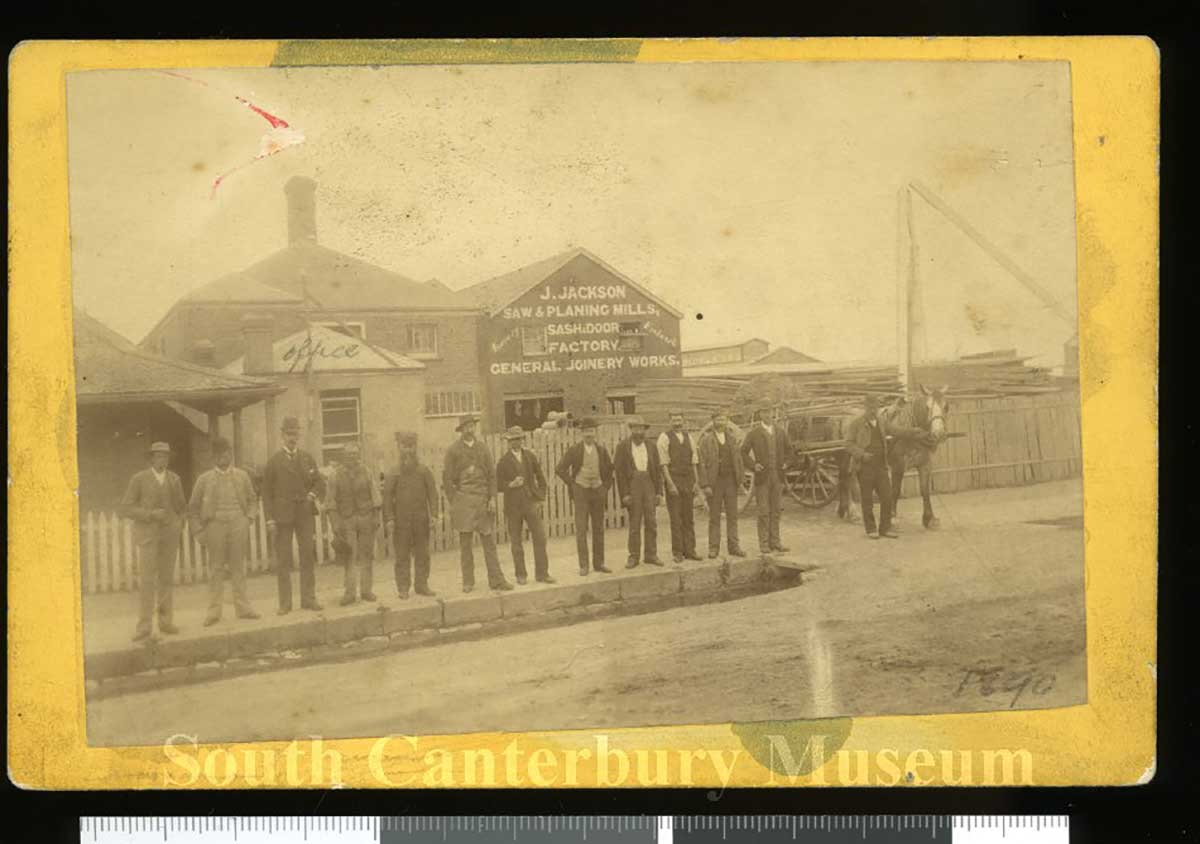
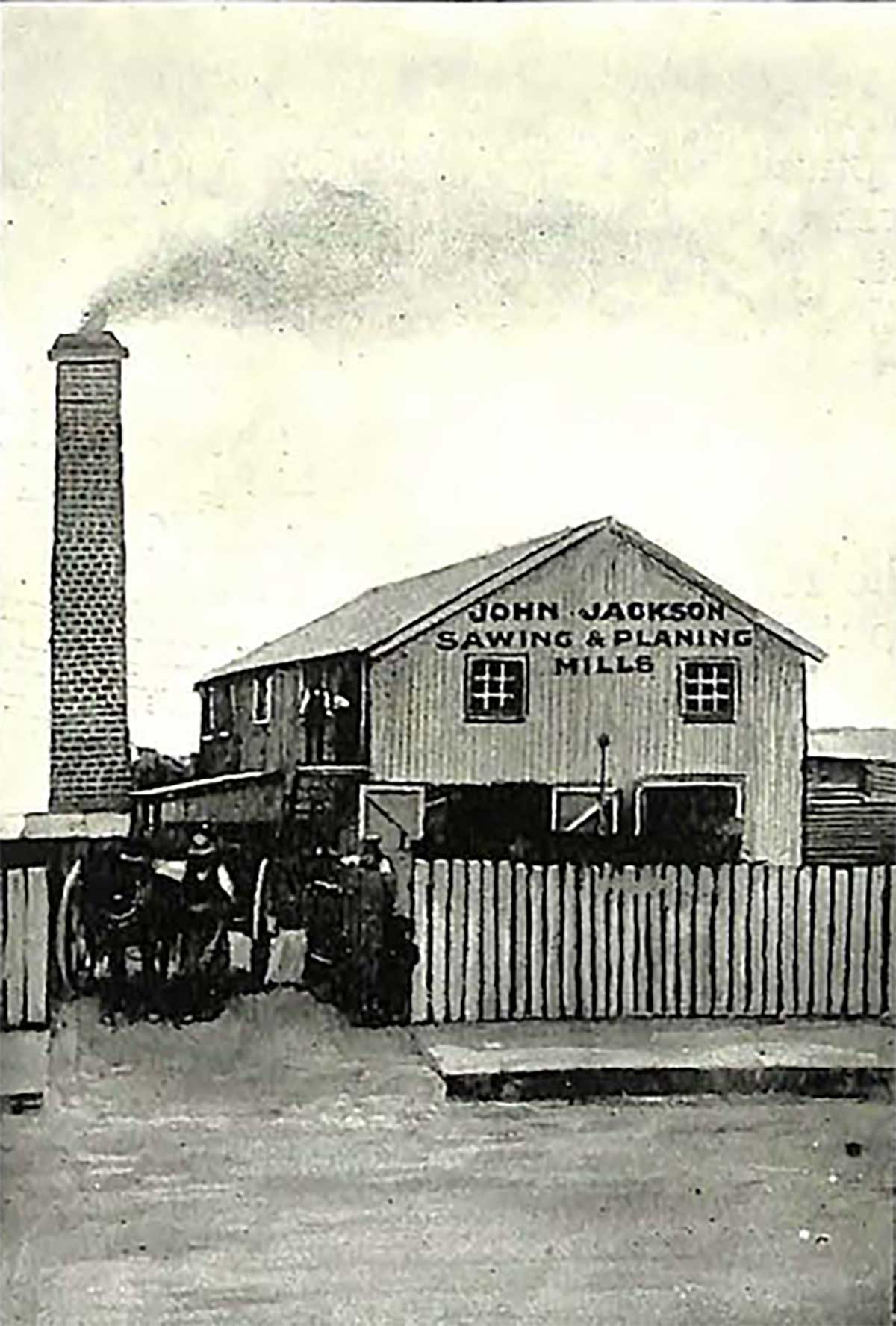
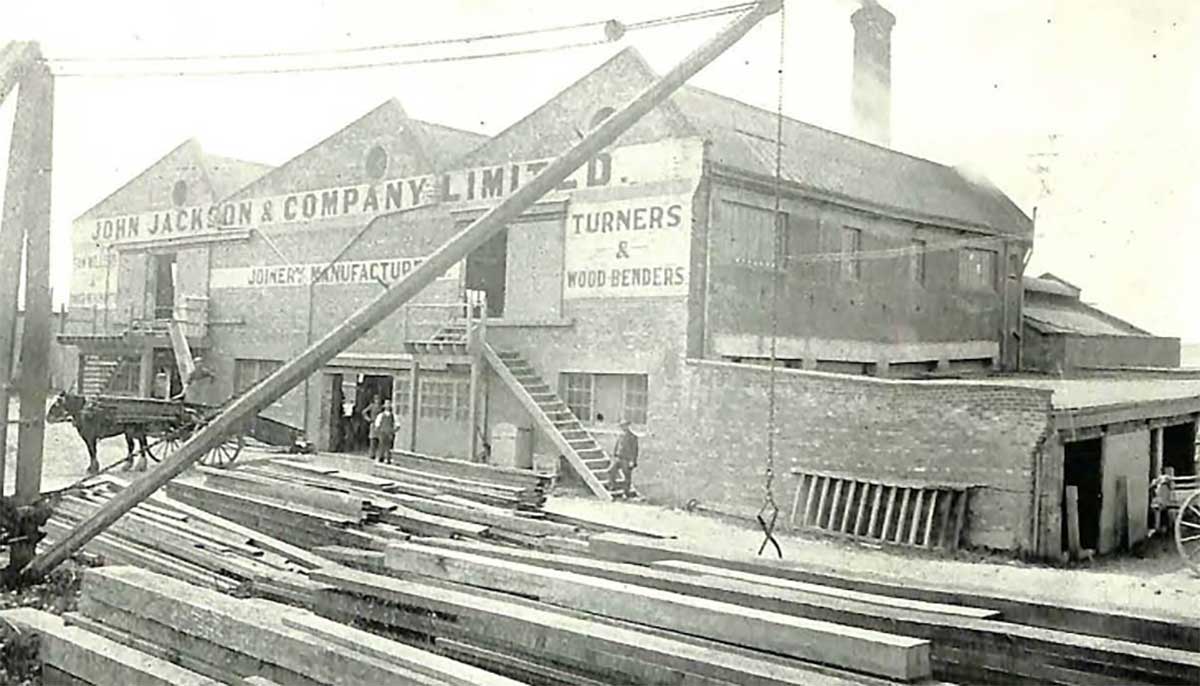
John Jackson Co employees Timaru 2532. https://timdc.pastperfectonline.com/photo/ED0D9E2A-2B2A-418D-84E2-384898221772 Thirteen employees of John Jackson & Co Ltd Sawmills, posed on the pavement outside the business in Timaru in 1890. A horse and wagon appear in the gateway of the premises loaded with timber, with the timber yard appearing in the right background. Behind the men is the office and other buildings. Those pictured have been identified on the back as: J E Holdgate, R Orwin, N G Irvine, John Hathaway, E Barton, John Toneycliffe, Harry Hollon Jnr, Andrew Blair, H Toneycliffe, Robb Harrington, John Holdgate, Jas? Rothwell, and Henry Joseph (Harry) Necklen.
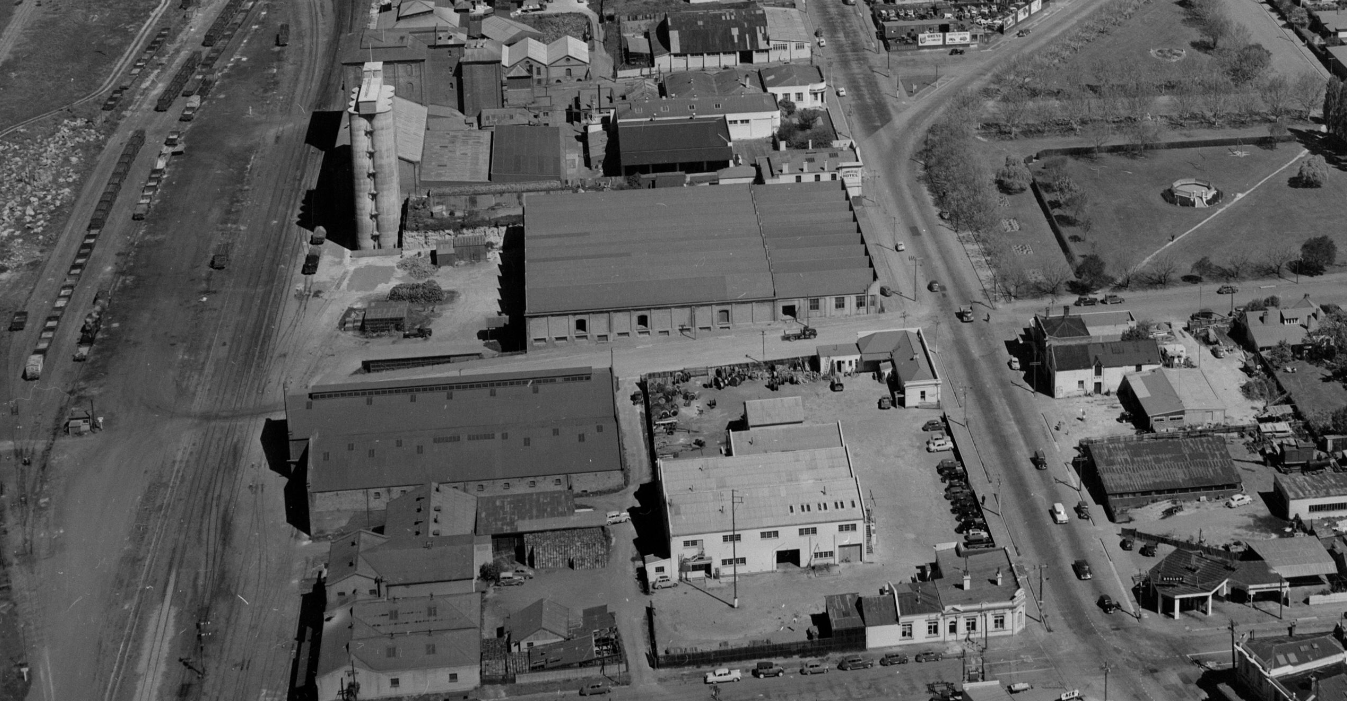
John Jackson & Co, North St - Oct 1956 crop from whites aviation survey photo https://tiaki.natlib.govt.nz/#details=ecatalogue.711006
James Bruce, James Dow and the mills that turned timber into buildings
A growing town needed timber, coal, joinery, doors, windows, stairs, counters, shelves, shopfronts, fencing, gates, sheds, carts, and building supplies. Architects could design buildings and builders could raise them, but someone had to supply the material world behind them.
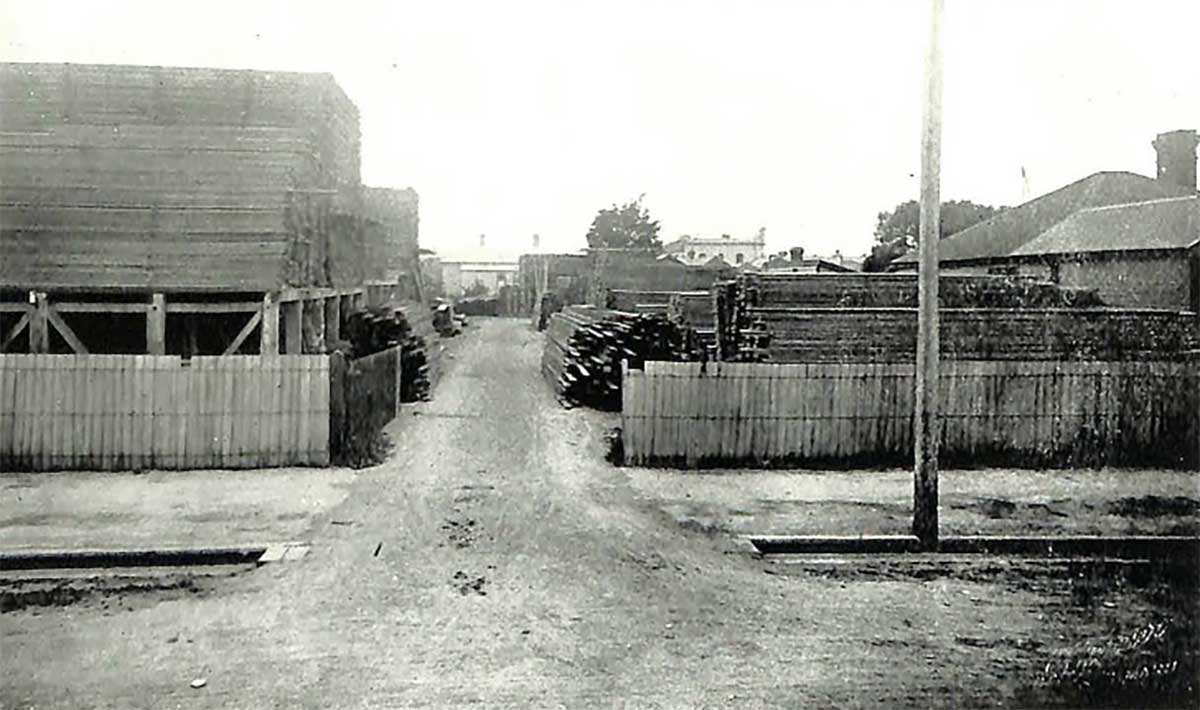
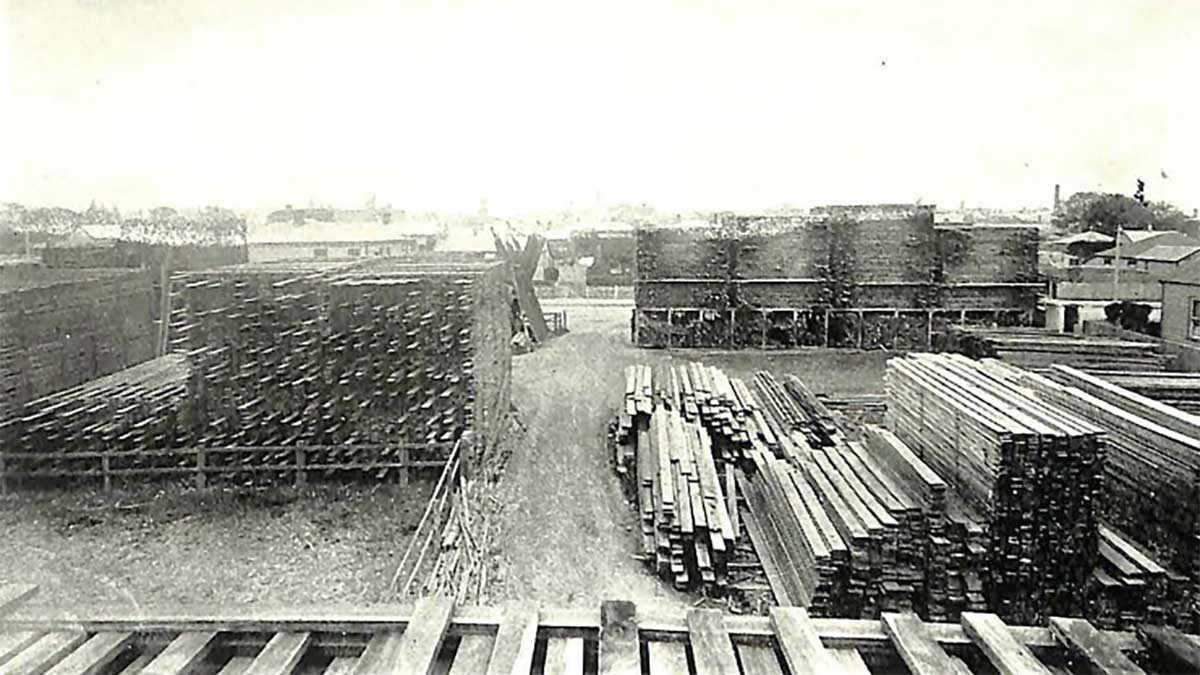
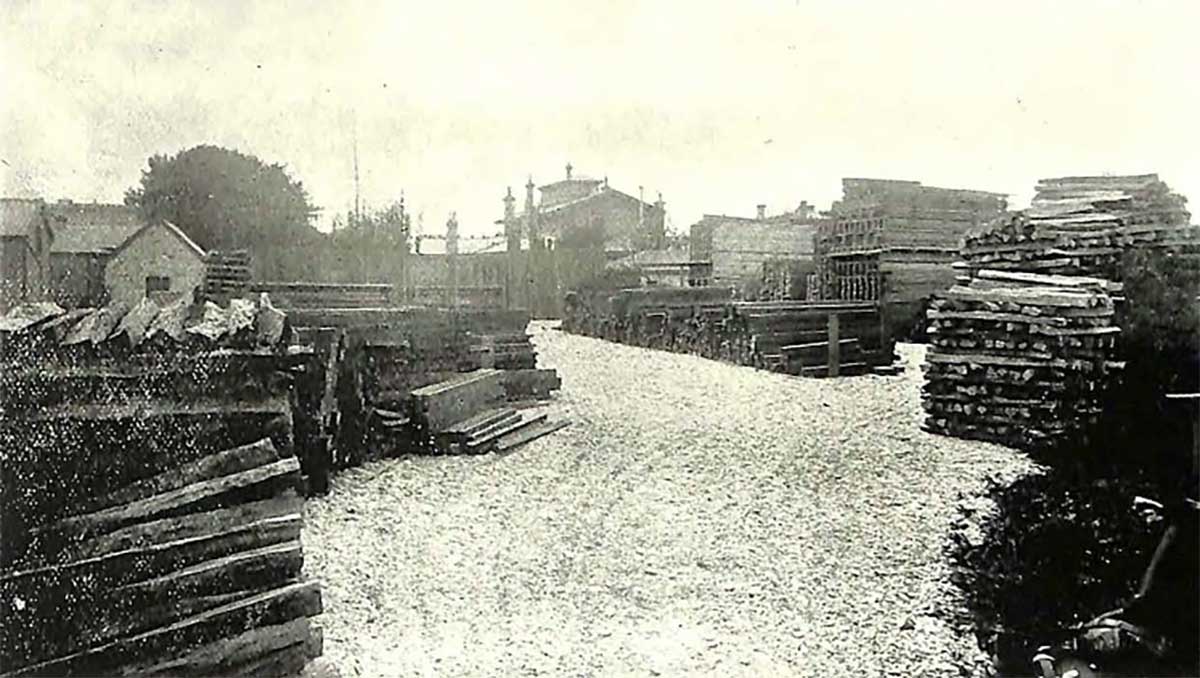
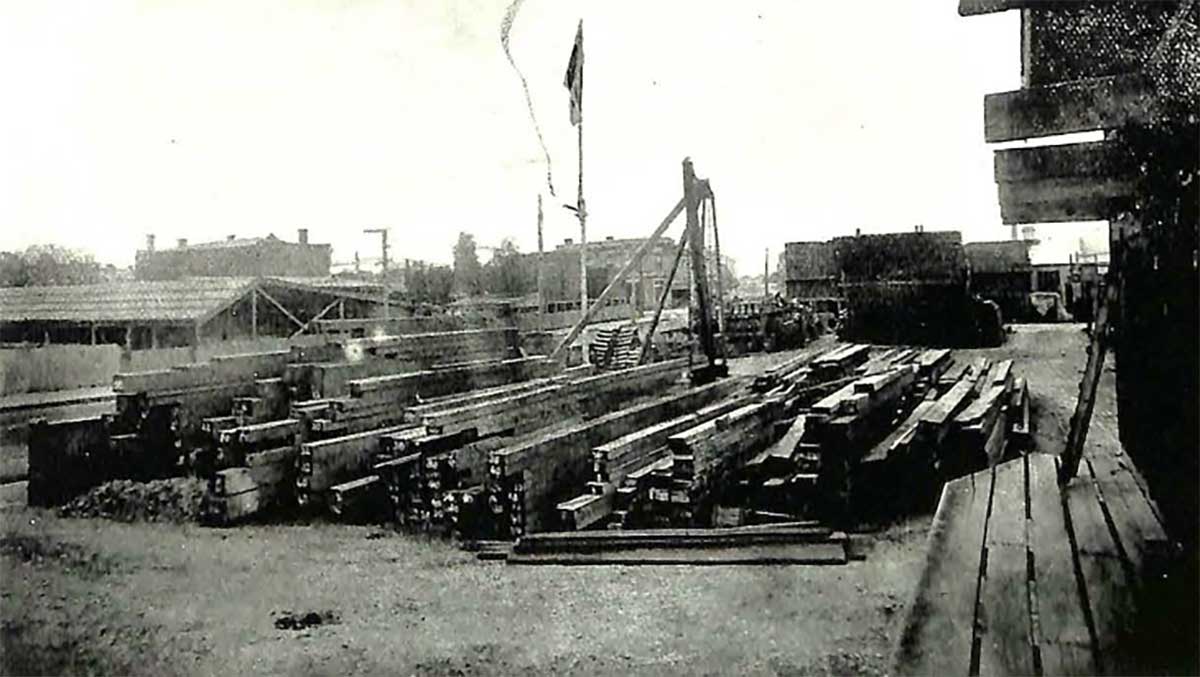
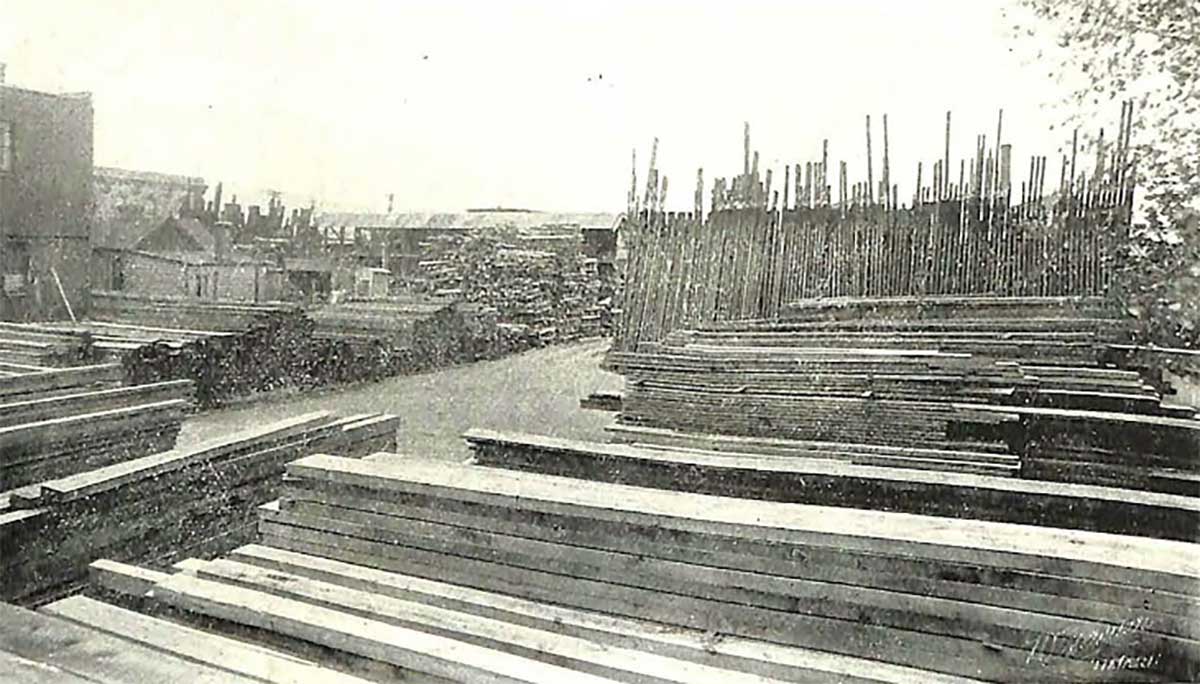
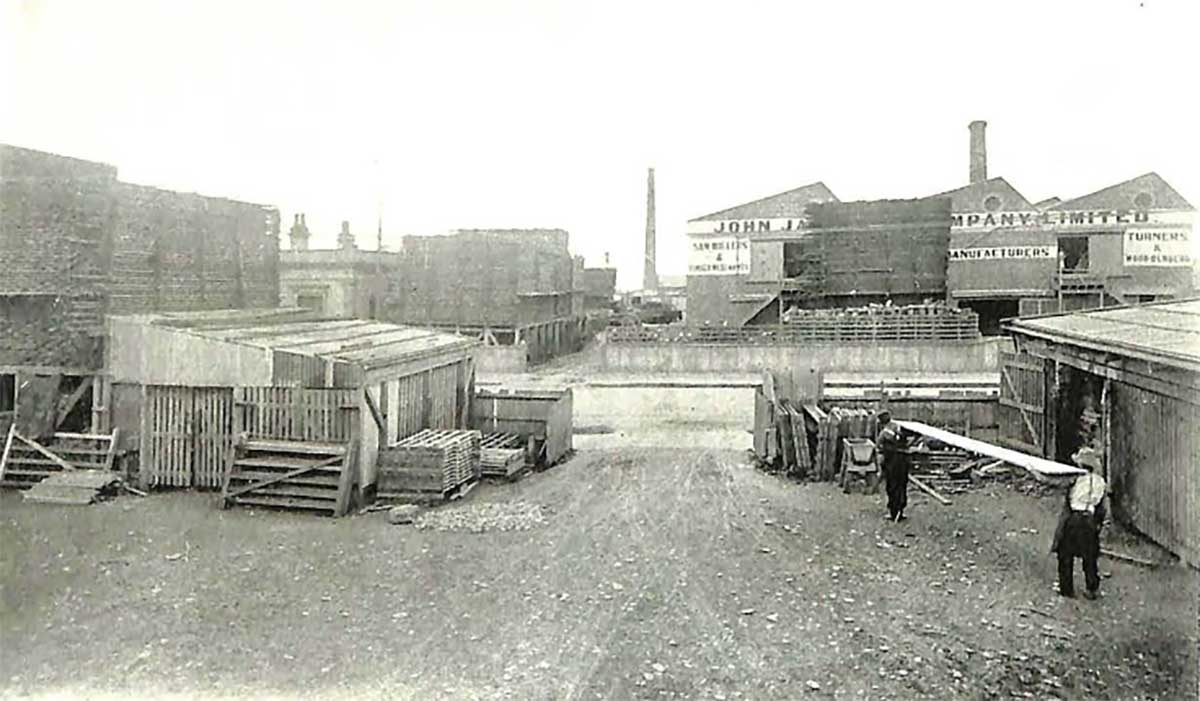
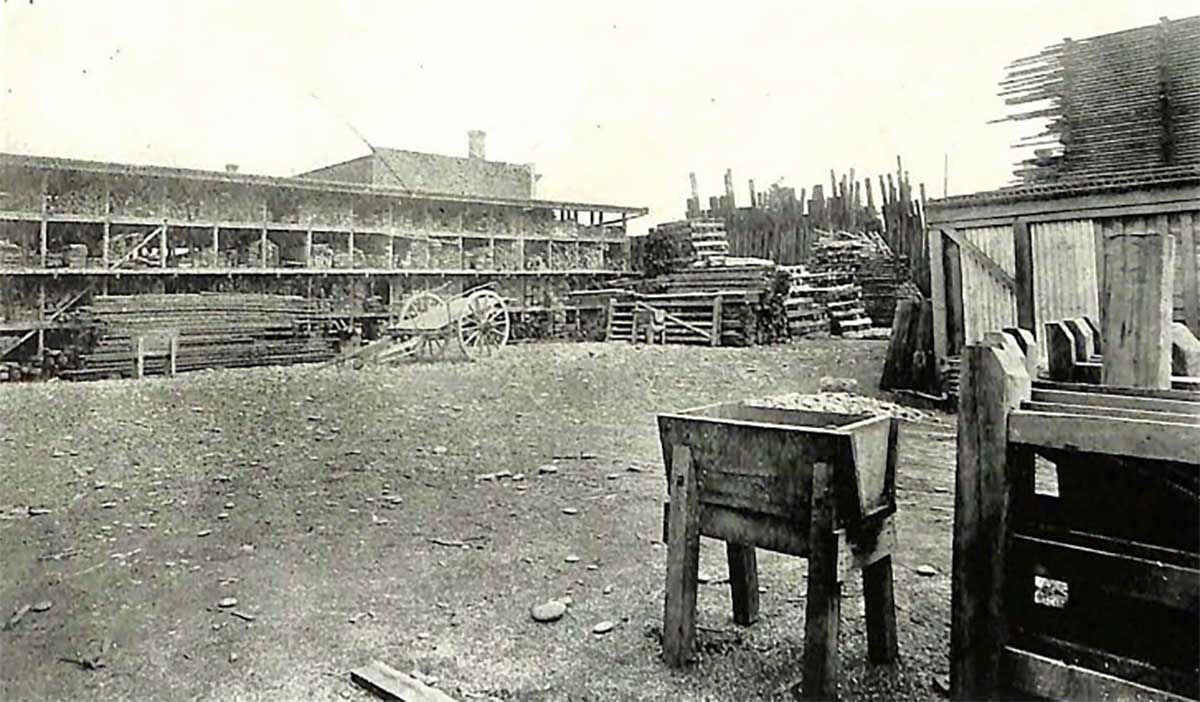
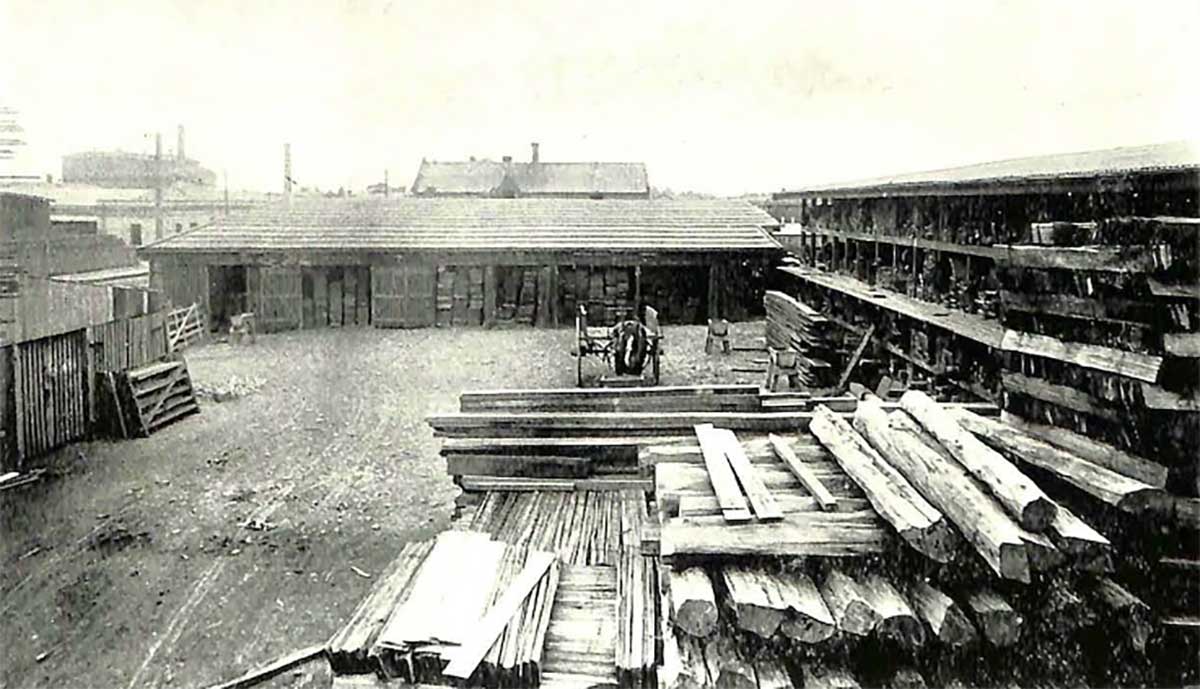
Jackson became one of those people. He leased the Waitangi Saw and Planing Mills from James Bruce. Later, when that lease ended, he purchased James Dow’s mill adjoining his own yard. That gave the firm the ability to expand its milling and joinery work. The company dealt in native and imported timbers: kauri, red pine, totara, matai, Oregon, jarrah, hardwoods, cedar, oak, mahogany and more. These were not just items in a stock list. They became floors, linings, mouldings, doors, sashes, counters, staircases, fences, shops and homes.
While not every Timaru building can be traced to Jackson’s yard, firms like John Jackson & Co. supplied the materials and systems that made building possible. I suspect they processed a fair share of felled trees for our local builds.
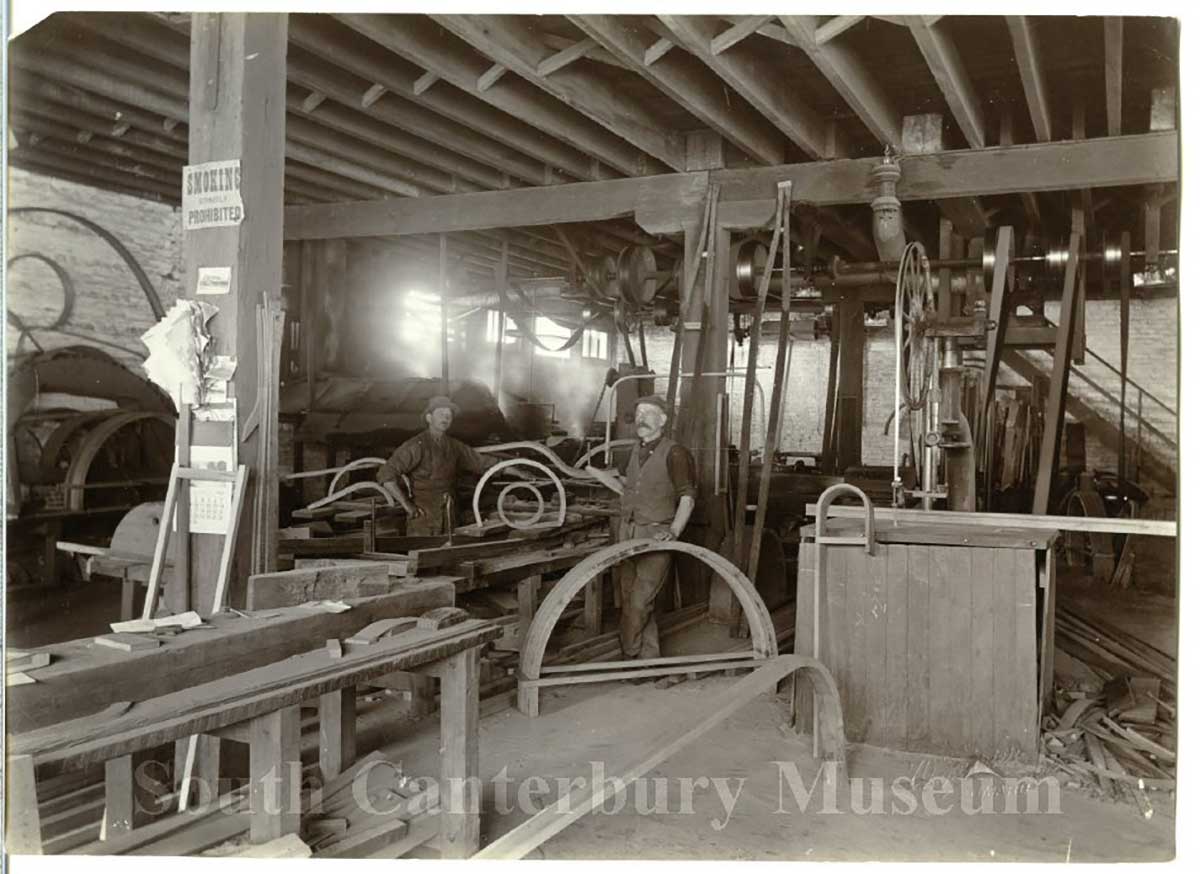
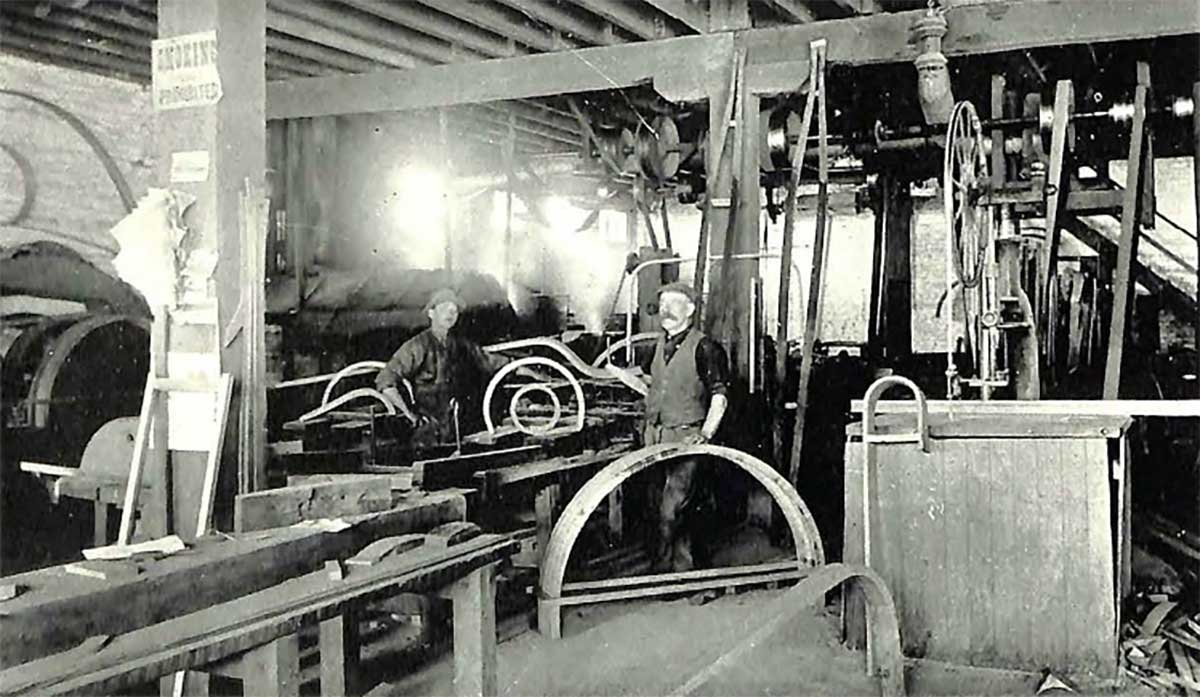
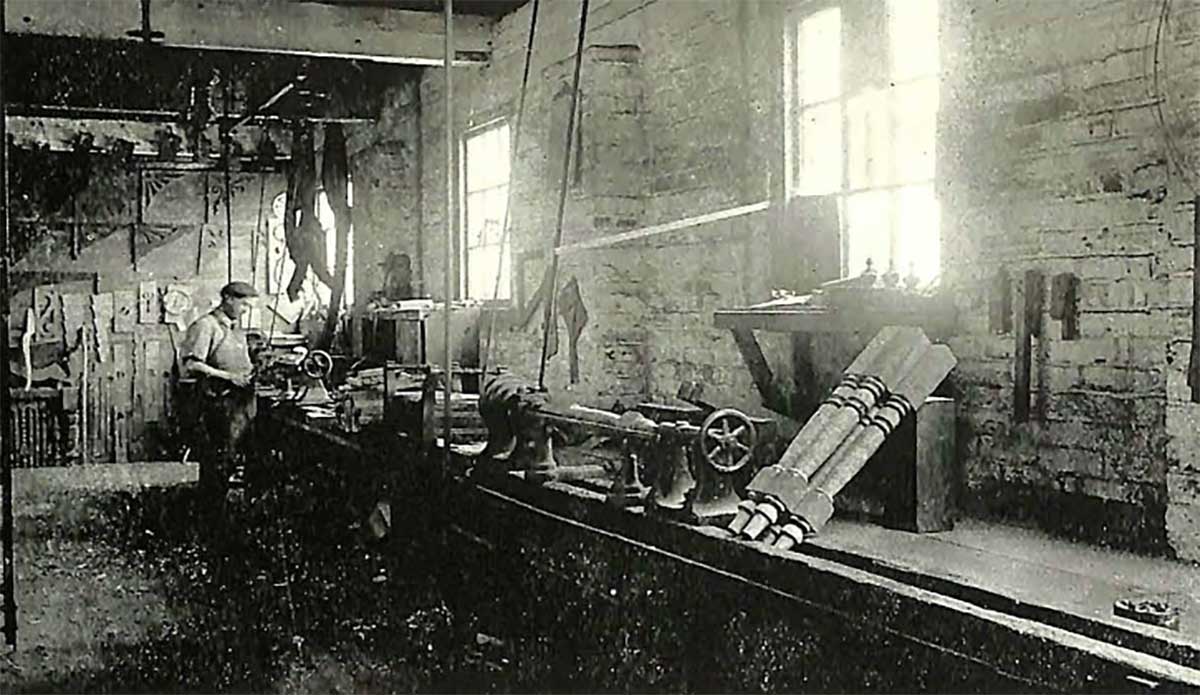
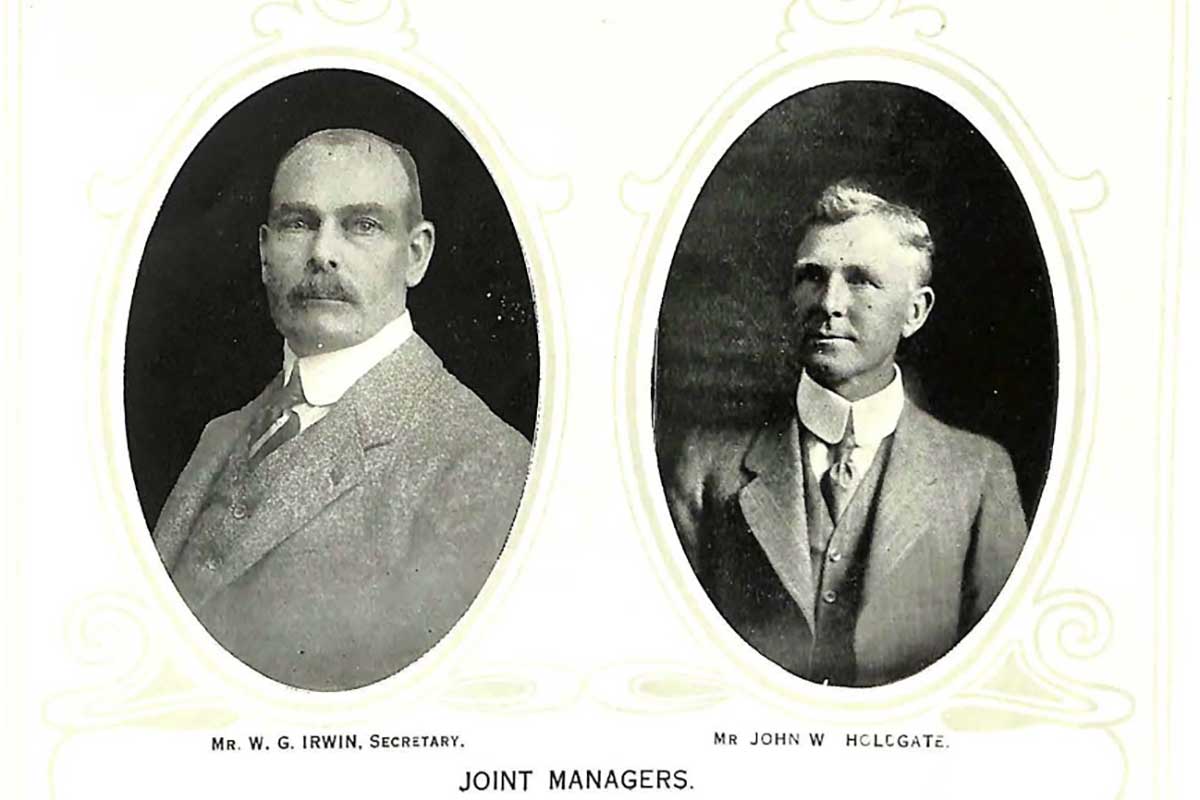
In 1904, John formed the business into a private company. W. G. Irwin became secretary, J. W. Holdgate took charge of sales, and T. E. Holdgate took charge of deliveries. After John’s death in 1909, Irwin and J. W. Holdgate became joint managers under his will.. Inside the wood bending department of John Jackson & Co, Timaru, circa 1913. 2611 https://timdc.pastperfectonline.com/photo/CCAA5FFA-CD47-48D2-9BB7-312395414647
Captain Cain and the risky business of early shipping
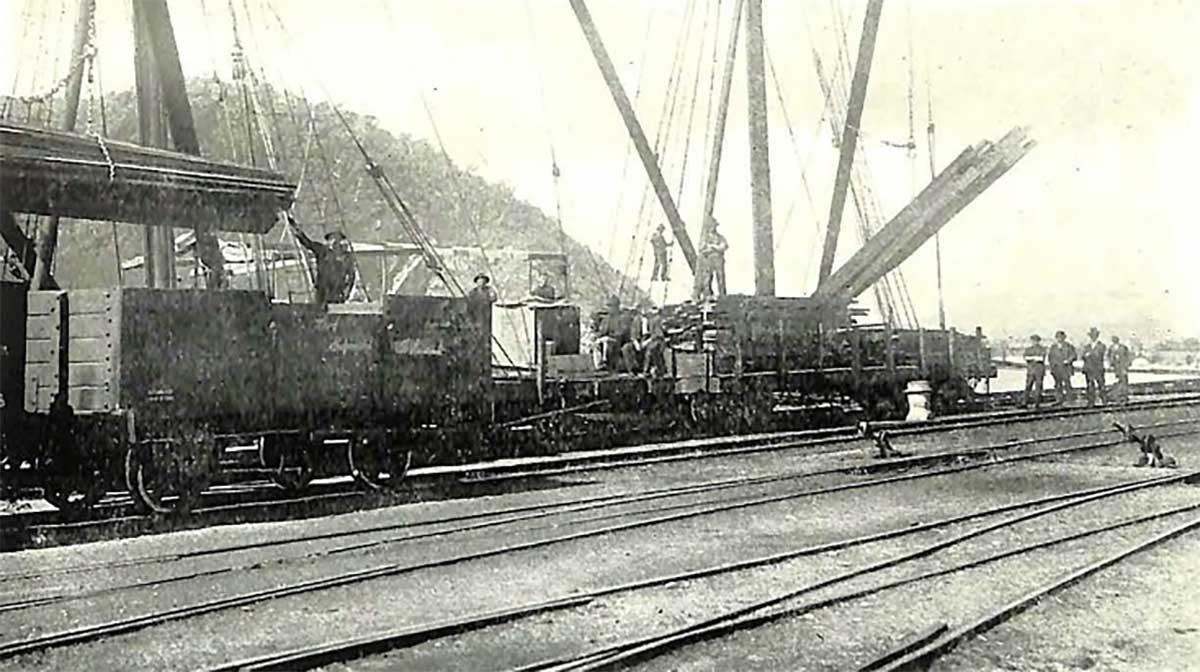
One of the more colourful business moments involved Captain Cain. Before the breakwater changed Timaru’s harbour story, vessels anchored in the roadstead and goods were landed through the surf. The jubilee account tells of the barque Cyrene, which arrived from Kaipara with a large cargo of kauri sleepers and then went ashore in a gale.
There was a risk the vessel would break up and scatter her cargo along Ninety Mile Beach. Jackson, together with Captain Cain, purchased the sleepers. They succeeded in landing the whole lot and sold them to the Railway Department, making a handsome profit. This fun fact shows how closely business was tied to shipping, railways and the harbour. A merchant was not simply a shopkeeper. He had to understand cargoes, weather, buyers, transport and opportunity.
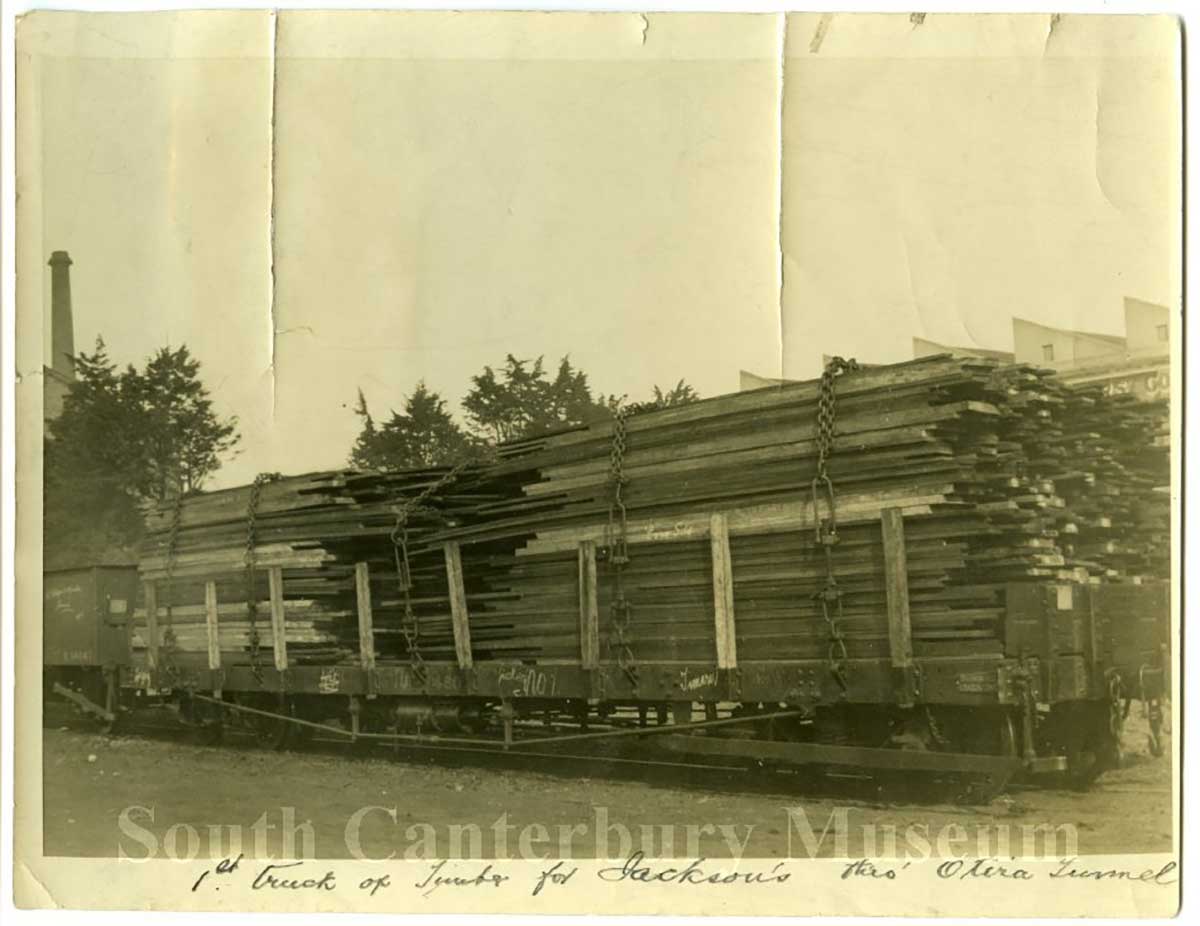
The first railway wagon of timber for John Jackson through the Otira Tunnel c 1923 2622 https://timdc.pastperfectonline.com/photo/95CFE6B3-BDCC-49B6-BC1E-430095151150. The West Coast was part of the supply chain. For many years John Jackson & Co. held agencies for the principal West Coast coal mines, linking South Canterbury customers with coal from across the island. The firm was moving materials through a wider network of mines, ships, rail, harbour, storage yards and customers. Timaru’s buildings needed timber and joinery, but Timaru’s industries also needed fuel. The West Coast connection reminds us that built heritage is never only local. The materials, energy and money often travelled a long way before they became part of the town.
Timber travelled by ship, surf, railway, yard and mill
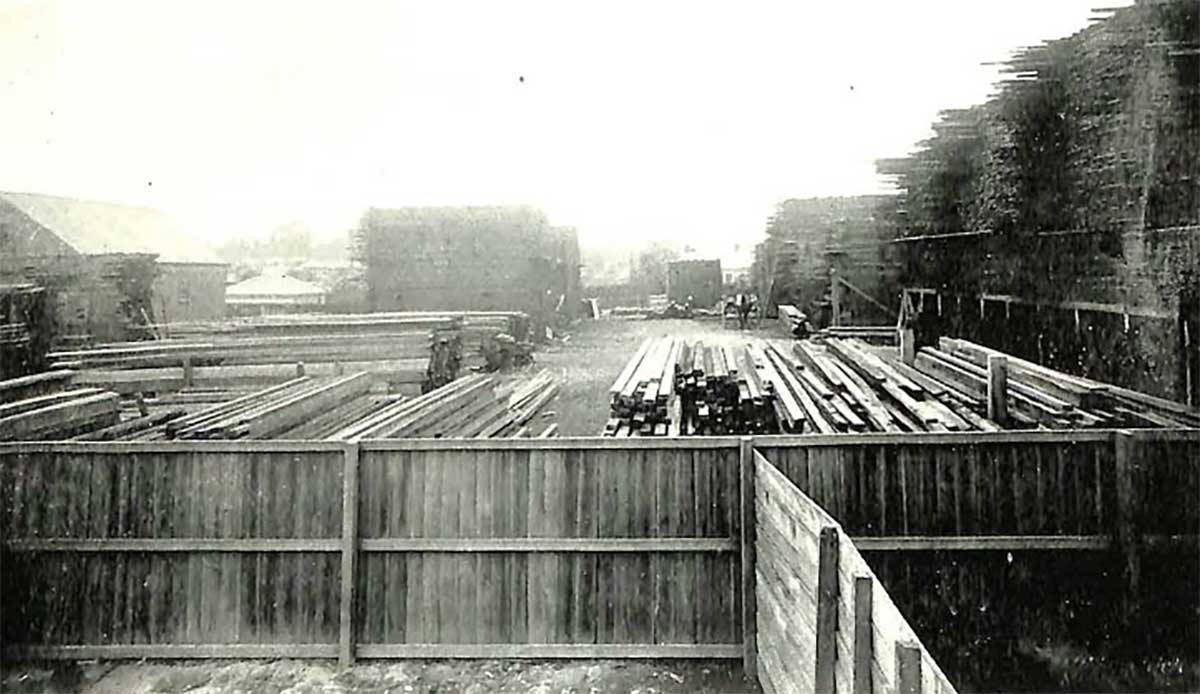
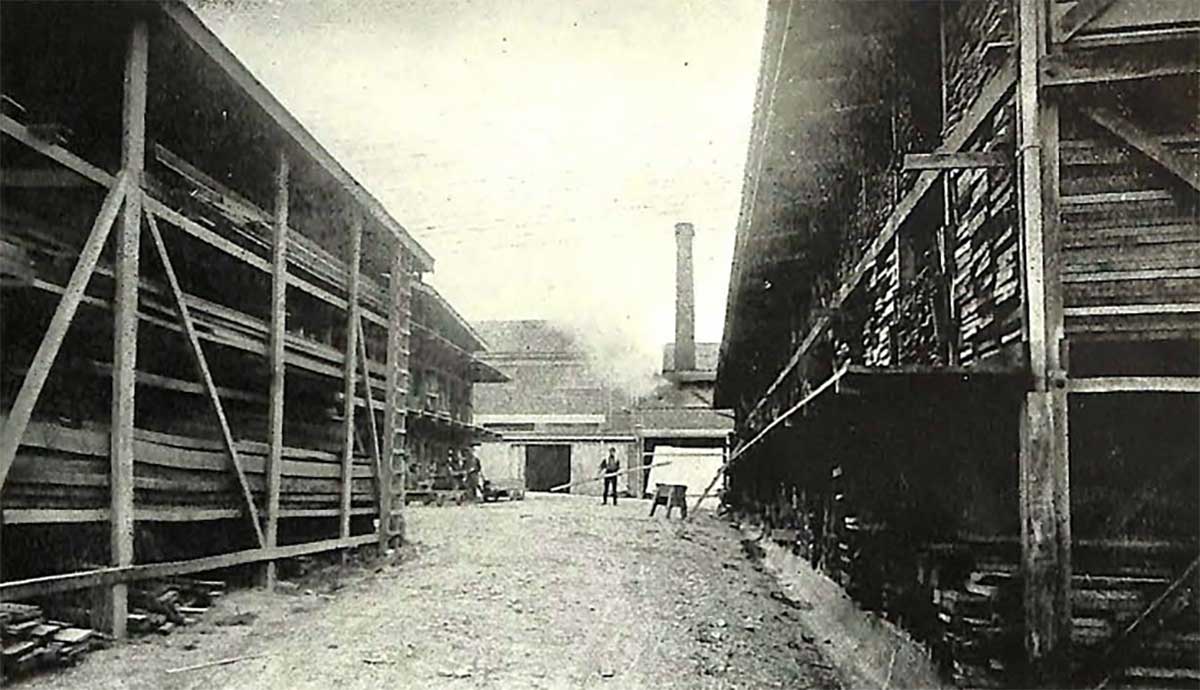
Some timber came down from Kaipara by sailing vessel. Logs could be put over the ship’s side into the sea, floated ashore, and hauled over the railway by an overhead bridge into the mill. In built history, we often start with the building we can still see: the façade, parapet, pressed metal ceiling, stonework or shopfront. Jackson’s story reminds us to look behind the building.
Who supplied the timber? Who seasoned it? Who milled it? Who carted it? Who extended credit? Who took the risk when a ship was late, a fire broke out, or a market shifted?
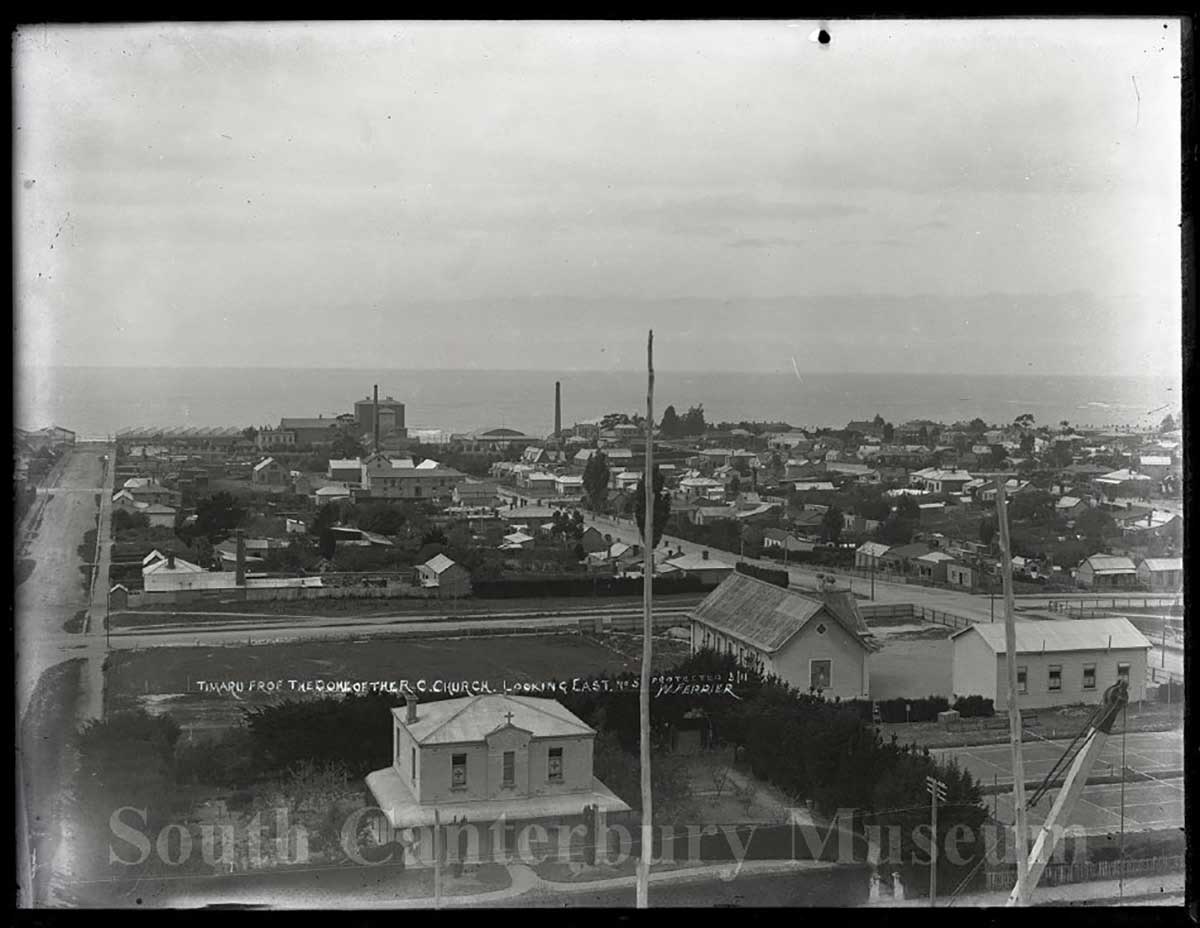
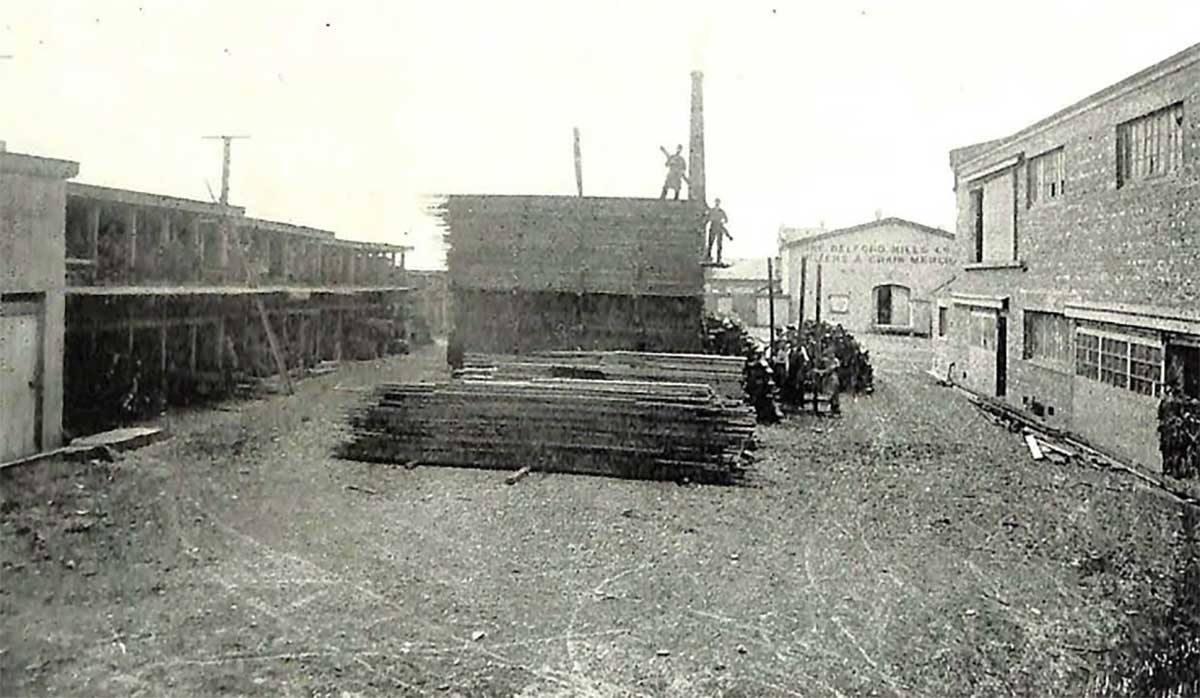
In the background Timaru Breweries John Jackson Co and Evans Atlas Co 1911 South Canty Museum 2477b. the original main office of John Jackson & Co. was at the corner of Stafford and North Streets, later extended to the right and occupied in 1982 by the Post Office engineering division.
John Jackson was an early partner in the business that later became Priest & Holdgate.
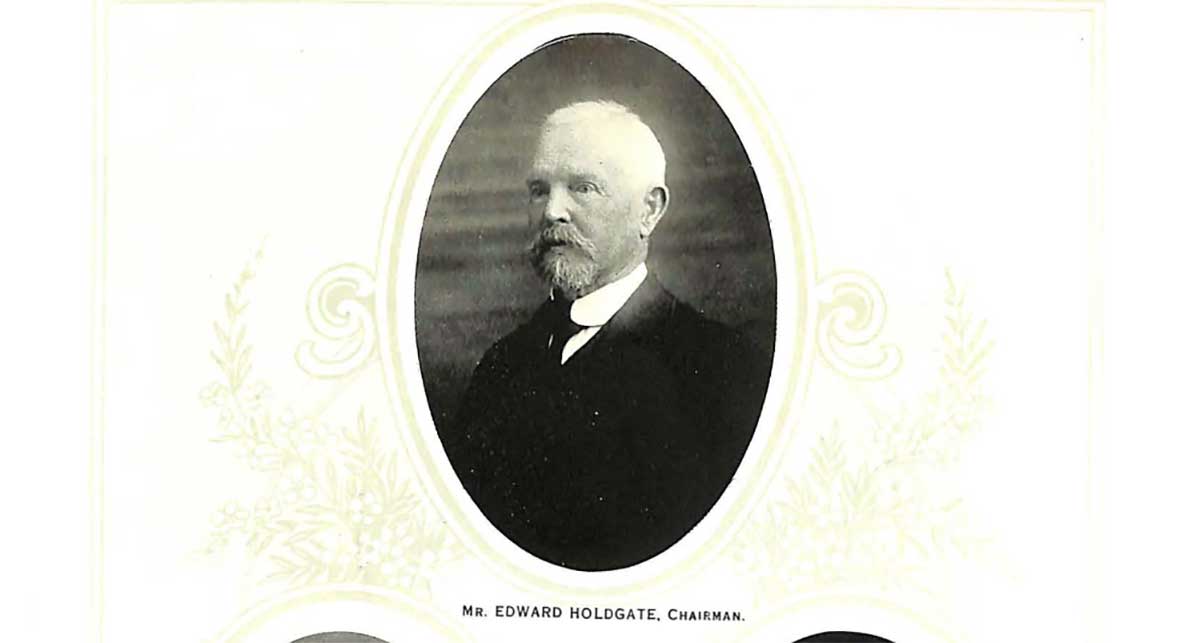
That is where the story becomes more interesting... Priest, Holdgate and Jackson were part of the same building-supply world. I first came back to John Jackson while researching Priest & Holdgate. Before the firm became Priest & Holdgate, William Priest and Edward Holdgate were in partnership with John Jackson. They traded as Wm. Priest and Co. When Jackson retired from that business in 1879, the name became Priest & Holdgate.
Jackson’s timber and coal world overlapped with Priest and Holdgate’s hardware world. Together, these businesses supplied the practical things needed to build, repair and maintain homes, shops, farms, factories and public buildings. Suddenly Stafford Street looks less like a row of separate shops and more like a network of timber, coal, ironmongery, shipping, joinery, milling, farming supplies and building materials.
After John Jackson’s death, his will provided for W. G. Irwin and John W. Holdgate to become joint managers of John Jackson & Co. Both men had long service with the firm.
The name Holdgate appears in two parts of Jackson’s story: first through the Wm. Priest and Co. partnership, and later through the management of John Jackson & Co. It is a clue to the tight circles of business, family, employment and trust in early Timaru.
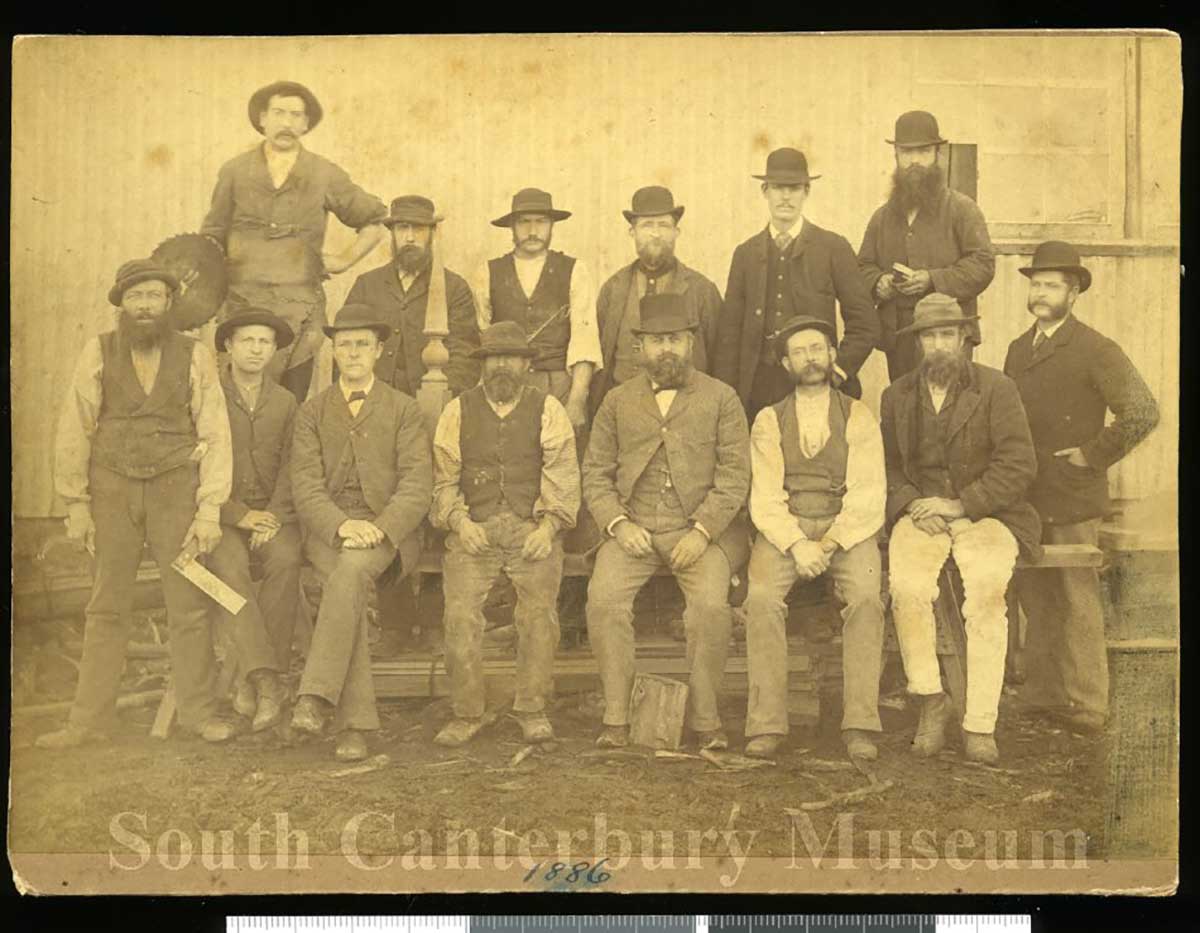
Two rows of employees of John Jackson and Co Ltds timber mill 1886 2624
The 1908 fire tested the whole working system
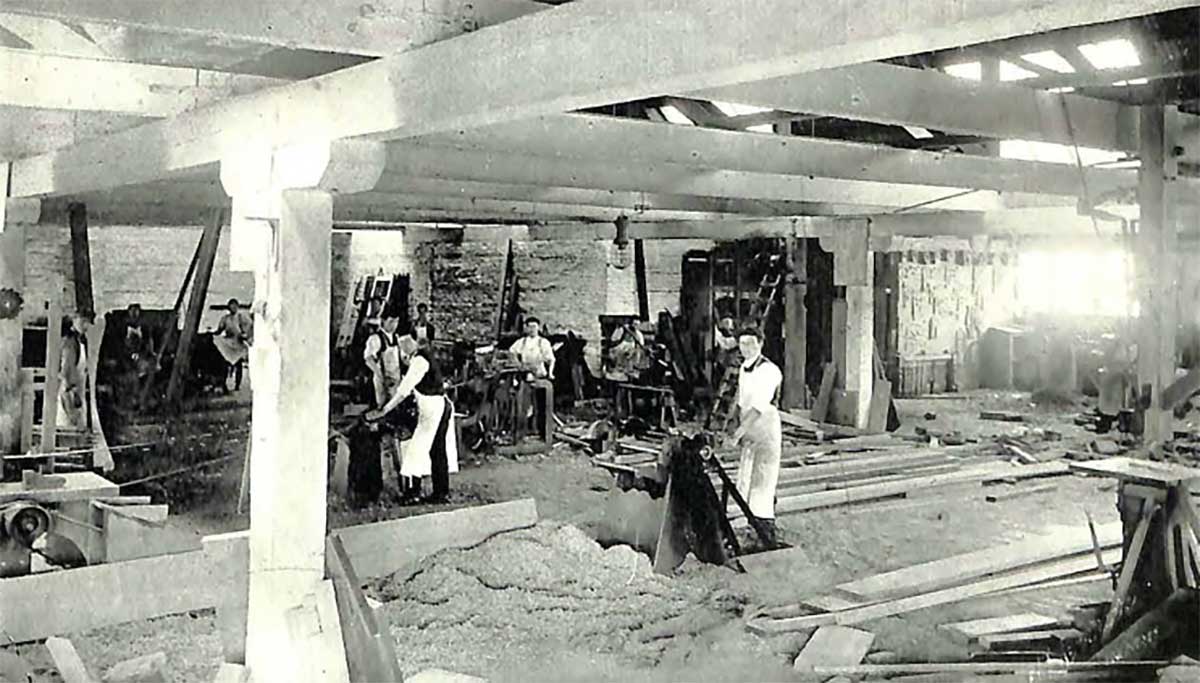
In 1908, during one of the firm’s busy seasons, fire broke out in the sawmill at about five o’clock on a still summer morning. The building, valuable machinery and plant were destroyed.
For many businesses, that might have been the end... but the response was immediate. Other sawmillers offered the use of their plant. A temporary mill was started almost at once on the opposite side of the street. New machinery was sourced. Premises in Latter Street were leased for the joinery department.
The fire was not only a private disaster. It affected builders, customers, employees, suppliers and families.
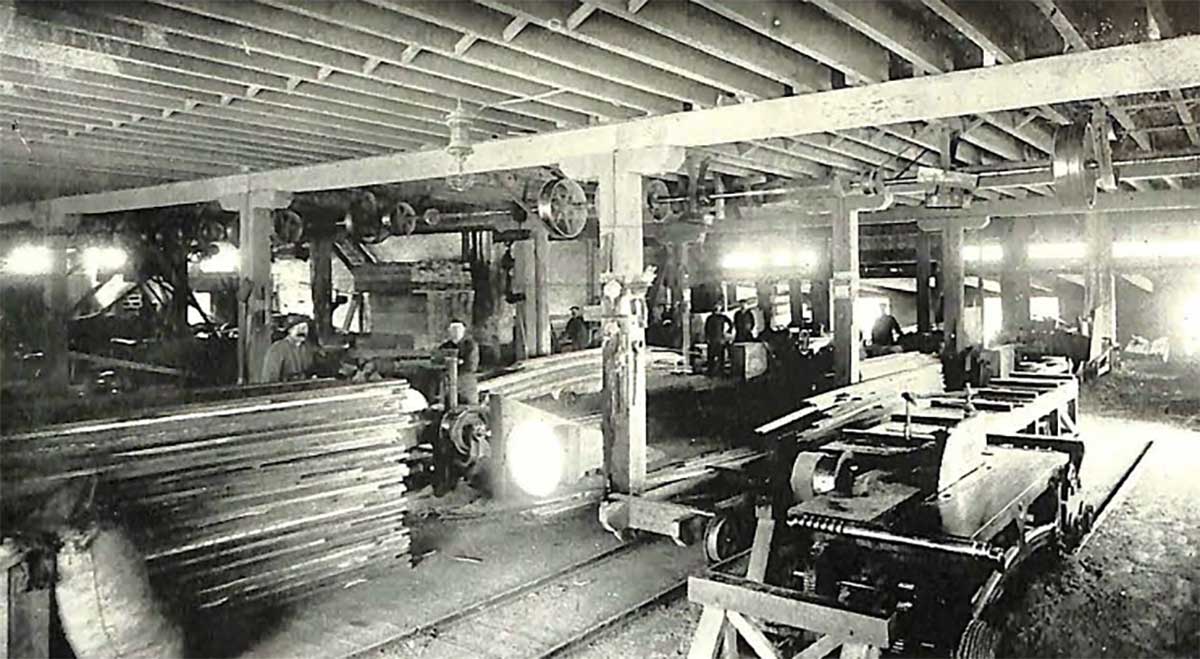
Architect James Turnbull was entrusted with designing the new mill and factory. Frank Palliser and Sons carried out the brick and concrete work. W. Andrews had the woodwork contract. E. J. Barton, the company engineer, helped arrange the machinery. The new mill and joinery works opened in September 1909.
Sadly John Jackson did not live to see it operating.
Jackson planned for the business to continue after him. John Jackson died in July 1909, aged 72.
Some years earlier, he had fallen into the hold of a ship while supervising the discharge of timber. He suffered injuries and shock, and his health never fully recovered. His wife had died five years before him. By then, the business had already been formed into a private limited liability company. Jackson retained control, but younger men in the firm had been given responsibility.
That was one of his most important acts of planning. The business was not to collapse with him. It was to continue, employ people, serve customers and remain part of Timaru’s commercial life.
Jackson helped build the civic town as well as the material town
Jackson’s story is not only a business story. It is also a civic story. He served on the Timaru Borough Council for twenty-one years, including four years as Mayor. He was closely associated with the Timaru waterworks scheme, one of the essential pieces of infrastructure needed by a growing borough.
We often admire heritage buildings for the parts we can see: brickwork, stonework, windows, parapets, ceilings, shopfronts and towers. But a town also needs water, roads, drainage, wharves, schools, hospitals, cemeteries, churches, boards, committees and people willing to sit through long meetings to make practical things happen.
He was involved with the South Canterbury Board of Education, the Timaru High School Board of Governors, the South Canterbury Hospital and Charitable Aid Board, the Timaru Harbour Board, the Timaru Cemetery Board, the Timaru Permanent Building Society, local companies, lodges and churches. He was also a Justice of the Peace.
In the background Timaru Breweries John Jackson Co and Evans Atlas Co 1911 South Canty Museum 2477b
The Jackson Memorial Sunday School put family faith into built form
Jackson and his wife were closely connected with the Wesleyan Methodist Church in Timaru. The jubilee account says he had been a Congregationalist in England, but in Timaru he associated himself with the Wesleyan Methodist Church and held lay offices there. He and Mrs Jackson were among the church’s principal supporters. They also donated a large sum towards the purchase of land and the erection of the Sunday School in Church Street, which bore the name Jackson Memorial Sunday School. Their faith and philanthropy were not only expressed in meetings or donations. They were expressed in a building.
A boy from a Derbyshire cotton mill arrived in Timaru in 1863. Three years later, he bought a coal and timber business from Munro and Le Cren. Over the next four decades, that business expanded through yards, mills, shipping, coal, joinery, cement and building supplies.
Along the way, Jackson’s story connected with Munro and Le Cren, Benjamin Gibson, James Bruce, James Dow, Captain Cain, William Priest, Edward Holdgate, John W. Holdgate, W. G. Irwin, James Turnbull, Frank Palliser and Sons, W. Andrews, E. J. Barton, and many employees whose names rarely make it into the headline version of history.
That is a story I think is worth telling, no wonder they wrote the Jubilee booklet.
Next time I walk through Stafford Street, I will not just look up at the façades. I will think about the timber before it became a beam. The log before it became a door. The ship before the yard. The yard before the builder. The builder before the building. I will think about Munro and Le Cren, Priest and Holdgate, James Turnbull, Frank Palliser, W. Andrews, the mill hands, the clerks, the carters, the sawyers, the customers and the committees.
And I will think about the young man from Glossop who learned to calculate before he learned to command a company. Because before Timaru could have architecture, it needed arithmetic. And John Jackson knew how to do the sums.
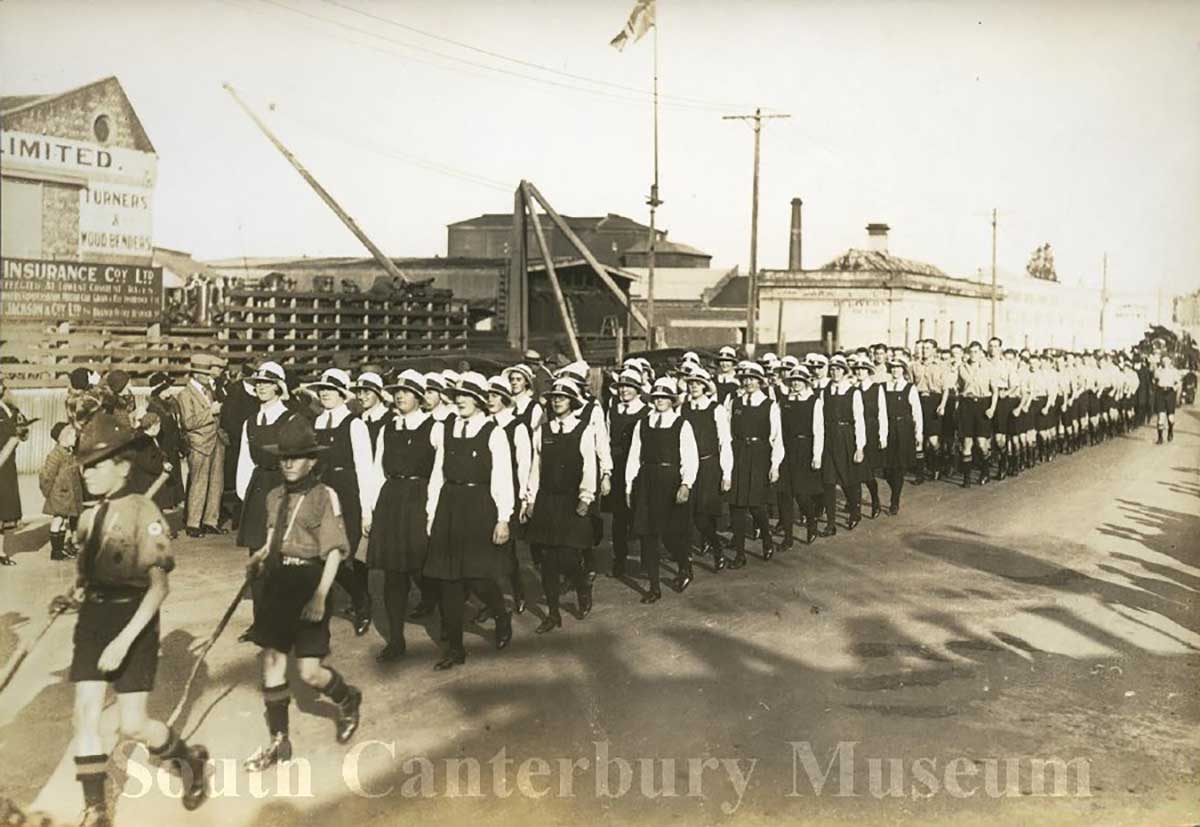
Girls and Boys High School Pupils marching in the Benvenue Wrecks 50th Anniversary Memorial Parade. South Canterbury Museum 1454 https://timdc.pastperfectonline.com/photo/3F5E5C4E-4DFB-4570-BE0D-863681855504
And then, just when I thought the John Jackson story had reached its natural end, his name appeared again — not as the main character this time, but as part of the ground another South Canterbury institution was built on. In 1881, the new Canterbury Farmers’ Co-operative Association leased land from John Jackson in the Heaton Street–Beach Road area and built grain stores there. Now I realise that Jackson’s story was not only about coal, timber and trade. It was also about the beginnings of “Farmers”, and the way Timaru’s commercial landscape grew...
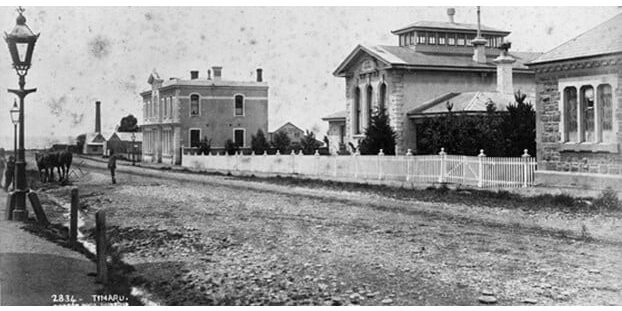
Courthouse, Timaru. Burton Bros. postcard. View of North St. showing from left Mechanics' Institute, Court House and Police Station, taken ca 1880s. Bollinger, Mrs, fl 1958 :Scenic photographs of New Zealand. Ref: PAColl-0808-01. Alexander Turnbull Library, Wellington, New Zealand. /records/23219877 | Alexander Turnbull Library, Wellington
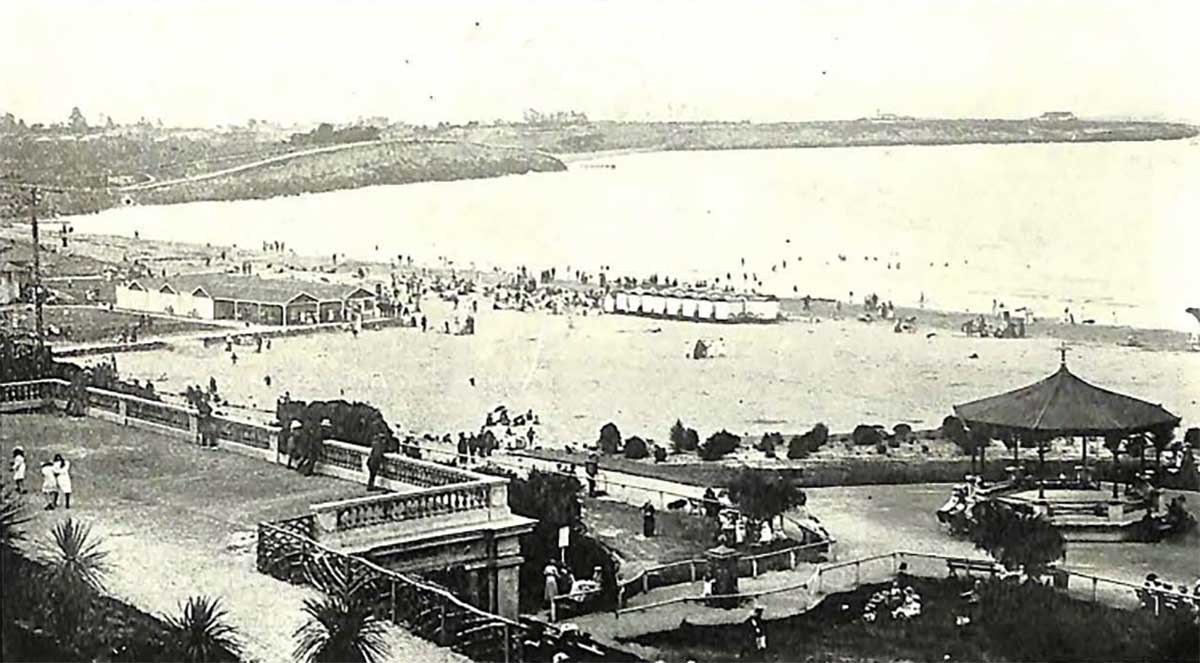
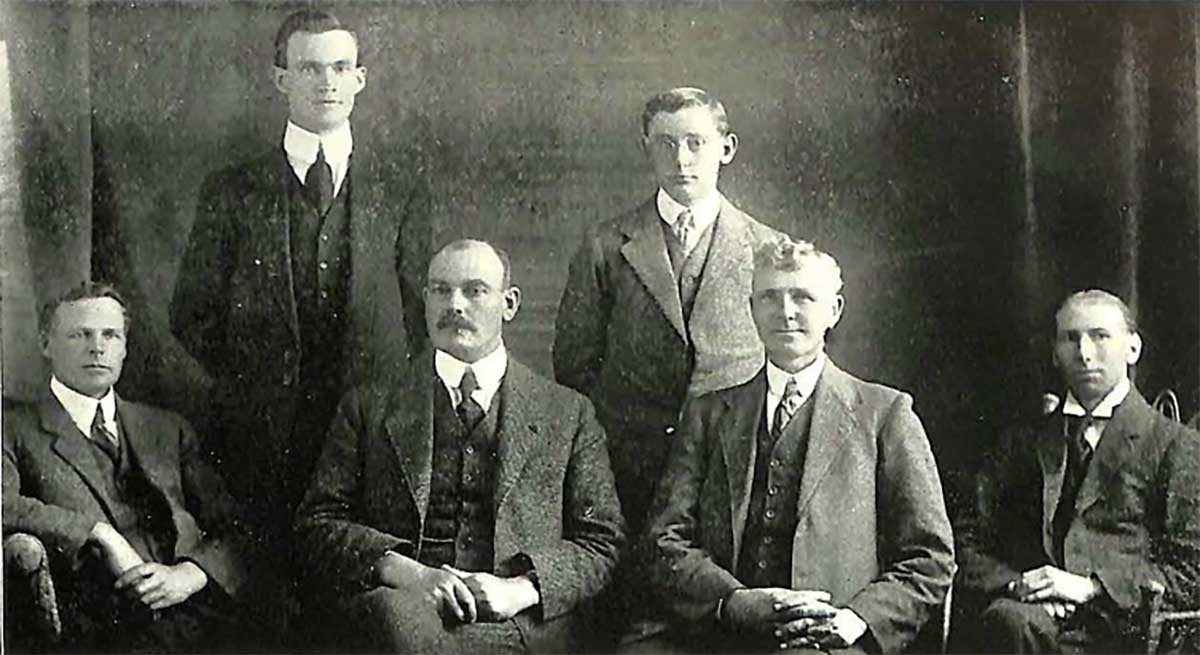
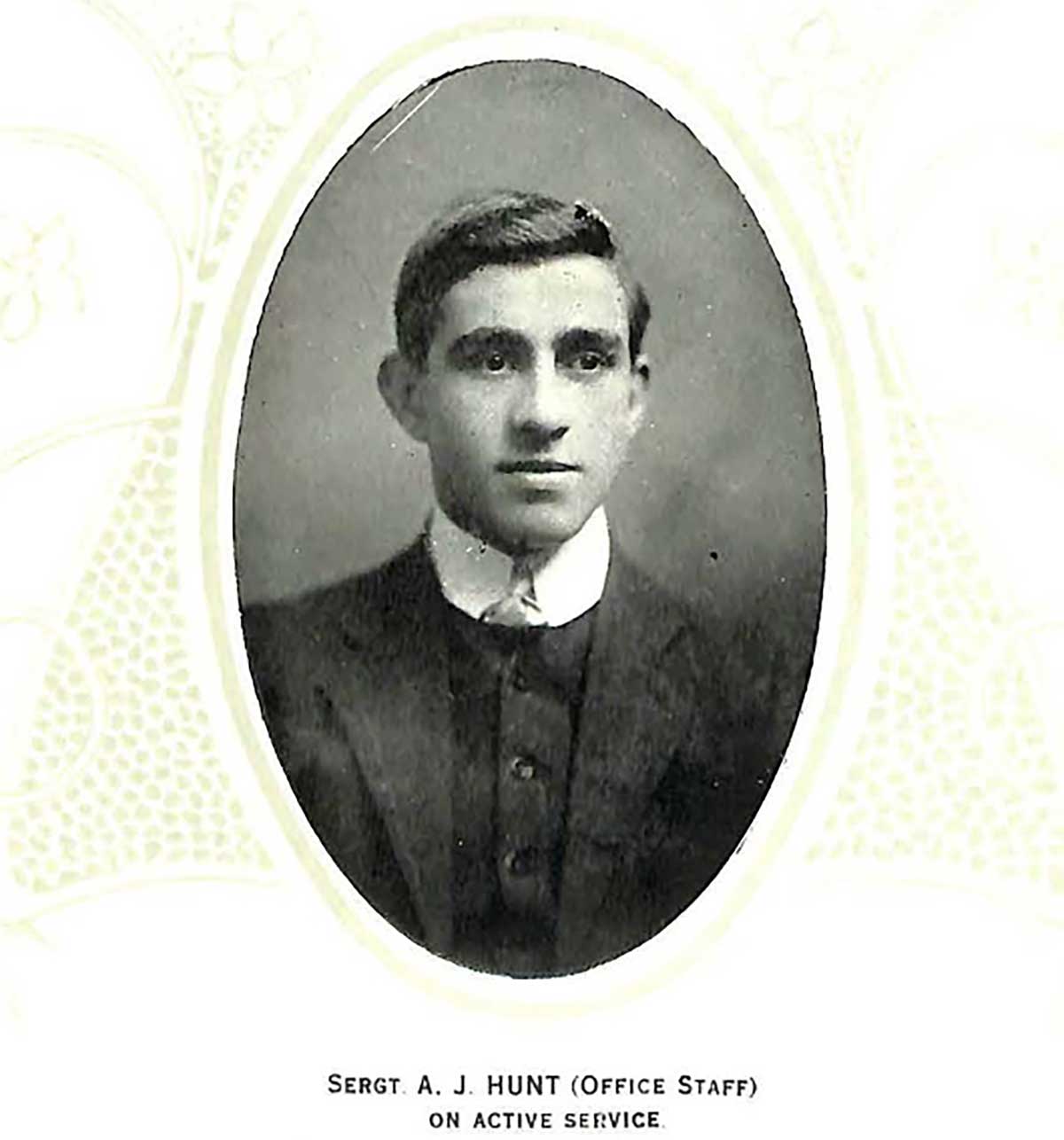
Images from John Jackson & Co. Ltd jubilee souvenir, 1866-1916.
Aoraki Heritage Collection
https://aorakiheritage.recollect.co.nz/nodes/view/779