A recap of my Forrester & Lemon Lecture for the Ōamaru Victorian Heritage Celebrations, November 2026.
You don't have to be interested in history to become interested in a story. Sometimes all it takes is a little curiosity to discover something extraordinary in your own backyard.
This was the big idea behind my presentation for the 2026 Forrester & Lemon Lecture in Ōamaru on 14 November. I shared how creativity, storytelling and social media have helped WuHoo Timaru bring local history to life and spark curiosity in thousands of people.
A huge thank you to the Ōamaru Whitestone Civic Trust and Waitaki Whitestone UNESCO Global Geopark for the invitation and opportunity to share what I've learned along the way.
WuHoo Timaru at the Forrester & Lemon Lecture in Oamaru: bringing local history to life...
It began with something we thought was seaweed...
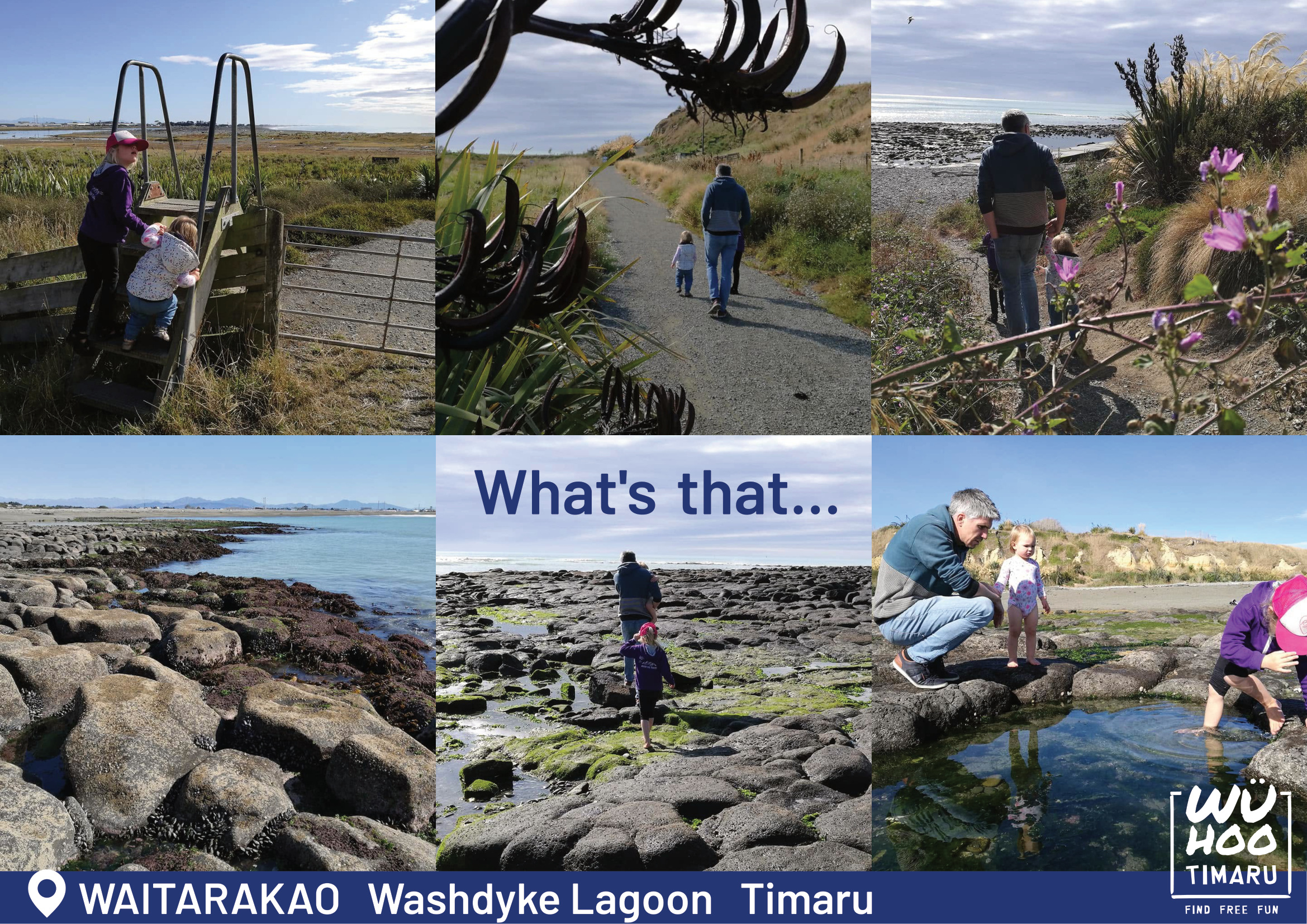
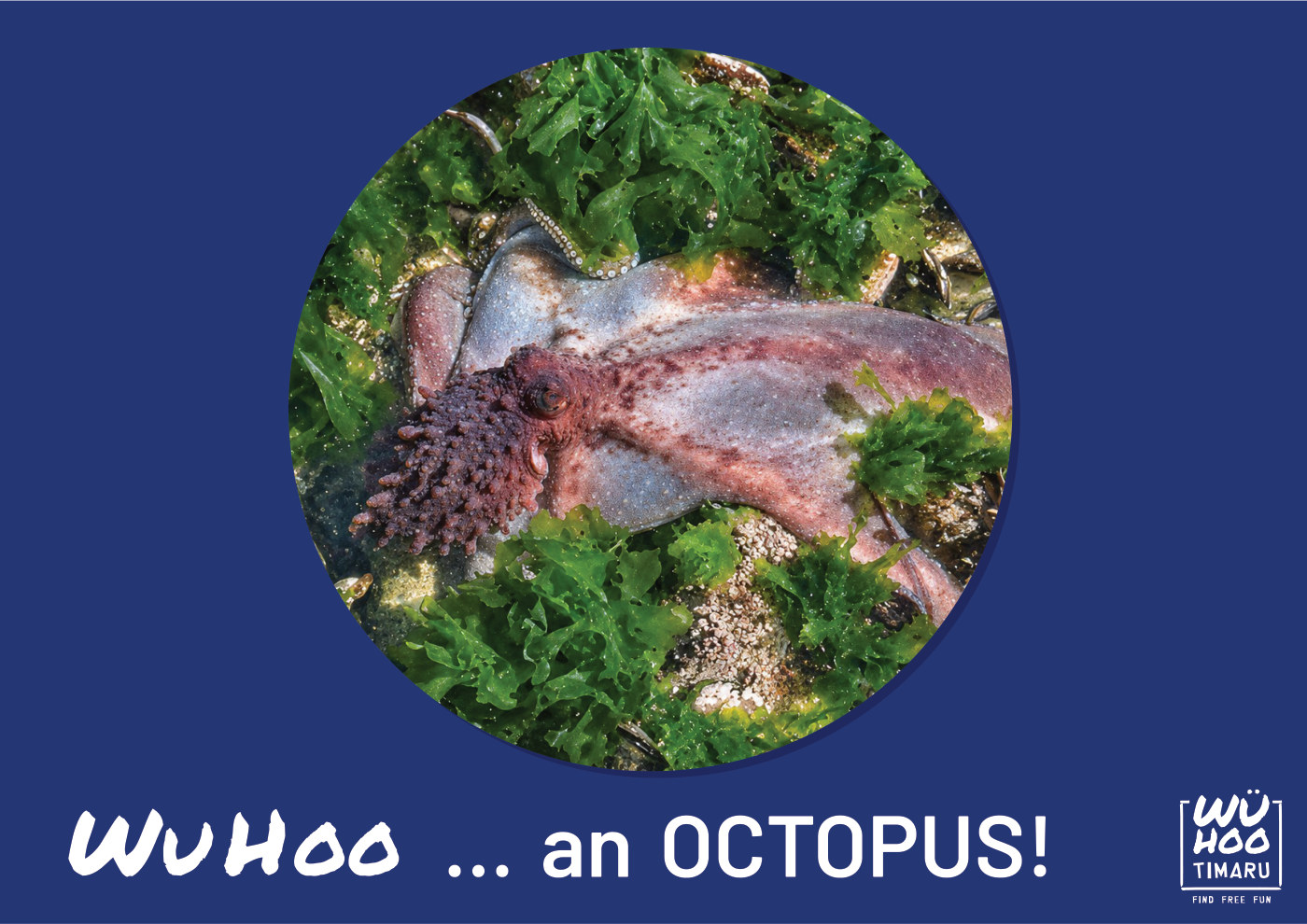
One day, exploring the rock pools at Waitarakao Washdyke Lagoon, with the family, we spotted something tucked among the seaweed. Then it moved. An octopus! We spent ages watching it. No tickets, no special equipment, no grand plan. Just a question, a closer look and an extraordinary little encounter.
That is still what WuHoo means to me. You don’t have to do something extraordinary to have an extraordinary experience. Sometimes you just need to get out the door.
Our unexpected rock-pool encounter: an octopus hiding among the seaweed.
Timaru is one the edge of the Pacific Ocean between Christchurch and Dunedin. The rock pools can be explored only at low tide, access is from Bridge Street. The basalt rock used to be lava that flowed from near Waipouri Mt Horrible towards what is now the sea, 2 -2.5 million years ago. This is the most recent volcanic activity in the South Island, and some say we have the flattest volcano in the country. This is a great place to find free fun, to study the geology of the land, and the flora and fauna of the area... and like that day with our family, you never know what you might find!
Say yes. Start small. Take people with you.
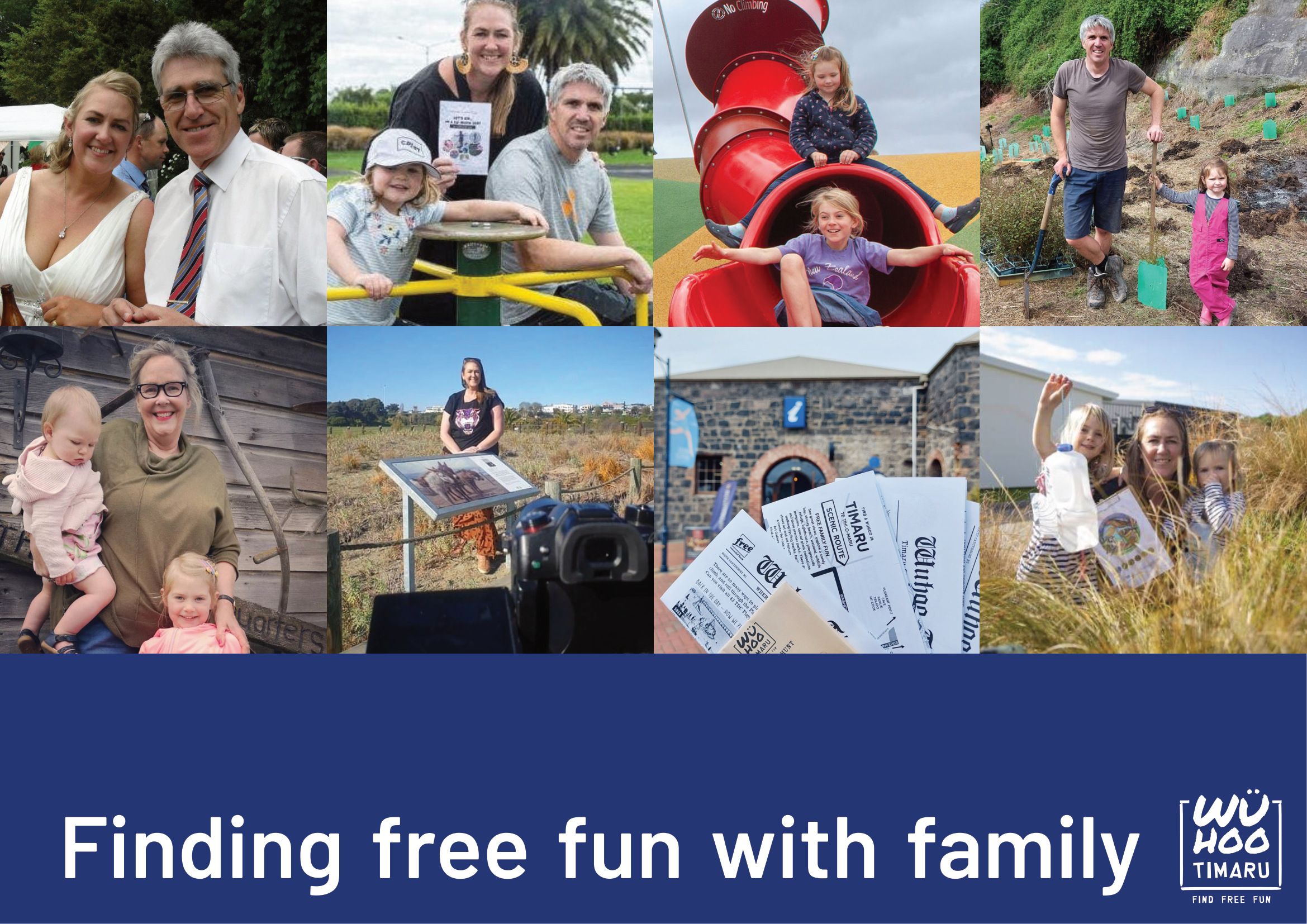
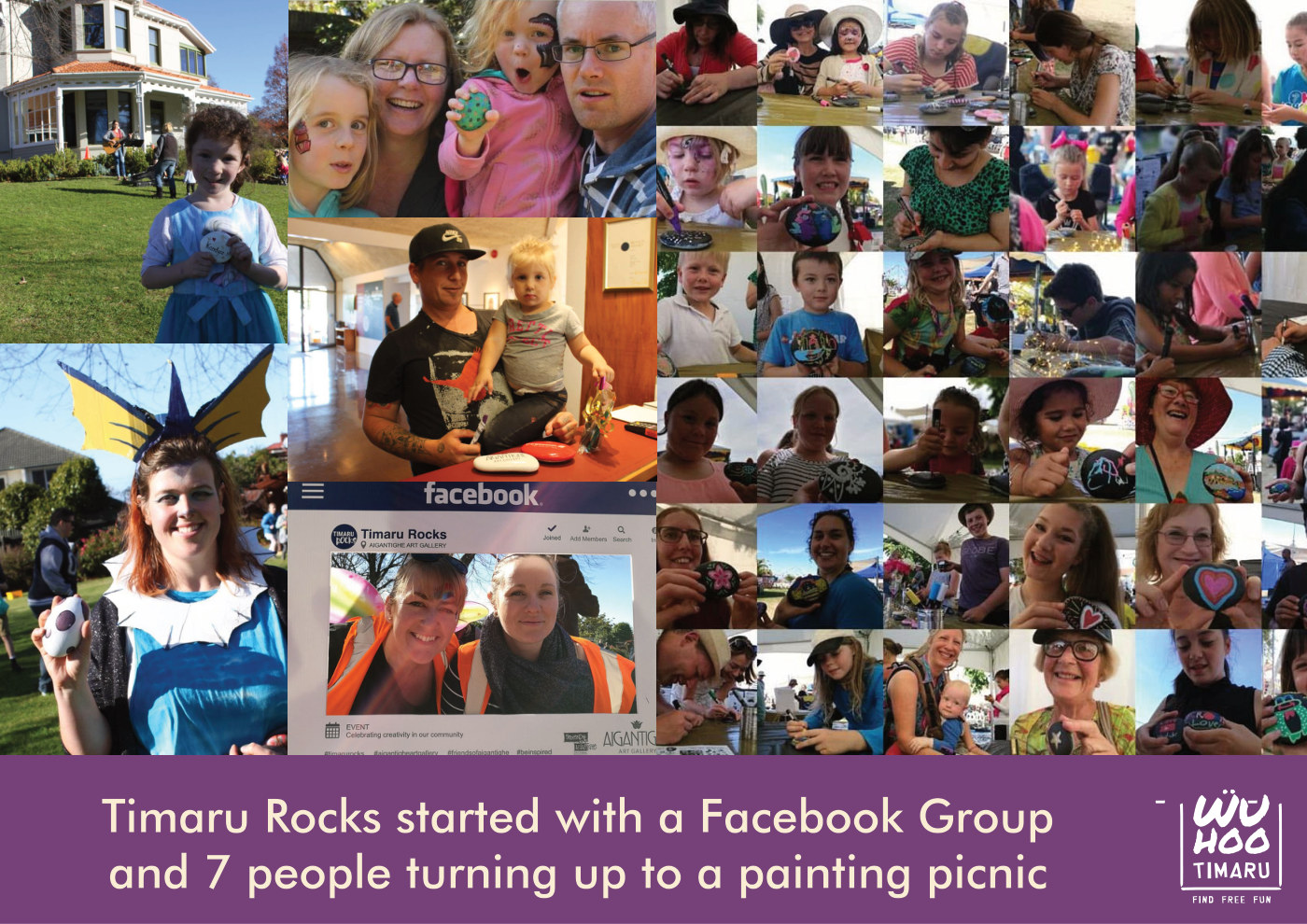
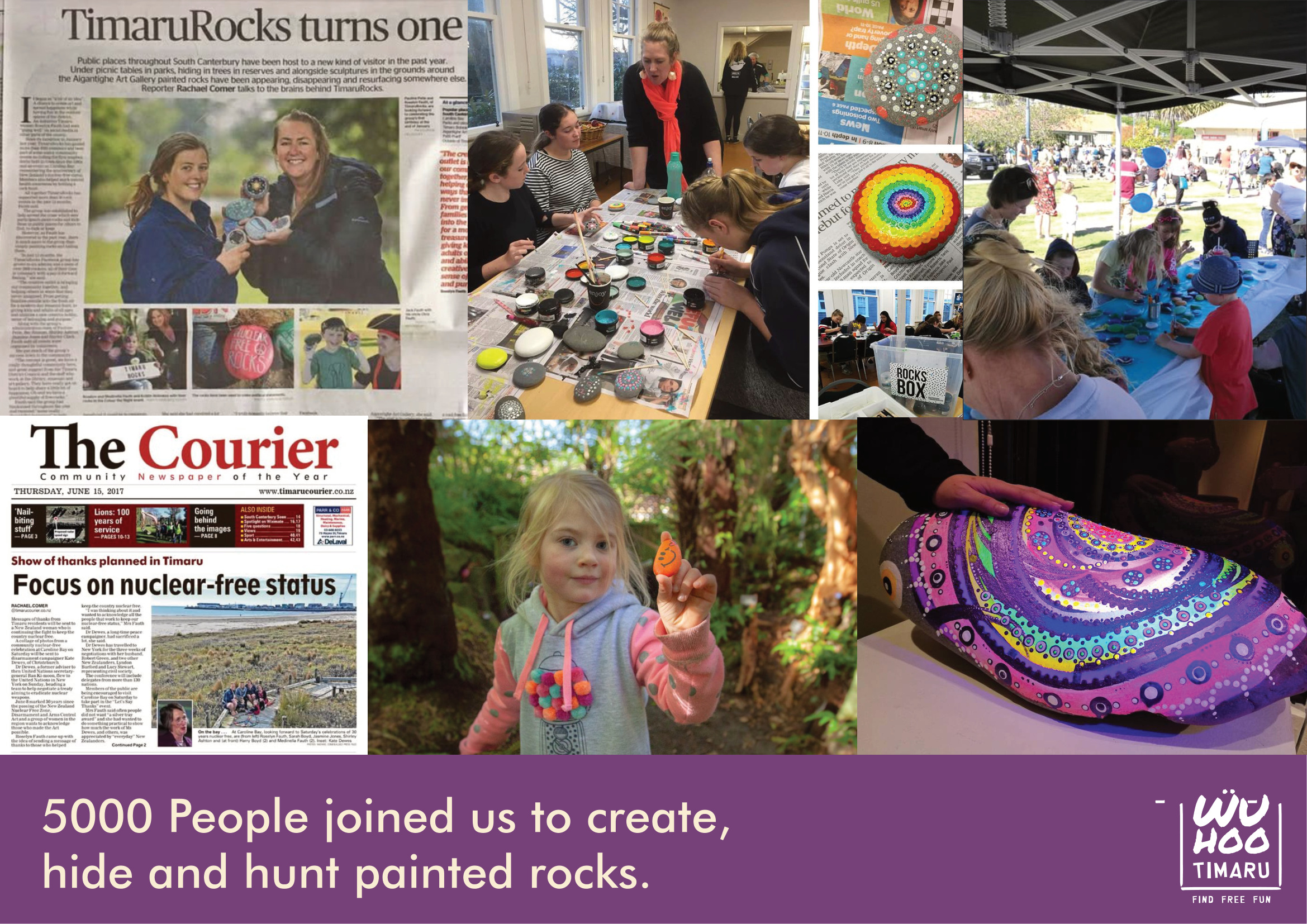
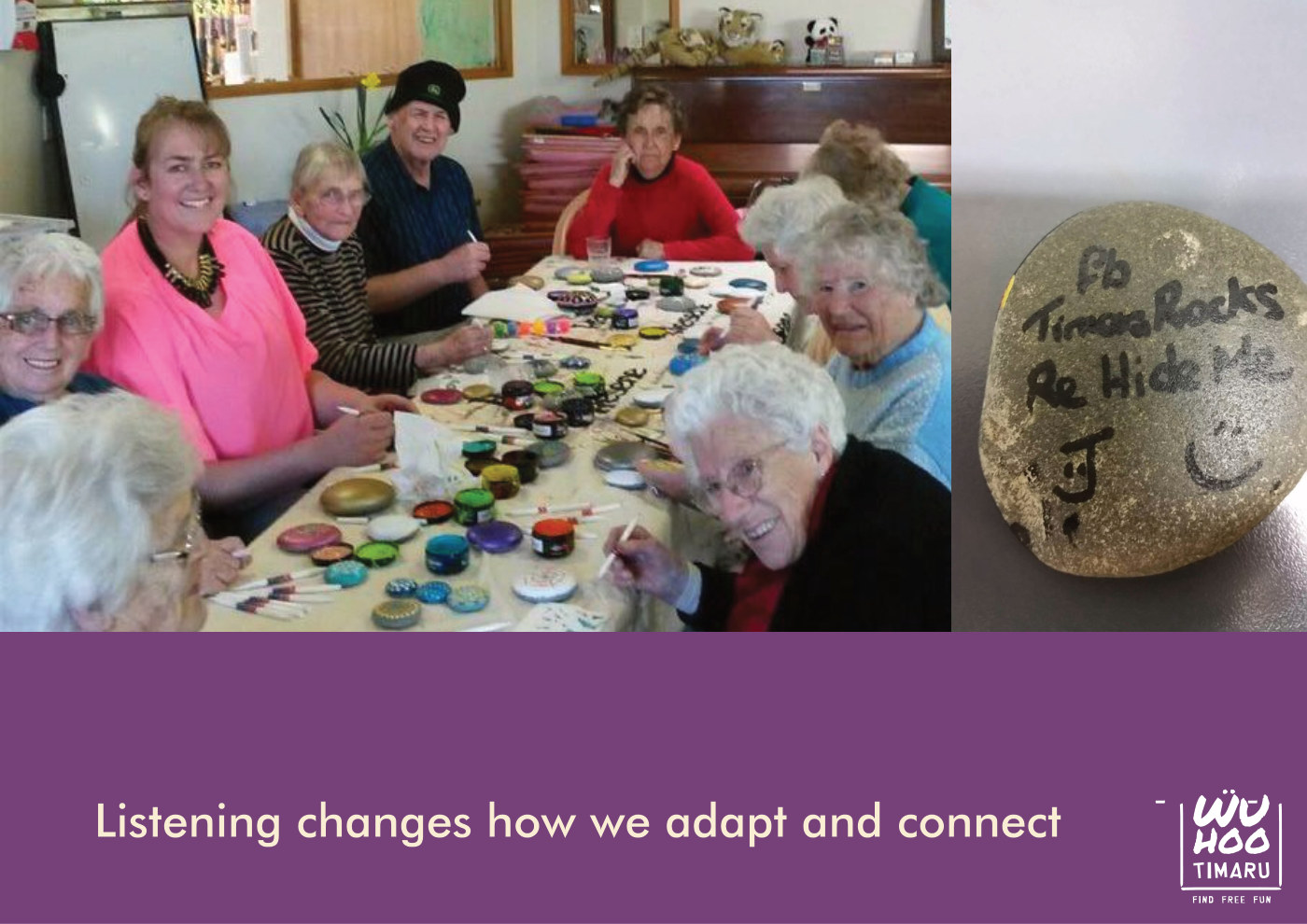
WuHoo grew out of finding free fun with our children, family and friends. We tried things, explored familiar places and shared what we found. One suggestion to paint and hide rocks became Timaru Rocks. Seven people came to our first painting picnic, we decided to host another painting picnic in the garden at our public art gallery the Aigantighe, and 700 people came! The Facebook group eventually grew to around 5,000 members, all enjoying the free fun of creating, hiding and hunting for painted rocks in public parks.
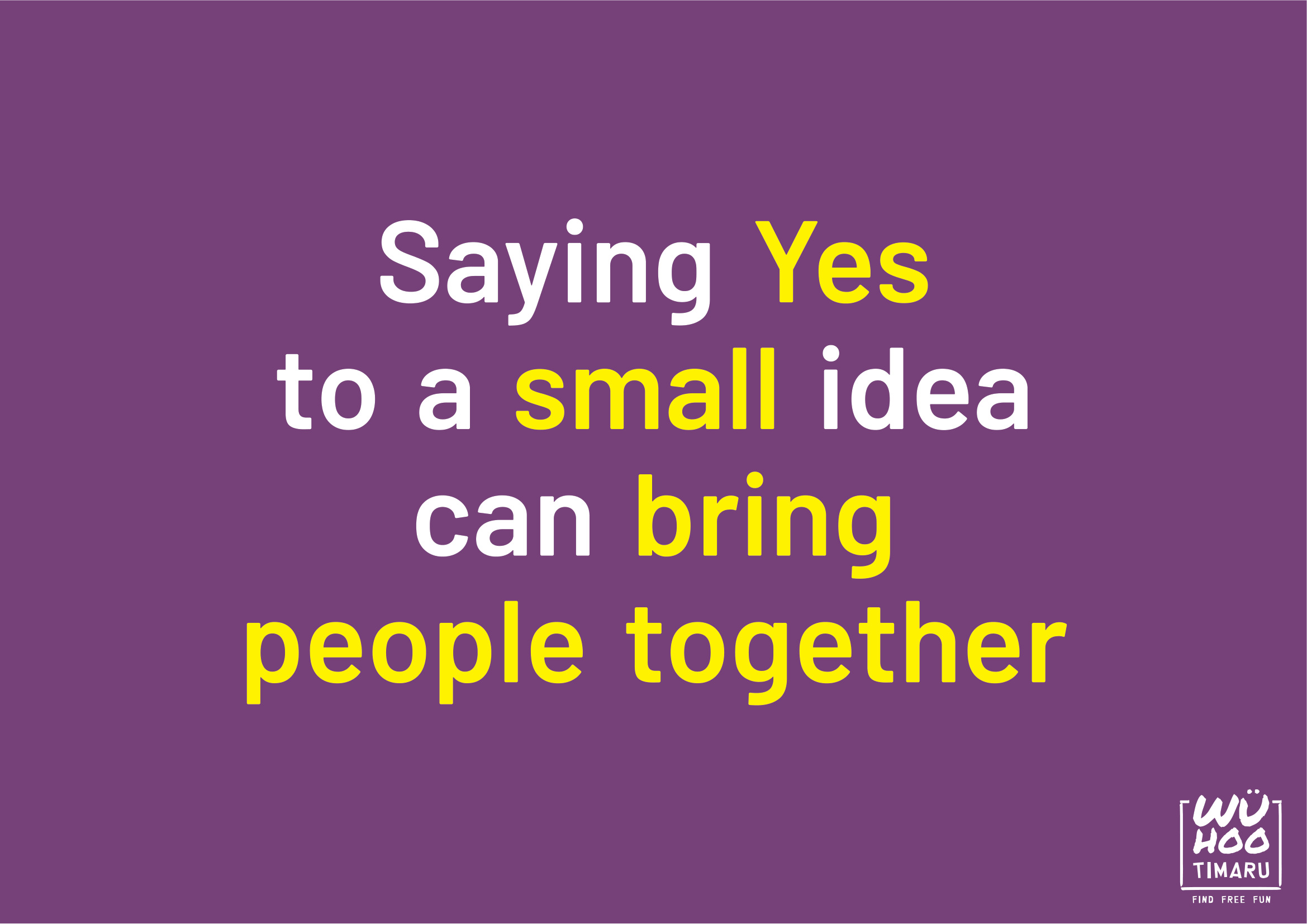
The original seven became our Facebook group admins, and over the year we provided free fun at manyt events. Some of the most memorable moments weren’t the big gatherings. They were the conversations that you have yarning away while creating a little crafty artwork. I was invited to paint with some residents from a resthome, initially I didn't realise they had dimentia. I decided to sing the instructions and all of a sudden the room burst into fun, I watched the transformation that art can bring to someones day. The residents then hid their rocks with the grandkids when they visited. A small idea can bring people together.
Painting rocks with residents at a rest home reminded me that the best way to connect is to listen, adapt and make room for people to take part in their own way. Free fun doesn't always have to be totally prescribed.
But we knew that the rock craze may not last forever, so we were also growing WuHoo Timaru... and once the pandemic arrived, people were restricted on how far they could travel, and didn't want to touch something in a random park, and the craze fizzled out.
Give people something to discover
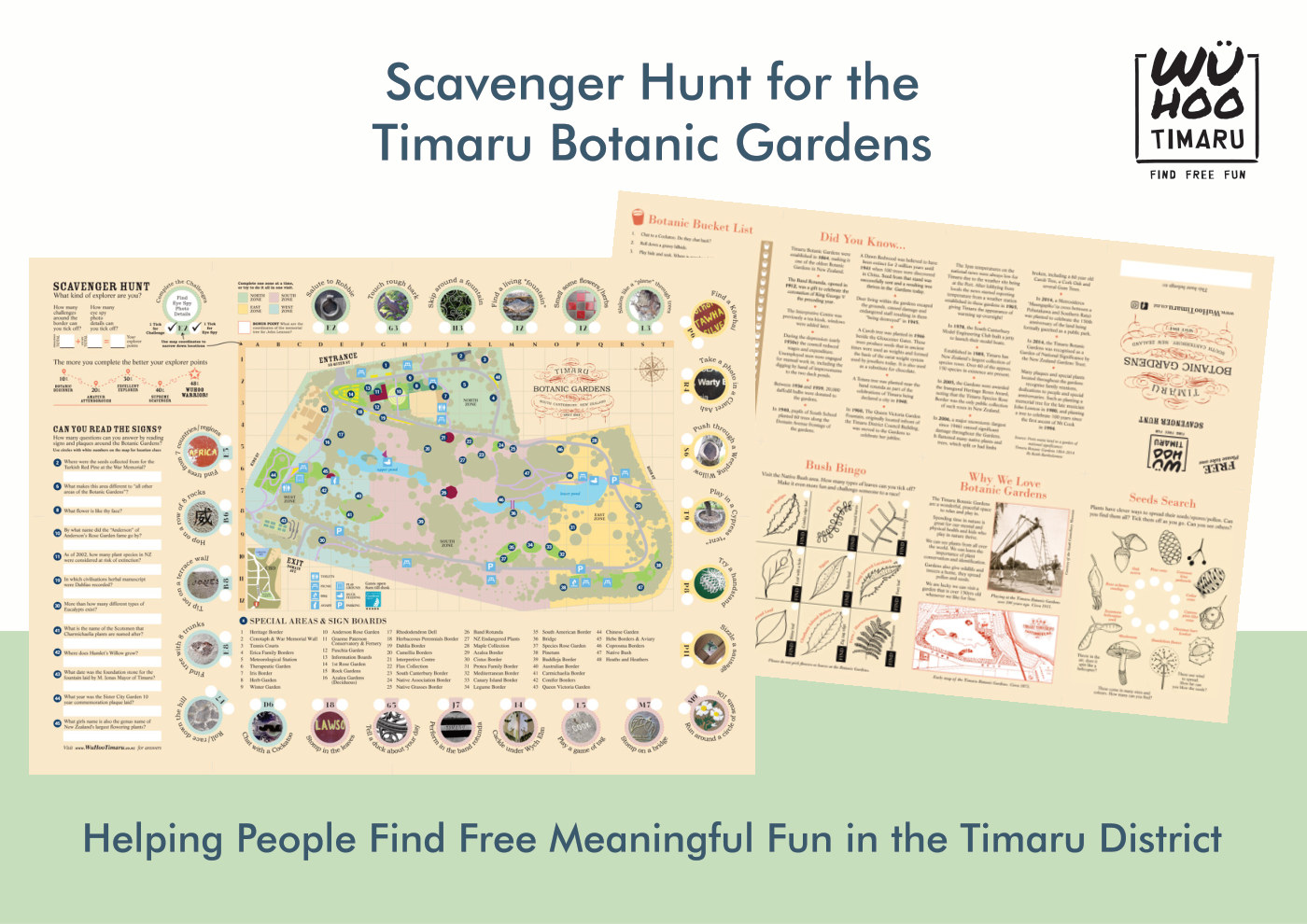
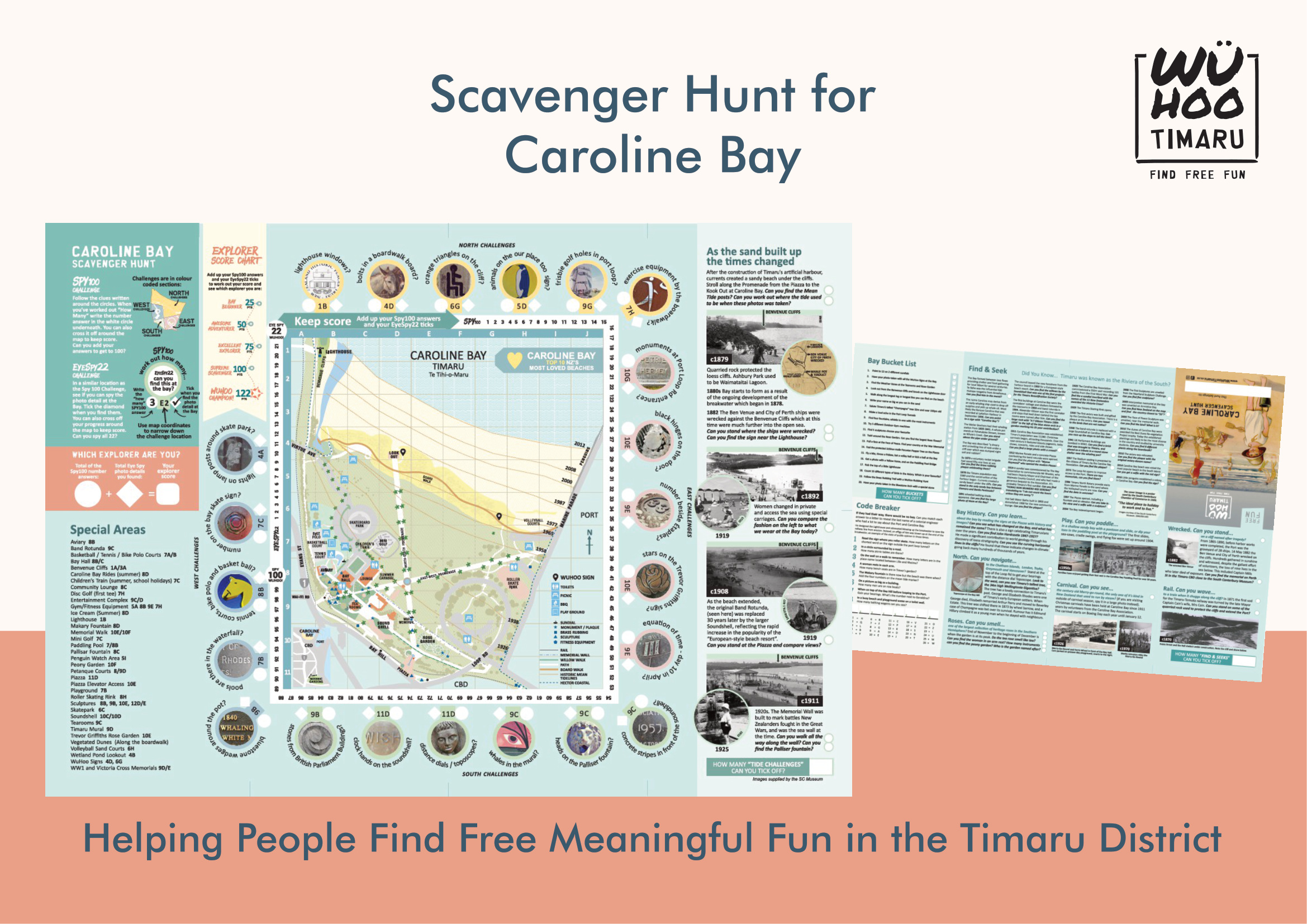
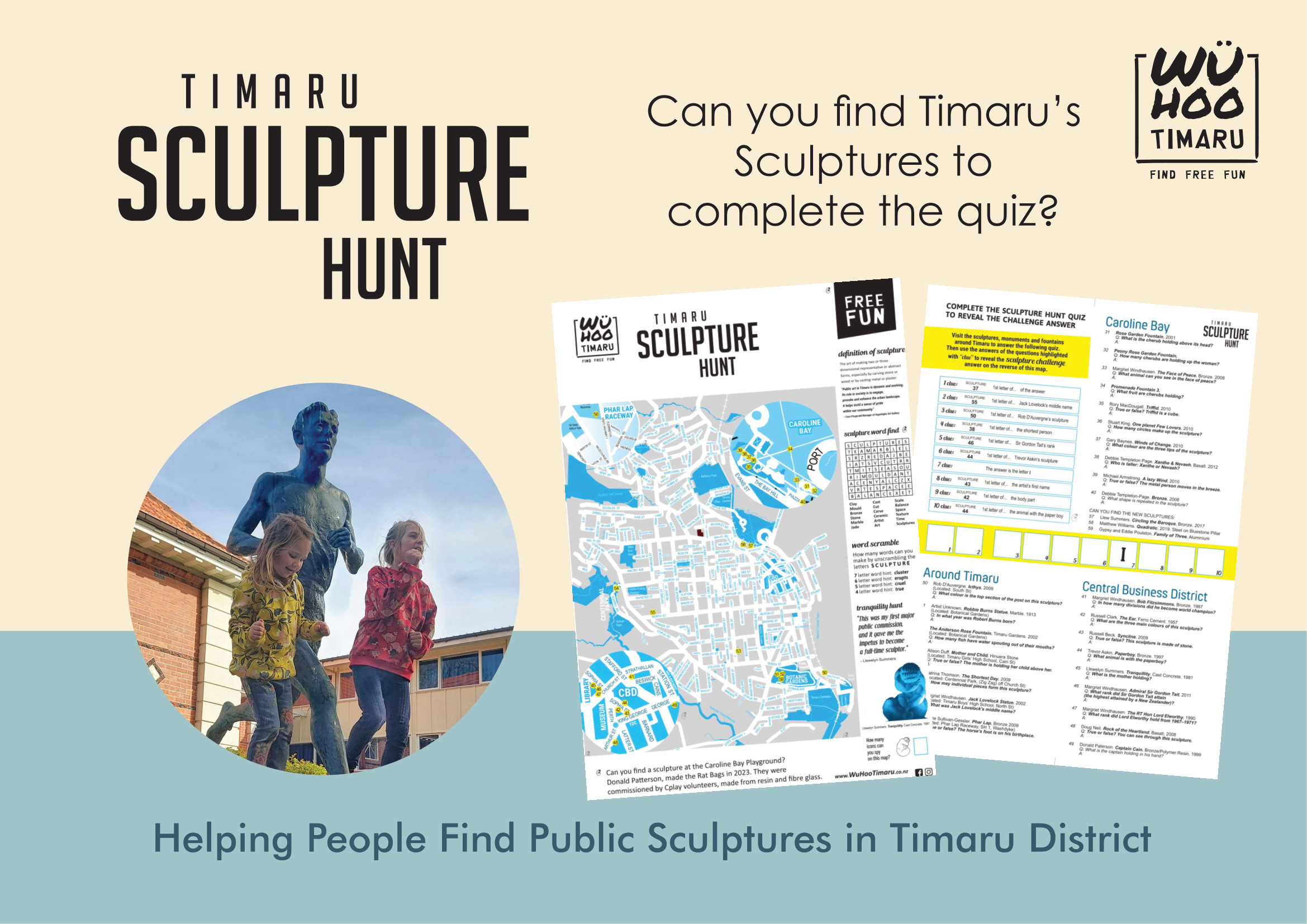
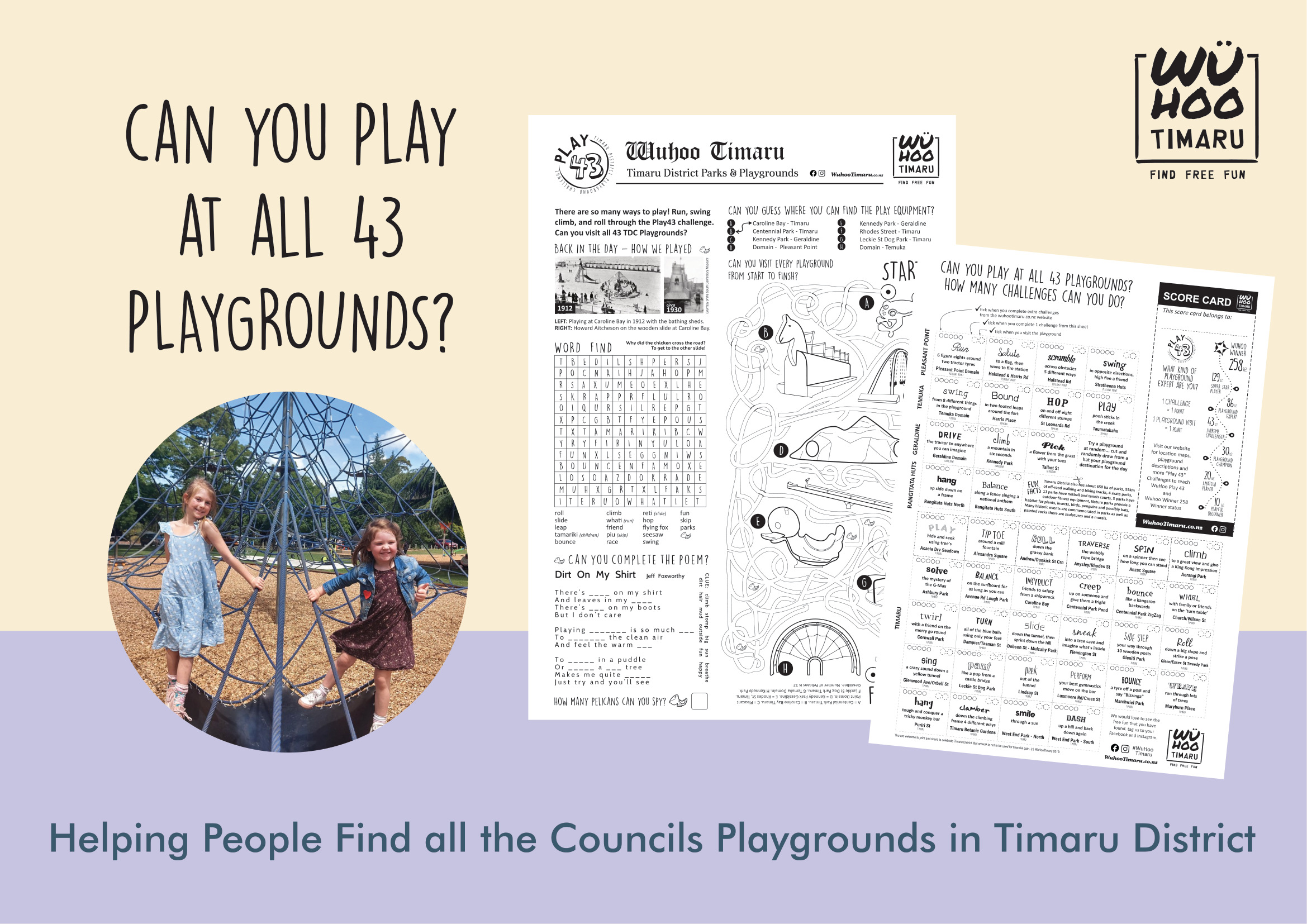
We started growing WuHoo with scavenger hunts, maps, trails, and colouring sheets with local facts so other families could be inspired to find free, meaningful things to do. A sculpture hunt can become a conversation about public art, and raise the awareness of our public art. A walk through the Botanic Gardens can turn into a search for unusual trees and find side quests on the way. A playground challenge might lead a family somewhere to a council park they’ve never explored, even though it’s only a few streets away.
We weren’t setting out to teach history. We were looking for free things to do with our children. But the more we explored, the more questions we had. Why was that building there? Who planted those trees? What used to be on this corner? Our family outings gradually took us into old newspapers, archives and conversations with people who knew far more than I did.
I’m a graphic designer, so drawing, maps and playful challenges were ways I could contribute. And with Over 20 years helping clients market themselves I knew that communication isn't about what you want to tell, it is about what people want to recieve. Sometimes people want a concise explanation handed to them... some might rather have a clue, a piece of paper and the pleasure of working it out for themselves. The trick with WuHoo has been sharing the stories and information in a variety of ways, like a quick live video facebook post, a piece of paper to print off, or a social media post or website blog.
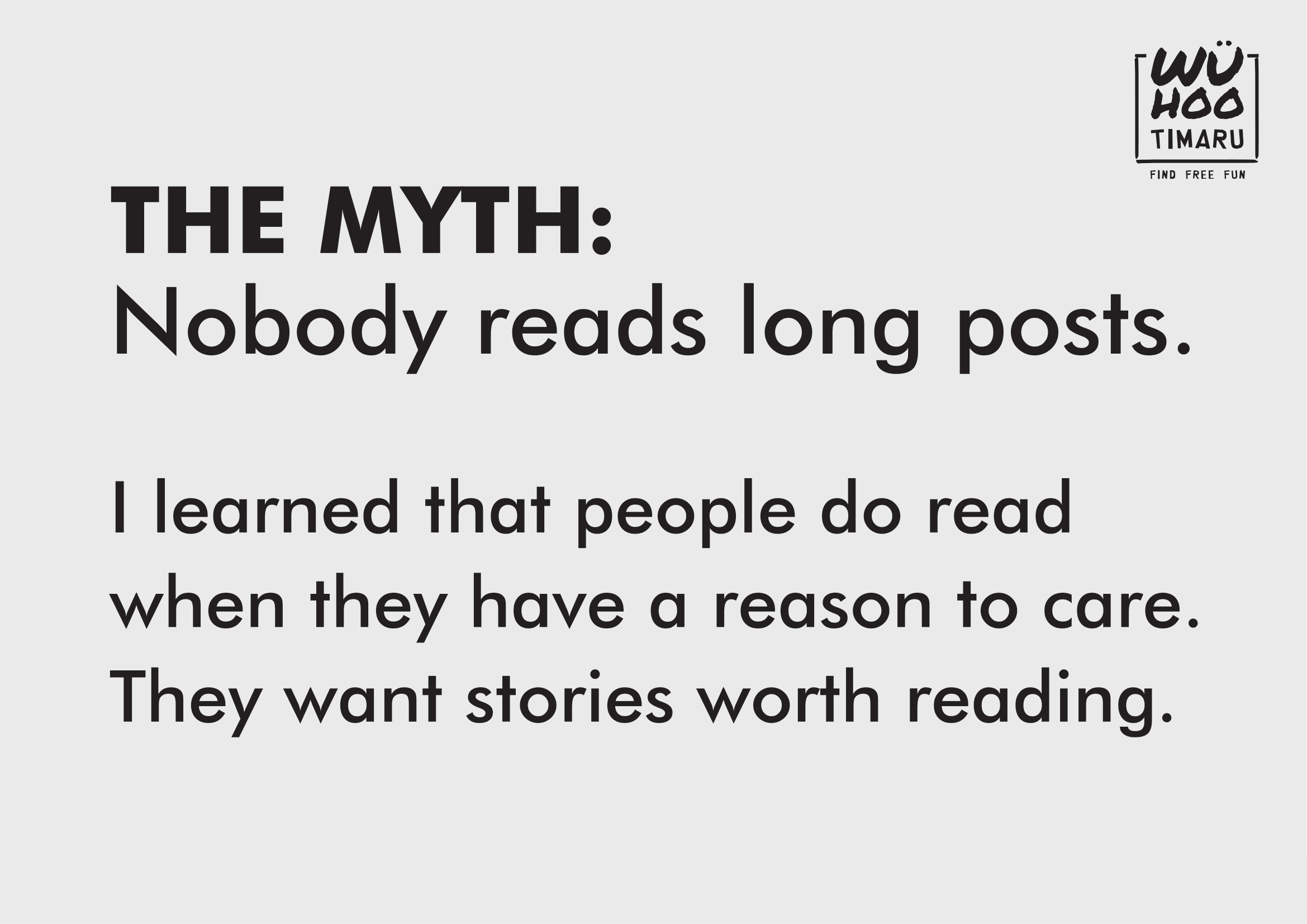
One Myth I would like to share is that I was told to keep it simple, that people dont like to read. Well that hasn't been my experience at all. And the most successful posts on social media have been my long blog posts. The trick is to write the information in a way that it matters to the reader, so they want to read. Work out what is in it for them to take them on the journey.
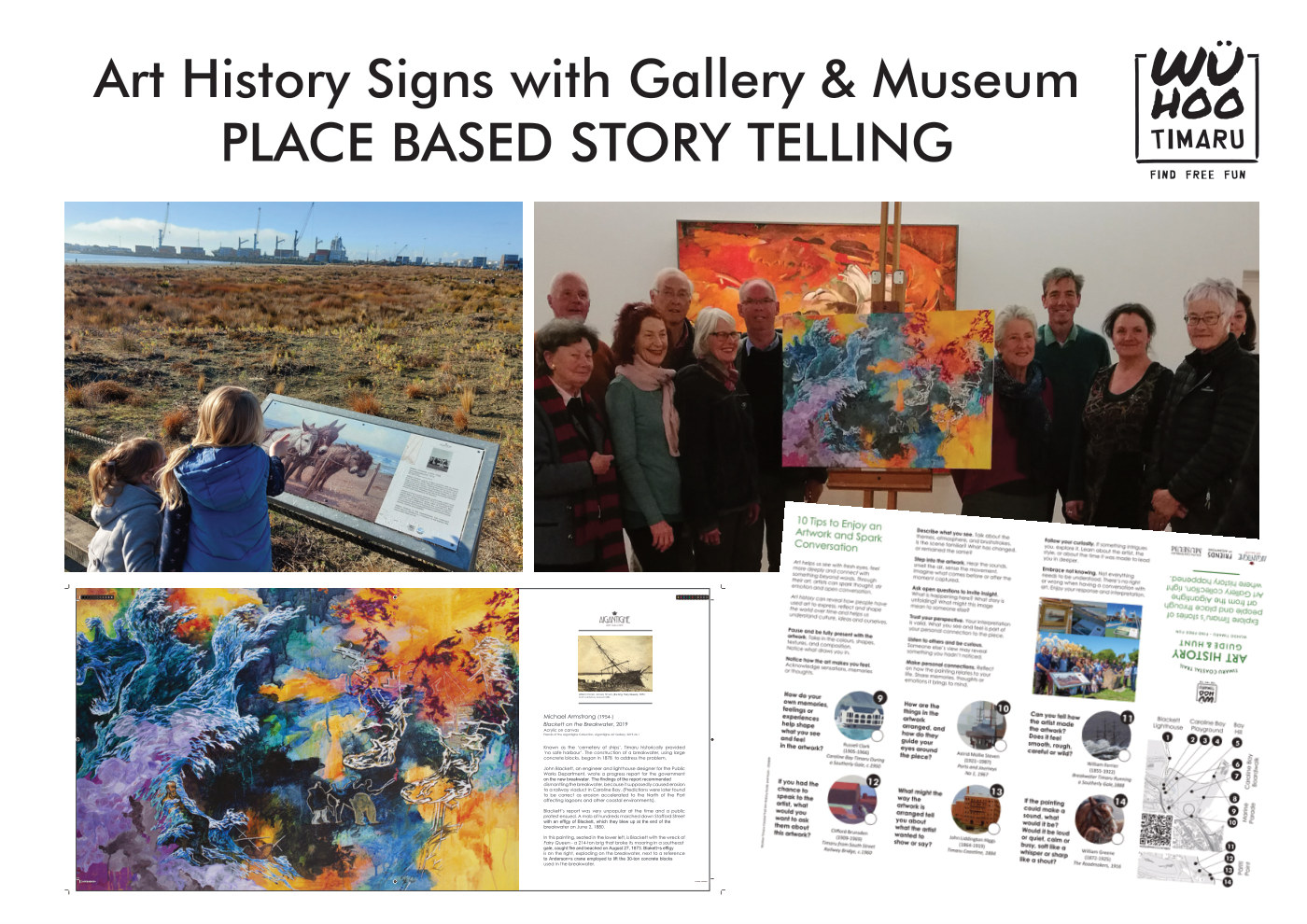
WuHoo scavenger hunts and paper resources encourage people to explore their own district. The Timaru Botanic Gardens scavenger hunt makes an ordinary walk an exploration. Art-history signs developed with the gallery and museum connect artworks with real places. It think it is important to teach our kids how to read a map, and its a great skill that can be learned with an adult.
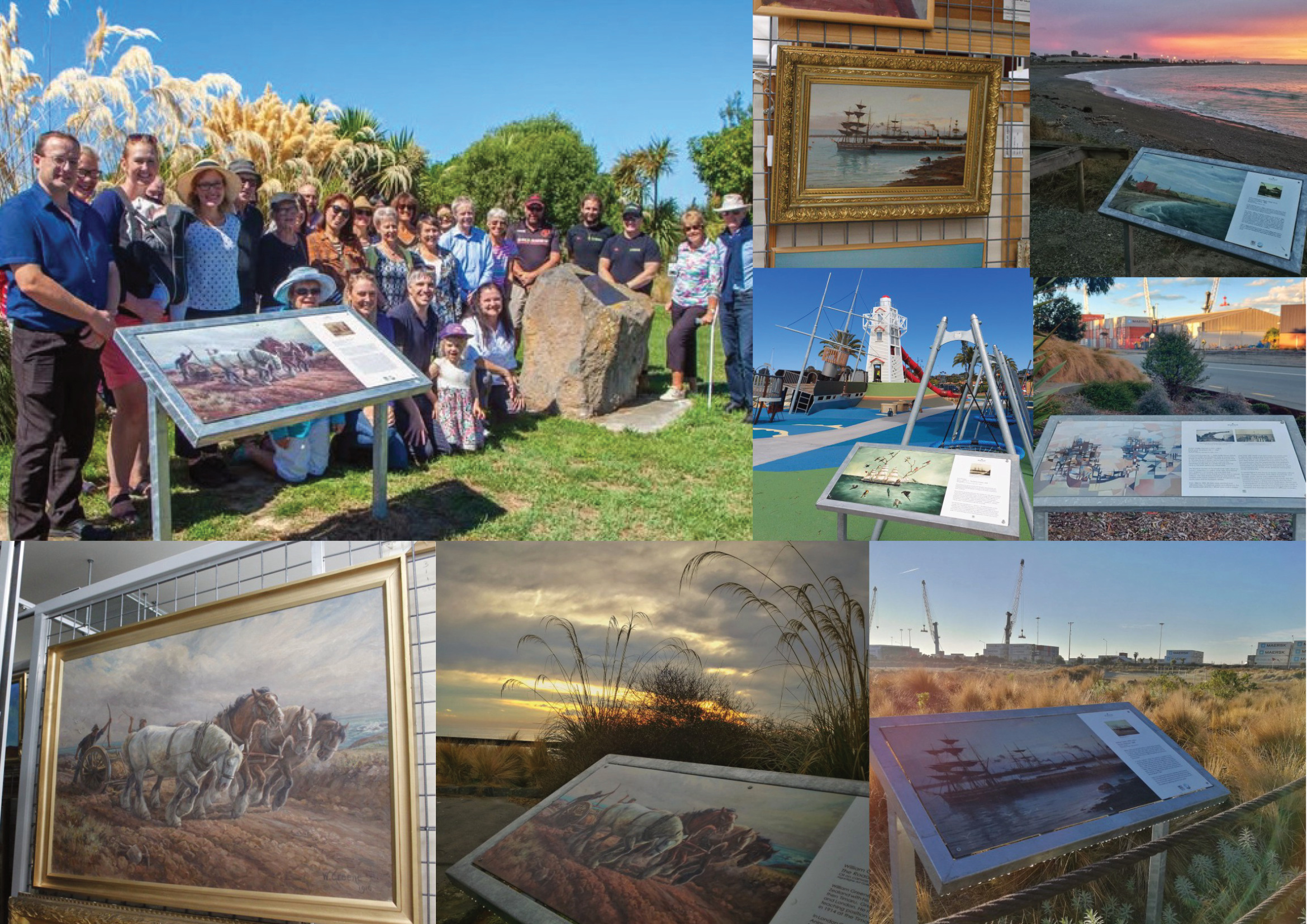
Our scavenger hunts are dense, and that is on purpose. We want to inspire people to visit a place and really look closerly to see what they can find. Some might read everything back to back and complete all the challenges, while others might just do a few challenges and have a skim read. People tell me they like to have them in the glove box and slowely work their way through the challenges over the year.
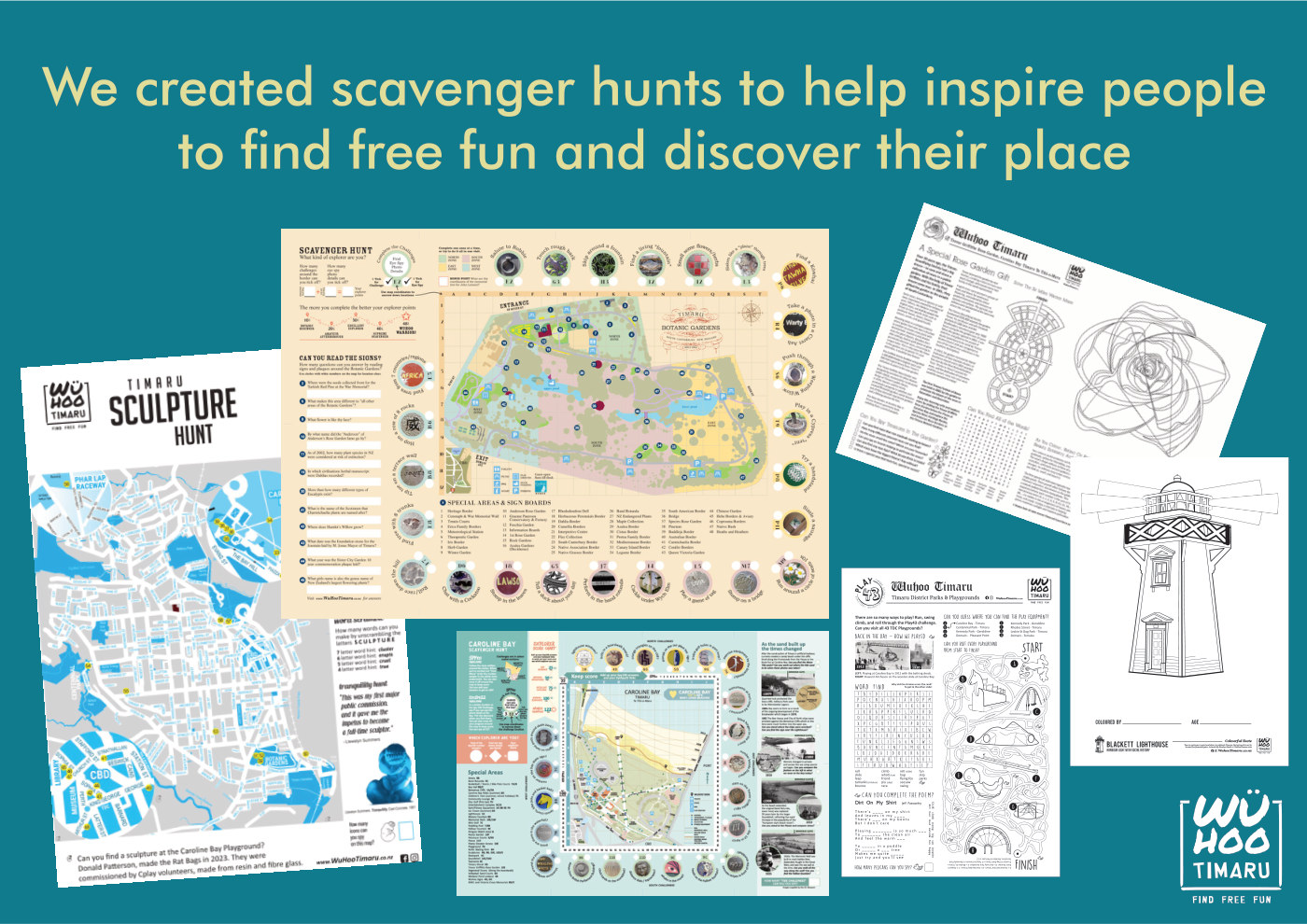


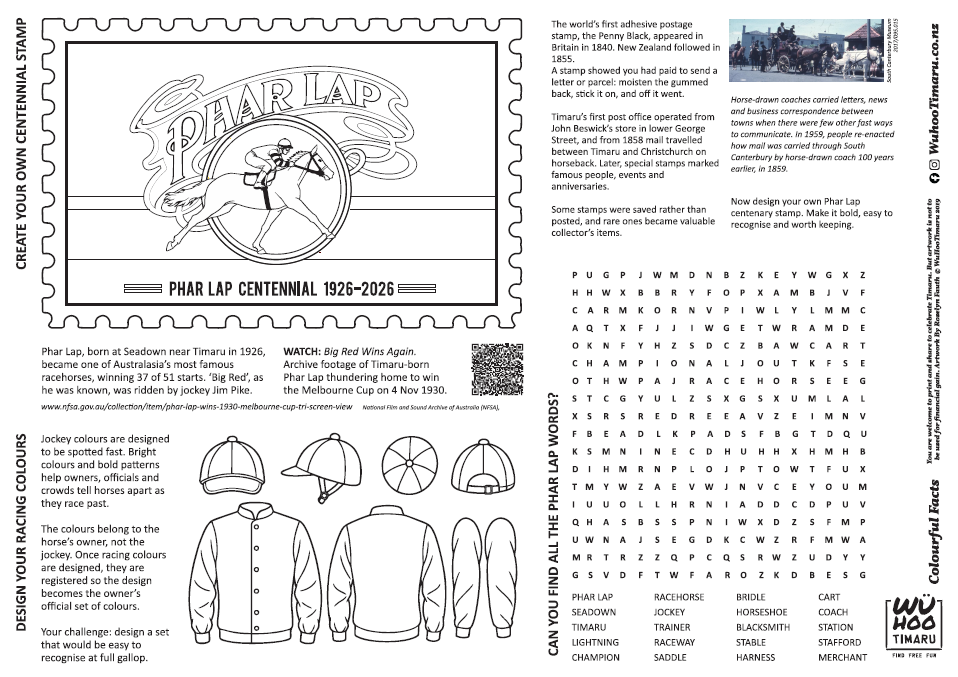
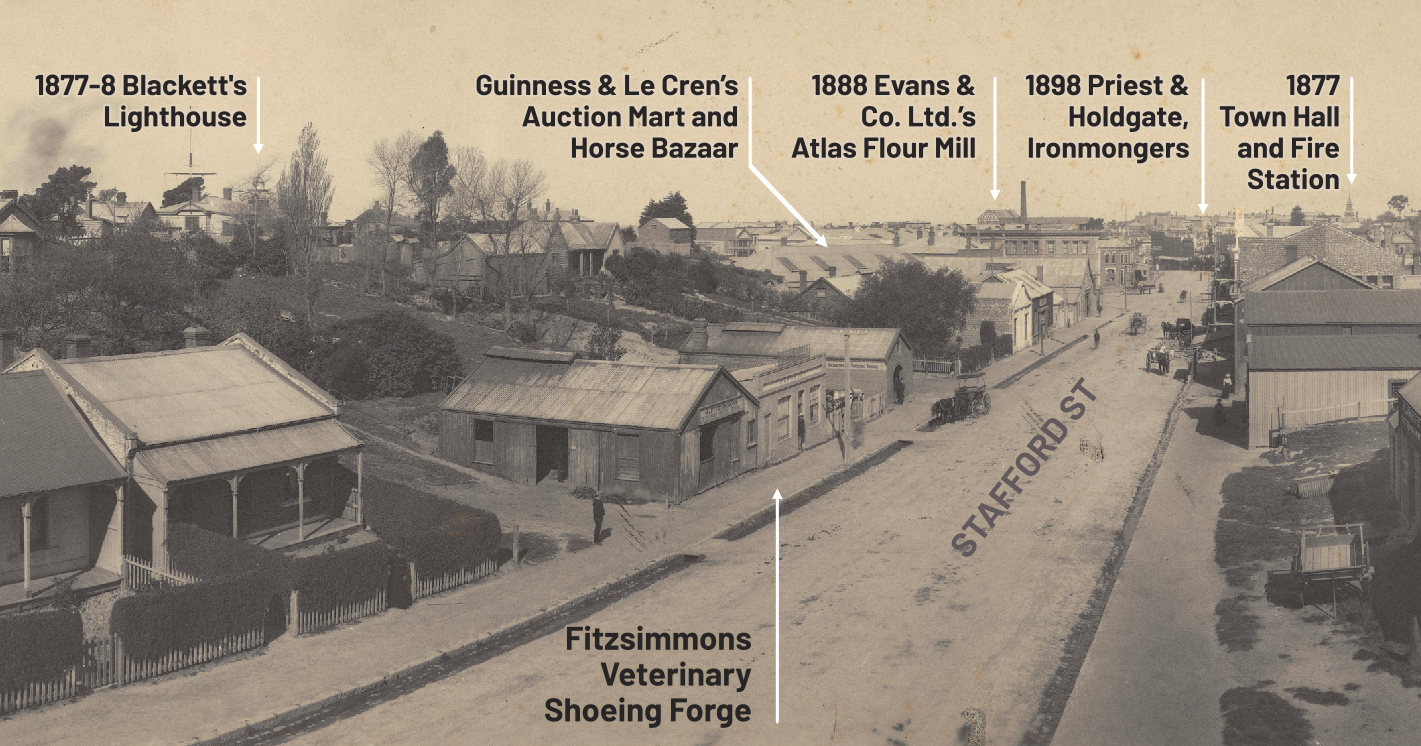
This was an activity sheet developed to share the story of Phar Lap in schools. A scavenger hunt was spread out through CBD retailers to help people connect to the horse history of the CBD to give connect built heritage to Phar Lap and give context on why a horse and his races were so famous.
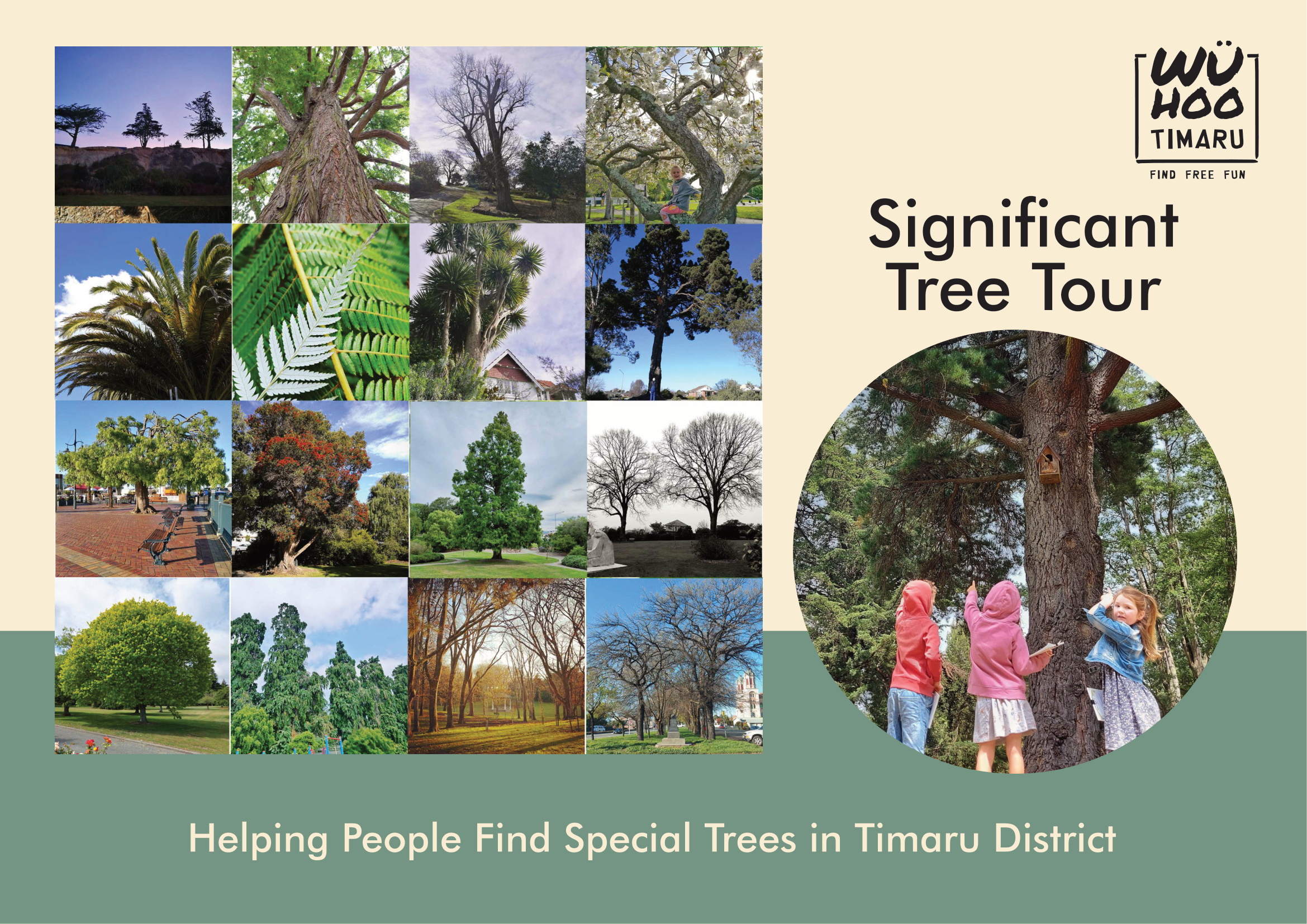
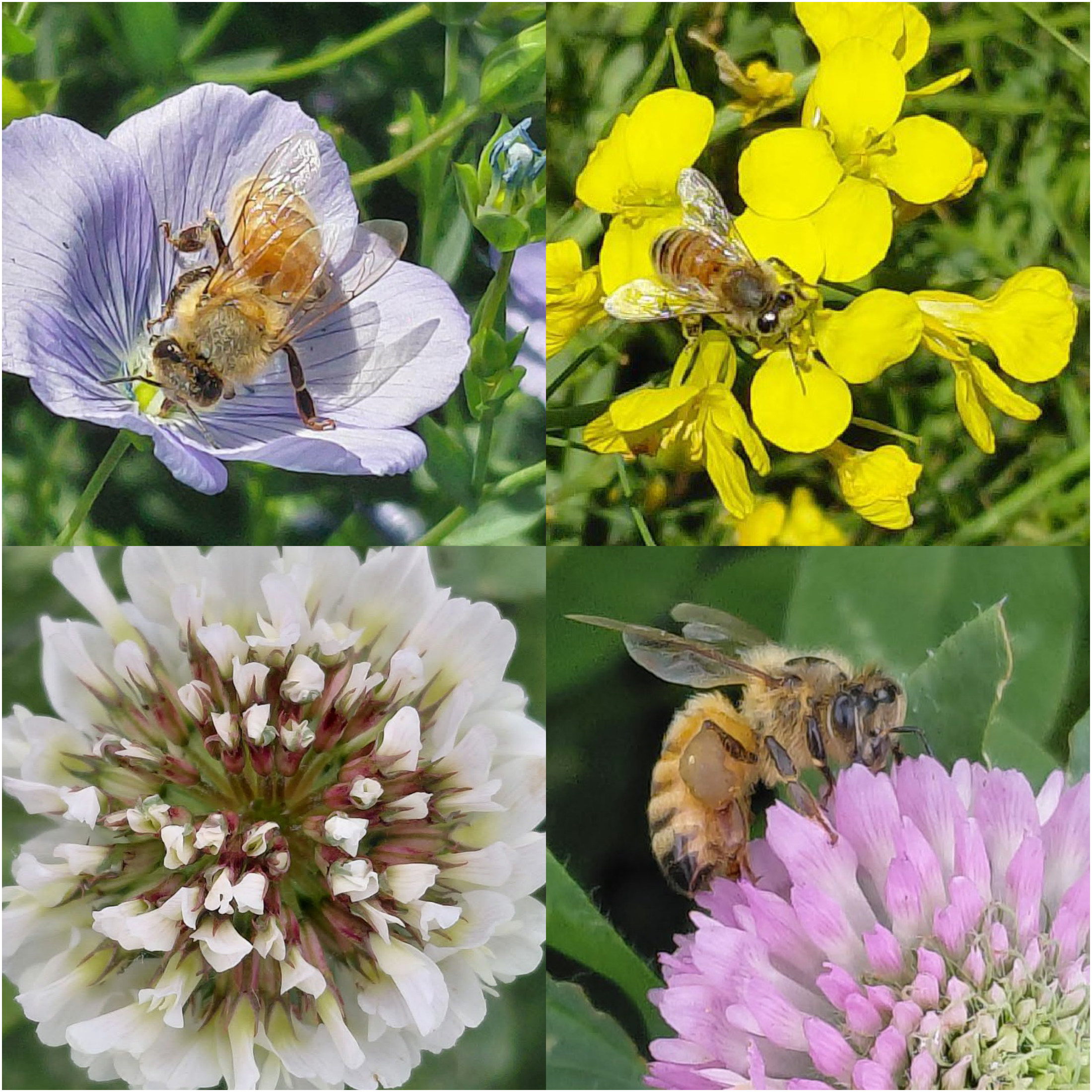
Noticing polinators oin the back yard...
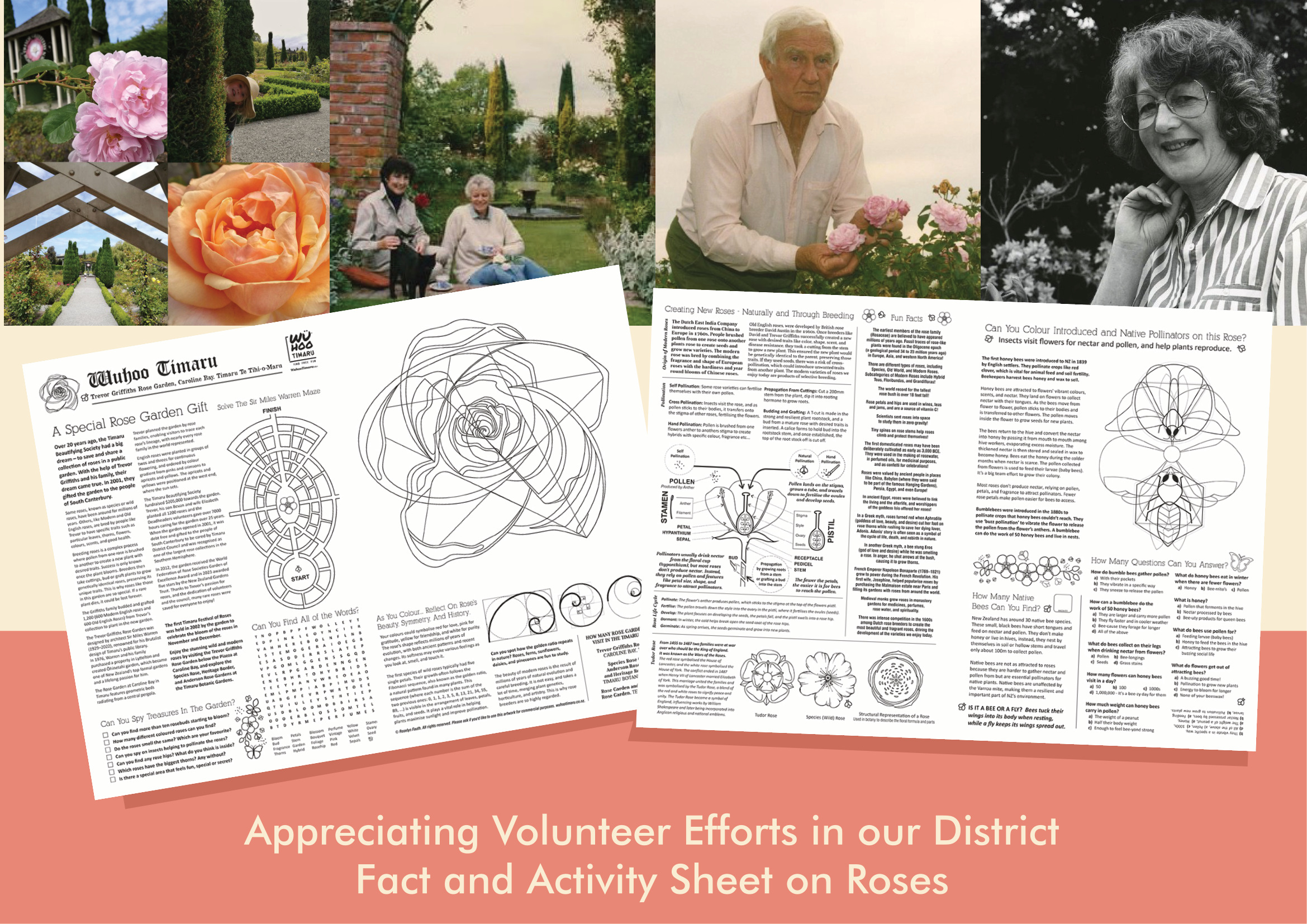

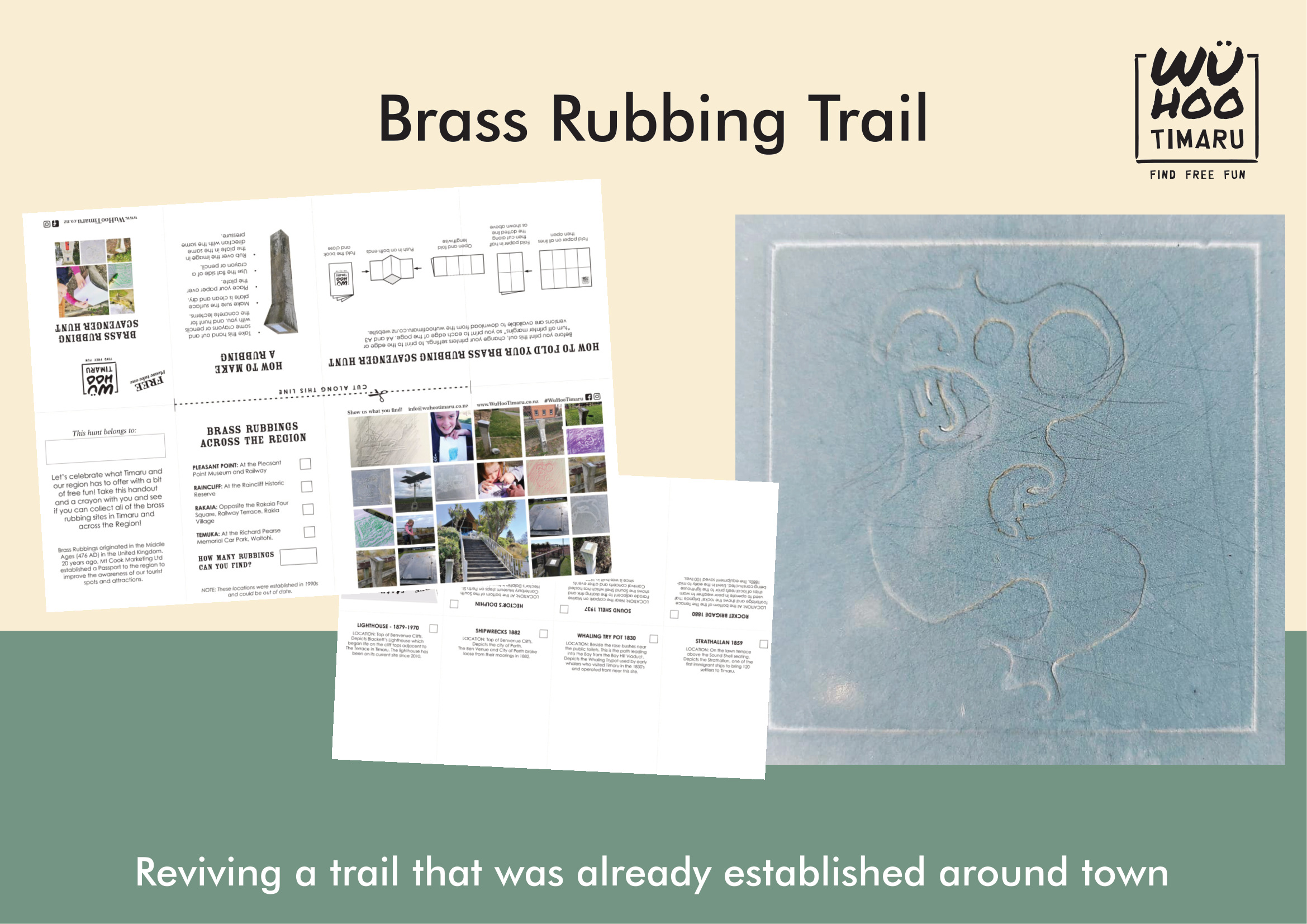

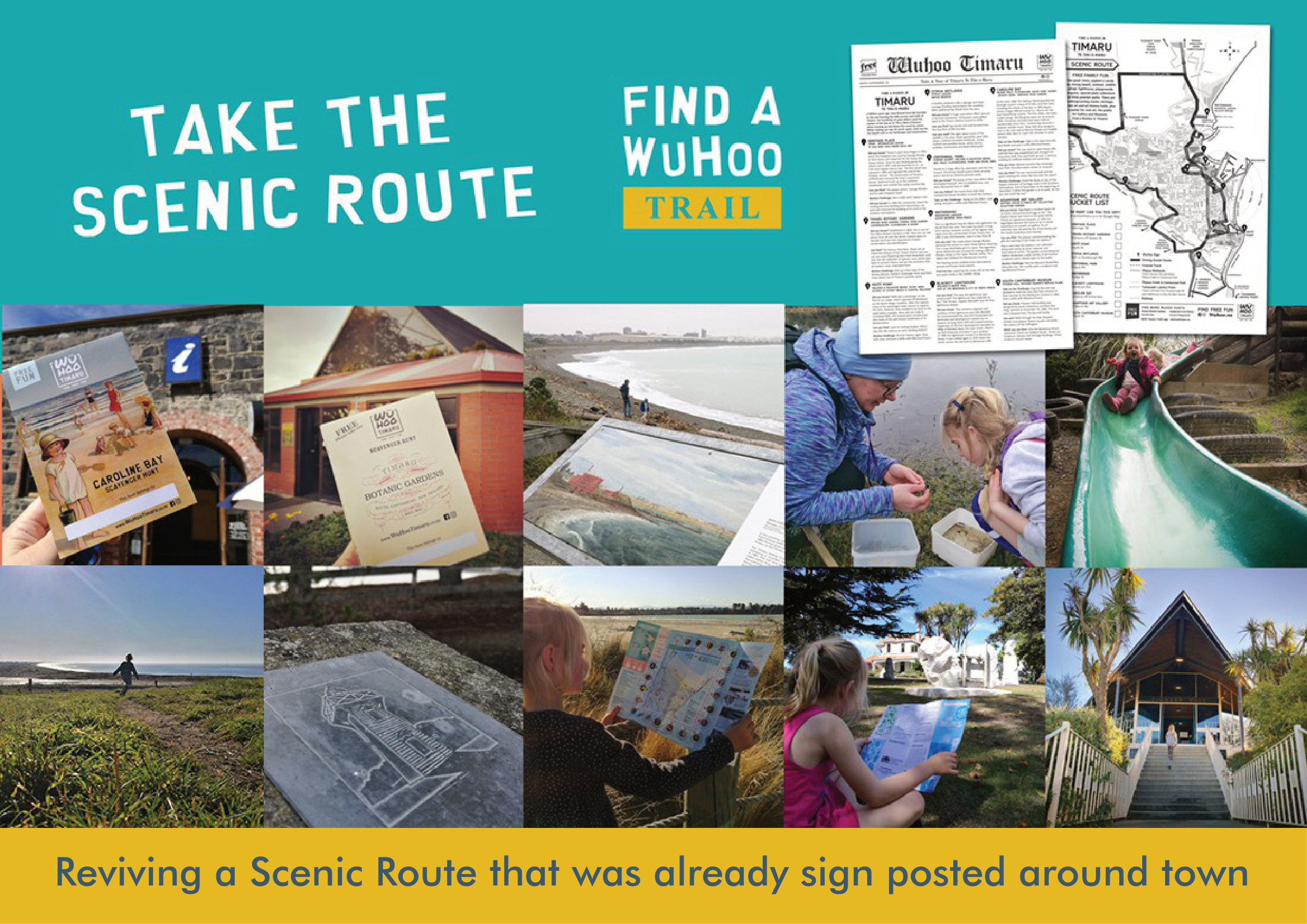
There are lots of trails and hunts that have been created and much of the signage etc is still in place, its just that for some reason it wasn't being promoted or marketed, so the Brass Rubbing Trail and the Scenic Drive are examples of where we revived what others have done to help people be aware they exist and how to find them.
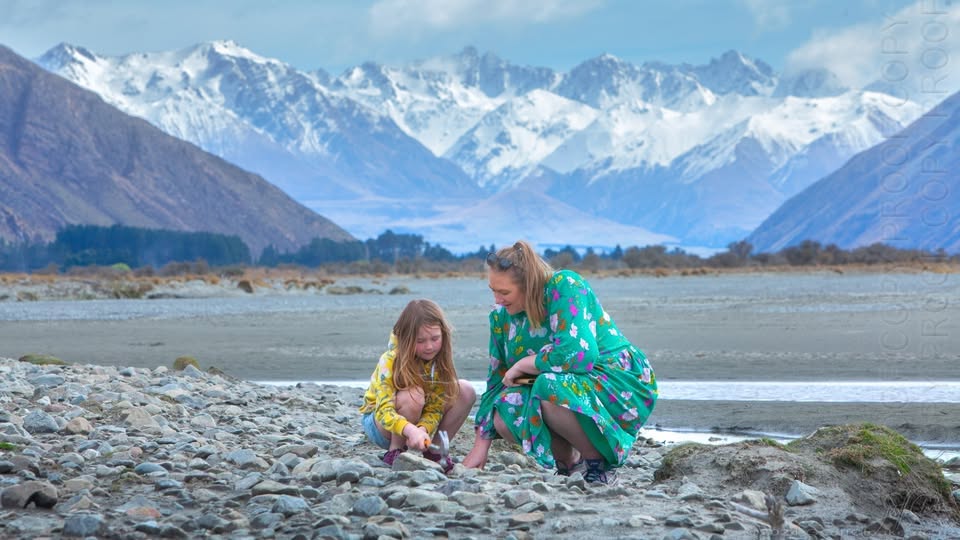
And sometimes its just a matter of reminding people to go looking for fun in their neighbourhood, town or wider region. Annabelle and I smash rocks with a hammer trying to find treasures in the upper Rangitata. Photo by my dad Geoff Cloake.
Facebook started conversations. The website gave the stories a home.
We shared photographs, quick videos, activities and eventually longer historical stories on Facebook. After 10 years of posting we had built up quite a resource. When a friend lost her Facebook overnight, I realised all that work could be lost. So I started to go back through the posts and create blogs on the website. I wrote the blogs with the brief in mind that when a story catches someone’s attention, especially when it involves a familiar street, building or family name, people will stop and read. Suddenly it isn’t some distant event in a history book. It’s the corner they walk past on the way to work. They also comment, ask questions, share family memories and, sometimes, correct me. That last bit is valuable. I make sure I have a clear list of sources so others can join the history hunt and so I can acknowledge the work that others have done to help me learn and write these blogs.
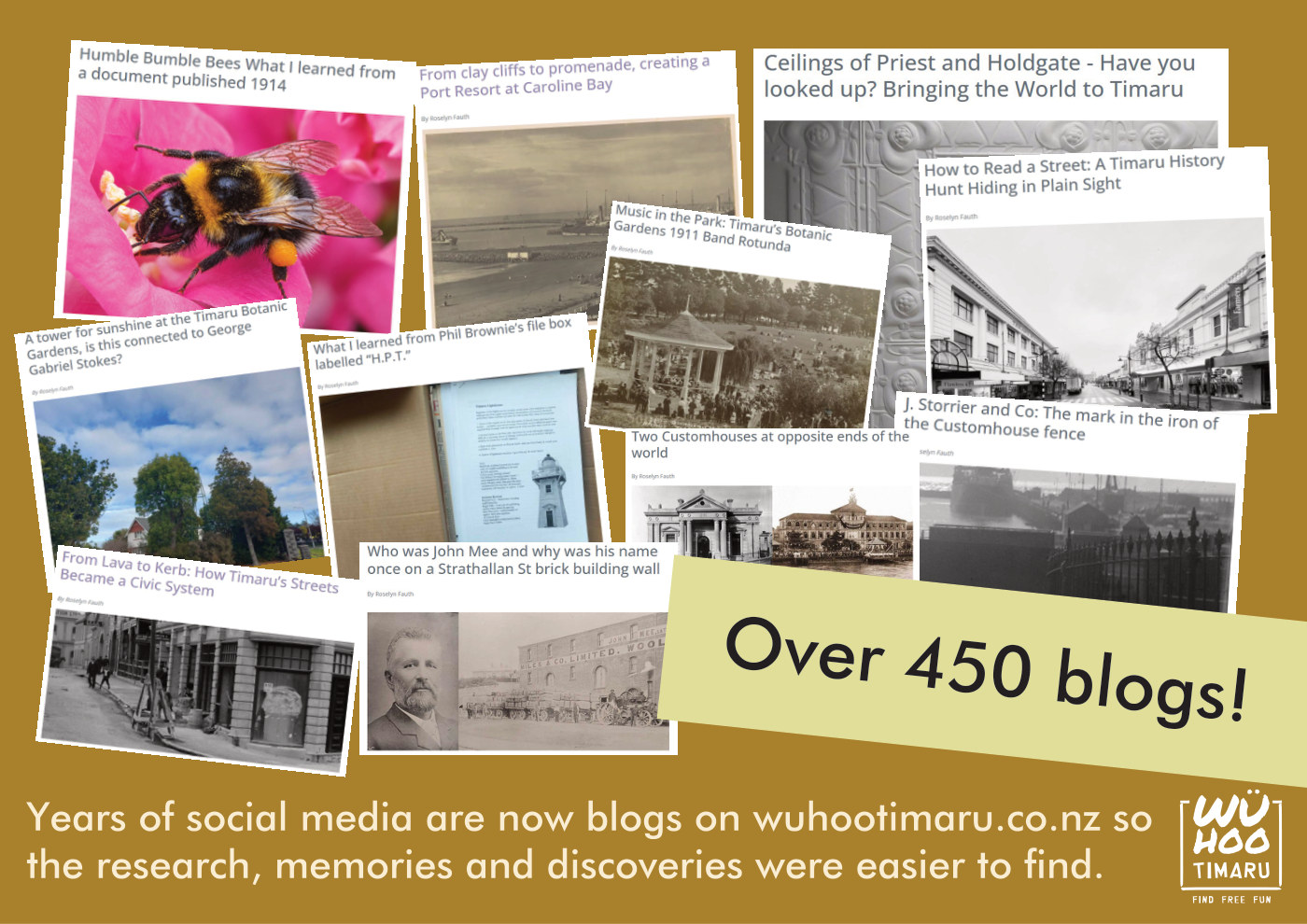
Facebook posts are easily buried, and Facebook is starting to drop off older posts, videos and photos, so the blogs can be easier to find and save the story. More than 450 WuHoo blogs now provide a home for local research, memories and discoveries.

Some of the social media posts we have shared was how to be contributors to our community and not just consumers. I think people have enjoyed finding inspiration to care for our place as well as conntecting to the story of it. This is from a post raising the awareness of the voluntary effort going into to reforest special places, like the Opihi Rock Art site.
Visits like this also help us share information from the experts. We are mindful of whose stories we tell. I usually run blogs about culturally important and senstive sites past mana whenua or experts like the Nga Tahu rock Art Center to ensure I am sharing something that is correct and helpful. Most of the time I stick to what I can cite.

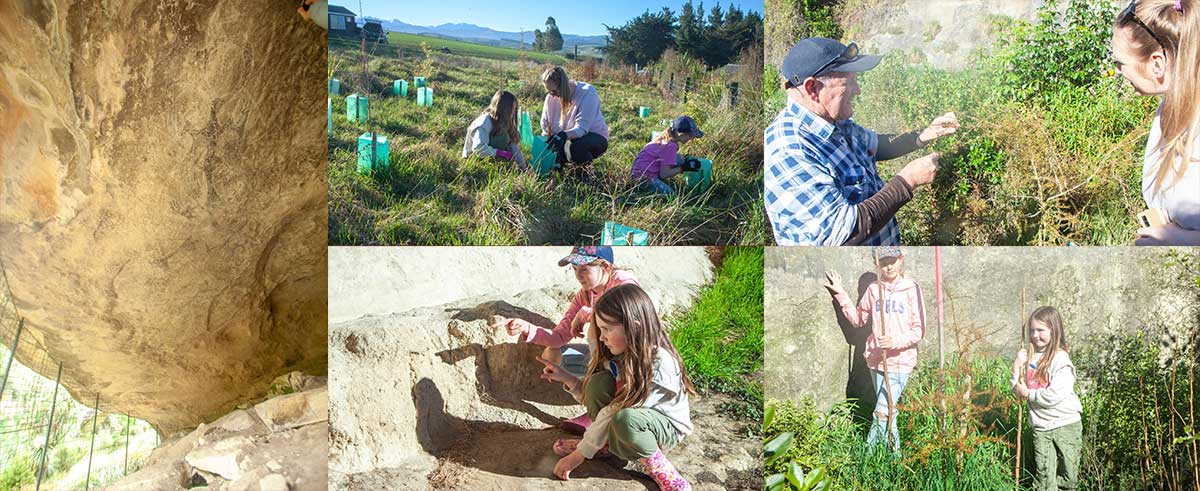
Sometimes I am asked to share the story a while later and having the citations help me go back and check information before I share it. The Alexandra Lifeboat display signage was done with my father. We boiled down years of research into large interactive signs.

The questions got bigger
Curiosity led me into old newspapers, archives, buildings and cemeteries.
I started visiting the cemetery during the Covid lockdowns. I would find interesting graves and then go home and learn about the people who rested there. I have to be honest, I didn't like cemeterys then, I thought they were scary. But as the cemetery was close to our home, I wanted our kids to understand what the area was, and to be comfortable going there. This one particular day, I noticed a tall white oblisk and on closer inspection I realised it wasn't a grave but a monument. I thought, well if this guy has a headstone and a monument then he must have a good story, so I went home to learn about Richard Turnbull. Who was he? Why such an impressive memorial? What did the inscription tell us, and what did it leave out?
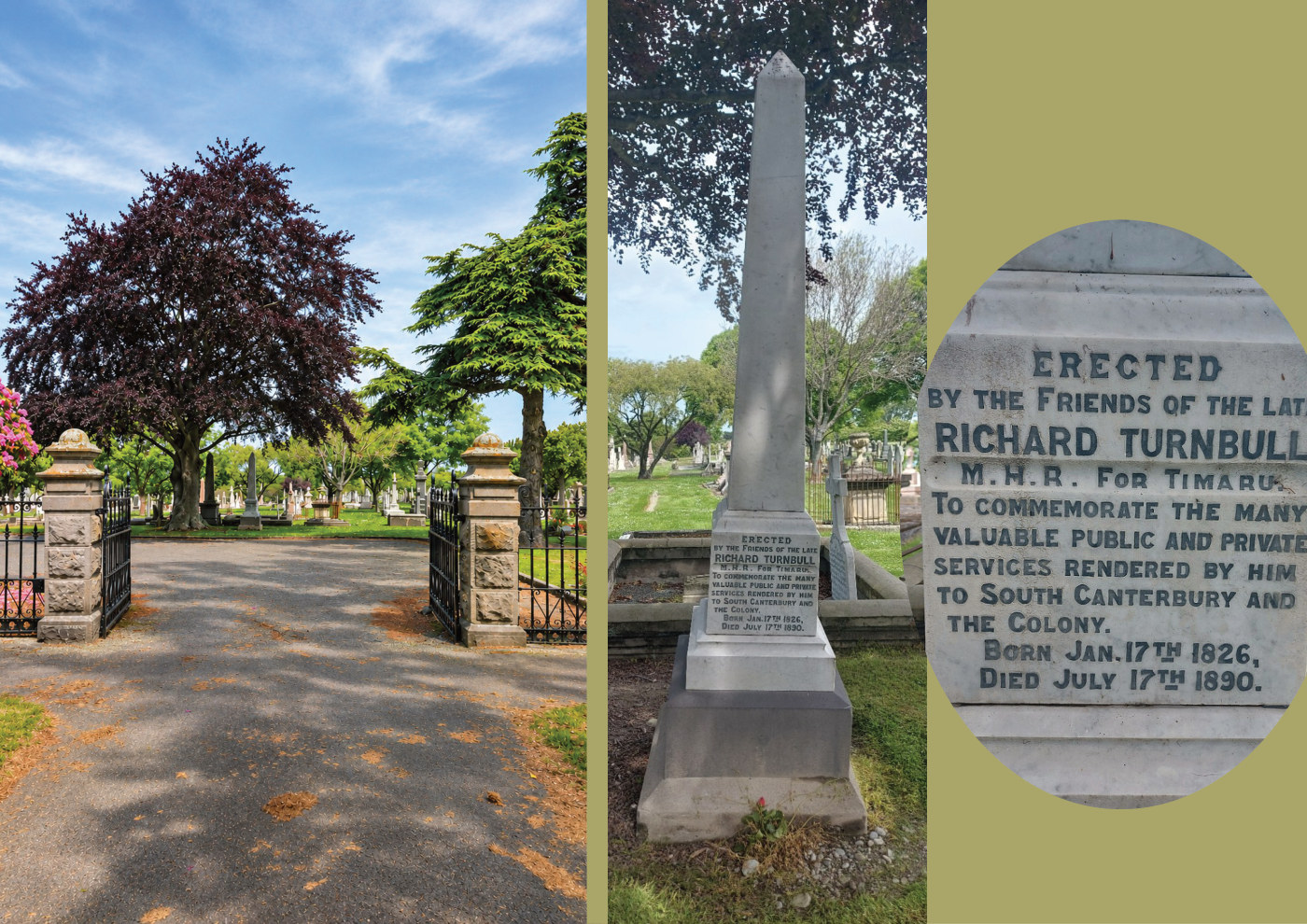
Researching one person often leads to a dozen others. It also changes the questions you ask. Who gets a monument? Who appears in the newspaper? Whose name survives on a building? And whose story has slipped into the margins?
Richard Turnbull’s memorial at Timaru Cemetery prompted questions about the people and stories behind the stone. Turns out his story was pretty epic, and I have now ended up learning so much about the family, the business and the associated built heritage that I have been invited to share what I learned as a guest speaker! This is an example of how you don't have to be from an institutional background to be a community historian, and with the D.C. Turnbull staff and families support they shared what they knew so I could help them tell their story. There have been books and thesis written about the Turnbulls, but hearind the stories was the key. And with their authorty gifted to me to share their story, I felt confident I could do it carefully, correctly and respectfully.
When sharing someones story, remember that responsibility.
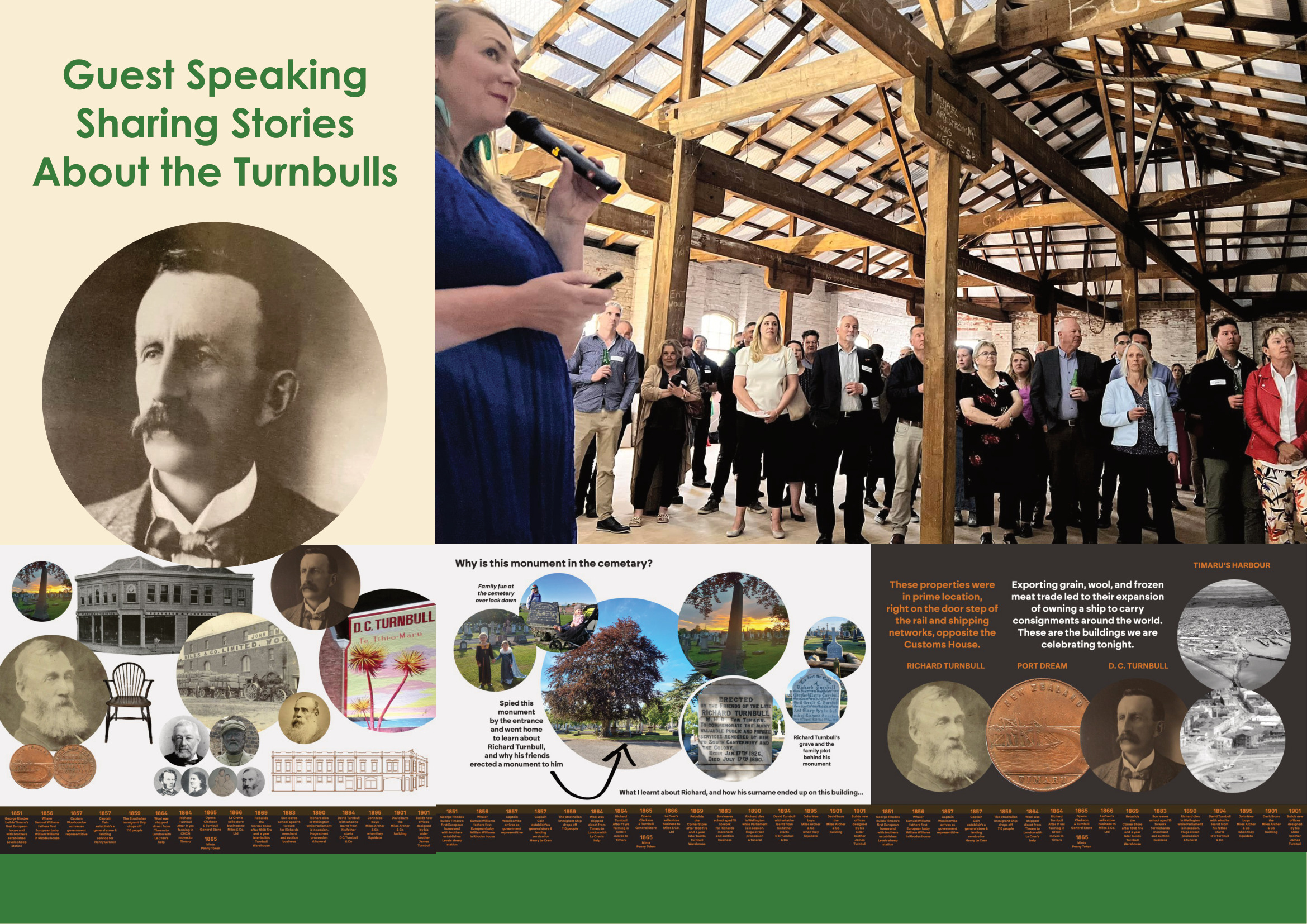

Guests outside the Oxford Building celebrate its 100th birthday - Photo Geoff Cloake
Who is missing?
A history hunt about Timaru’s early whaling days took me towards Ann Williams and her family. I had almost finished a scavenger hunt about our whaling past, and when I was critiquing what I had produced I realised I hadn't included any women. I thought an easy win would be to find the name of a whalers wife on a grave. So I went to the cemetery to find Ann. When only Yankie Sam was there, I began looking for her resting place, and the search grew into a much larger investigation.
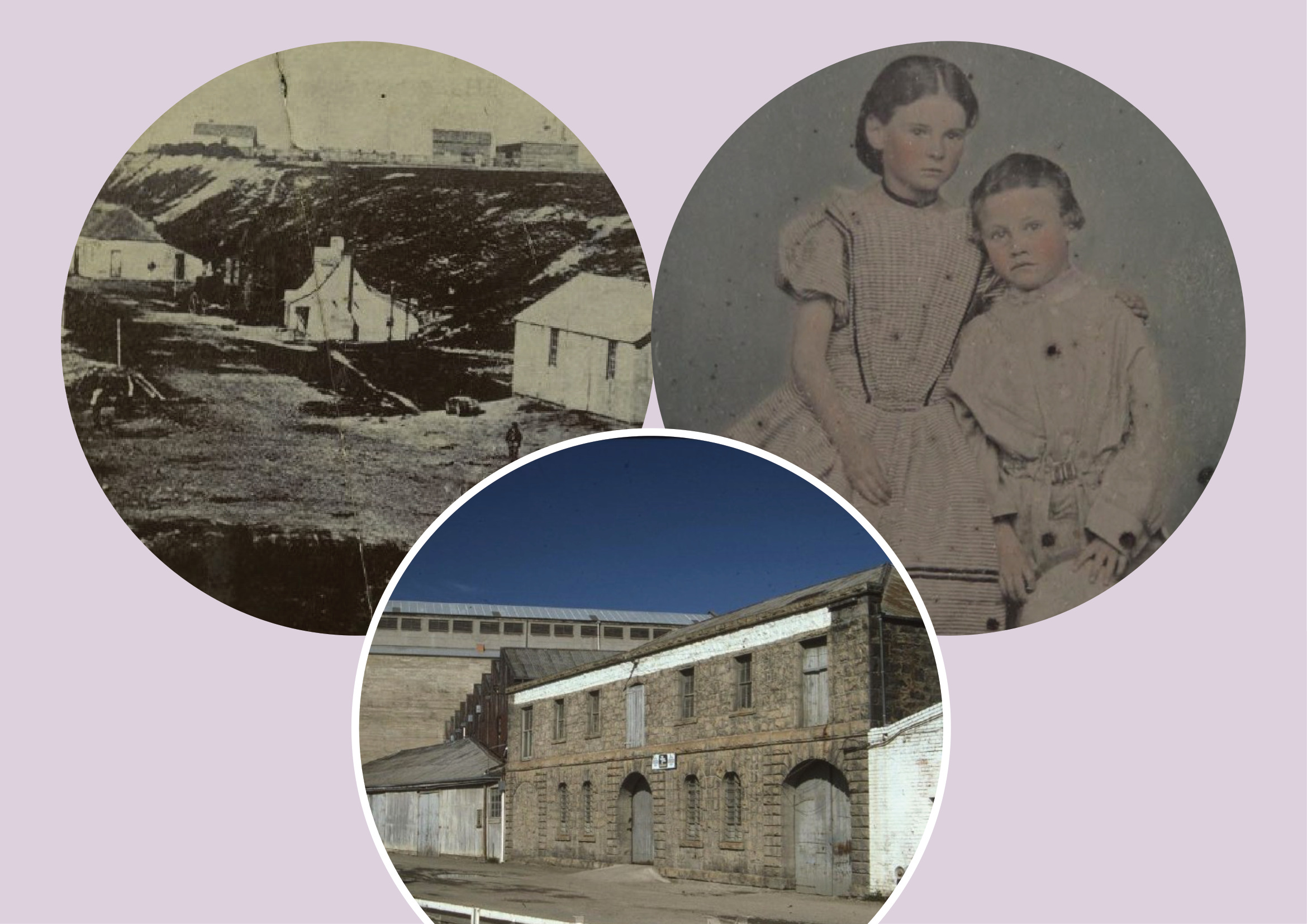
Yankie Sam was living in Timaru as a whaler for the Weller Brother in the last 1830s, we went to Akaroa and met the Rhodes brothers and inspired them to establish a sheep station in Timaru. Sam helped them establish then popped to Ballarat in australia to find gold. I don't know if he was successful, but he did find a wife. Ann and Sam had a daughter Rebecca and then moved back to Timaru in 1864.
In a simple cottage on the beach where the Timaru Landing service building is now, Ann gave birth to William Williams. He is the first recorded european baby born in Timaru. There was no one living in the area at the time, and his cradle was a gin case. In 1860 they built a new hotel, half way through the construction a storm blew it to bits. They collected the timber and iron straun over the beach and rebuilt. In October that year, Ann stood in the door, collapsed and died. She was 35, and left behind a 6 and 4 year old to be raised by their whaler now publican father Yankie Sam.
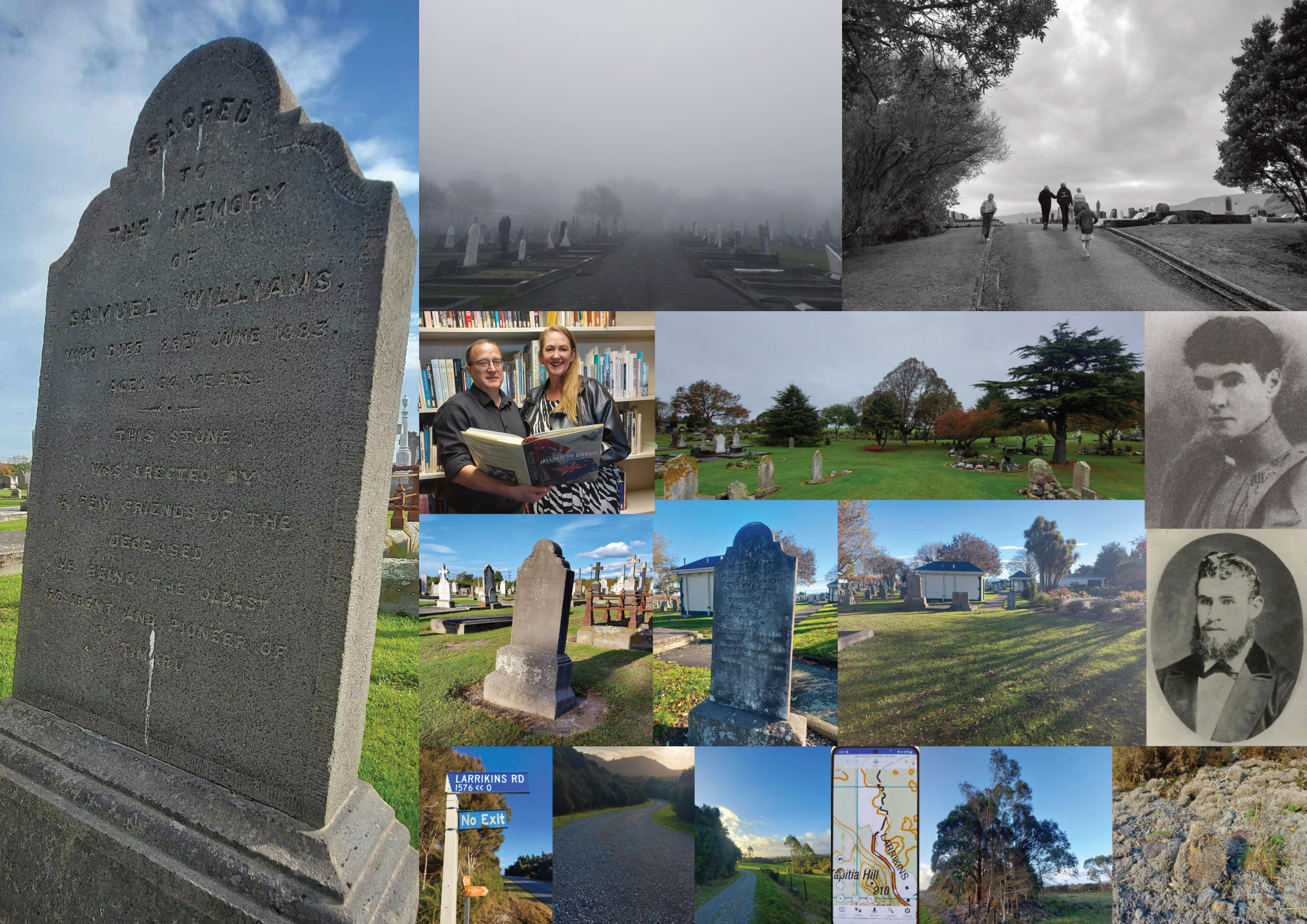
Two men had died a month earlier and their burials were recorded in the Timaru Cemetery. So beside their plots is where I started to look. but Ann was not there, and so the hunt grew. No one has written up the history of our local cemeteries and so I had to go on a deep dive to work things out. Lots of people joined in the hunt and showed me how to research records, newspaper reports, and connect to descendants with family knowledge.
Like with the Turnbulls the hunt was much better when I did it with the family. Together we pieced a lot more together, including a shocking discover that Ann had an earlier husband and kids in Australia. this shocking revelation reminded me not to mistake the first account, and that while I had looked everywhere I could think of, I had not found her whole story. Not every question has a tidy answer, and some were uncomfortable and unkind.
That is one of the most useful things I’ve learned. History isn’t a finished script. Sources can disagree. Families may know things an official record doesn’t say. We need to check what we can, be clear about what we don’t know and keep asking whose voice is missing.
A cemetery can show us who has been commemorated, and prompt questions about those without a marker.
With the blessing of the family we created a monument at the foot of Sam's grave to remember Ann, whereever she may rest. It was unveiled on the Anniversary of her death 165 years earlier.
Standing at the Timaru Landing Service Building today, I realise that the building helps me link to Ann and Sam's story. It is such a shame we have lost their cottage, but a plaque remains on the building, recognising the first house in Timaru built by George Rhodes.
Sometimes curiosity leads to action
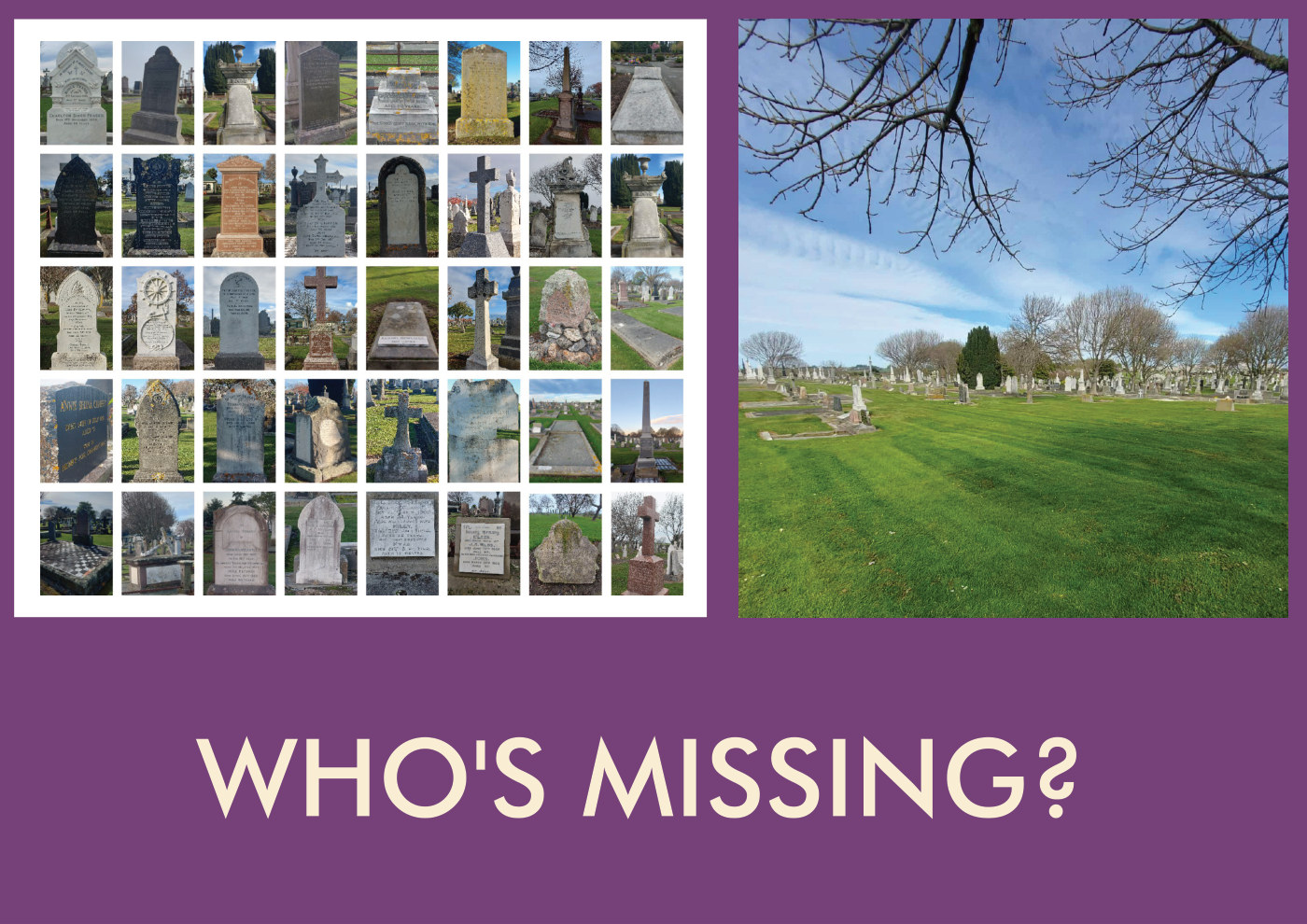
While on the hunt for Ann, I learned a important lesson. I had been drawn to the big and interesting headstones looking for stories. But I learned there were stories in the gaps of the cemetery rows as well. I learned about a huge area of lawn where 713 people rest in pauper graves. I also learnt that the term "pauper" could really upset people. So I wanted to learn why. If you die and there is no one to pay for your grave, the government will step in to take care of your body. This is not for a spiritual reason but in the interests of public health. The sad fact is, that even today, if someone receives a pauper burial then no one has the right to raise a headstone. You are legally not even allowed to care for the grave or leave flowers. As you can imagine this has caused deep pain.
I wanted to understand more so I reached out to local mason Les Jones who explained to me where the graves were and that the areas were referred to as free ground. You can look these people up in the Timaru District Councils website under Row 0. So I did that and tried to learn about who some of the people were, and I shared what I could find in blog section called Row 0. Some of those who rest there died during waves of viruses, some died from being murdered, some were left penniless when their husbands gave all their wealth to the church, and some were just passing through when they died and it was too hard at those times to find them. A family had heard about what I was doing and asked me to find out about their family. They thought they had been banished to the area because they had committed suicide, however I found that they had accidentally taken too much medicine due to a pharmacist error on the bottle label. I realised the impact an unmarked grave could have, and that by making their stories more visible it could raise awareness, bring them dignity, and show a wider range of social history that not everyone's lives resulted in grand monuments, and that their stories mattered too.
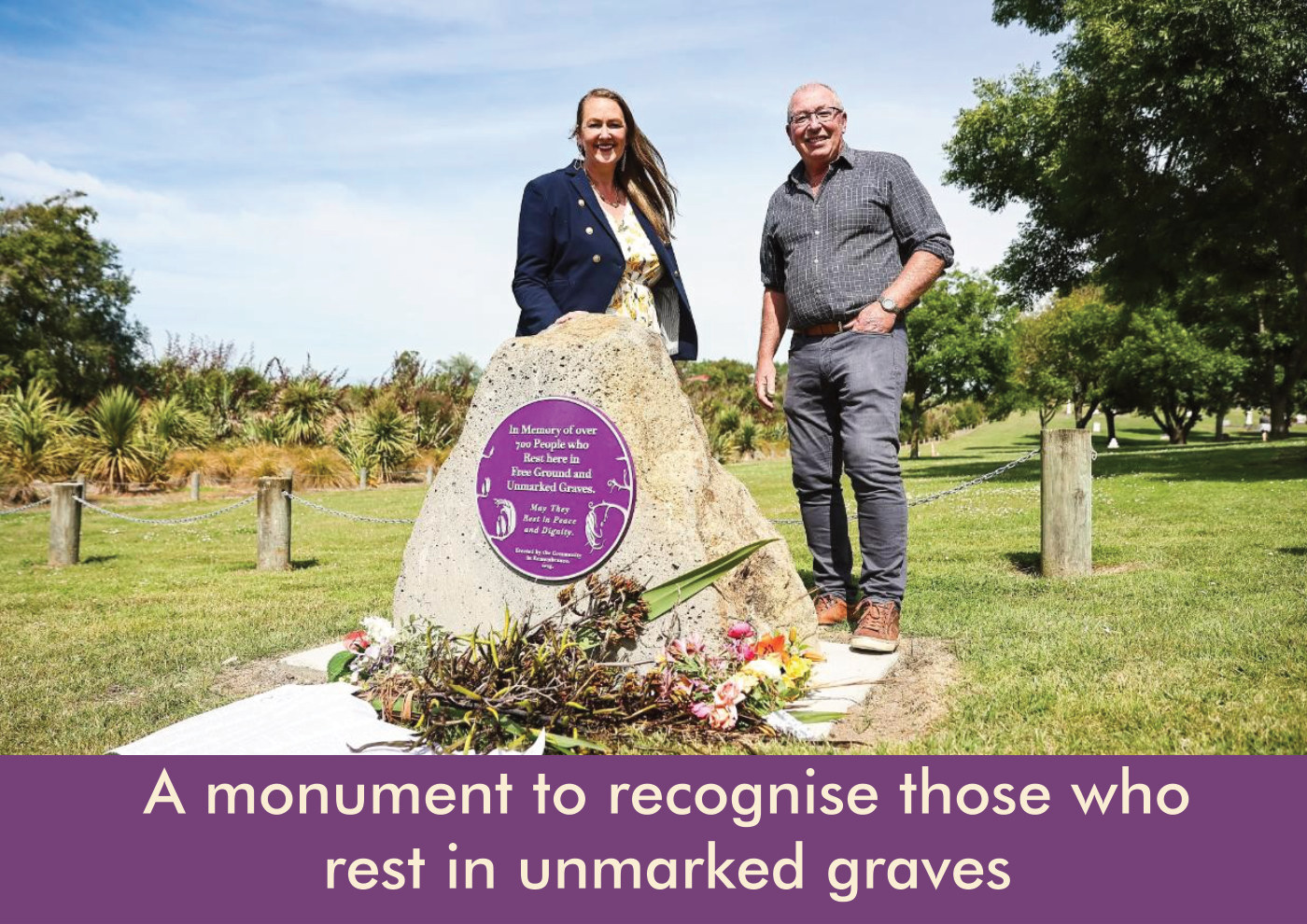
With the support of the Timaru Civic Trust, Les Jones and community donations, In 2025, I organised a community memorial to acknowledge those who rest in free ground and unmarked graves. I designed a harakeke flower at the left in bloom, and on the right its end turning to seed for the next generation. The plaque remembers more than 700 people. It was a practical, collective way of saying that those lives mattered, even where individual headstones are absent.
Not every question needs to become a project, of course. But sometimes learning about a place gives us a reason to do something for it.
I thought I was on a whaling hunt, then a hunt for Ann. A bit of free fun learning to research and create a WuHoo resource. What I actually found, was myself. I realised the scary feeling I had felt about cemeteries wasn't the place, but my own feelings around death. It made me stop, listen, reflect and think more critically. And I think in learning about the past, it helped me understand who I am, and what I want for my future. We now visit the cemetery frequently and I host history tours.
Sometimes the free fun is in the side the quest...
Look up. Look down. Look again.
After learning about all these people in the cemetery I realised their stories could be connected to our built heritage. And so linking the two became another rabbit hole.
I remember being about 9 visiting Oamaru with my dad to see these white stone buildings, idle as monuments to the past. I remember the conversations on the way home that dad had with other Timaru Civic Trust members, and how it was pretty exciting opportunity but a huge amount of work. My parents have always taught myself and my siblings to look up and down and to notice things. And what might be an interesting facade to some, was an interesting story for me.
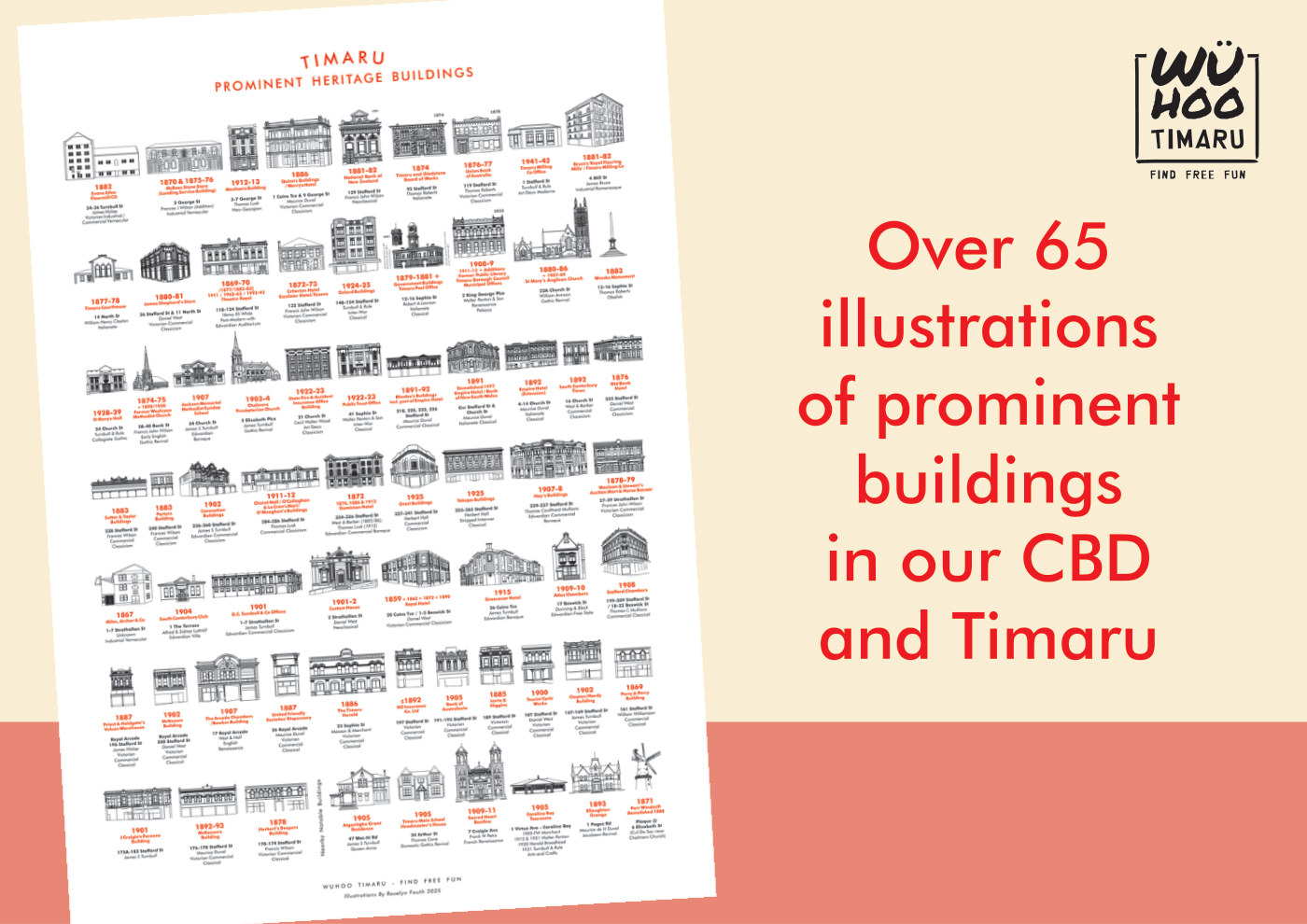
I wanted to create a scavenger hunt to help people appreciate our built heritage in Timaru. But when I realised the cost of buying the copyrights to photos I decided I could draw icons of them instead.
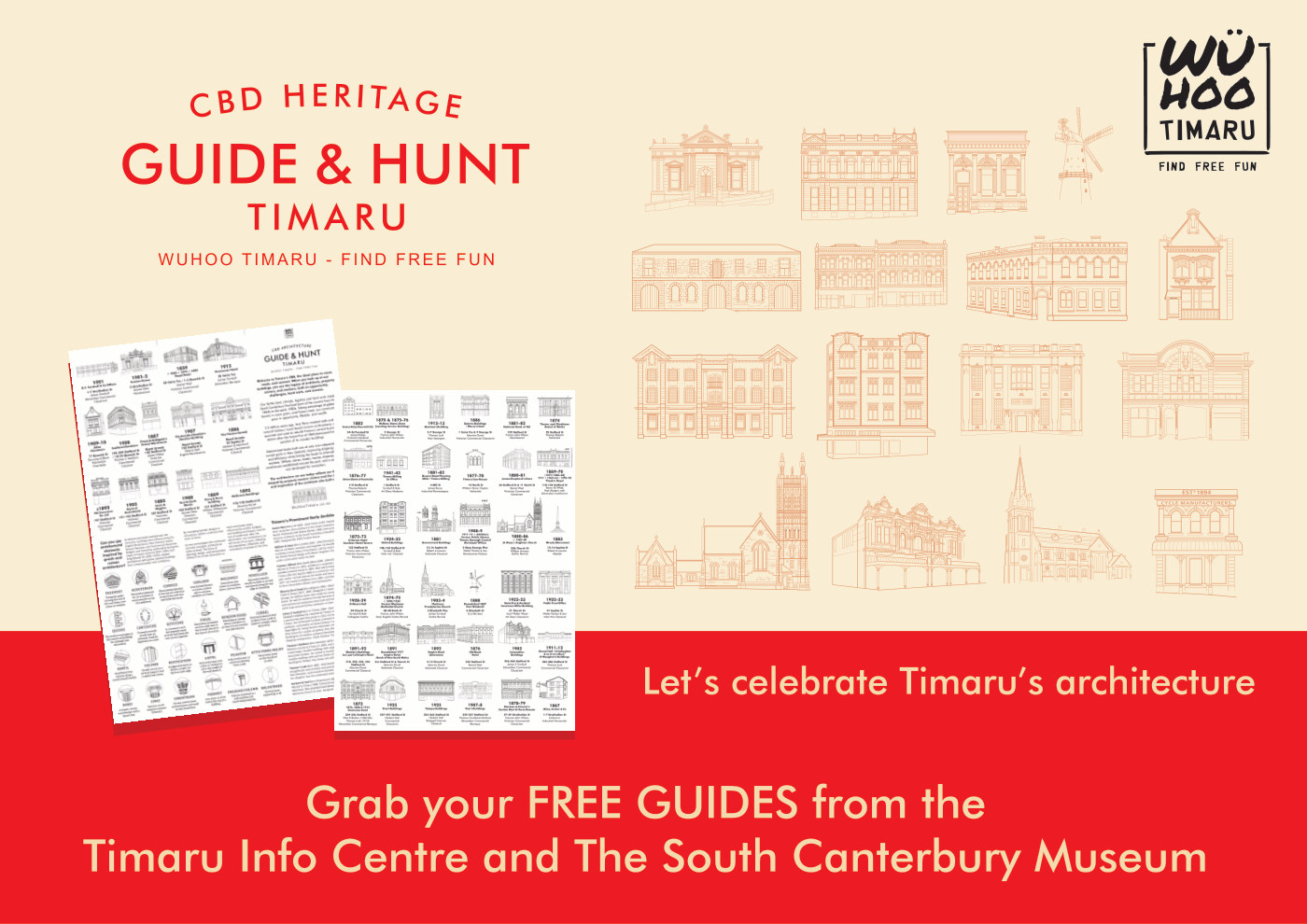
I found the oldest photos that I could and traced them to produce more than 65 prominent buildings illustrations. I popped them on a poster in order of a heritage walk, including the properties details. This then formed a few free CBD heritage guide and hunts. Once you notice a doorway, an old shopfront or an unexpected detail above street level, you start seeing the town differently... and again like the whaling hunt, mine hunts had plenty of stories in the margins to pull out onto the page. So I created another blog section about the stories connected to our built heritage.
I learned that a devastating fire in 1868 tore through our CBD reducing three quarters of the buildings to ashes. The rebuild in stone resulted in much of the brick and stone CBD we see today. Once you know a little history, the area makes more sense. And then recently creating a hunt for Phar Laps 100th anniversary, I clicked that our CBD had been built for the horse. As the wheels rolled in and the hooves petered out our CBD had a big transformation on their hands. It must have felt like it was dying at the time, but they adapted and buildings found new purposes. This made me realise the dilemma we face with retail today, is not the first time our city hub has faced transformation. Knowing the past, that the town endured disaster and change has shown me resilience and that we can find a way to move with the changing times.
These illustrations and guides are invitations, not exams. The point isn’t to memorise architectural styles or the creators. It’s to look closely enough to become curious about the people, choices and changes behind the streets we use every day. Those earlier decisions still shape how Timaru looks and works. Understanding them helps us think more carefully about what we want to keep, change or pass on.
You can buy my poster at our local bookshop, Timaru booksellers, which includes more than 65 illustrated Timaru buildings. The free Timaru CBD heritage guide and hunt turns a town walk into a chance to notice architectural details. and I am working on a more detailed guide to help find the stories, as well as improving our place based story telling with signage.
And none of this happens alone
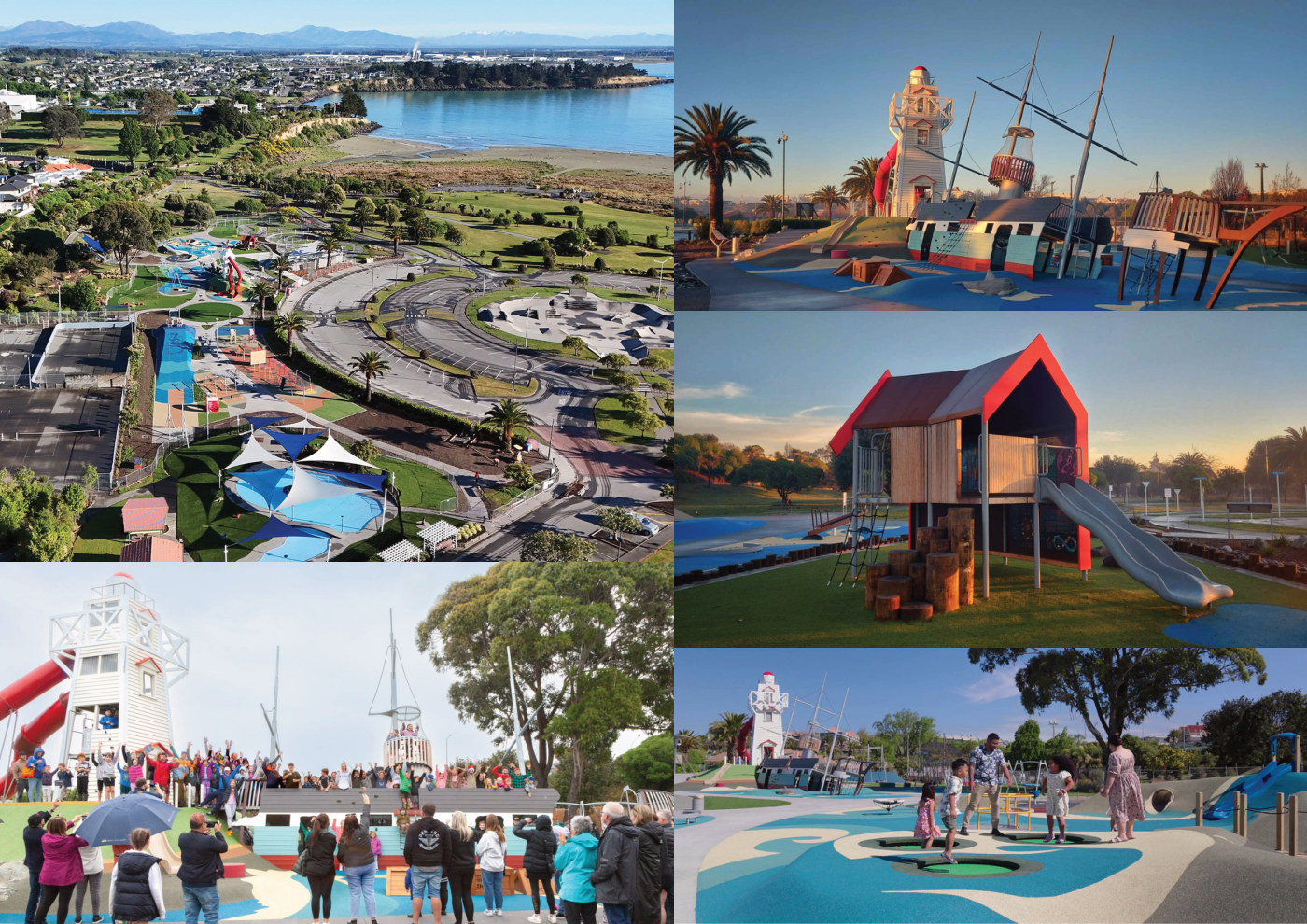
My husband Chris, my father Geoff, our family, volunteers, community groups, the museum, gallery, historians, descendants and people who simply stop to share a memory have all been part of the journey. CPlay at Caroline Bay is another reminder of what can happen when a community works together and brings its stories into places where children play.
Chris and I were invited to join a small committee to upgrade the very tired and falling apart playground at CPlay. The initial idea was to pick some things from catalogues and pop them in, but after listening to what people wanted and needed, we realised we needed to do better.
So we themed everything about the local stories of the bay and our people to make the playground fun, free, accessible and meaningful. With the support of hundreds of people, our small group of volunteers raised $3 million, and built one of the largest play spaces in the Southern Hemisphere. I created resources and gave tours to help our educators learn the stories and share them in the class rooms. And now the kids can be inspired to play with their imaginations, and share the stories they learn with their families and friends.
I used to think volunteering was mostly about what I could give. Now I realise that it is also about what you can gain. I have met so many people, made new friends, broadened my thinking, learned about Timaru and in turn more about myself... and along the way had so much fun.
CPlay at Caroline Bay: community collaboration and local stories brought into a place for play.


What I hope you take home
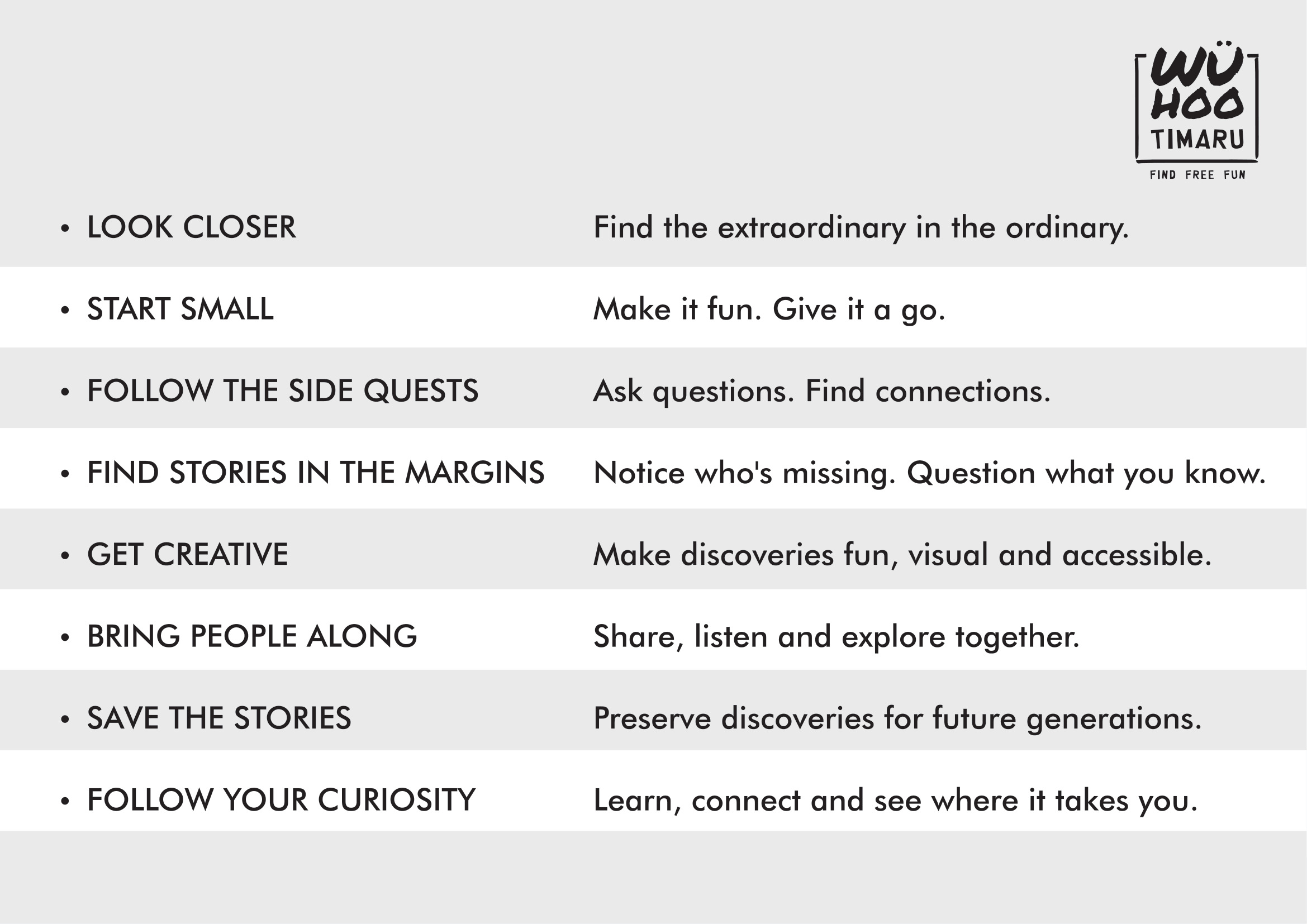
You don’t need to be a historian. You don’t need a big budget or a faraway destination. Begin with a place you know, something you’ve noticed or a question you can’t quite shake.
- Look closer. The ordinary can be extraordinary.
- Start small. Make exploring enjoyable.
- Follow the side quests. One question leads to another.
- Find stories in the margins. Ask who is missing.
- Get creative. Give people clues, not just answers.
- Bring people along. Listen, share and check your facts.
- Save the stories so someone else can find them.
Here’s something you could try this weekend: choose one familiar building, tree, memorial or street. Take a closer look. Ask one question about it. Then see what the local museum, library, old newspapers or somebody in your family might know. You don’t have to solve the mystery. The fun is in following it.
Most of all, follow your curiosity. You never know where it might take you. Ours once led us to an octopus in a rock pool. It has since taken us into archives, old buildings, family histories and some wonderful friendships.
Perhaps the next interesting story is waiting just around the corner from your own front door.
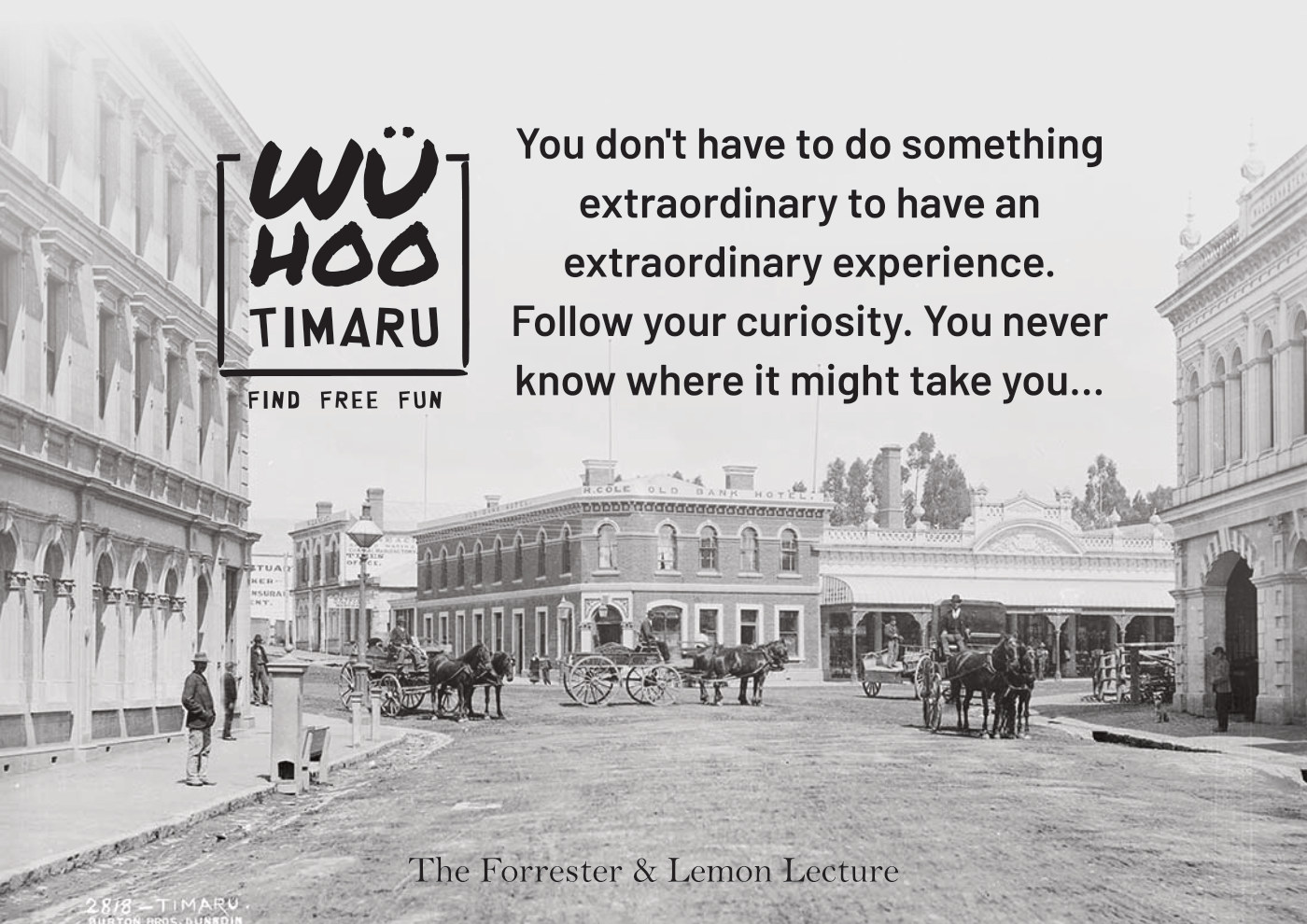
The closing thought... You don’t have to do something extraordinary to have an extraordinary experience.
If you fancy a hunt of your own, the slides above show some of the free resources we have made, including the sculpture hunt, Botanic Gardens scavenger hunt and CBD heritage guide. You can explore the WuHoo Timaru website and browse the WuHoo blog archive for more stories and activities. I have linked to the main pages rather than guess at individual resource addresses.